








 22 - 26 June 2026: Find out more





BUILD YOUR OWN
RESOURCE LIBRARY



Podcasts

Cities Thriving on Lighting, Episode 2 – Simplicity by design in smart lightingSponsored by Paradox Engineering
Cities Thriving on Lighting, Episode 1 – Lighting as the backbone of the smart citySponsored by Paradox Engineering
Opinions

Transforming indoor public safety with smart sensor networksSponsored by Motorola Solutions
Christchurch boosts electric bus fleet
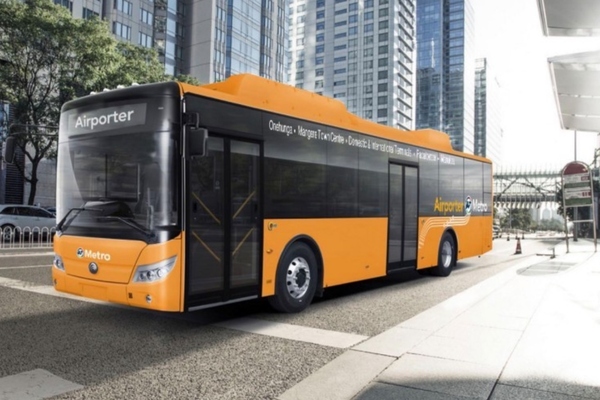
Electric buses now make up 20 per cent of Environment Canterbury’s Metro urban fleet, which is aiming to be fully zero-emissions by 2035 at the latest.


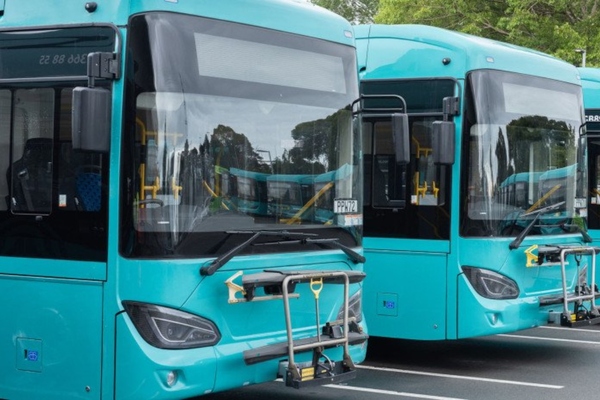
The New Zealand city of Christchurch has rolled out 16 new electric buses to add to its existing fleet of 28 vehicles.
Electric buses now make up 20 per cent of Environment Canterbury’s Metro urban fleet.
Zero-emissions fleet
The remainder of the urban fleet will be gradually replaced in the coming years under Environment Canterbury’s commitment to having a fully zero-emissions fleet by 2035 at the latest.
“Customers have loved telling us how much they enjoy riding on our new electric buses, finding them a smoother, quieter, more comfortable ride,” said Environment Canterbury chair Peter Scott. “We’ve heard from many cyclists and pedestrians as well, who enjoy the cleaner air when passing by one of these buses.”
“In 2023, our electric fleet will reduce Metro’s carbon dioxide equivalent emissions (CO-2e) by an estimated 18 per cent, equivalent to nearly 2,400 tonnes of carbon dioxide saved annually, compared to a fully diesel fleet.”
Read More
He added: “Likewise, the emissions reduction from these electric buses includes 16,000 kilograms of nitrogen oxide emissions (NOx) and 140 kilogrammes of PM10 which is also a win for air quality,” he said.
The 16 new electric vehicles travelled in convoy after their ship transport from Auckland became unavailable. The vehicles will all join the Go Bus fleet in Christchurch. Go Bus Chief Executive, Calum Haslop, said that “the road trip” was an ideal opportunity to demonstrate the vehicle’s capabilities.
“In 2023, our electric fleet will reduce Metro’s carbon dioxide equivalent emissions (CO-2e) by an estimated 18 per cent, equivalent to nearly 2,400 tonnes of carbon dioxide saved annually, compared to a fully diesel fleet”
“These electric buses can do around 400 kilometres between charges, so the 1000-kilometre drive from Auckland took them two days, charging in the middle of the day at Taupo then overnight at Wellington,” he said.
“Our buses typically travel 300 kilometres a day on Metro’s network, so it’s clear that they are more than capable of completing a full day’s work.
“It is incredibly exciting for us to support Environment Canterbury with the transition of Metro’s fleet to greener and cleaner technology, with every bus that goes into service replacing a diesel one having an immediate positive impact on the community, on the planet and on the experience for people who choose to travel with Metro every day.”
Why not try these links to see what our SmartCitiesWorld AI can tell you.
(Please note this is an experimental service)
How do electric buses reduce nitrogen oxide and PM10 emissions?What is the expected carbon dioxide reduction from Christchurch's electric fleet?How far can Christchurch's electric buses travel on a single charge?What are the benefits of electric buses for urban air quality?How does the electric bus fleet support Christchurch's zero-emissions goal?
Latest City Profile
Latest Urban Exchange Podcast
Latest Special Report
SmartCitiesWorld Newsletters (Daily/Weekly)
You may also like these related articles...
BECOME A MEMBER
© 2026 SmartCitiesWorld
Smart Cities World Ltd, 37 Lombard Street, London, EC3V 9BQ