






Collaborating with both private and public sector partners, Voltpost will expand EV charger access and contribute to Connecticut’s electrification goals.
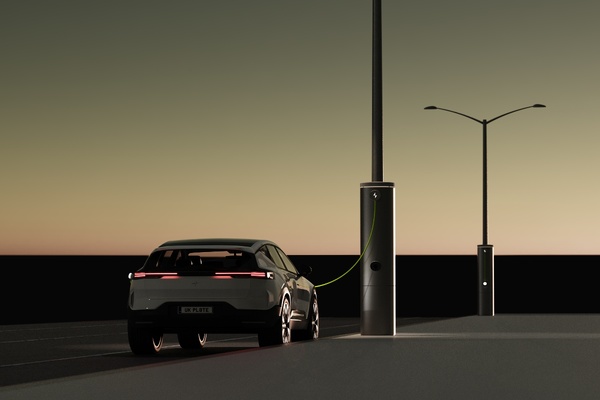
Lamppost EV charging company Voltpost has been selected by the Public Utilities Regulatory Authority (Pura) in Connecticut to deploy its modular lamppost retrofit electric vehicle (EV) charging platform, helping to contribute to the state’s electrification goals.
The contract includes an 18-month project to demonstrate the feasibility of the Voltpost charging platform, including in territories serviced by two leading regional electric distribution companies (EDCs), Eversource and United Illuminating (UI).
According to state authorities, there is a significant need for EV charging infrastructure across Connecticut. While 100 per cent of fleet vehicles purchased by state agencies are required to be EVs by 2030, only 1.2 of vehicles currently registered in Connecticut are electric.
To support estimated charging demand, 1,500 more charging ports are needed by 2025. A reliable Level 2 charging network will enable Connecticut to go from petrol to electric. Voltpost claims it was selected to support Connecticut’s electrification goals because the Voltpost platform ‘significantly’ reduces the cost, timing, and footprint of EV charger deployment.
“Expanding EV charging infrastructure is a key step toward building a greener and more sustainable future for the communities we serve”
“This deployment will expand access to EV chargers for the people of Connecticut, boosting EV adoption and supporting the state’s transition to a renewable energy-based transportation system,” said Jeffrey Prosserman, CEO and co-founder of Voltpost.
“This signifies a key milestone in our mission of decarbonising our planet by democratising access to EV charging infrastructure. We are grateful to the Public Utilities Regulatory Authority for selecting us and look forward to working with our partners to complete this impactful project.”
Voltpost will deploy a total of 50 charging stations, which include a total of 100 charging ports, to provide a seamless and reliable public charging experience for EV drivers and help meet Connecticut’s electrification goals.
The company will collaborate with UI, Capitol Clean Cities of Connecticut, and Live Green Connecticut to ensure communities across Connecticut are involved in the site selection process. The partners will assess variables including EV and gas car ownership, transit ridership, existing EV infrastructure, air quality, grid capacity, parking regulations, equity, and disadvantaged communities’ datasets. The project is expected to be completed by Q4 2026.
“This deployment will expand access to EV chargers for the people of Connecticut, boosting EV adoption and supporting the state’s transition to a renewable energy-based transportation system”
“Expanding EV charging infrastructure is a key step toward building a greener and more sustainable future for the communities we serve,” said Sean Sullivan, director of clean energy policy at Avangrid, parent company of UI. “Our collaboration with Voltpost underscores our commitment to innovative solutions that make EV adoption more convenient, equitable, and impactful, helping to reduce emissions and improve quality of life across the state.”
Through this project, Voltpost reports it will support local job creation by contracting Connecticut-based, minority and women-owned business enterprises (W/MBE)-certified businesses with experience working in underserved communities as installation partners.
Approximately one fifth of units will be deployed in disadvantaged and low-income communities to ensure greater EV access, and the reduction of approximately 200 metric tons of carbon per year in underserved communities.
Why not try these links to see what our SmartCitiesWorld AI can tell you.
(Please note this is an experimental service)
How does Voltpost’s modular lamppost design reduce EV charger deployment costs?What criteria guide site selection for EV chargers in disadvantaged communities?How will collaboration with local W/MBE businesses support job creation?In what ways will the project contribute to Connecticut’s carbon reduction goals?How does integrating EV chargers with existing grid capacity improve sustainability?