













 22 - 26 June 2026: Find out more







BUILD YOUR OWN
RESOURCE LIBRARY



Opinions
Smart lighting: enabling smart cities beyond illuminationSponsored by Paradox Engineering

How AI and biometrics are shaping next-generation mobility paymentsSponsored by ST Engineering
Edinburgh introduces hybrid solar lighting to parks
The lighting, installed by Signify, is designed to improve safety and sustainability in Edinburgh’s parks while supporting the Scottish city’s climate goals.


 At a glance
Who: City of Edinburgh Council; Signify.
What: The City and Signify have installed solar hybrid lighting across several Edinburgh parks. The hybrid lights use solar energy wherever possible and automatically switch to grid power when needed, ensuring reliable lighting all year round.
Why: To improve safety and sustainability in the parks while supporting the city’s climate goals.
Where: The lighting system has been introduced in Baronscourt Park, Hailes Quarry Park and Ferniehill, with an off-grid solar solution installed at Dundas.
The City of Edinburgh Council has collaborated with lighting company Signify to install solar hybrid lighting across several Edinburgh parks, making pathways safer and more welcoming for residents and visitors while supporting the city’s climate goals.
The lighting system has been introduced in Baronscourt Park, Hailes Quarry Park and Ferniehill, with an off-grid solar solution installed at Dundas.
Solar hybrid lighting
The project includes both new lighting in previously unlit areas and upgrades to existing infrastructure where lighting levels were insufficient.
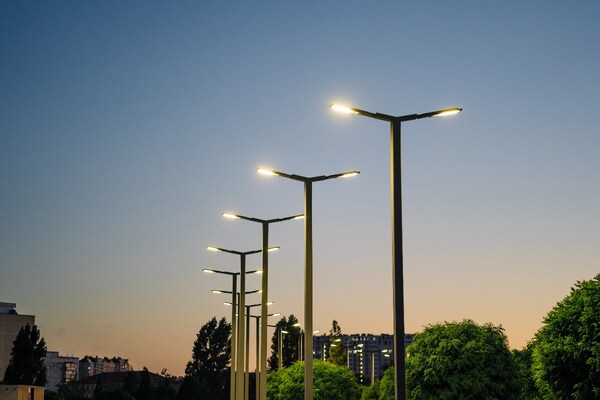
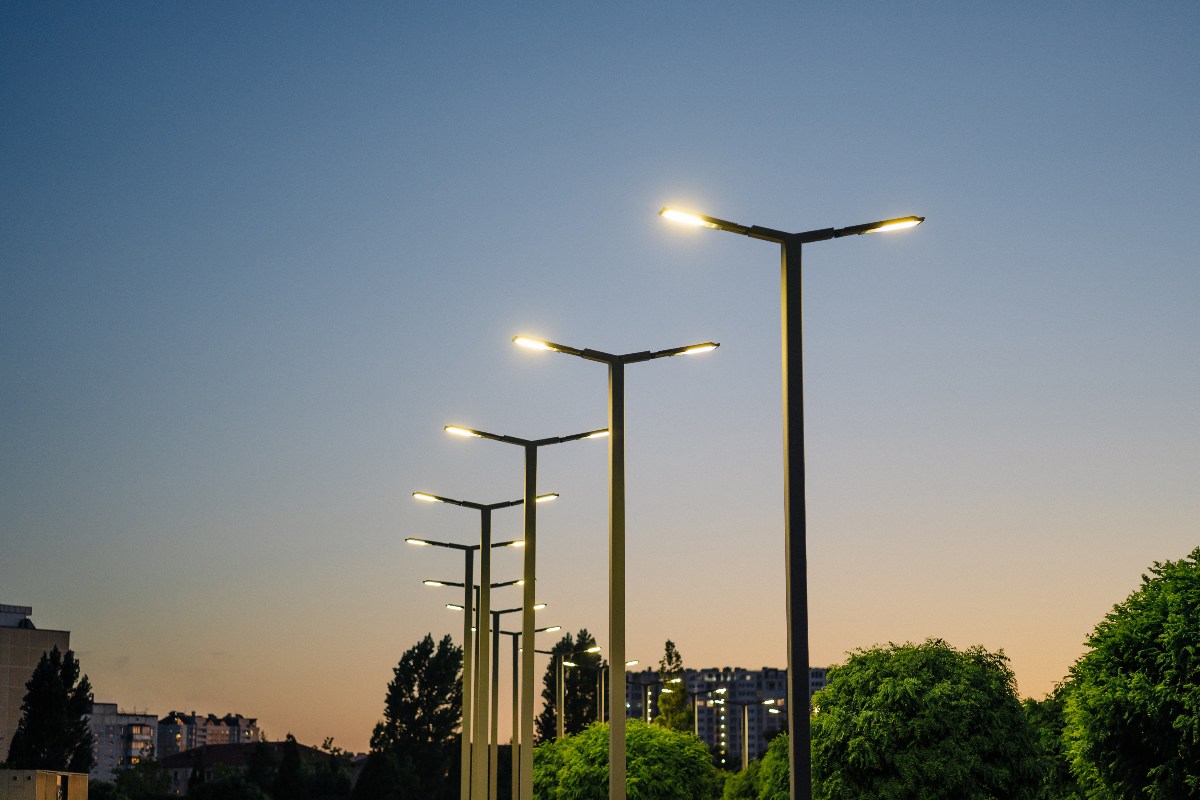
The hybrid lights use solar energy wherever possible and automatically switch to grid power when needed, ensuring reliable lighting all year round. Smart sensors dim lights when paths are empty and increase brightness when people approach, improving safety for pedestrians and cyclists while reducing energy use and light pollution.
“This initiative sets a new standard for sustainable and connected public lighting systems. I’m proud that Edinburgh has taken the lead”
“Working with Signify on these park lighting projects has been transformative for our city,” said councillor Margaret Graham, culture and communities convener.
“The innovative solar-powered lighting system has not only enhanced safety for park users during evening hours but also aligns perfectly with our sustainability and climate goals.
“By reducing grid energy consumption by 53 per cent and minimising ecological disruption, this project sets a new benchmark for environmentally sensitive urban development. I’m also pleased that the technology has been rolled out in three other parks, namely Ferniehill, Hailes Quarry and Dundas.”
Read More
The improved lighting encourages greater use of parks during evening hours, supporting active travel, wellbeing and community use of green spaces. Smart dimming also helps protect wildlife by limiting lighting to areas and times where it is needed.
Edinburgh is the first city in the UK to implement this type of connected solar hybrid lighting in parks, setting a new benchmark for sustainable, people-focused public spaces.
Graham continued: “The community response has been overwhelmingly positive, and we’re proud to lead the way with a solution that balances safety, sustainability, and innovation. This collaboration demonstrates how technology and environmental responsibility can go hand in hand to benefit both people and nature.
“This initiative sets a new standard for sustainable and connected public lighting systems. I’m proud that Edinburgh has taken the lead here as the first UK city to implement such a scheme.”
Michelle McLaughlin, key account manager, Signify, added: “The vision for this project was rooted in environmental responsibility and community empowerment. The council aimed to enhance safety by illuminating park pathways while minimising reliance on grid electricity and protecting the park’s ecosystem.
“The solution also sought to adapt dynamically to user activity and provide actionable data for future improvements. We are proud to be a part of such a great initiative and are happy that our solutions can benefit the visitors of the parks.”
Why not try these links to see what our SmartCitiesWorld AI can tell you.
(Please note this is an experimental service)
How does hybrid solar lighting reduce energy consumption in urban parks?What role do smart sensors play in enhancing park lighting efficiency?How does solar hybrid lighting support Edinburgh’s climate and sustainability goals?In what ways does improved park lighting increase community safety and usage?How does the lighting system minimize ecological disruption in park environments?
Latest City Profile
Latest Urban Exchange Podcast
SmartCitiesWorld Newsletters (Daily/Weekly)
You may also like these related articles...
BECOME A MEMBER
© 2026 SmartCitiesWorld
Smart Cities World Ltd, 27 Clements Lane, London, EC4N 7AE