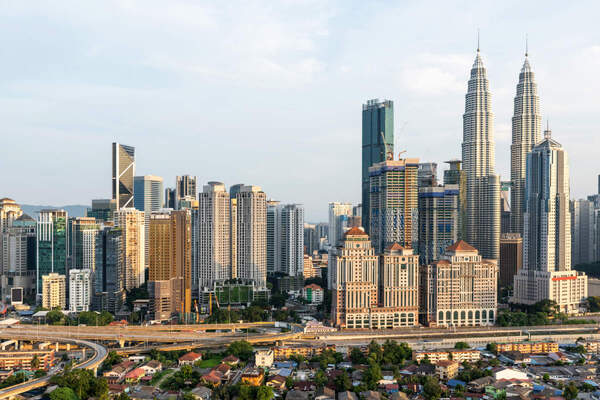




Self-driving car robots will patrol the city to detect dangerous situations while IoT-powered collecting bins will be wheeled out to help improve the recycling rate of domestic waste.
Seoul has announced it intends to introduce three new smart city services based around information and communications technologies (ICTs).
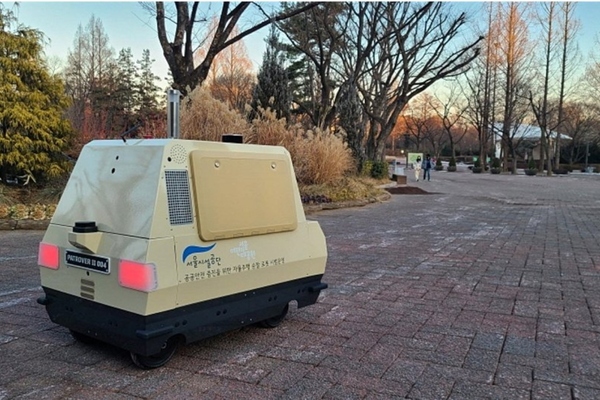
Self-driving car robots will patrol the city to detect dangerous situations or to spray disinfectant. Using IoT sensors they will also monitor and warn against illegal parking activity such as obstructing the entrance to EV charging stations.
To help improve the recycling rate of domestic waste, Seoul Metropolitan Government (SMG) also plans to wheel out IoT-powered collecting bins for clear plastic bottles.
Two self-driving patrol robots will be deployed in Seoul Children’s Grand Park in Gwangjin-gu and around Tancheon Dulle Gil in Songpa-gu.
In the event of an emergency, such as hearing screams or fire alarms, the robots will relay the situation to the control room via voice message and sirens. The robots will also be used to spray disinfectant, check body temperatures, and to sterilise items with UV light.
They will also act as guides. At the children’s park and Tancheon Dulle Gil, the robots will instruct visitors to leave at night and advise of any precautions before using the facilities.
“We will expand the service across the city after evaluating citizens’ satisfaction rate and effectiveness of each service. Thereby, we will step forward to a safe and convenient smart city Seoul”
Meanwhile, monitoring EV charging stations will be installed in 10 parking slots in Geumcheongu. IoT sensors will identify entering vehicles’ number plates and confirm whether they’re electric or not. If the vehicles are found not to be EVs, voice alerts and lightbars will warn drivers they are illegally parking.
According to SMG expects these services will secure parking lots for EV charging, enhance the convenience of EV drivers, and improve parking etiquette for EV charging spots. A pilot programme in December 2021 proved the service was effective.
It transpired that around 80 per cent of conventional engine vehicles (425 out of 530) which had warning lights or voice announcements vacated the parking zone within five minutes and parked elsewhere.
As for the recycling bins, citizens depositing bottles can get points by downloading an app and tagging a QR code. A deep learning camera in the bin identifies PET bottles and will automatically open the lid. Currently, 10 bins are installed in universities in Mapo-gu, public libraries, and youth housing.
“We will expand the service across the city after evaluating citizens’ satisfaction rate and effectiveness of each service. Thereby, we will step forward to a safe and convenient smart city Seoul,” said Park Jong-Soo, director general of Smart City Policy Bureau.
Why not try these links to see what our SmartCitiesWorld AI can tell you.
(Please note this is an experimental service)
How do self-driving patrol robots detect and respond to emergencies?What technology enables IoT sensors to monitor illegal EV parking?How do IoT-powered recycling bins identify and process PET bottles?What methods do robots use to disinfect public park areas effectively?How is citizen satisfaction measured for Seoul's smart city services?