










 22 - 26 June 2026: Find out more







BUILD YOUR OWN
RESOURCE LIBRARY



Podcasts
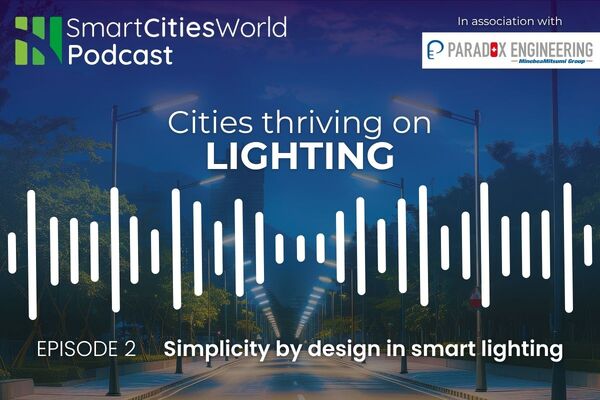
Cities Thriving on Lighting, Episode 2 – Simplicity by design in smart lightingSponsored by Paradox Engineering
Cities Thriving on Lighting, Episode 1 – Lighting as the backbone of the smart citySponsored by Paradox Engineering
Opinions

Transforming indoor public safety with smart sensor networksSponsored by Motorola Solutions
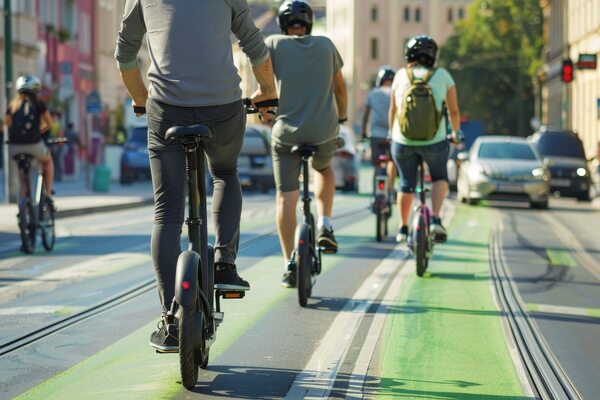
How e-cargo bikes can more bring cost- and emission savings
Research by EIT Innoenergy demonstrates the case for building mixed e-cargo bikes and e-van fleets, which can also help to improve quality of life in cities.


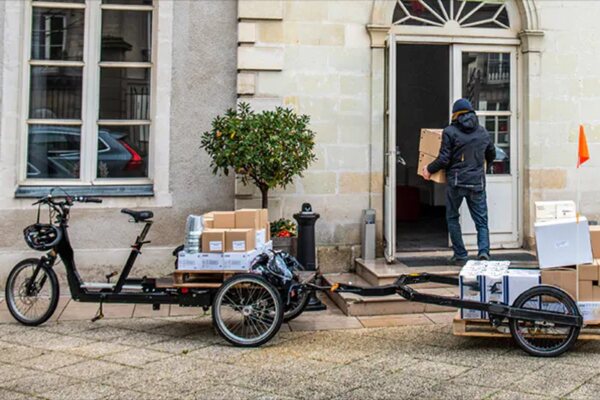
Mixed electric fleets of e-cargo bikes and e-vans can save urban logistics providers significant costs compared to a 100 per cent e-van fleet operation, according to a study by sustainable energy innovation ecosystem EIT InnoEnergy.
Finding the Right Mix: The Hidden Costs, Complexities, and Benefits of Mixed Electric Fleets in Last-Mile-Logistics also demonstrates how mixed fleets can contribute to improving overall life quality in cities.
Reducing last-mile emissions
The research shows for a large logistics player delivering two billion parcels per year with a mixed fleet of 80 per cent e-cargo bikes and 20 per cent e-vans (compared to 100 per cent e-van fleet), the annual cost savings could amount to around €554m by 2030, while reducing last-mile logistics emissions by up to 80 per cent.
Logistics companies are looking at how they can improve margins and reduce CO2 emissions in light of e-commerce driving parcel volume in the European Union up by 8-14 per cent each year. EIT InnoEnergy reports that, at the same time, regulations such as Stockholm’s upcoming inner city ban on combustion-engine vehicles are creating pressure for logistics operators to decarbonise their last-mile delivery operations.
“Study demonstrates that e-cargo bikes are not only a sustainable way to address these challenges, but also cost-competitive and viable for major logistics players – already today, and even more so by 2030”
Given these challenges, the new study addresses an existing knowledge gap in relation to the cost, operational and sustainability impacts of adding e-cargo bikes to the mix, laying out clear comparisons between ICE van fleets, e-van fleets, and mixed fleets.
“Logistics providers today are dealing with many simultaneous challenges: rising parcel volumes, stricter city regulations, and the need to save costs in a low-margin business,” said Jennifer Dungs, global head of mobility, EIT InnoEnergy. “This study demonstrates that e-cargo bikes are not only a sustainable way to address these challenges, but also cost-competitive and viable for major logistics players – already today, and even more so by 2030.”
Read More
Findings showed that the use of e-cargo bikes reduces the total cost per parcel compared to e-vans alone, regardless of the fleet mix and the city layout.
In the study’s baseline case, which assumes a delivery fleet with a 60 per cent share of e-cargo bikes and 40 per cent e-vans operating in a large, densely populated city, the total costs per parcel in 2023 would be €0.05 lower compared to a pure e-van fleet (€1.36 versus €1.41). By 2030, that difference on a per parcel base would increase to €0.20. For a large logistics player delivering two billion parcels per year, these cent amounts would translate to bottom line annual savings of around €95m today (2023) and ~€390m by 2030.
In an optimised scenario (80 per cent e-cargo bikes/20 per cent e-vans, operating in a medium-sized city) the savings in relation to a 100 per cent e-van fleet would be even more substantial: €0.08, or 5.3 per cent, less costs per parcel today (2023) would add up to total annual savings of ~€156M for such large logistics provider. That cost difference per parcel would climb to €0.28, or 17.0 per cent, by 2030, equalling total savings of ~€554m.
“To harness the potential of mixed fleets, cities and logistics providers have a vested interest in working together. There’s great potential here for the development of public-private partnerships”
Importantly, these overall savings in all scenarios occur despite added costs incurred by mixed fleets, which primarily consist of increased personnel costs for parcel sorters at micro fulfilment centres and delivery riders.
In addition to cost savings, cities look to derive benefits from the use of mixed fleets. Study results indicate that the introduction of e-cargo bikes could reduce emissions from last-mile logistics by up to 80 per cent across Europe’s 100 largest cities, while reducing traffic congestion and competition for space by replacing up to 120,000 vans. Compared to 100 per cent e-van fleets, the study shows that mixed fleets reduce pressure on local grids, saving the equivalent of up to 850 households’ annual energy demand per city.
“To harness the potential of mixed fleets, cities and logistics providers have a vested interest in working together,” added Dungs. “There’s great potential here for the development of public-private partnerships to optimise infrastructure planning, ensuring that the full sustainability, space, and cost-saving benefits are realised. This study is designed to guide decision-makers in Europe through the challenges of managing growing parcel volumes, maintaining cost efficiency, and making last-mile delivery more flexible and sustainable.”
The complete study, Finding the Right Mix: The Hidden Costs, Complexities, and Benefits of Mixed Electric Fleets in Last-Mile-Logistics, can be downloaded here.
Why not try these links to see what our SmartCitiesWorld AI can tell you.
(Please note this is an experimental service)
How do mixed e-cargo bike and e-van fleets reduce urban logistics costs?What emission reductions are achievable with 80% e-cargo bike fleets?How can public-private partnerships optimize infrastructure for mixed electric fleets?What operational challenges arise when integrating e-cargo bikes in last-mile delivery?How does fleet composition impact energy demand on local power grids?
Latest City Profile
Latest Urban Exchange Podcast
Latest Special Report
SmartCitiesWorld Newsletters (Daily/Weekly)
You may also like these related articles...
BECOME A MEMBER
© 2026 SmartCitiesWorld
Smart Cities World Ltd, 37 Lombard Street, London, EC3V 9BQ