











 22 - 26 June 2026: Find out more




BUILD YOUR OWN
RESOURCE LIBRARY



Ports and C40 Cities to create trans-Pacific green shipping corridor
The two ports and partners, including shipping lines, and cargo owners in China and the US have committed to deliver an implementation plan for the project by the end of 2022.


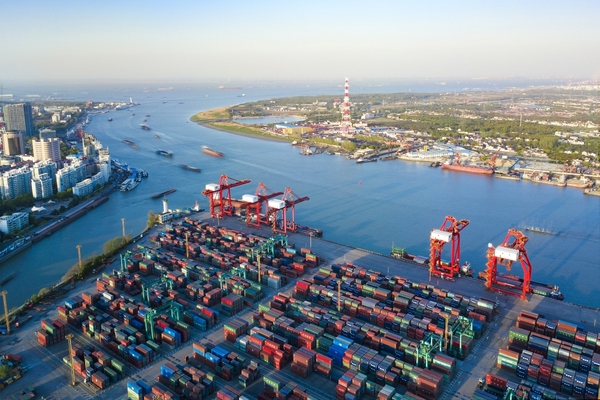
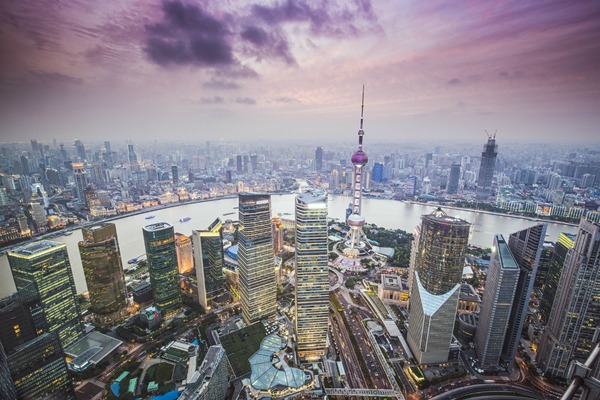
The ports of Shanghai and Los Angeles, along with key maritime stakeholders, have agreed to work on an initiative to establish a green shipping corridor to help decarbonise goods movement between the largest ports in the US and China.
Convened by the C40 Cities network, the partnership intends to work together to achieve these goals by developing a “Green Shipping Corridor Implementation Plan” by the end of 2022 that will include deliverables, milestones, and roles for the partnership.
Transpacific green shipping corridor
The partners report it will be the world’s first trans-Pacific green shipping corridor between ports in the US and China.
Key decarbonisation goals for the Green Shipping Corridor partnership include:
- phasing in of low, ultra-low, and zero-carbon fuelled ships through the 2020s, with the world’s first zero-carbon trans-Pacific container ships introduced by 2030 by qualified and willing shipping lines
- development of best management practices to help reduce emissions and improve efficiency for all ships using this international trade corridor.
- reducing supply chain emissions from port operations, improving air quality in the ports of Shanghai and Los Angeles and adjacent communities.
The City of Shanghai, the City of Los Angeles, the Port of Shanghai (through the Shanghai Municipal Transportation Commission), the Port of Los Angeles and C40 Cities initiated this Green Shipping Corridor partnership. The Port of Los Angeles, under mayor Eric Garcetti’s leadership, has been instrumental in developing the Los Angeles-Shanghai Green Shipping Corridor partnership.
“International collaboration is essential to decarbonise global supply chains”
Participating partners include AP Moller – Maersk, CMA CGM, Shanghai International Ports Group (SIPG), Cosco Shipping Lines, the Aspen Institute’s Shipping Decarbonisation Initiative, facilitators of Cargo Owners for Zero Emission Vessels (coZEV) and the Maritime Technology Cooperation Centre – Asia.
“International collaboration is essential to decarbonise global supply chains,” said Gene Seroka, executive director, Port of Los Angeles.
“We look forward to partnering with the Shanghai Municipal Transportation Commission, the Shanghai International Port Group, leading shipping lines and major cargo owners to reduce greenhouse gas emissions in the maritime supply chain. It’s time to get started on this important work.”
Read More
The global shipping industry is responsible for three per cent of global greenhouse gas emissions. Worldwide, greenhouse gas emissions from the shipping industry are expected to double by 2050. Establishing green shipping corridors is critical to enabling the early adoption of long-term decarbonisation solutions for international shipping, especially along major routes.
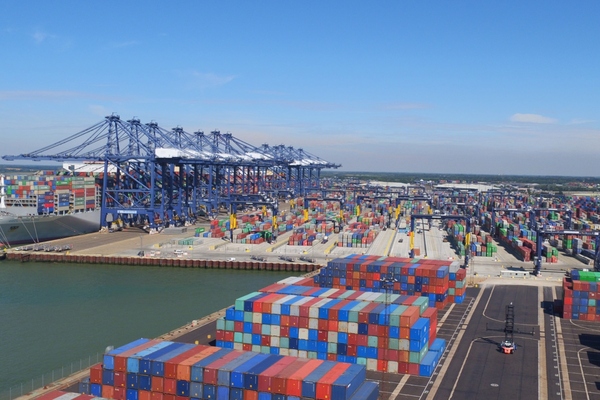
The trans-Pacific corridor is the busiest container shipping lane globally. In 2020, ships moved 31.2 million 20-foot equivalent unit containers – 21 per cent of the world’s total – across the Pacific Ocean, according to figures from the United Nations Conference on Trade and Development (2021).
“Accelerating efforts to decarbonise the shipping sector is urgent if we are to limit global heating to 1.5°C,” added Mark Watts, executive director of C40 Cities.
“By convening international coalitions of the willing and creating a scalable and replicable model for other cities to follow, we hope this ground-breaking green shipping corridor initiative will catalyse action on a global scale.”
C40 is a network of 100 mayors of the world’s leading cities who are working to deliver the urgent action needed right now to confront the climate crisis and create a future where everyone, everywhere can thrive. Mayors of C40 cities are committed to using a science- based and people-focused approach to help the world limit global heating to 1.5°C and build healthy, equitable and resilient communities.
“By convening international coalitions of the willing and creating a scalable and replicable model for other cities to follow, we hope this ground-breaking green shipping corridor initiative will catalyse action on a global scale”
The C40 Green Ports Forum, led by the City and Port of Los Angeles, connects port cities and ports around the world in implementing policies, programmes, and projects that mitigate air pollution and greenhouse gas emissions from port activities, shipping, and supply chains.
The Aspen Institute Energy and Environment Programme’s Shipping Decarbonisation Initiative (SDI) is partnering with leading companies and organisations from around the world, tapping into a vast network to drive the transition to zero emission maritime shipping and decarbonise one of the most important sectors of the global economy.
Through projects such as Cargo Owners for Zero Emission Vessels, Aspen SDI is convening multinational cargo owners to accelerate shipping decarbonisation, elevating the need for shipping decarbonisation within the US policy context, and advancing the establishment of zero-lifecycle emission transoceanic maritime transport corridors.
Why not try these links to see what our SmartCitiesWorld AI can tell you.
(Please note this is an experimental service)
How will zero-carbon fuelled ships be phased in by 2030?What best practices reduce emissions in trans-Pacific shipping corridors?How can port operations improve air quality in Shanghai and Los Angeles?What roles do cargo owners play in shipping decarbonisation initiatives?How does the Green Shipping Corridor support global supply chain decarbonisation?C40 CitiesClimate change/ResilienceEnergy & EnvironmentlogisticsmobilityPort of Los AngelesPort of ShanghaiPortsSea travelTransport hubs

Latest City Profile
Latest Urban Exchange Podcast
Latest Special Report
SmartCitiesWorld Newsletters (Daily/Weekly)
You may also like these related articles...
BECOME A MEMBER
© 2026 SmartCitiesWorld
Smart Cities World Ltd, 27 Clements Lane, London, EC4N 7AE