









 22 - 26 June 2026: Find out more

BUILD YOUR OWN
RESOURCE LIBRARY



Podcasts

Cities Thriving on Lighting, Episode 2 – Simplicity by design in smart lightingSponsored by Paradox Engineering
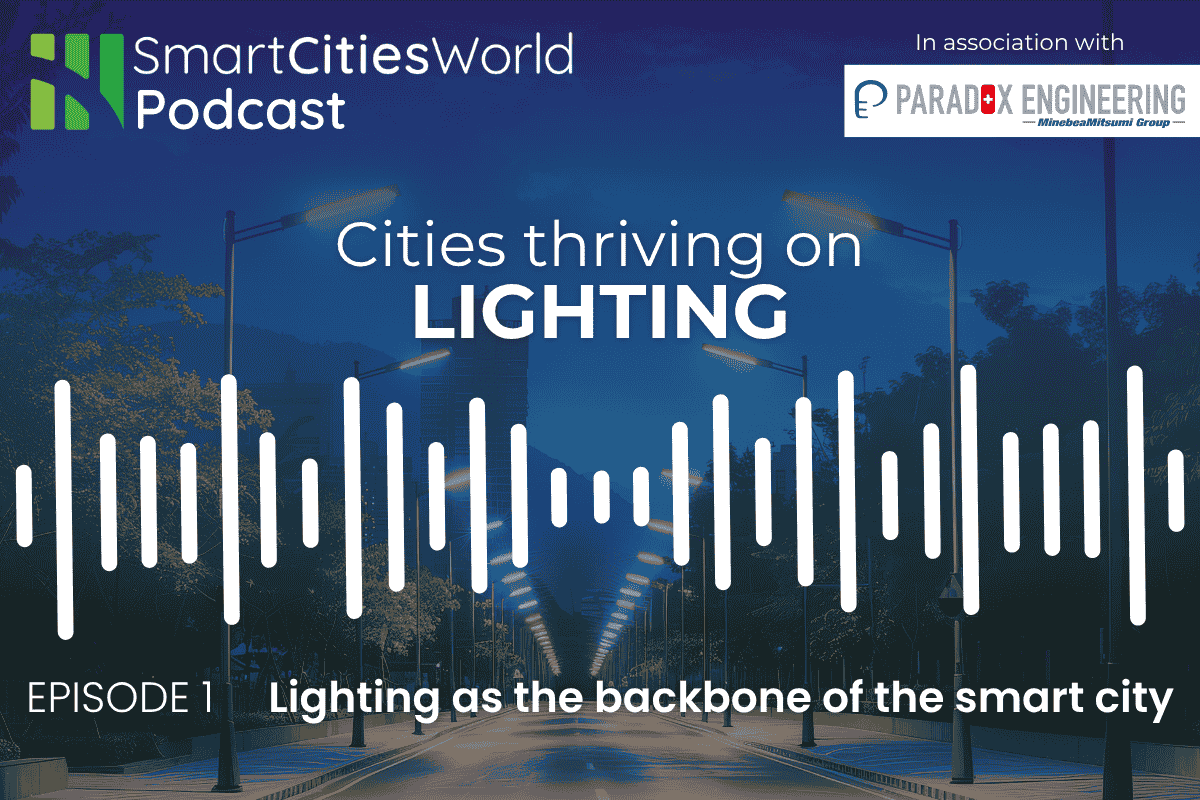
Cities Thriving on Lighting, Episode 1 – Lighting as the backbone of the smart citySponsored by Paradox Engineering
Opinions

Transforming indoor public safety with smart sensor networksSponsored by Motorola Solutions
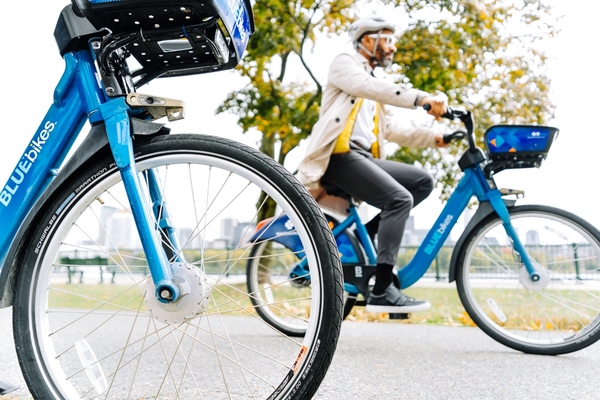
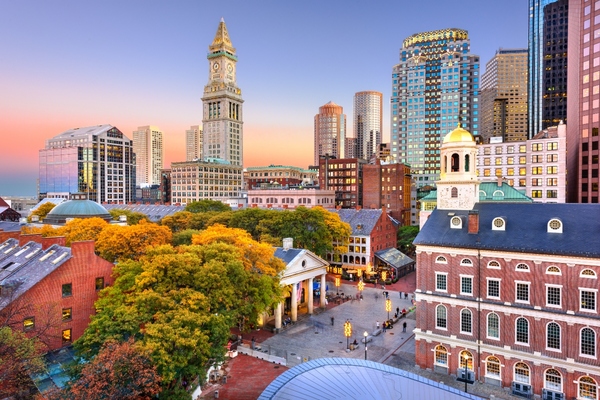
Boston to expand bike network and public bike-share
During peak times, people on bikes regularly make up 10-25 per cent of all Boston traffic and research shows more will ride if they have access to separated bike lanes.


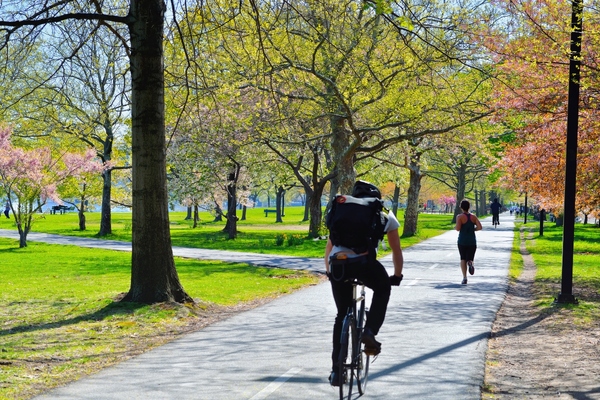
Boston plans to expand its bike network by almost 20 per cent by next winter and is growing its public bike-share programme.
The announcement builds on mayor Michelle Wu’s commitment to create safe streets for all modes of transportation.
A 9.4-mile expansion of bike lanes will provide key connections within the city’s existing bike network.
Safer streets
The mayor and the Boston Transportation Department (BTD) are also launching a citywide design process to bring safer streets to every neighbourhood.
To do this, Boston is expanding the public bike-share Bluebikes programme to accommodate rising demand, designing traffic-calmed streets by building speed humps and raised crosswalks, and hiring more staff to aid in the design process.
“Now more than ever, the health, wellbeing, and economic empowerment of our communities depend on people having safe, reliable ways to get where they need to go,” said Wu. “We’re working to transform our streets so all road users are protected and everyone can benefit from the opportunities across our city.
“Bikes and e-bikes will play an important role in increasing access to reliable, affordable transportation in Boston and in helping to address the climate, safety, and congestion impacts of our overreliance on automobiles”
“Building out a safe, connected cycling network will help close transportation gaps across our neighbourhoods and advance our efforts to make Boston a city for everyone.”
Over the next three years, the City will:
- expand its bike network so that 50 per cent of residents will be a three-minute walk from a safe and connected bike route, prioritising links with a history of safety incidents
- grow the Bluebikes public bike share by 40 per cent, adding more than 100 new stations
- build speed humps in 30 neighbourhood zones, starting with 10 neighbourhood zones next year
- add 75 raised crosswalks at parks, libraries, and schools across the city
- help 600 women gain confidence in riding bikes through Boston’s free learn-to-bike workshops for women and gender-diverse adults.
Enabling more trips by bike is also essential if the US city is to achieve its climate and public health goals. Approximately one-third of Boston’s greenhouse gas emissions come from transportation. Of that, two-thirds comes from passenger vehicles.
“Bikes and e-bikes will play an important role in increasing access to reliable, affordable transportation in Boston and in helping to address the climate, safety, and congestion impacts of our overreliance on automobiles,” said chief of streets Jascha Franklin-Hodge. “Today’s announcement moves us closer to a future where biking is a safe and convenient option for people of all ages and abilities in every neighbourhood of Boston.”
Read More
The bike network includes 59 miles of off-street paths and 17.5 miles of separated bike lanes. The City is looking to build an additional nine miles of bike lanes, focusing on areas where safety incidents have occurred and routes that connect to Boston’s downtown employment hubs. The City will work urgently to build these bike facilities, with most of the links planned to be completed by December 2023.
During peak times, people cycling regularly make up 10-25 per cent of all Boston traffic. Research shows more people will ride if they have access to separated bike lanes. According to a survey by MassINC Polling Group in 2021, 50 per cent of Boston residents probably or definitely would bike more if separated bike lanes were in their neighbourhood. And 77 per cent of Boston respondents supported building separated bike lanes even if some space for driving or parking was removed.
Bluebikes, Boston’s public bike share programme, claims it is the third busiest bike share in the country. Bluebikes reports it served 2.95 million trips in 2021, an increase of 17 per cent from 2019. Bluebikes has also been experiencing record-breaking numbers during the MBTA’s Orange Line shutdown.
Why not try these links to see what our SmartCitiesWorld AI can tell you.
(Please note this is an experimental service)
How will expanding Boston's bike network improve urban mobility?What impact will Bluebikes expansion have on public transportation usage?How do separated bike lanes enhance cyclist safety in Boston?In what ways will traffic-calmed streets reduce accidents citywide?How will increased bike access contribute to Boston's climate goals?BluebikesBostonEnergy & EnvironmentMicromobilitymobilityParks and green spacePedestrianisationRoadurban space

Latest City Profile
Latest Urban Exchange Podcast
Latest Special Report
SmartCitiesWorld Newsletters (Daily/Weekly)
You may also like these related articles...
BECOME A MEMBER
© 2026 SmartCitiesWorld
Smart Cities World Ltd, 37 Lombard Street, London, EC3V 9BQ