













The proposal would extend the current parking restriction area from Helsinki city centre to Töölö and Pasila and replace the current voluntary agreement.
The City of Helsinki has prepared a micromobility licence proposal for electric scooters and bicycles in shared use.
The proposal, to be presented to the Urban Environment Committee on 18 November, would extend the current parking restriction area from the city centre to the neighbourhoods of Töölö and Pasila. The licence requirement in the new legislation will replace the current voluntary agreement.
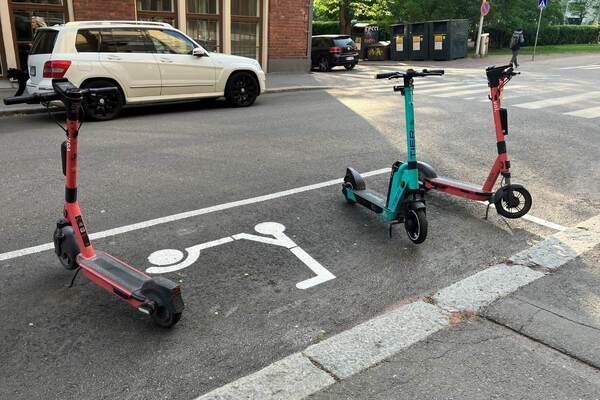
The key change in the proposal relates to the parking restriction zones, which will be implemented by geofencing. The City and micromobility operators have previously agreed that shared electric scooters can only be parked in the parking zones reserved for them in the city centre and around train and metro stations. This means that the GPS of the scooter prevents any parking outside these zones.
Beginning next spring, the restricted area would cover almost the entire city centre up to Töölö and Pasila. In addition, the new restricted areas will be assigned around train stations, for instance.
“The micromobility system has been developed actively and will continue to be developed in this new licence system”
The parking restriction zone in the city centre was piloted with operators in 2023, with additional zones added in 2024. The City reports it received good feedback on the restriction zones, and the new licence conditions take into account this feedback and experiences with these zones.
Smaller no-parking zones have also been proposed in other areas of Helsinki, such as near schools and daycare centres. These licence terms applied to parking aim to especially improve accessibility and the premises of maintenance operations. The dialogue regarding the licence conditions focused, in particular, on consulting the most vulnerable groups, like organisations of disabled and elderly people and public authorities.
The new law would also give parking inspectors the right to immediately move electric shared-use scooters and bicycles parked in breach of the licence conditions, should they not be parked in a designated area in the city centre.
“Voluntary agreements have been the only effective tool to tackle the disadvantages of using these popular services. The micromobility system has been developed actively and will continue to be developed in this new licence system,” said Heikki Palomäki, head of the transport system unit. “The first licence period would be just over a year, and the functionality of the licence conditions will be monitored. The purpose of the licence conditions is to ensure a safe and accessible urban space.”
The Urban Environment Committee will also discuss two council initiatives related to micromobility at its meeting. According to the law, the micromobility licence must be introduced by 1 January 2026 at the latest. The City reports the current season of shared electric scooters will continue for the meantime, weather permitting.
Why not try these links to see what our SmartCitiesWorld AI can tell you.
(Please note this is an experimental service)
How will geofencing improve parking compliance for shared e-scooters?What benefits does extending parking restrictions to Töölö and Pasila bring?How can licence conditions enhance accessibility near schools and daycare centres?In what ways will immediate scooter relocation improve urban space safety?How will monitoring licence conditions support the development of micromobility?