







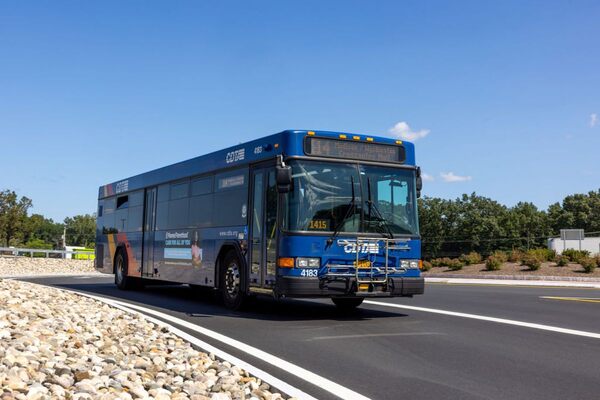
The TidalWave service aims to be a simple software addition to existing city infrastructure

US traffic signal control technology company, Trafficware, and Swim.AI, a Silicon Valley edge intelligence software firm, have joined forces to launch a live streaming traffic information service powered by machine learning and edge computing.
TidalWave is available nationally and is the industry’s latest advancement based on the original work developed in Silicon Valley to provide the first open source traffic data used in connected vehicle applications.
The partnership aims to transform the accuracy and resolution of traffic information so communities can deliver streaming traffic data with sub-second accuracy using edge computing and which is packaged in an affordable cloud service with low overhead and no impact to city infrastructure.
“TidalWave was designed using the first of its kind, intelligent edge architecture for use by the connected vehicle, smart cities, and Internet of Things (IoT) markets,” said Joe Custer, CFO of Trafficware. “It will lead Trafficware and the ITS (intelligent transportation system) market into the next transformative era of technology over the next decade.”
TidalWave analyses, learns and predicts as data is created, at the edge, on existing hardware using a powerful edge compute/data fabric. Rusty Cumpston, CEO of Swim.AI, claimed that it delivers "precise, granular traffic data at a resolution of hundreds of milliseconds", at a small fraction of the cost of central cloud-hosted learning and prediction.
Today, the majority of routing and logistics applications rely on historical cellular GPS data to measure roadway congestion and estimate travel times. To determine traffic congestion on arterial corridors, the applications assume that all cell phones are located in moving vehicles and reflect current conditions. The speed and accuracy at which the data is collected, analysed and made available is slow and often does not reflect the actual experience of drivers.
TidalWave performs the traffic and signal analysis either at a city’s advanced traffic management system or on controllers at street level and generates highly accurate real-time information. The efficiency of the edge solution means that data volumes are reduced by a factor of over 100 and can provide hardware savings of up to 80 per cent compared to traditional solutions.
The service is a simple software addition to existing city infrastructure and subscribers to the Tidalwave service receive traffic information from a real-time API with still no cost for the service to the city.
If you like this, you might be interested in reading the following:
Commutes Across America: Where are the longest trips to work?
Trafficware unveils cloud-based SPM product
Signal performance measures is considered a fundamental building block for smart cities initiatives
Shining a light on mobility behaviour
StreetLight Data is on a mission to use big data to highlight real-world traffic patterns and make cities better places to live and work, by Sue Weekes
Why not try these links to see what our SmartCitiesWorld AI can tell you.
(Please note this is an experimental service)
How does edge computing improve real-time traffic data accuracy?What benefits does TidalWave offer over traditional cloud-based systems?How can TidalWave reduce hardware costs for city traffic management?In what ways does machine learning enhance traffic signal control?How does TidalWave integrate with existing city infrastructure?