





















BUILD YOUR OWN
RESOURCE LIBRARY



Municipalities invited to apply for fully funded pilots
Pilot projects in the latest Leading Cities AcceliGOV programme enables cities to launch proven climate and infrastructure solutions in approximately 90 days.


 At a glance
Who: Leading Cities; AcceliGOV programme; Clinton Global Initiative.
What: Municipalities from around the world are being invited to apply for one of five fully funded, no-cost innovation resilience projects designed to help cities rapidly turn data into action in the latest Leading Cities AcceliGOV programme.
Why: To enable cities to launch proven climate and infrastructure solutions in approximately 90 days without the delays, costs, or risks of traditional procurement process.
When: Applications close on 14 June 2026 and deployments begin in Q3 2026.
Municipalities from around the world are being invited to apply for one of five fully funded, no-cost innovation projects designed to help cities rapidly turn data into action.
Delivered by the non-profit Leading Cities and in partnership with the Clinton Global Initiative, the AcceliGOV programme enables cities to launch proven climate and infrastructure solutions in approximately 90 days, replacing what typically takes 18-24 months through a traditional request for proposal (RFP) process.
Removing the barriers to innovation
Only five cities (one per project) will be selected, with applications closing June 14, 2026, and deployments beginning in Q3 2026.
Each selected city will receive:
- A fully supported pilot valued at $50,000–$100,000
- Implementation support and training
- Minimal staff time required.
Cities today collect more data than ever before, yet many struggle to translate that information into decisions that strengthen resilience, improve public services, and protect residents.
“Cities don’t need another feasibility study. They need solutions that work in the real world”
AcceliGOV aims to remove the barriers that often stall innovation by handling sourcing, vetting, onboarding, and deployment support in advance, allowing municipalities to focus on outcomes rather than process.
“Cities don’t need another feasibility study. They need solutions that work in the real world,” said Michael Lake, president & CEO of Leading Cities. “We help municipalities test proven technologies quickly and confidently. What usually takes two years can now happen in about three months – at no cost and with minimal effort from staff.”
Read More
To date, Leading Cities has 32 projects underway or completed, selected from a global pool of more than 5,000 vetted startups, as part of a commitment to deploy 100 resilience projects in 100 communities by 2030.
Each project addresses an existing municipal challenge and is prepared for rapid public-sector deployment. The five ready-to-deploy solutions are:
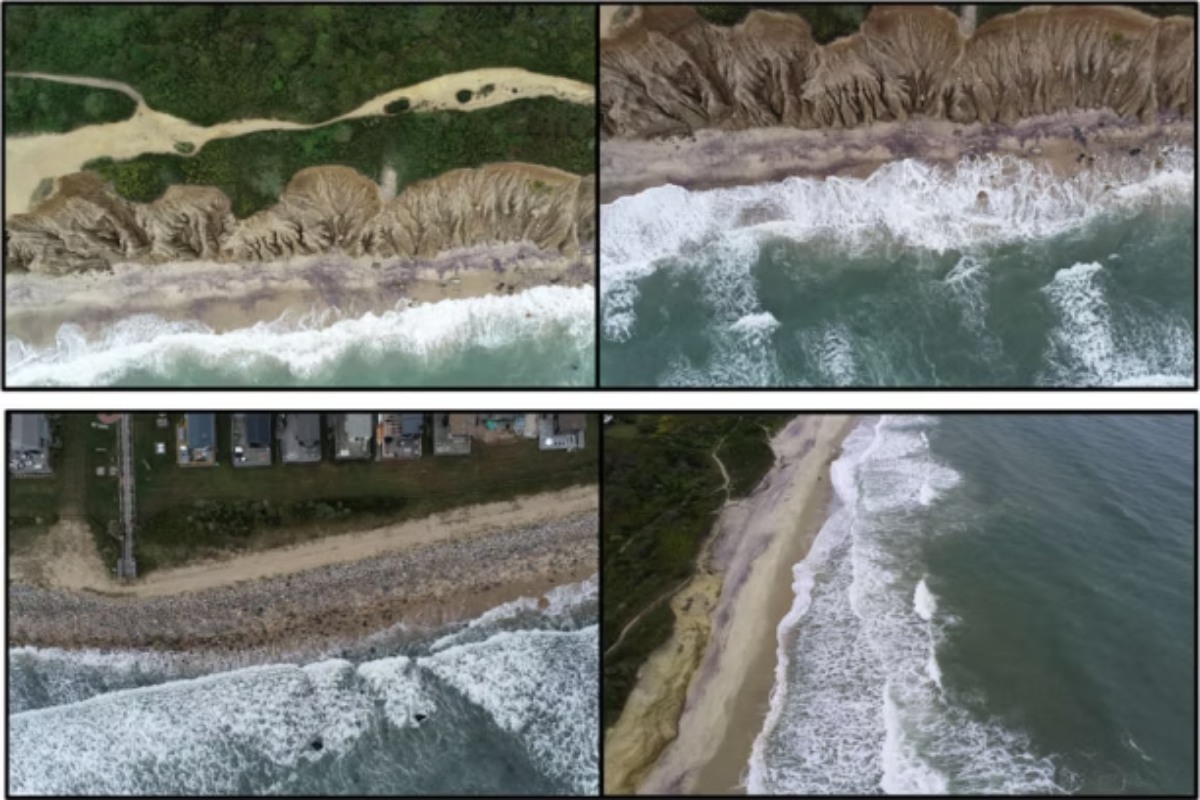
RCOAST
Pinpoints shoreline erosion and evaluates which protective measures are working, helping coastal communities direct funding where it delivers the greatest impact.
True Flood Risk
Helps emergency managers identify which buildings are most likely to flood, enabling faster response planning and smarter resilience investments before disasters strike.
AquaSave
Detects leaks and inefficiencies in water systems in real time, reducing water and energy waste while generating reliable sustainability metrics and operational savings.
Whats Doing
Surfaces accessibility barriers faced by residents with disabilities, guiding improvements that make public spaces and services more inclusive.
Dosy Bikes
Expands safe mobility options for women across the Middle East and North Africa, while creating green workforce opportunities and reducing transportation-related emissions.
Most projects launch within 90 days and deliver results within three to six months. However, these deployments can evolve and expand as the utility of the solution becomes clear to the community.
In Dargo, Australia, a pilot with WEO helped the community visualise previously undocumented local climate risks, achieving 100 per cent coverage of priority areas within six months through combined satellite analysis and community input. The platform remains in active use today to support ongoing resilience planning.
Each deployment includes onboarding, technical support, and performance measurement. Cities are not required to issue an RFP, commit capital funding, or dedicate significant staff time.
“Public-sector teams are stretched thin,” said Katy Southall, chief of impact and innovation at Leading Cities. “We’ve done the heavy lifting, sourcing the solutions, preparing the providers, and structuring the pilots, so cities can focus on impact from day one.”
Smart city directors, CIOs, CTOs, chiefs of staff, mayors, and city managers are encouraged to apply for one or all solutions here and applications close 14 June 2026.
Why not try these links to see what our SmartCitiesWorld AI can tell you.
(Please note this is an experimental service)
How can AcceliGOV accelerate climate resilience projects in municipalities?What data-driven methods improve urban infrastructure decision-making?How does AquaSave reduce water and energy waste in cities?What role do public-private partnerships play in rapid pilot deployments?How can cities measure the impact of accessibility improvements effectively?climate actionClimate change/ResilienceConnectivity & DataEnergy & EnvironmentGovernance and CitizenmobilityPolicy MakingPublic-private partnershipsresilienceurban space
Latest City Profile
SmartCitiesWorld Newsletters (Daily/Weekly)
You may also like these related articles...
BECOME A MEMBER
© 2026 SmartCitiesWorld
Smart Cities World Ltd, 27 Clements Lane, London, EC4N 7AE