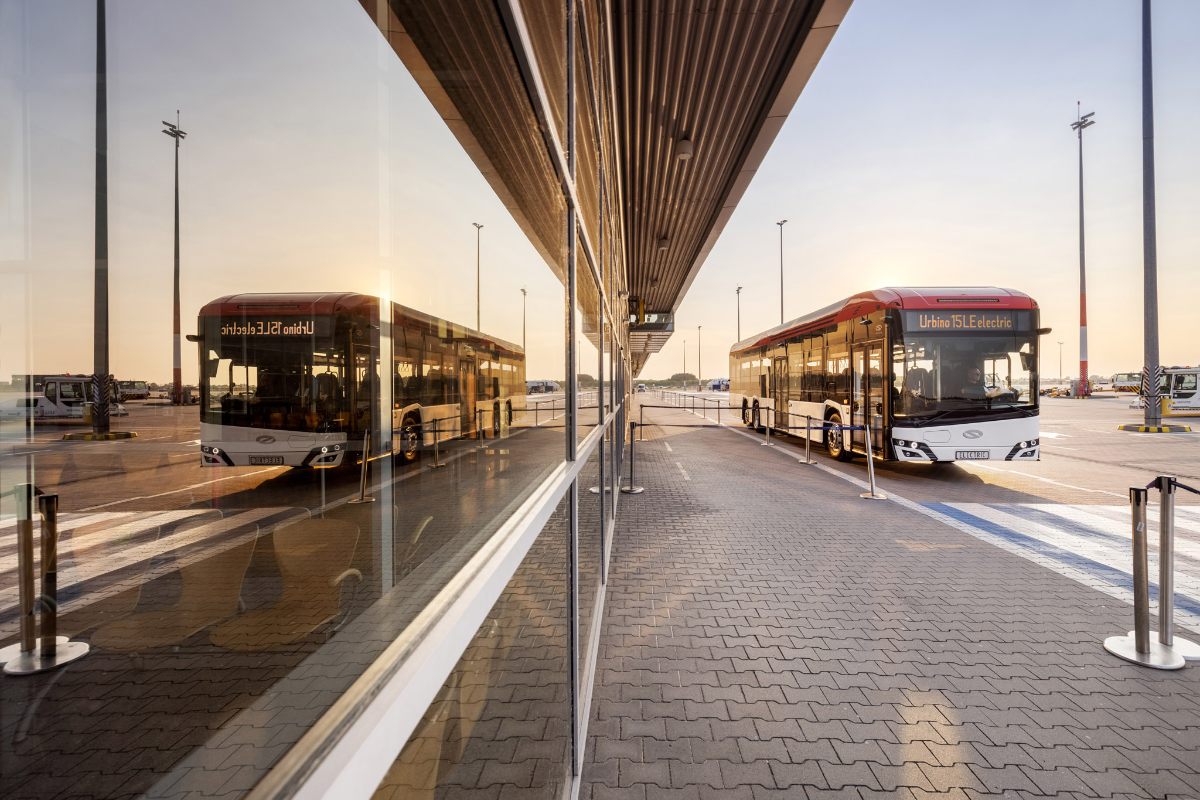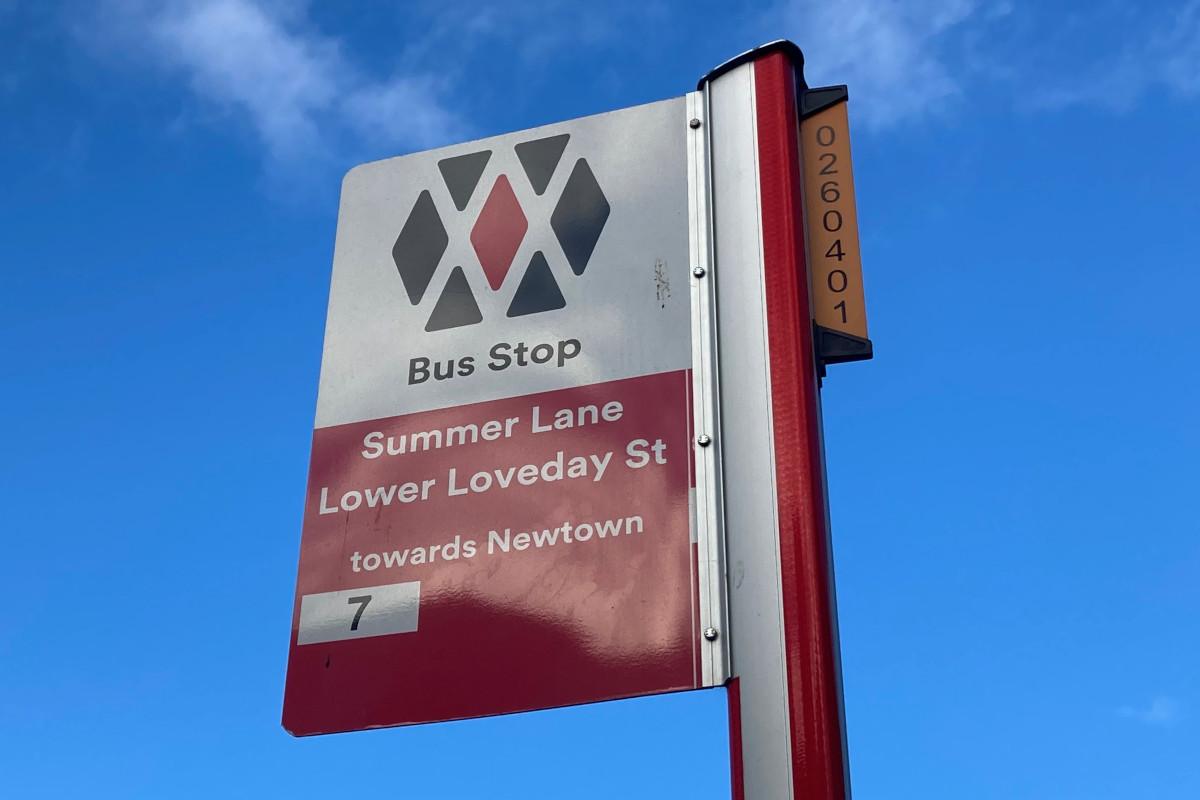




West Midlands stands by its bus fleet as the heart of a sustainable public transport service.
Bus services across the West Midlands will continue to operate at near current levels until the end of 2024 after an agreement was reached between Transport for West Midlands (TfWM) and bus operating companies, including National Express and Diamond Bus.
The new agreement halts the threatened withdrawal and reduced frequency of about one third of the region’s bus services following the cessation of Government Covid support funding in June.
Andy Street, Mayor of the West Midlands and chair of the West Midlands Combined Authority (WMCA) led talks with the bus companies and Government to secure the agreement to protect services.
Under the agreement TfWM, which forms part of the WMCA, has re-allocated £40m from the region’s £88m Bus Service Improvement Plan grant to keep services running while a long-term sustainable funding solution is found.
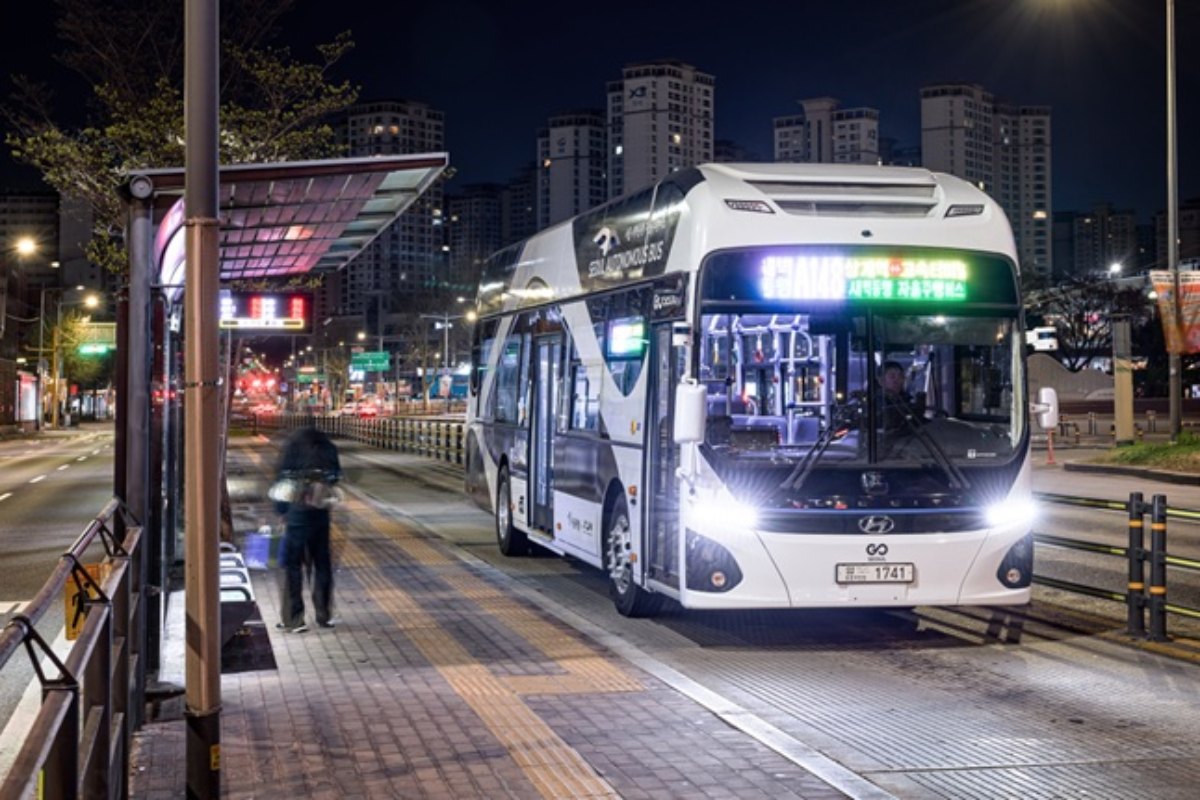
The aforementioned grant was awarded last year to fund a variety of initiatives to encourage greater bus usage. However, despite diverting funds to support bus operators in the maintenance of present level services, TfWM is still on course to invest in improved bus priority, plus more electric and hydrogen buses.
The West Midlands has retained the vast majority of its bus routes despite a dramatic drop in usage during and since the Covid pandemic. The current network is operating at about 90% of pre-pandemic levels, a level many other regions have failed to maintain.
Andy Street said: “Buses are the backbone of our public transport network – providing a vital daily service for tens of thousands of local people right across our region at the same time as helping us to tackle the climate emergency and reduce traffic congestion on our roads.”
He added, “We should not forget what a success story buses are here in the West Midlands. Investment in new cleaner zero-emission buses continues at pace, local people are already benefitting from bus priority measures including the new Sprint routes and bus fares in our region remain amongst the lowest anywhere in the country. We’re proud of our buses and will continue to protect the network as residents rightly expect and deserve.”
Bus Service Improvement Plan funding has been used to securing a uniform fare structure across all private operators, meaning passengers no longer pay extra to use services run by multiple companies. It has also funded new Transport Safety Officers who are out on patrol to keep passengers safe, deter crime, and tackle anti-social behaviour.
Cllr Mike Bird, WMCA portfolio lead for transport and leader of Walsall Council said: “Many other areas have seen bus services decimated in recent months and years and there was a risk of that happening here. But through our intervention, working with our bus companies, we have reached an agreement which keeps the buses on the road while keeping our fares among the lowest in the country.
“At the same time, we are continuing to invest in more bus lanes and priority junctions, new bus stations, new greener vehicles and our transport safety officers to further improve services for the travelling public.”
Why not try these links to see what our SmartCitiesWorld AI can tell you.
(Please note this is an experimental service)
How does the £40m investment protect West Midlands bus services?What impact does uniform fare structure have on passenger experience?How are new bus priority measures improving transit efficiency?In what ways are electric and hydrogen buses integrated into the fleet?How do Transport Safety Officers enhance passenger safety on buses?