











 22 - 26 June 2026: Find out more





BUILD YOUR OWN
RESOURCE LIBRARY



Podcasts

Cities Thriving on Lighting, Episode 2 – Simplicity by design in smart lightingSponsored by Paradox Engineering

Cities Thriving on Lighting, Episode 1 – Lighting as the backbone of the smart citySponsored by Paradox Engineering
Opinions

Transforming indoor public safety with smart sensor networksSponsored by Motorola Solutions
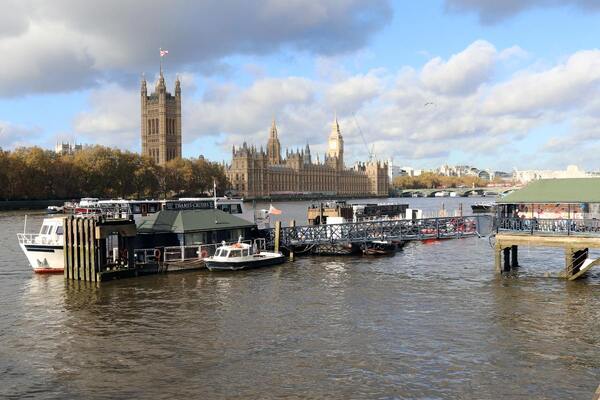
Could electric vessels on River Thames help to power London?
Using a principle similar to night storage heaters, the Electric Thames project aims to show how electric vessels could accelerate the journey to net zero.


A scoping exercise is exploring how a new generation of electric vessels could help to decarbonise the River Thames as well as power London’s energy network.
The Electric Thames project is a collaboration between UK Power Networks, energy transition consultancy LCP Delta, and sustainable maritime solutions company Marine Zero.
Net zero transition
The organisations are working together to assess the viability of using electric vessels using a principle similar to night storage heaters to feed stored electricity back into the capital’s energy network, accelerating the transition to net zero.
Battery-powered vessels on the Thames could store green energy when it is cheap to do so, such as when the wind is blowing or sun is shining, and feed it back to the grid during peak electricity hours. The approach could help increase the capital’s flexible energy capacity and reduce peak electricity demand.
“Tapping into this potential will not only help us create a cleaner Thames for everyone but will also give us an additional supply of flexible, green energy which will help our transition to a decarbonised energy system”
The project, which is in its initial discovery or scoping phase, supports the Port of London Authority’s transition to net zero emissions and London mayor Sadiq Khan’s pathway for London to be net zero carbon by 2030. The discovery phase of the project, which is funded via the Ofgem Strategic Innovation Fund, will conclude at the end of May 2024.
“Electric Thames isn’t just about achieving zero emissions on our capital’s river – it is even more exciting and significant than that,” said Andy Hurley, director at Marine Zero. “Along with our project partners at LCP Delta and UK Power Networks, we are developing a completely new approach to increasing energy flexibility by developing new income streams new and flexible solutions for vessel and quay operators.”
Read More
Thames vessel and quay operators will be surveyed over the coming weeks to identify and map out their needs. This will allow power suppliers to plan and complete any works needed to facilitate the move to cleaner vessel and river operations along the River Thames.
Luca Grella, head of innovation at UK Power Networks, said: “This is a first-of-its-kind project in the UK, and one that is operating at the forefront of energy innovation. Tapping into this potential will not only help us create a cleaner Thames for everyone but will also give us an additional supply of flexible, green energy which will help our transition to a decarbonised energy system.”
Most of the boats, quaysides, and ports operating on the Thames – which supports a busy freight sector as well as eight million passenger trips per year – currently rely on fossil fuels. This is starting to change, however, as the river’s economy decarbonises in response to climate change and net zero ambitions.
“The project aims to help the marine sector lower their emissions yet also have certainty in their energy source. It will also help to accelerate the energy transition”
The Electric Thames project team will consult quay owners, vessel operators, and other stakeholders to understand the opportunities for investing in electrification and a sustainable route to revenue.
“It’s fantastic to be involved in such a strategic project that could deliver some real benefits,” said Phillip Twiddy, senior consultant, LCP Delta. “The project aims to help the marine sector lower their emissions yet also have certainty in their energy source. It will also help to accelerate the energy transition.”
The outcomes of the project could shape a new whole-system planning framework for the nation’s rivers, canals, and waterways, offering insights for decarbonisation and electrification that could be replicated across the UK.
Electric Thames has been supported by the Strategic Innovation Fund (SIF). Delivered in partnership with Innovate UK, the SIF programme taps into the best of UK and international innovation and aims to align with other public innovation funding for the benefit of customers across the UK.
Why not try these links to see what our SmartCitiesWorld AI can tell you.
(Please note this is an experimental service)
How can electric vessels store and feed energy back to the grid?What role do quay operators play in supporting vessel electrification?How does the Electric Thames project increase London’s energy flexibility?Which technologies enable electric vessels to reduce River Thames emissions?How might this project influence decarbonisation of other UK waterways?
Latest City Profile
Latest Urban Exchange Podcast
Latest Special Report
SmartCitiesWorld Newsletters (Daily/Weekly)
You may also like these related articles...
BECOME A MEMBER
© 2026 SmartCitiesWorld
Smart Cities World Ltd, 37 Lombard Street, London, EC3V 9BQ