Join Barcelona and Kyiv for this webinar as we look at how edge AI applications are coming to cities and supporting positive outcomes across mobility, lighting, and safety.
The SmartCitiesWorld Summit, which takes place 26-27 June, will act as a call to action for cities to make the transformation of the built environment a central part of their climate action strategies.
From accelerating electric vehicle infrastructure to promoting active and shared modes of transport, the Cities Climate Action Summit (26-27 June) strives to unlock sustainable mobility solutions for a cleaner, healthier future.
Find out how Dublin is innovating to improve experiences and services for its communities in the latest SmartCitiesWorld City Profile, including digital twin projects, traffic reduction, and economic growth.
Discover how the city of Madrid is innovating to become a smarter, more sustainable city that’s able to deliver improved services to residents and visitors alike.
The Urban Exchange brings together the Metropolitan Area of Guadalajara’s Diego Marquez and Visa’s Jose Rodriguez to talk through the transformative role of urban mobility policy and technology in the Mexican city.
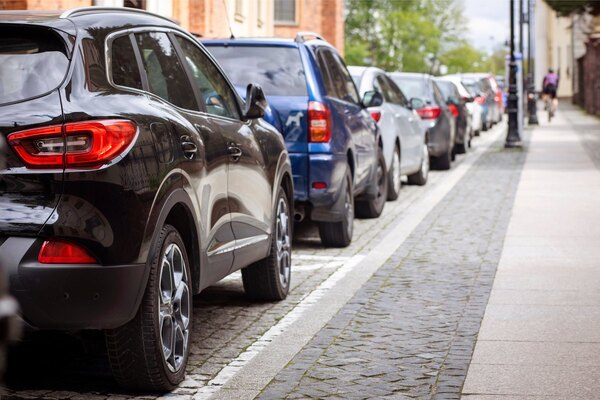
AppyWay will show cities why they need to adopt dynamic and data-driven kerbside management systems to optimise the use of kerb space and reduce congestion.
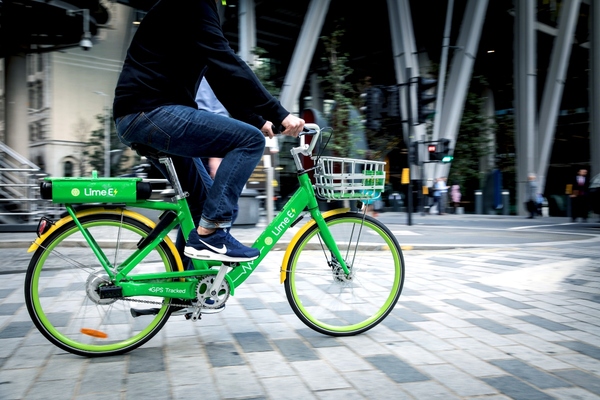
Lime’s Alan Clarke explains how the UK capital can move away from private vehicles towards a lifestyle where city-dwellers can move seamlessly between different modes of public transport.
Developed with input from emergency services workers, the Blue Light tool will bring together information on each site’s future energy needs in one place.
SmartCitiesWorld City Profiles explore the city of Shenzhen, designated as China’s first special economic zone and a role model of urban modernisation. Find out more about Shenzhen’s smart city strategy in this 16-page report.
The long term-impact of the UK’s decision to leave the European Union and the country’s poor performance in the Covid-19 pandemic, are among the complex set of challenges it faces if London is to remain one of the world’s most influential and enviable cities.
Report predicts electric aircraft and eVTols will enable new connectivity within large urban areas, between cities, as well as from rural regions to cities.
As cities compete in an increasingly mobile talent economy, Professor José Antonio Ondiviela, director, Citizen-Centric Intelligent Cities Research Institute, Universidad Francisco de Vitoria, explains why urban success factors must now consider how magnetism, liveability and affordability shape where people choose to live and work.
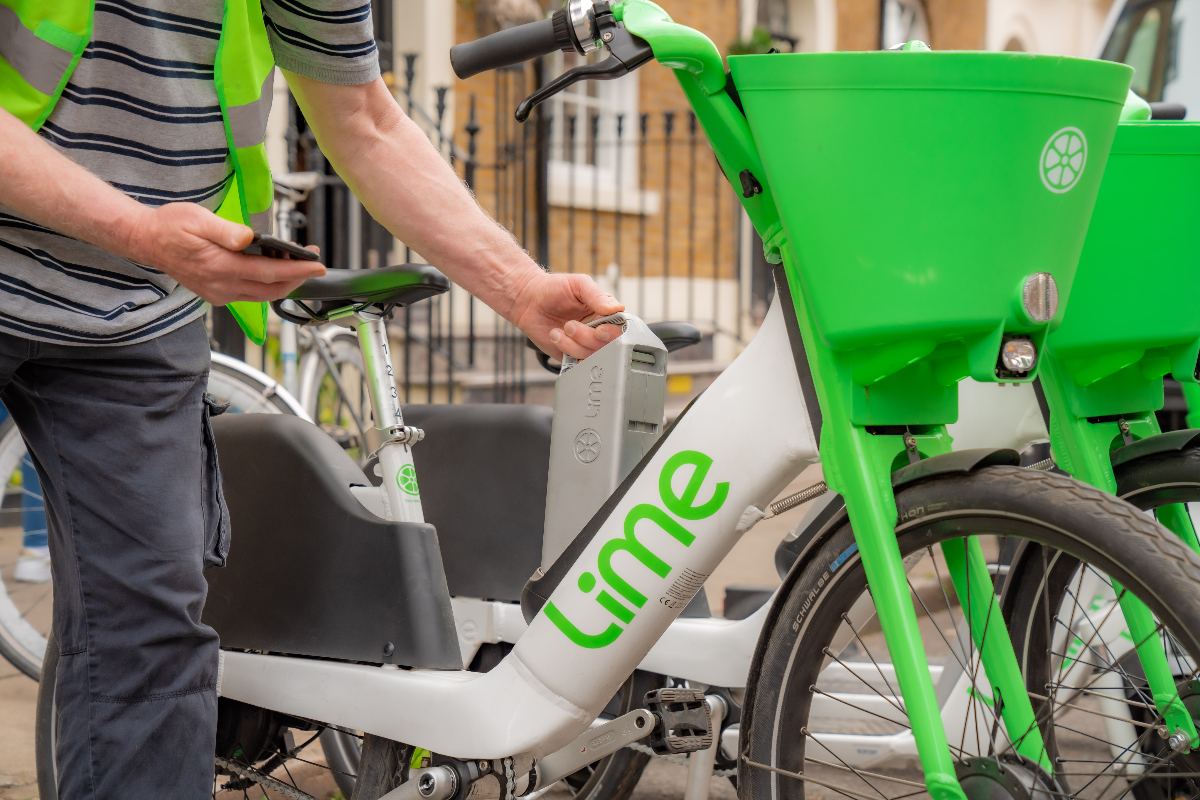
Micromobility specialist Lime prepares to strengthen green shared mobility operations in the Italian city ahead of large-scale international sporting events.
C40 Cities and Development Bank of Latin America and the Caribbean are joining forces to unlock climate finance and fast-track city-led adaptation projects.
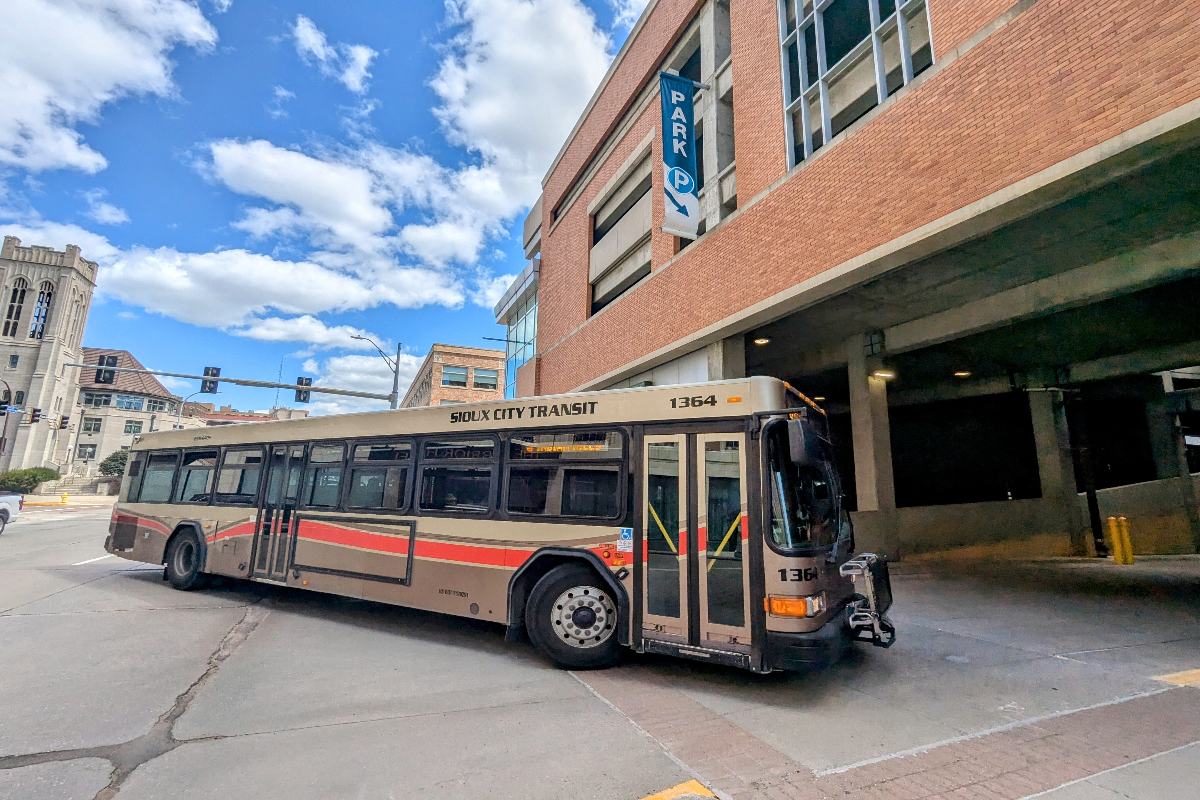
Using either the MyRide Sioux City Smart Cards and mobile app, riders can tap to pay their fare when boarding, making journeys faster, easier and more convenient.
Los Angeles County Metropolitan Transportation Authority board of directors has selected an underground heavy rail option as the locally preferred alternative.
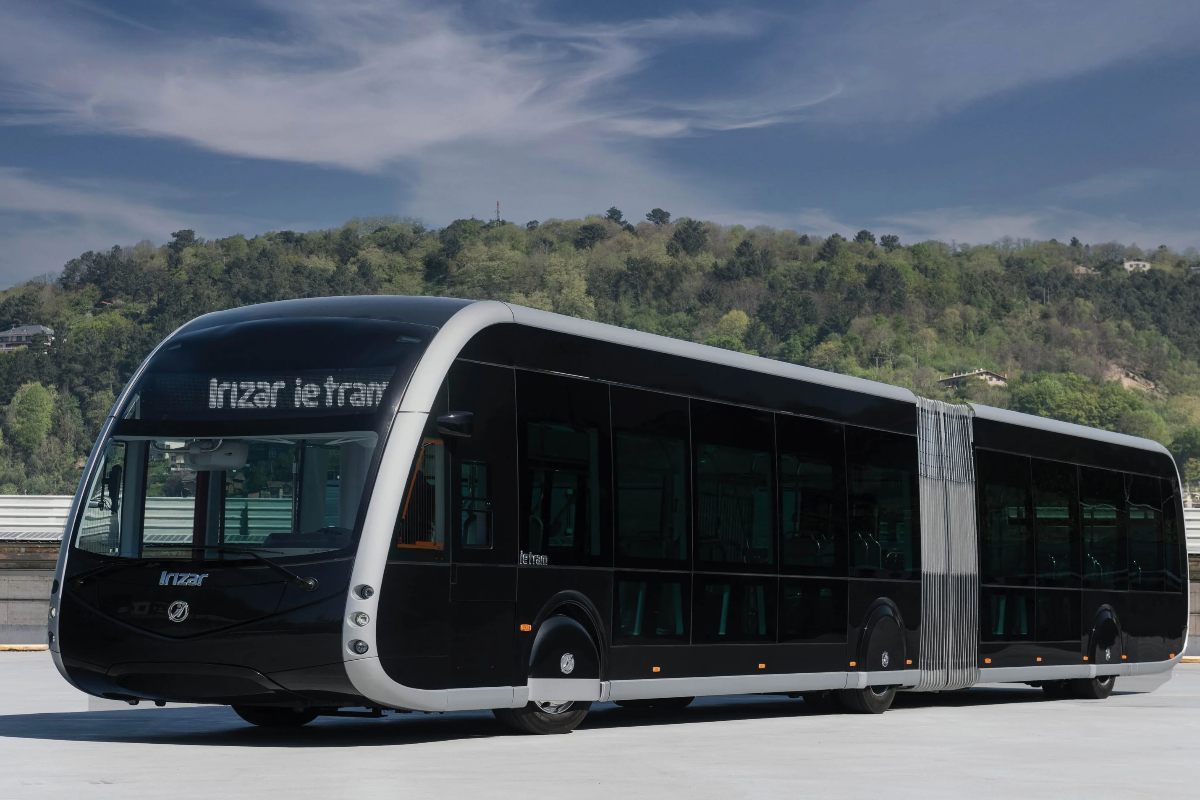
Thirty-nine Irizar electric buses are being supplied to operator Arriva Personenvervoer Netherland and will provide services in several cities in the region.
2030 vision is for a better, safer street network that prioritises sustainable transport and reduces congestion, creating a greener, more reliable capital.
The annual Traffic Index, based on mobility data in 2025, measures congestion levels, average speeds and travel times per mile across the global road network.
SilverRide is working with Transdev North America to provide supplemental paratransit services for the San Diego Metropolitan Transit System in California.
Inrix’s strategic integration has extended its granular ground truth parking and loading zone availability coverage to 13 of its 126 premium coverage cities.
SacAdapt is a joint effort between the City and SRTD to prepare roads, bicycle facilities, sidewalks, bus stops and light rail infrastructure for climate impacts.
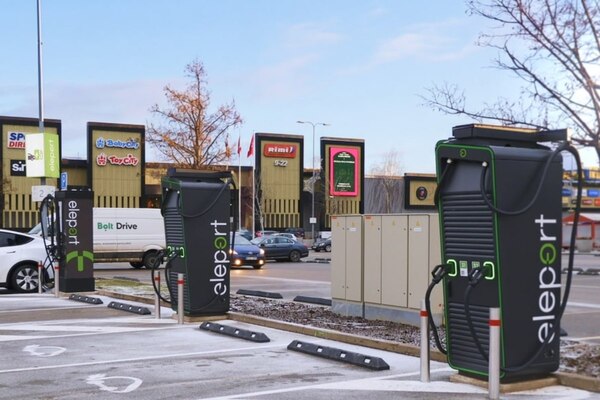
Following the loan, network operator Eleport will deploy more than 250 fast-charging hubs at shopping and commercial centres across Central and Eastern Europe.
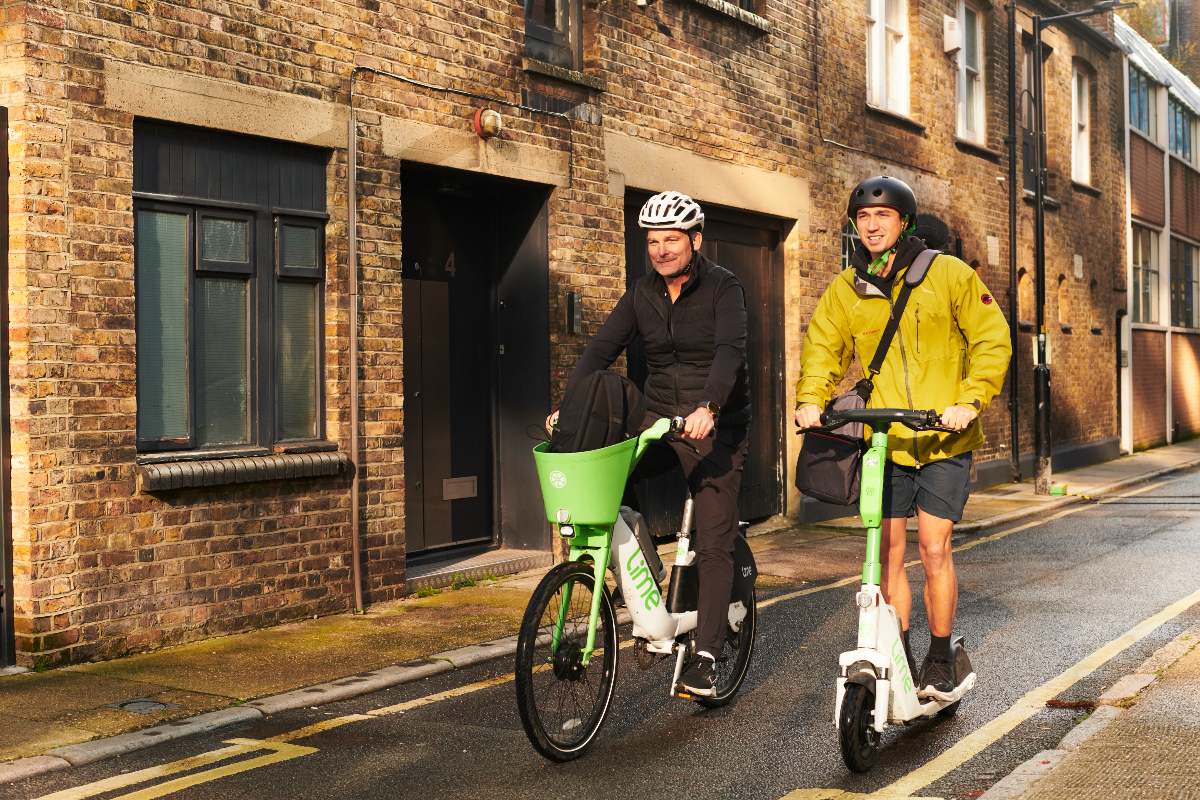
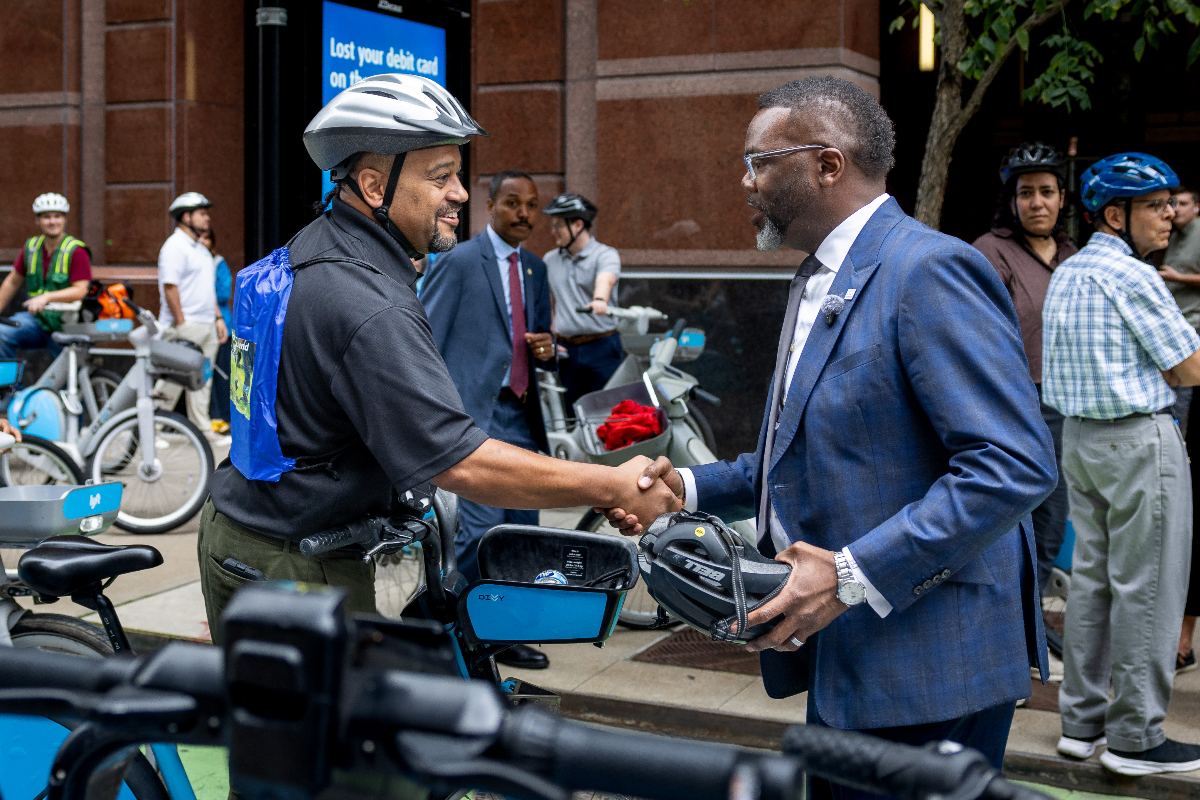
More than 2,000 new bikes and e-scooters will arrive on the streets this April following the appointment of Lime as the region’s latest cycle hire provider.
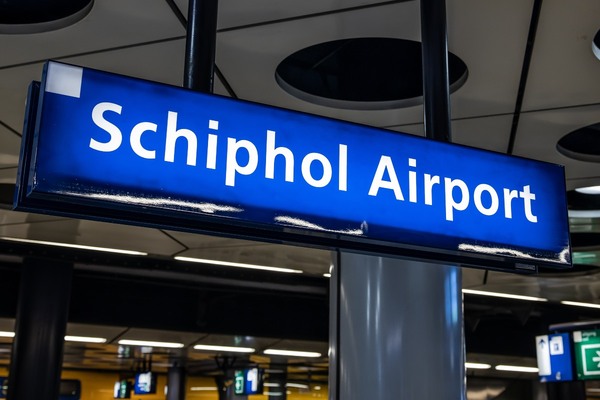
Schiphol Taxi Network is working with Invers CloudBoxx and GoodMoovs to implement the system for a growing fully electric fleet at the airport in Amsterdam.
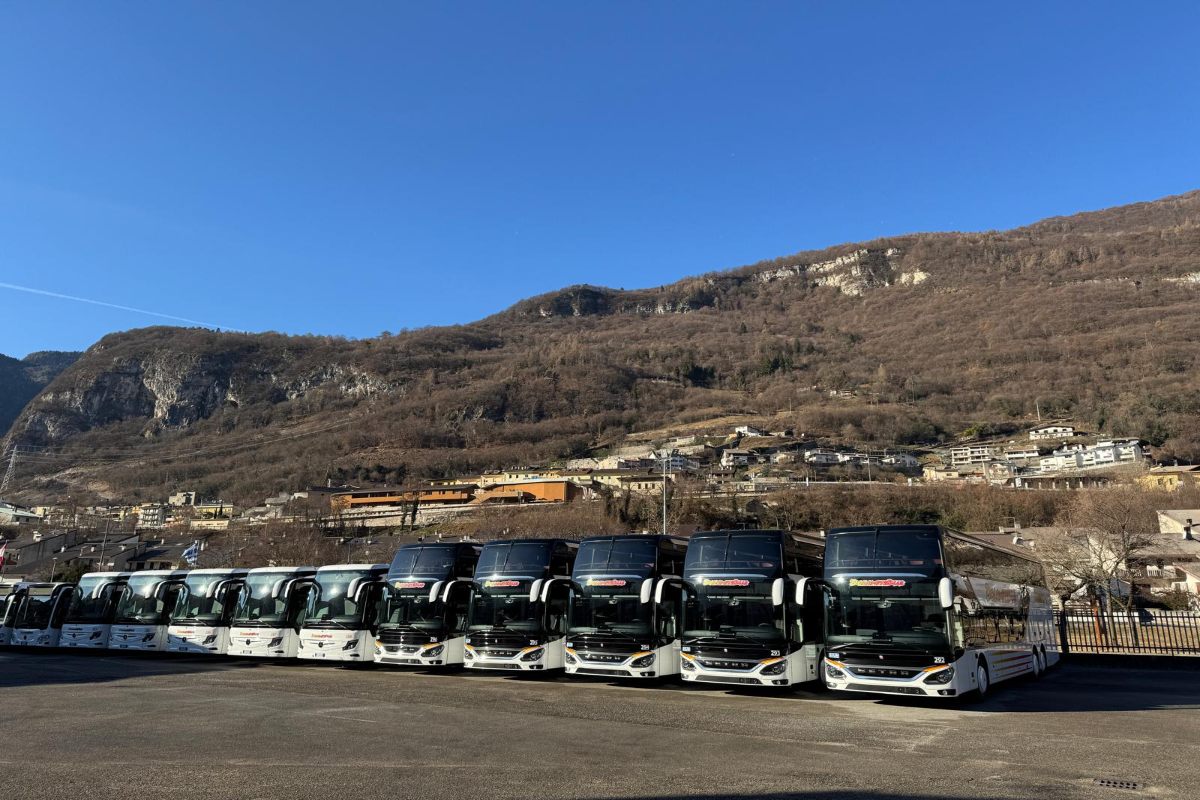
Dolomiti Bus said it is preparing to do more than transport spectators and getting ready to “coach the Games”, bringing people into the heart of the Dolomites.
It reflects the growing demand for convenient, affordable transportation options and continued investment in shared micromobility and bike infrastructure.
Project will see the installation of a one-megawatt solar system paired with a battery to power electric bin lorries and other council vehicles in the UK city.
New deployment across California’s Tri-Valley and Central Contra Costa regions add to mobility-as-a-service platform SilverRide’s growing footprint in the state.
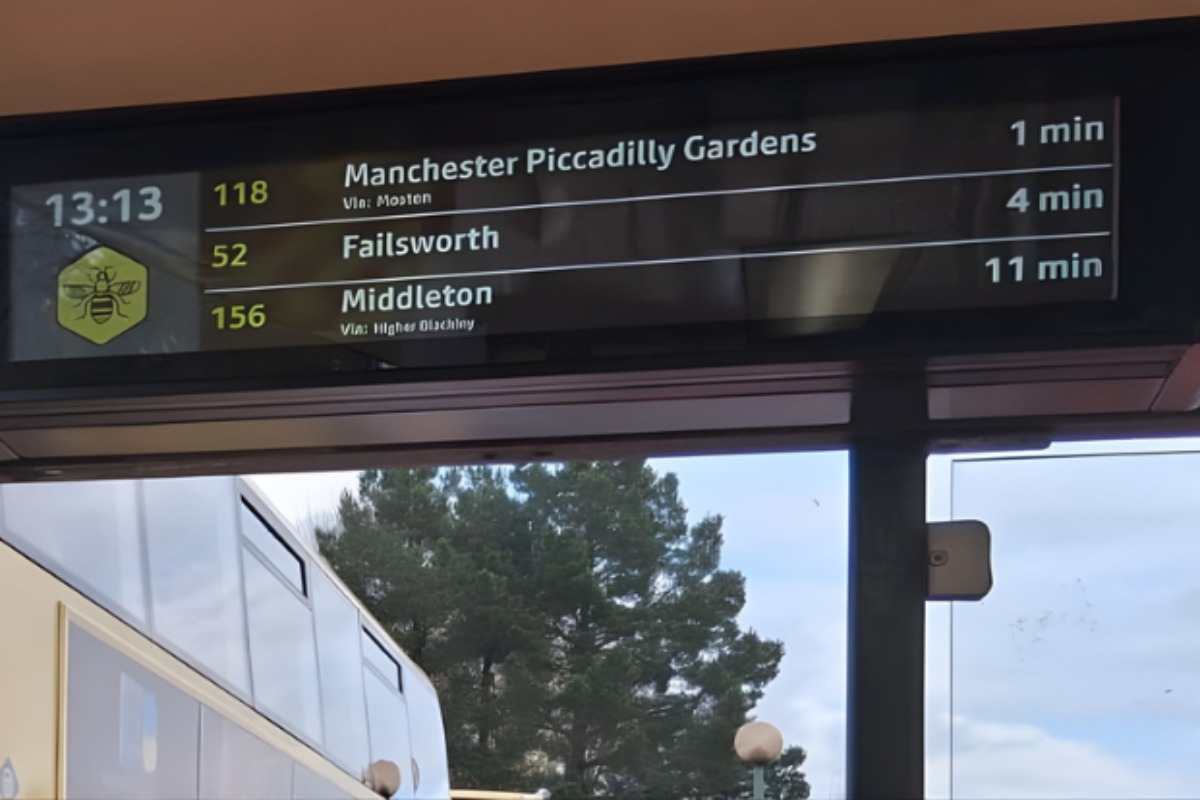
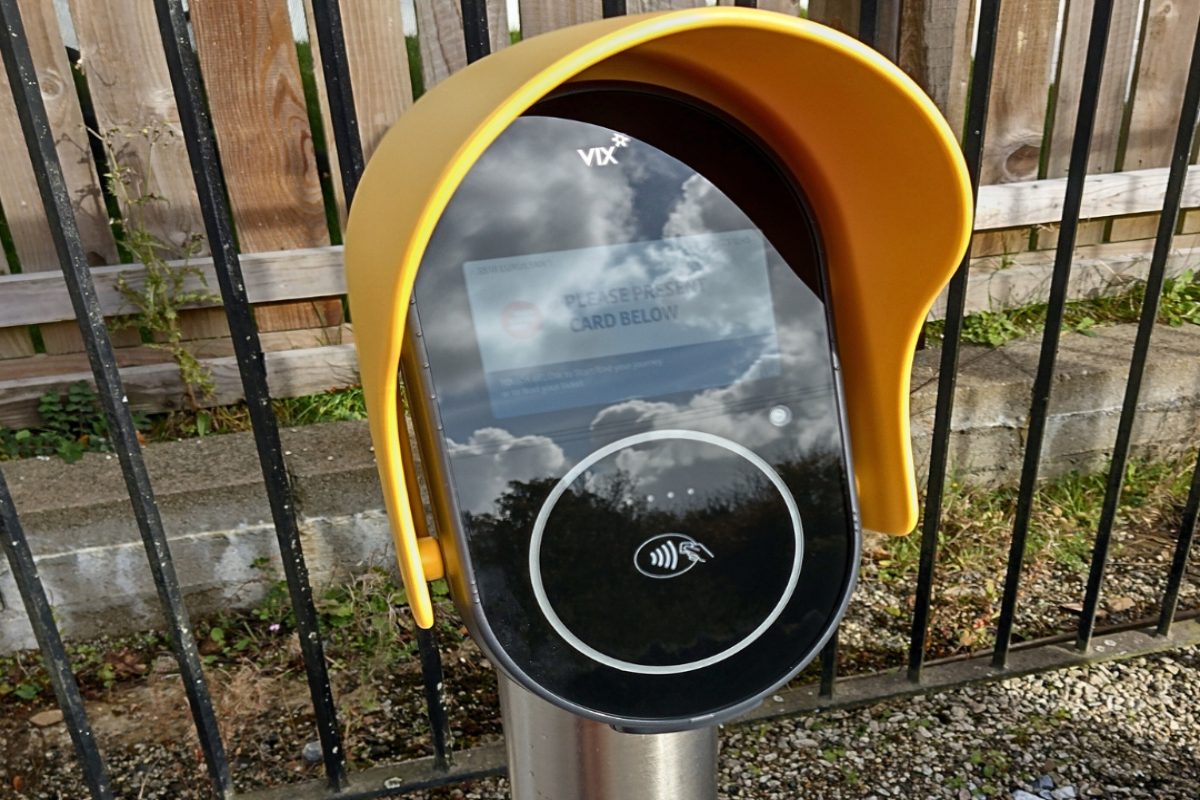
Transport for Greater Manchester is working with Vix Technology to rollout 320 new real-time displays at bus stops, shelters and interchanges on Bee Network.
Deployment from Boldyn Networks will extend high-capacity 5G to areas like the terminal, concourses, airfield, rental car facility, and parking garage.
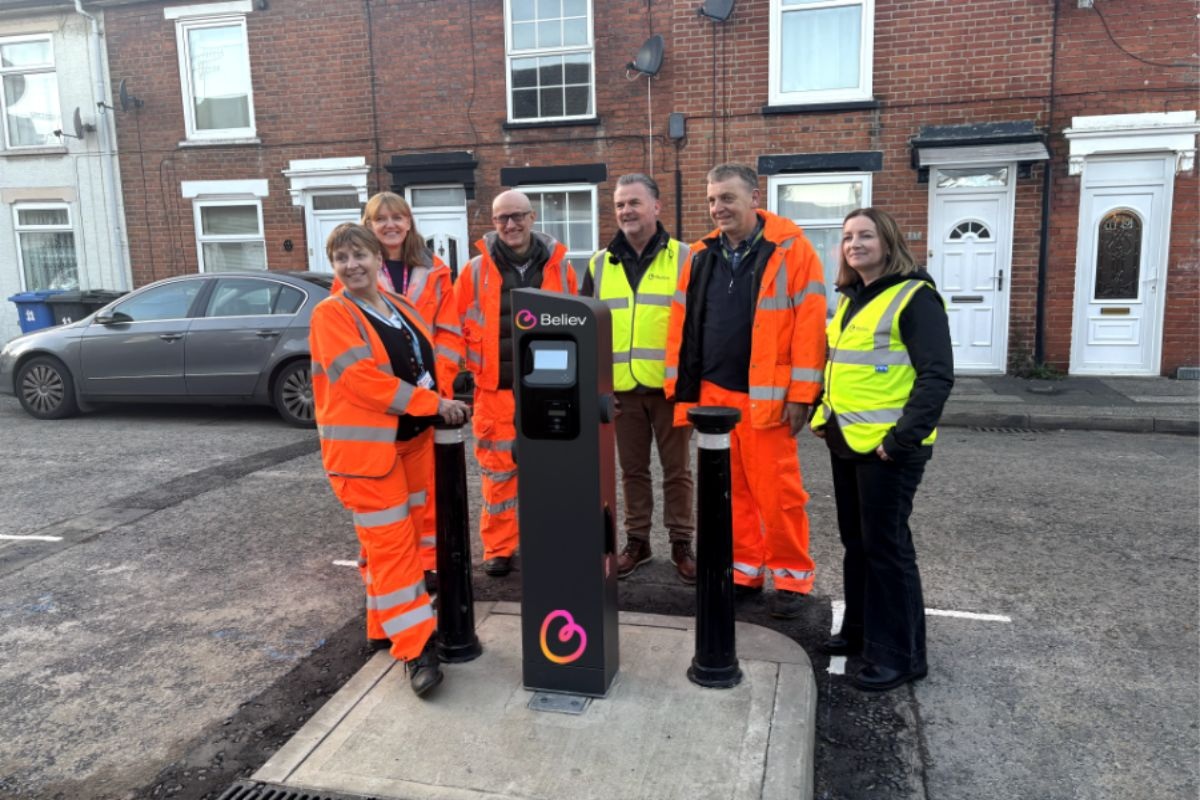
It is working with Believ to install the first of thousands of planned public EV charge points across Suffolk as part of the council’s Plug in Suffolk Project.
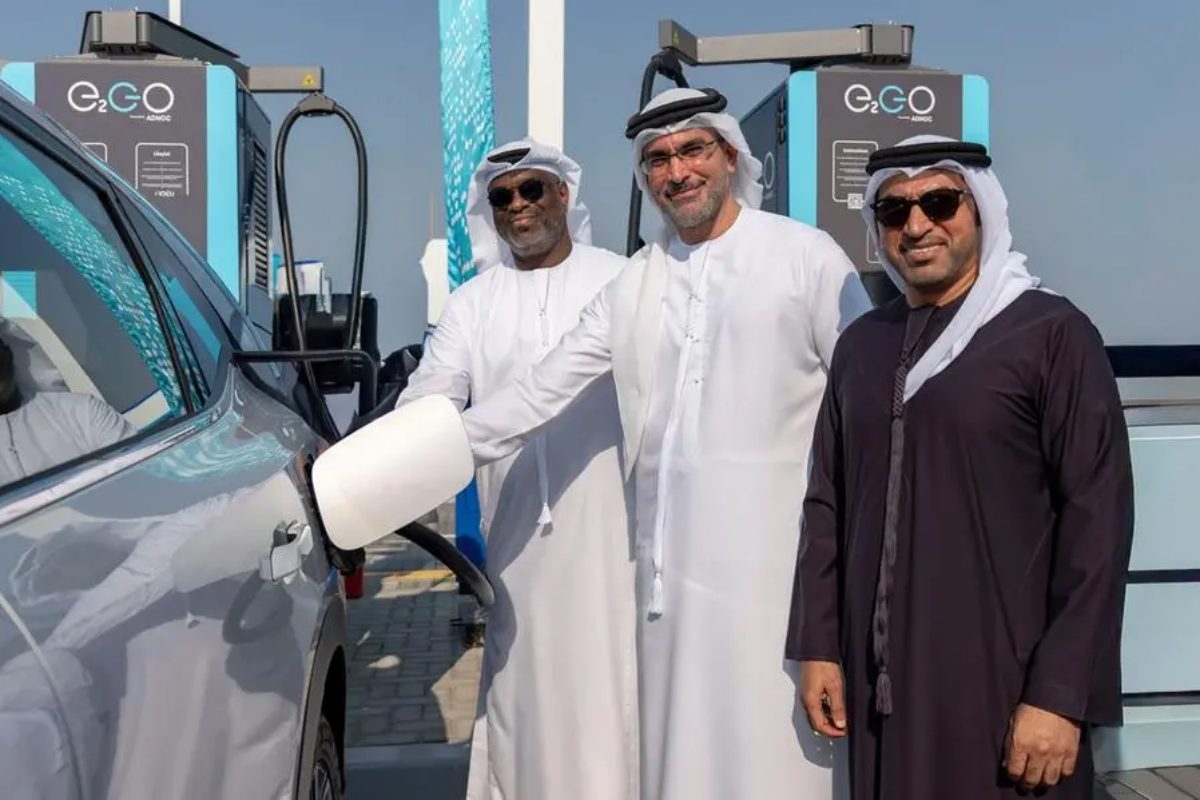
Launch marks a key point in Adnoc Distribution’s roadmap to electrify UAE highways, with 20 hubs expected to launch by the end of 2027 and 15 planned in 2026.
This year’s challenges aim to find companies that can improve infrastructure management, modernise data and update workflow for regional public transit agencies.
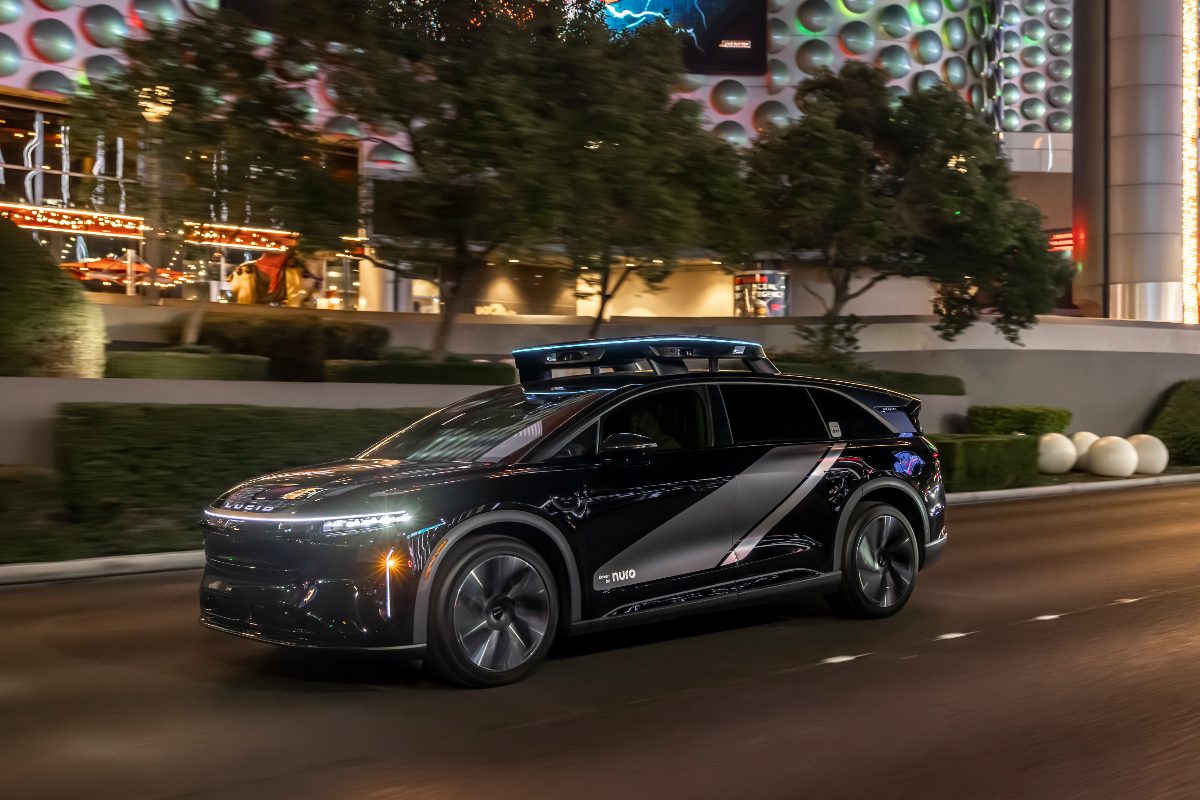
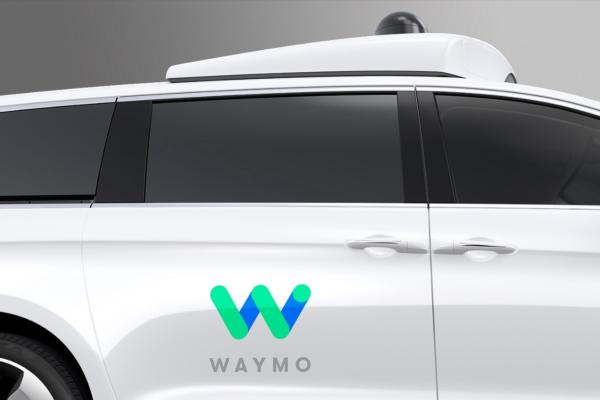
Autonomous on-road testing, led by Nuro, began in December last year, marking an important milestone in service validation and path to launch later in 2026.
It will be used in its Eyes on the Road project, which provides residents with 1,000 free high-res dash cameras to improve roadway conditions and safety.
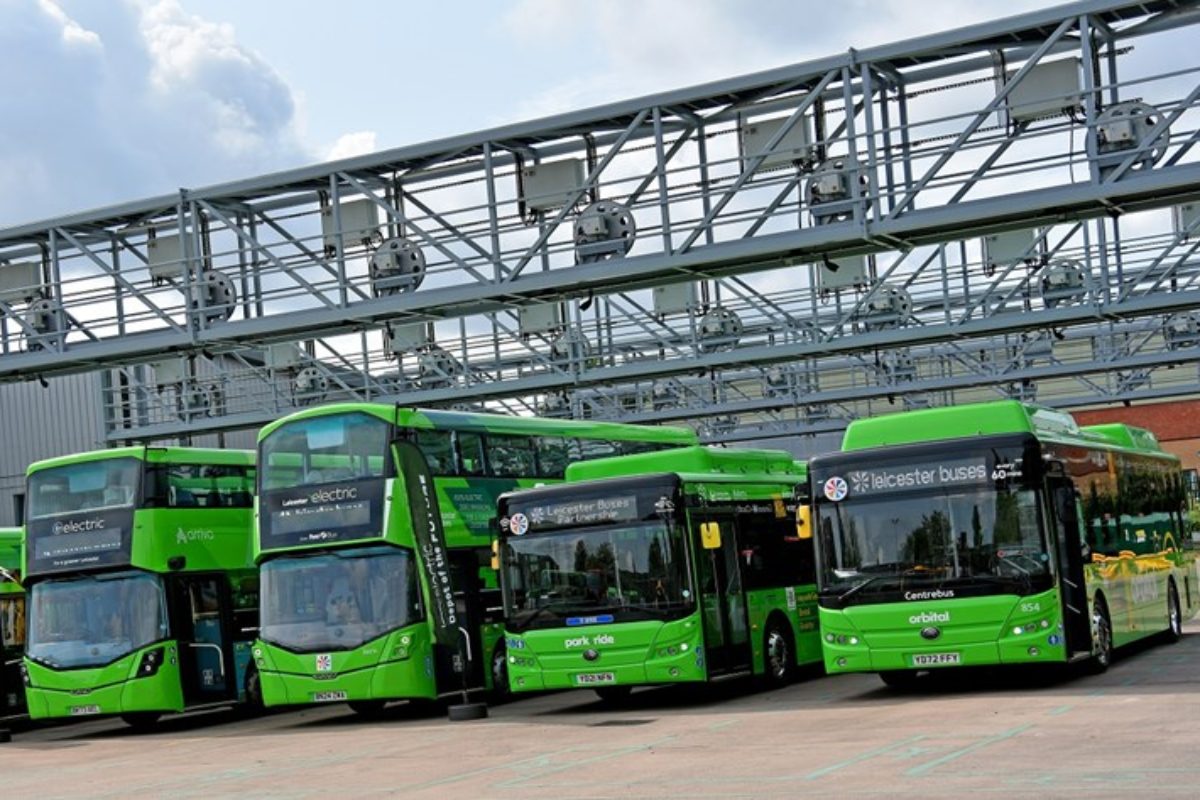
With 60 further e-buses coming on stream in September, Leicester will have a 240-strong fleet of zero emission, electric buses across the city network.
Riders in Central Ohio can now pay using contactless bank cards or mobile wallets, with fare-capping and account-linking ensuring the best fares for everyone.
With an ecosystem spanning areas like parking, service automation and access management, it aims to deliver a shift in how individuals interact with cities.
With this international launch, Naveo aims to reinforce its ambition to become a global reference for campus electric mobility, offering solutions that scale.
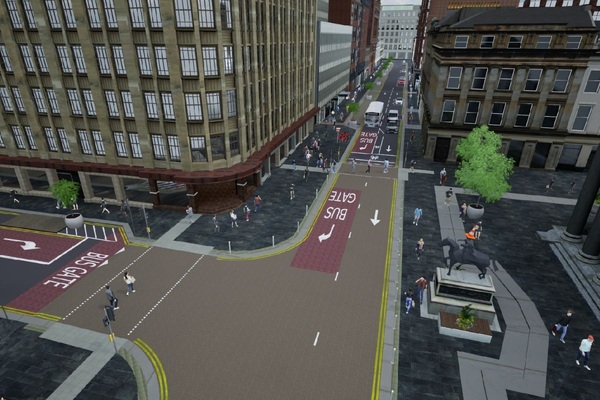
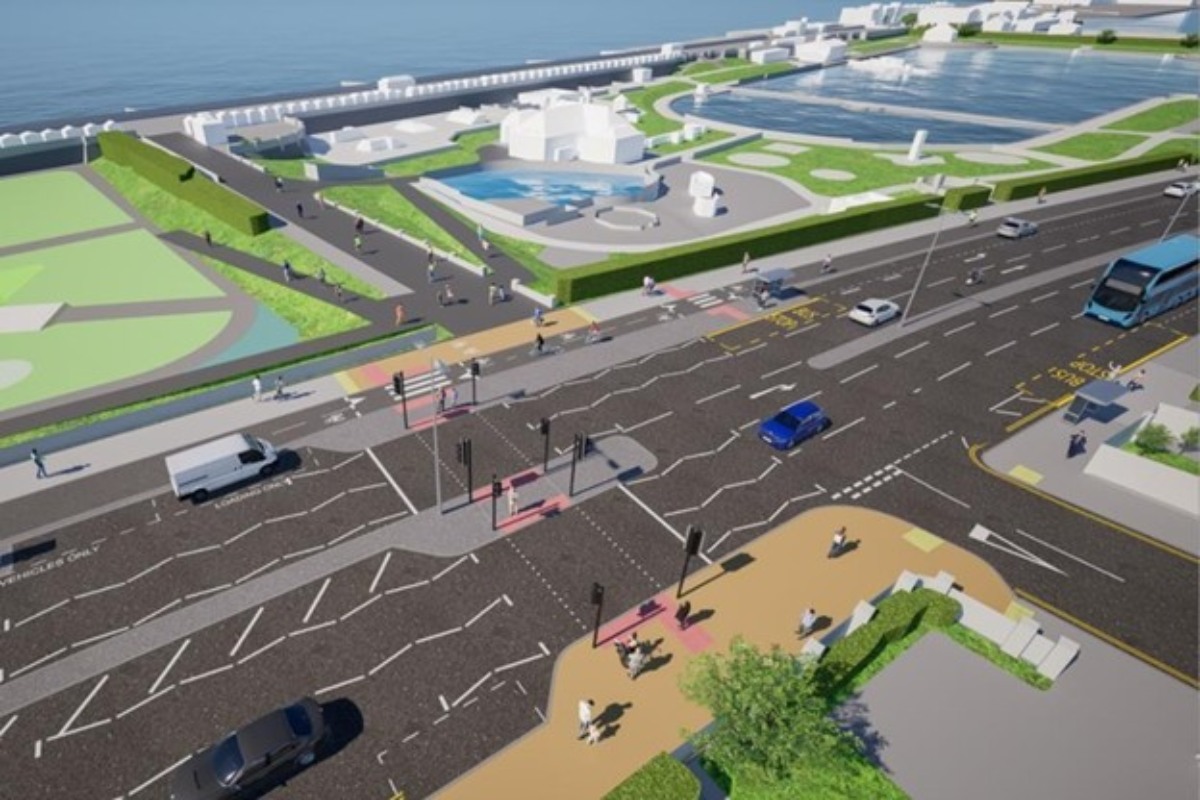
Work begins in February on a redesigned, fully accessible, step‑free junction where Queen Street meets Ingram Street with priority given to pedestrians.
Planned vertiports will be selected across Metropolis’ portfolio in early electric air taxi markets in the US and will utilise computer vision technology.
Companies from Incheon Free Economic Zone in South Korea have been recognised in the annual consumer electronics and IT exhibition awards in Las Vegas.
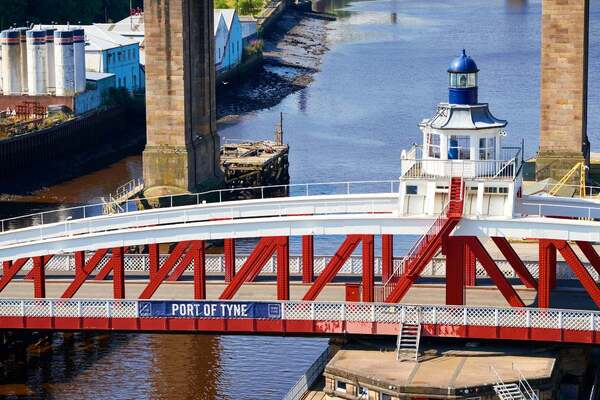
Private 5G solution supports real-time analytics, sensors, and connected equipment across the dynamic environment at one of the UK’s key deep-sea gateways.
The infrastructure will enable new applications for smart cities, mobility, IoT, and industry, ensuring interoperability, flexibility, and resource optimisation.
First responders need to have the knowledge and tools to safely interact with new and emerging technologies like AVs, especially when there is no driver.
Zweckverband Nahverkehr Westfalen-Lippe will deploy the second largest fleet of battery trains in Germany via a leasing model, starting in December 2029.
Trials fall under under White House’s eVTOL Integration Pilot Program, which is intended to bring together stakeholders to establish early eVTOL operations.
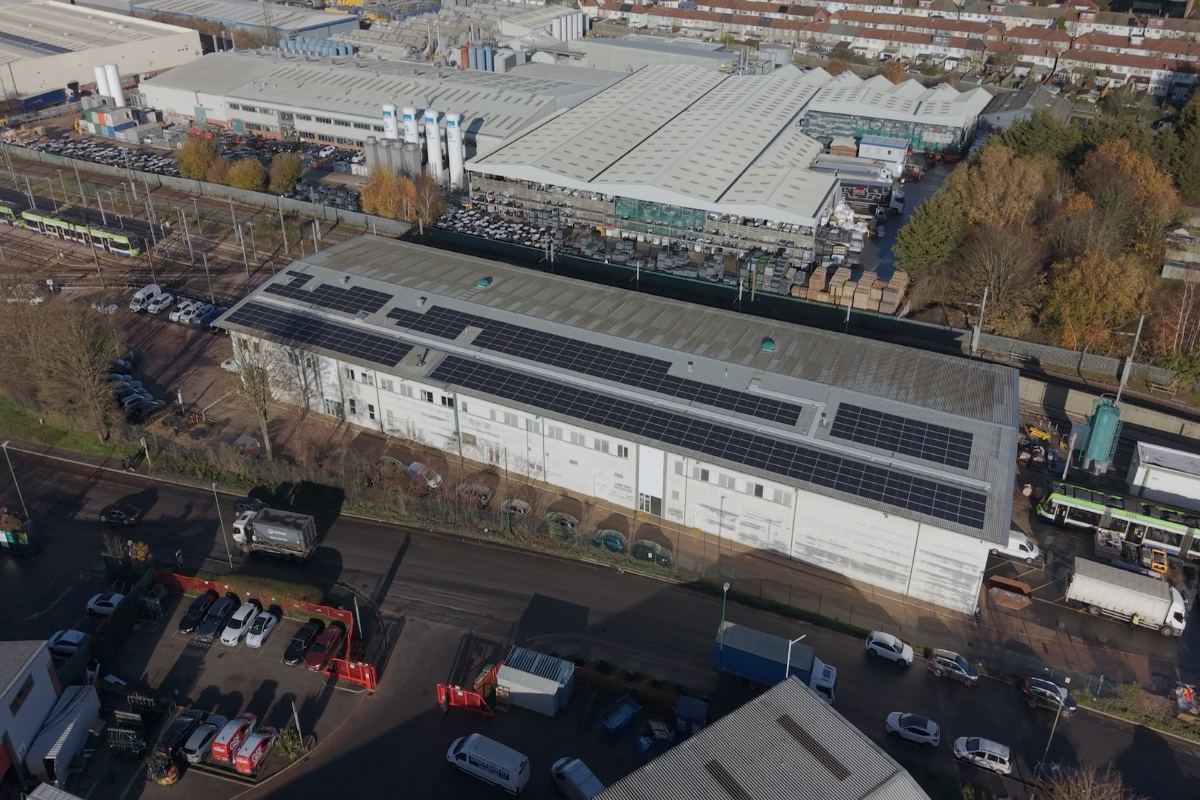
Sustainable transformation of the depot has seen a major upgrade to its heating and power system, improving energy efficiency and saving money in the long-term.
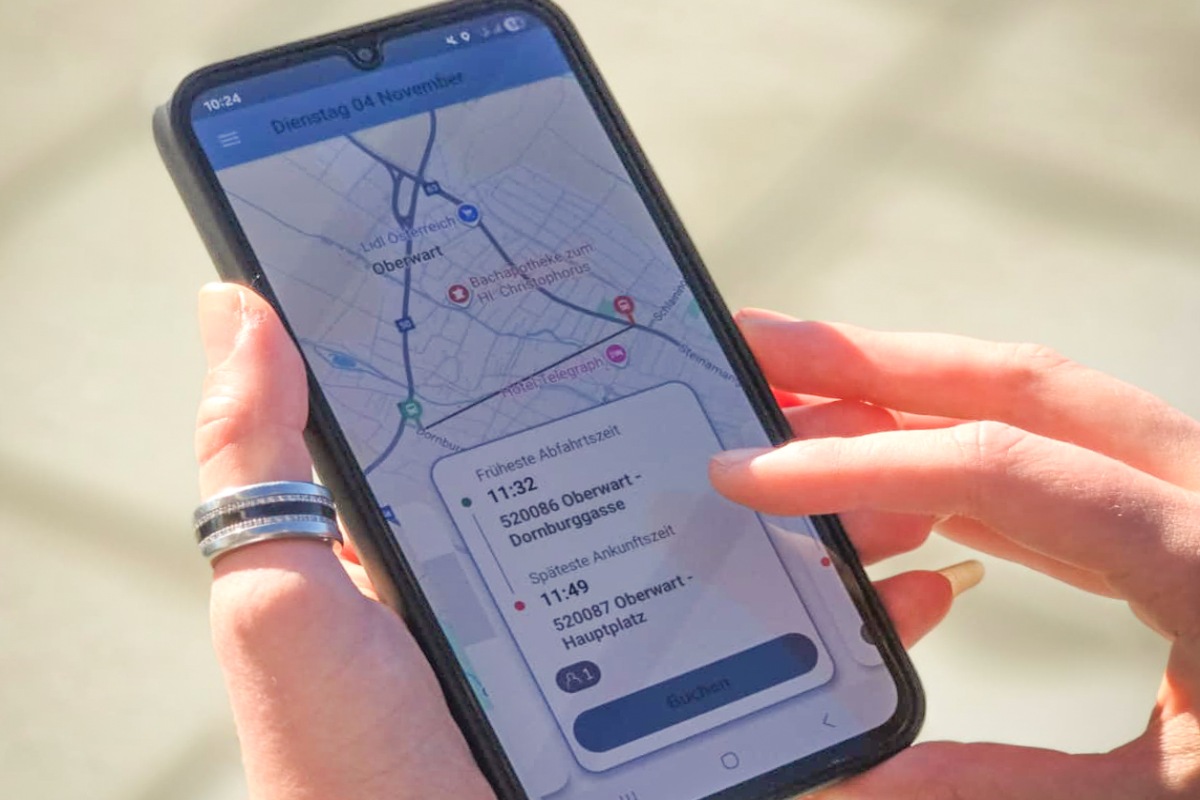
Burgenland Mobility is working with Siemens Mobility subsidiaries Hacon and Padam to make it easier to book services as part of its on-demand mobility project.
The city council is working with VivaCity to deploy five sensors along key points, capturing anonymised multimodal data on pedestrians, cyclists, and vehicles.
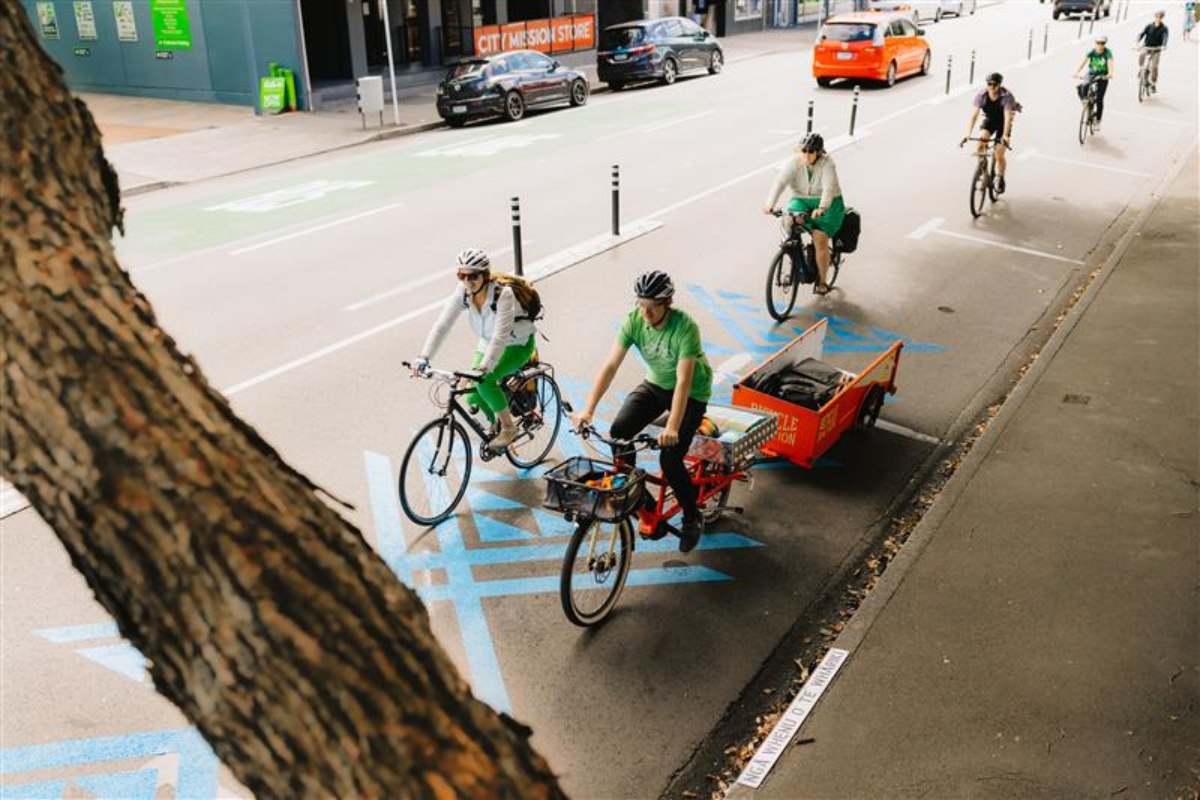
Daily counts are up across most routes, with increases of 11-87 per cent on new routes, contributing to an 18 per cent citywide increase in cycling since 2020.
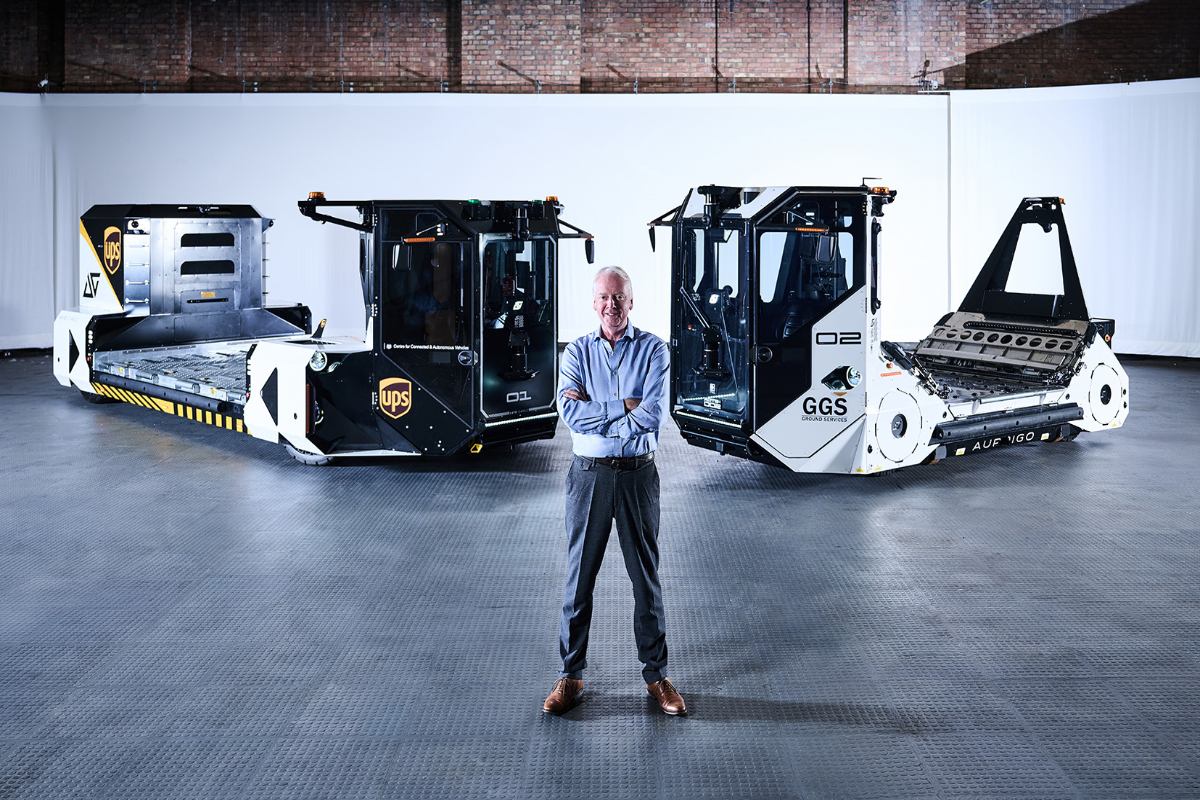
It is seeking local relationships, funding, operations and manufacturing support to bring solutions like Auto-Shuttle to more airports and ground handling operators.
The City is working with Gruppo Torinese Trasporti, Moovit and WeTechnology to enable riders to plan their journey and purchase travel tickets all in one app.
Air taxi network would connect Miami, West Palm Beach, Boca Raton and Fort Lauderdale, with safe, low-noise electric flights dramatically reducing travel times.
IVA for Trip Management enables paratransit and demand-response riders to check, change, or cancel trips using natural, conversational language without menus.
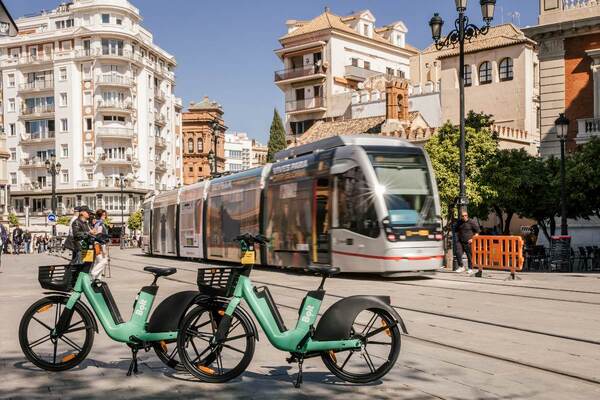
Preliminary report findings reveal how smarter rules in Hannover and visitor-led cycling in Seville are reshaping how Europeans move through their cities.
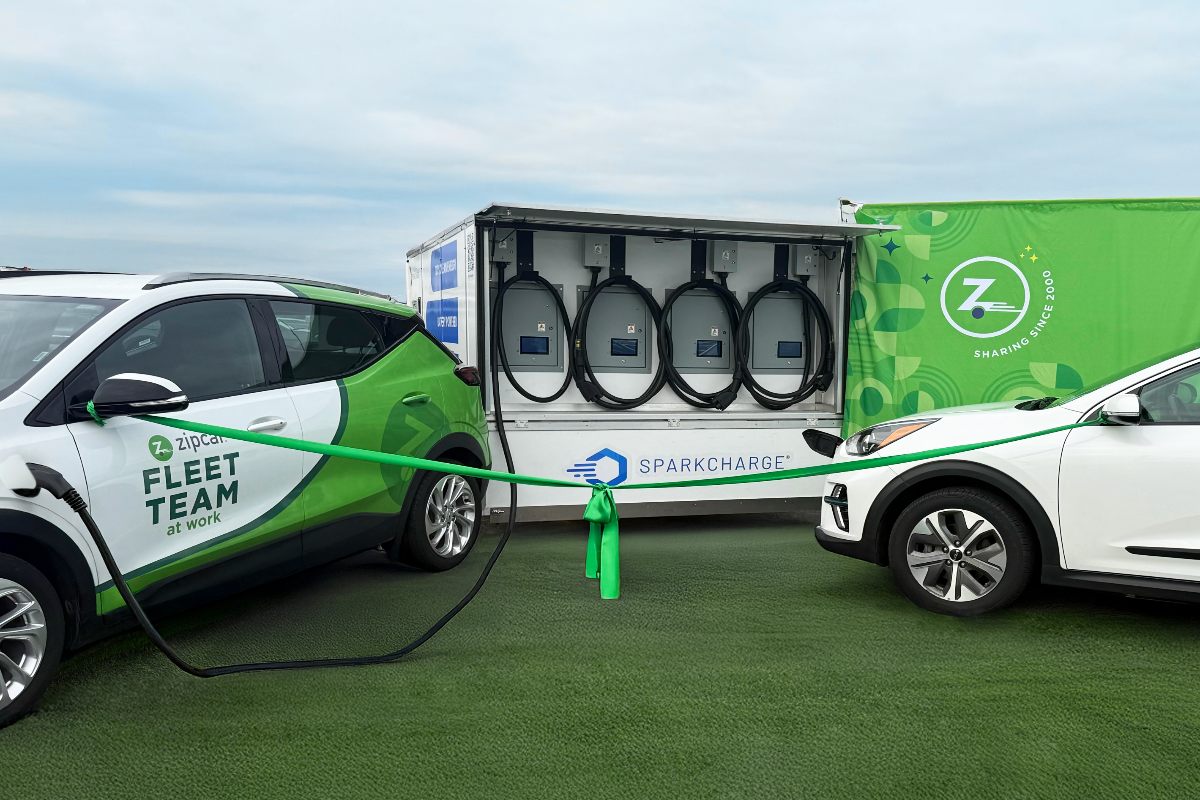
Located at Zipcar’s maintenance facility in East Boston, an Environmental Justice community, this project delivers scalable, equitable EV infrastructure.
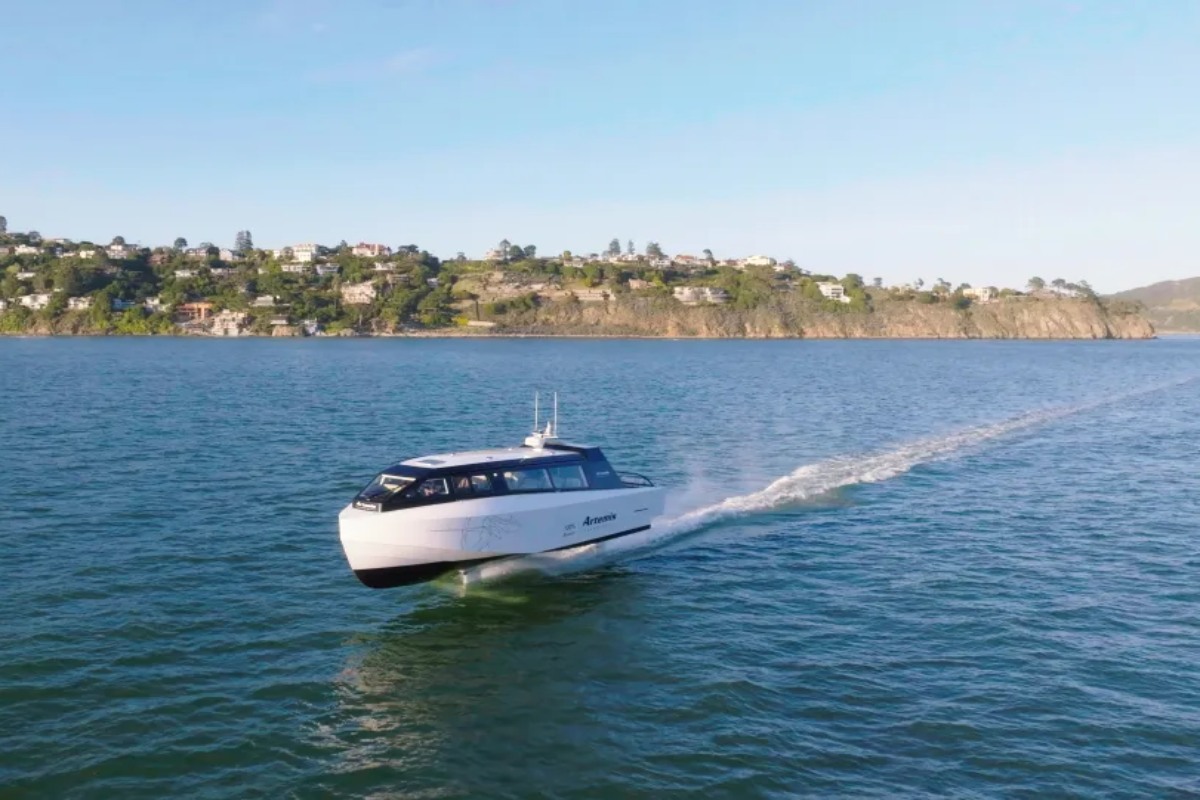
Prop Worldwide is partnering with Artemis Technologies to scale operations in waterway dependent communities that are often overlooked by larger ferry routes.
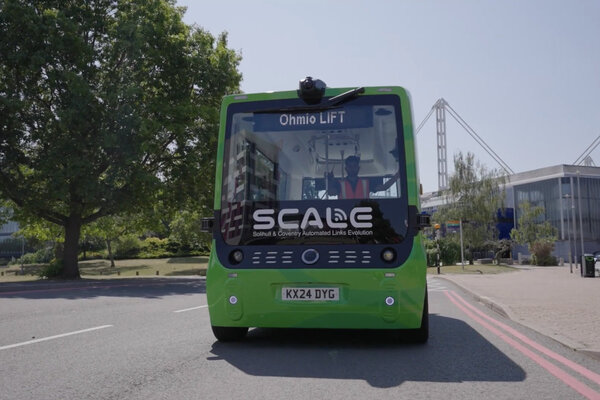
The win highlights the West Midlands’ leadership in real world CAM deployment and the project’s growing role in shaping the future of autonomous transport services in the UK.
The plan, shaped by input from nearly 3,000 residents, introduces new safety measures, updated crash data and coordinated actions across city departments.