











BUILD YOUR OWN
RESOURCE LIBRARY



Podcasts

Cities Thriving on Lighting, Episode 2 – Simplicity by design in smart lightingSponsored by Paradox Engineering
Cities Thriving on Lighting, Episode 1 – Lighting as the backbone of the smart citySponsored by Paradox Engineering
G7 Presidency places voice of cities among its priorities
Following recognition of the Urban7 as an official G7 Engagement Group, cities prepare to gather at the U7 International Mayors Summit in Nancy on 3-4 June.


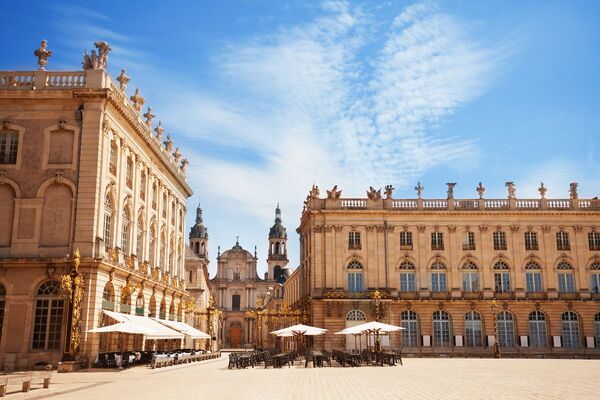
Place Stanislas and City Hall buildings in the French city of Nancy, which is hosting the Urban 7 International Mayors Summit in June
 At a glance
Who: France Urbaine; G7; Urban7; ICLEI – Local Governments for Sustainability; the Global Parliament of Mayors (GPM); U7 Secretariat; City of Nancy; Greater Nancy Metropolitan Authority.
What: The U7 International Mayors Summit in Nancy will see the adoption of the Nancy Declaration, a political roadmap handed over to the French G7 Presidency, ahead of the G7 Heads of State and Government Summit in Évian, France.
Why: For the first time in G7 history, Urban7 has been recognised as an official G7 Engagement Group.
When: The International Mayors’ Summit takes place in the French city of Nancy from 2 to 4 June 2026.
France Urbaine, the association of French metropolitan areas, large cities and inter-municipalities, the Urban7 Secretariat, the City of Nancy and the Greater Nancy Metropolitan Authority, have presented the direction and agenda of the U7 International Mayors Summit in Nancy, which will open with a session on resilient cities and democracies.
For the first time in G7 history, Urban7 has been recognised as an official G7 Engagement Group. The summit’s proceedings will result in the adoption of the Nancy Declaration, a political roadmap handed over to the French G7 Presidency immediately ahead of the G7 Heads of State and Government Summit in Évian, France, on 15–17 June 2026.
Cities are officially at the table
Urban7 brings together the national associations of cities from G7 countries, with the support of ICLEI – Local Governments for Sustainability and the Global Parliament of Mayors.
Its G7 recognition reflects a now widely shared conviction that today’s challenges of climate change, democratic resilience, social cohesion and territorial security cannot be overcome without the full, coordinated involvement of cities and local authorities.
“For the first time in G7 history, cities are officially at the table. We owe this to the French Presidency, which has placed the voice of cities among its priorities,” said Matthew Bach, director of Iclei Europe, and Rainer Kern, director of the Global Parliament of Mayors, co-directors of the Urban7 Secretariat.
“We also owe it to a long-term movement, carried for decades by visionary mayors from around the world. They have held the conviction that transformative change emerges from the level of government closest to the people.”
The theme of the opening plenary on 3 June, “Resilient Cities, Resilient Democracies”, frames the entire summit. In an international context marked by geopolitical tensions, climate emergency and democratic mistrust, resilience is built at the level of cities, where vulnerabilities, capacities for action and public innovation concentrate. In most G7 countries, mayors of major cities are, according to opinion surveys, the elected officials who enjoy the highest levels of citizen trust.
“For the first time in G7 history, cities are officially at the table. We owe this to the French Presidency, which has placed the voice of cities among its priorities”
Cities embody this resilience across three interconnected dimensions, which will be explored in depth during three thematic workshops on the afternoon of 3 June:
- Socio-economic resilience builds community cohesion and economic vitality, countering inequality and fostering inclusive growth where social fractures threaten stability. This workshop will be moderated by the OECD
- Environmental resilience drives the sustainable transformation of urban spaces, tackling climate vulnerabilities through green infrastructure, energy transitions and biodiversity protection. This workshop is co-led by ICLEI and the Fédération Nationale des Agences d’Urbanisme (FNAU)
- Democratic and institutional resilience strengthens governance, protects local elected officials under threat, and renews citizen trust through participatory innovation. This workshop will be co-led by France Urbaine, the German Marshall Fund of the United States, La 27e Région, and Sciences Po’s CrisisLab.
A dedicated workshop will also be held on the reconstruction and resilience of Ukrainian cities, with the participation of several Ukrainian mayors expected. The summit benefits from scientific coordination provided by the City Diplomacy Lab, led by the scholar Lorenzo Kihlgren Grandi.
The Nancy Declaration handover
The Nancy Declaration will be adopted and publicly signed on Thursday 4 June at 2pm, during the closing plenary, before being handed over to the French G7 Presidency.
Drawing directly from the summit’s discussions and outcomes, this Declaration will deliver concrete, operational recommendations to G7 leaders while offering a fresh urban perspective to enrich the French G7 Presidency’s ongoing work. Its strategic timing, 11 days before the G7 Heads of State and Government Summit in Évian, ensures cities’ frontline insights will to some extent make their way into high-level discussion.
“We also owe it to a long-term movement, carried for decades by visionary mayors from around the world. They have held the conviction that transformative change emerges from the level of government closest to the people”
More than 200 participants are expected in Nancy, including mayors from more than 15 countries − representing G7 nations, Nancy’s twin cities, G7 outreach countries (Kenya, Brazil, India and South Korea), Ukraine, as well as cities specifically invited for their expertise on the Summit’s key themes. High-level institutional and academic representatives have also been associated to ensure substantive exchanges, with several G7 ministers also expected to attend.
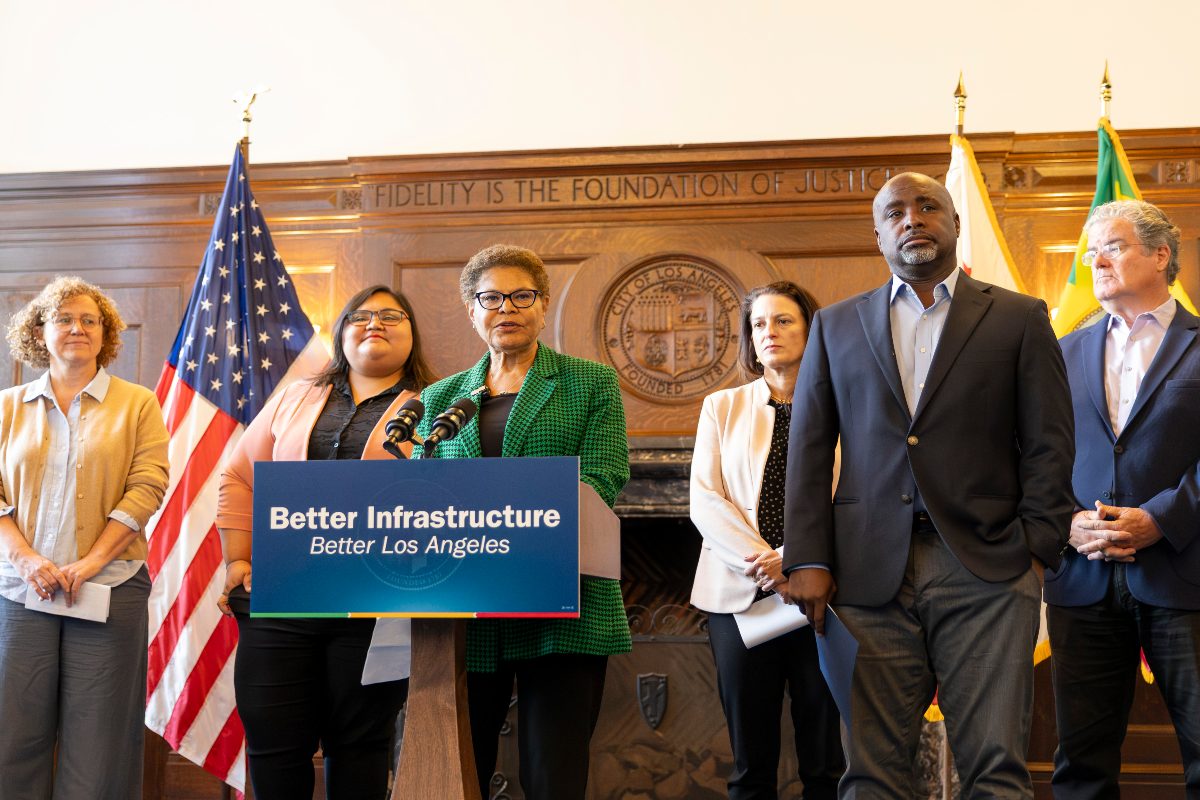
Key figures include Eckart Würzner (mayor of Heidelberg, Germany, and head of the German delegation to the u7 Summit), Kizo Hisamoto (mayor of Kobe, Japan, and head of the Japanese delegation), Serhii Morhunov (Vinnytsia, Ukraine, twin city of Nancy since 2023), Dilpreet Sidhu (deputy mayor of Los Angeles, United States), alongside the president of France Urbaine and Mathieu Klein (Nancy).
“Welcoming the mayors of the largest G7 cities is both an honour and a responsibility, reflecting Nancy’s international standing,” said Mathieu Klein, mayor of Nancy and president of the Greater Nancy Metropolitan Area, host of the Summit. “This diplomatic gathering, just one year after hosting the signing of the Franco-Polish Friendship Treaty in 2025, also demonstrates the collective mobilisation of the entire territory − including its cultural, economic and academic stakeholders − to showcase its expertise and openness to the world.”
To find out the full agenda, go to U7 Mayors’ Summit.
Why not try these links to see what our SmartCitiesWorld AI can tell you.
(Please note this is an experimental service)
How can G7 integrate Nancy Declaration recommendations into national climate policies?How should cities measure socio-economic resilience progress after U7 workshop?Which governance mechanisms effectively protect threatened local elected officials?How can urban green infrastructure accelerate cities' energy transition and biodiversity protection?How can reconstruction strategies bolster resilience in Ukrainian cities post-conflict? Previous: SmartCitiesWorld City Profile – London
climate actionClimate change/ResilienceEnergy & EnvironmentGovernance and CitizenNancyPolicy Makingresilience
Latest City Profile
SmartCitiesWorld Newsletters (Daily/Weekly)
You may also like these related articles...
BECOME A MEMBER
© 2026 SmartCitiesWorld
Smart Cities World Ltd, 37 Lombard Street, London, EC3V 9BQ