




















BUILD YOUR OWN
RESOURCE LIBRARY



Podcasts

Cities Thriving on Lighting, Episode 2 – Simplicity by design in smart lightingSponsored by Paradox Engineering

Cities Thriving on Lighting, Episode 1 – Lighting as the backbone of the smart citySponsored by Paradox Engineering
UK awards almost £50m to advanced air mobility sector
Government investment aims to support regulatory, digital and security foundations to bring drones and AAM, such as electric flying taxis, to UK skies faster.


 At a glance
Who: UK Government; Civil Aviation Authority (CAA).
What: The UK Government is awarding almost £50m to unlock growth in the drone and advanced air mobility sector.
Why: To cut red tape and support the regulatory, digital and security foundations needed to bring drones and advanced air mobility – such as electric flying taxis – into more routine use across the UK.
When: The announcement was made on 5 May 2026.
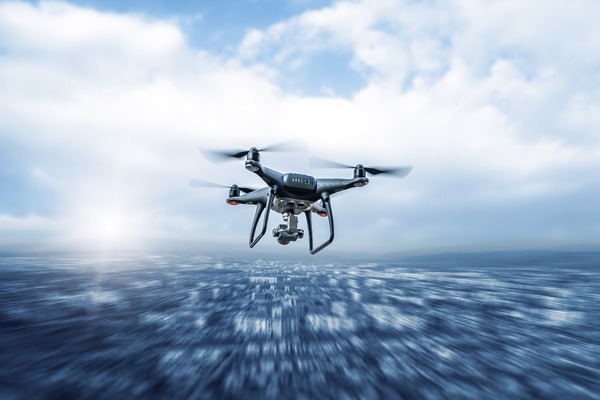
The UK Government is awarding almost £50m to unlock growth in the drone and advanced air mobility sector.
As part of the investment, £26m will be used to support British jobs, innovation, and long-term economic growth to bring drones and air taxis to UK skies faster.
Supporting electric flying taxis
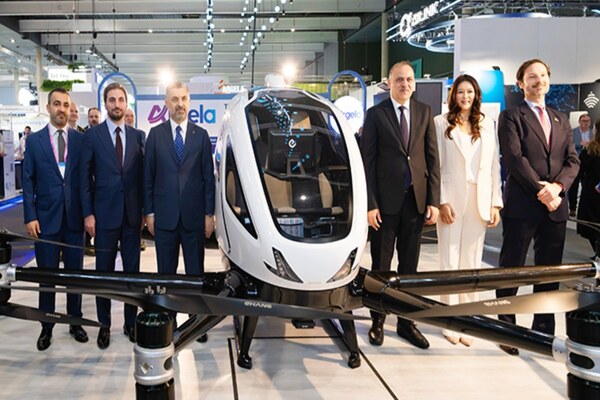
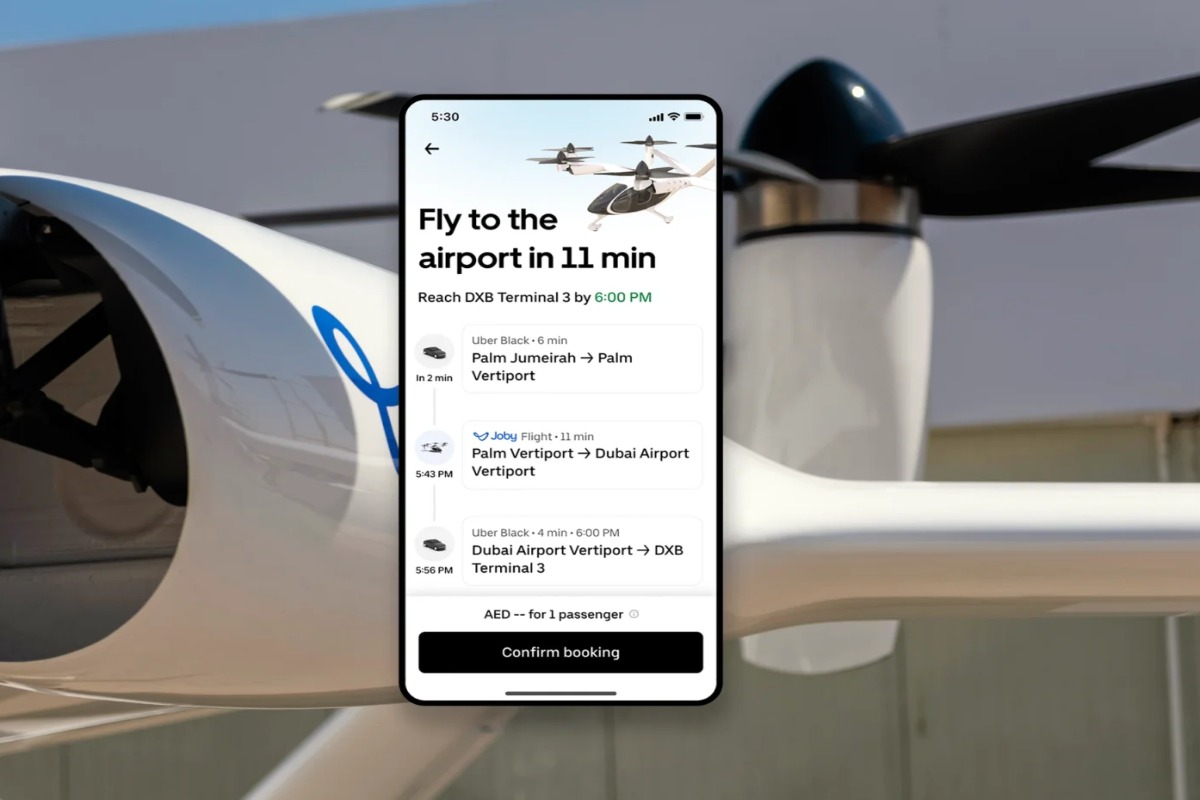
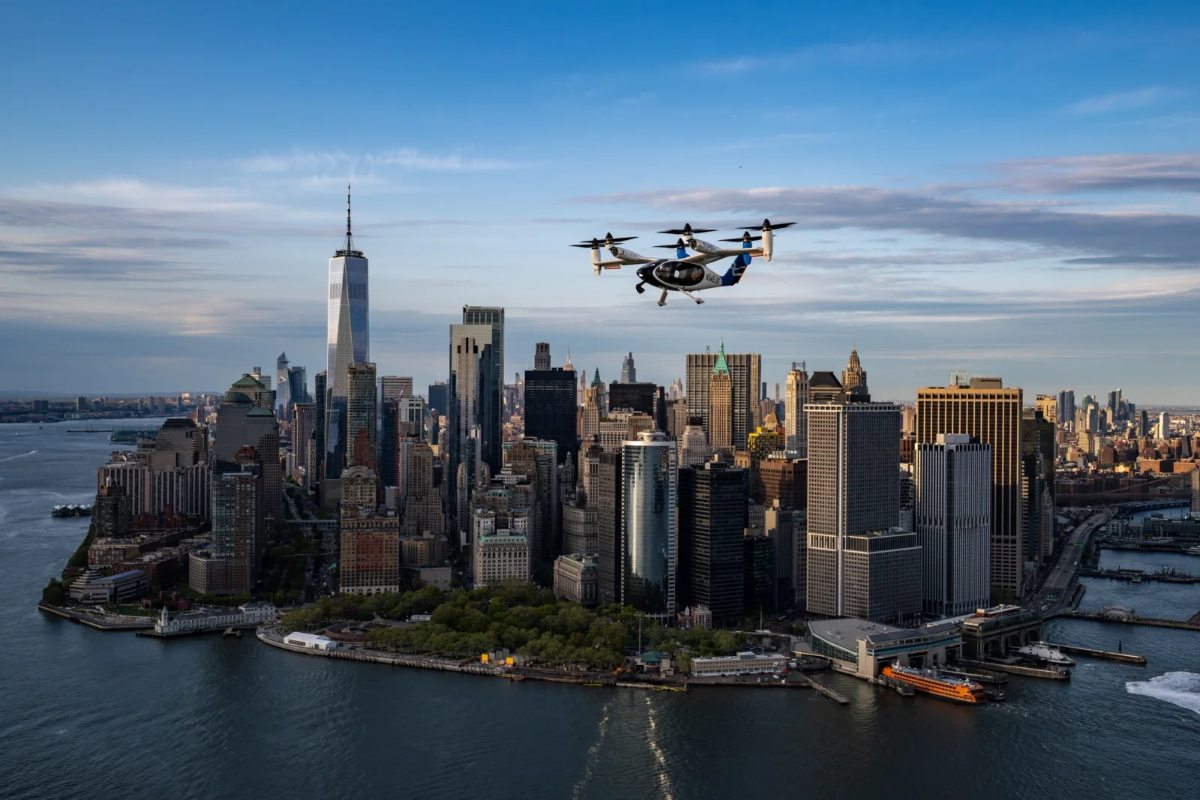
Delivered through the Civil Aviation Authority (CAA), the funding aims to cut red tape and support the regulatory, digital and security foundations needed to bring drones and advanced air mobility – such as electric flying taxis – into more routine use across the UK.
Part of the £46.5m investment will also see a crackdown on “faceless” drones, which can be used in suspicious or illegal activity, through the first bespoke drone numberplate identity system. The measures will make it easier for police to identify illegal or nuisance users and clear the way for legitimate drone operators.
“This funding will create a numberplate system for the skies”
“We’re backing the next generation of British aviation innovators with nearly £50m to drive drone regulation reforms, and unlock barriers to growth that will create jobs, lower emissions, and further the UK’s world-leading aviation reputation,” said aviation, maritime and decarbonisation minister, Keir Mather.
“Innovation must go hand-in-hand with strong security – that’s why over half of our investment will develop a new ID system to track drones in real-time, supporting emergency services and building public confidence in an industry that could be worth up to £103bn by 2050.”
Hybrid Remote ID works by sending out the drone’s ID and location during flight so nearby devices can pick it up, sharing flight details through a secure online system that authorised people can access even when they’re not nearby and recording historic data.
Read More
“This funding will create a numberplate system for the skies,” said security minister Dan Jarvis. “Law enforcement will be able to identify and take action against those who break the law, taking drones out of the sky, and protecting the public.”
The £26.5m that is being used to to drive smarter regulation and cut red tape aims to make it easier for drones to be used in everyday public services, and drive economic growth across the UK.
This includes speeding up approvals for drone operations for emergency responses, medical logistics and infrastructure inspection, driving forward regulation to get flying taxis in the sky from 2028. Drone operators will also benefit from a streamlined digital application process, reducing the time required to navigate regulation and prepare applications.
Foundations for commercial operation
The announcement is part of the UK Government’s broader ambition to maintain and expand the country’s position as an aviation superpower – including work to strengthen UK research and innovation, ensuring high-growth sectors such as robotics and artificial intelligence (AI) have the support they need to grow. This follows other commitments to accelerate airspace modernisation, invest £2.3bn in the development of green aircraft, and provide £63m support for sustainable aviation fuel.
“Our work going on right now is laying the foundations for commercial operation in the future, unlocking routine drone deliveries, long-range inspections and hospital logistics,” said Sophie O’Sullivan, director future safety and innovation at the UK Civil Aviation Authority.
“This vital funding supports the next generation of aerospace, strengthening safety and bringing economic growth for the UK.”
The investment has been welcomed by the industry. Stuart Simpson, CEO of Vertical Aerospace, whose electric vertical take-off and landing (eVTOL) vehicle completed a two-way piloted transition – switching from helicopter mode to airplane mode and back again – under civil aviation Design Organisation Approval regulatory oversight, in April, said: “This is a welcome investment in the sector by the Government. To lead in advanced air mobility requires a regulatory system that can move at pace while maintaining the highest safety standards. The UK’s CAA has been a serious and constructive partner.
“Targeted investment alongside practical regulatory reform is exactly what is needed to unlock real world operations at scale”
“This investment is a further step towards positioning the UK at the leading edge of the eVTOL sector moves towards commercial operations.”
Stephen Wright, chairman and founder of Windracers, which specialises in areas like autonomous cargo solutions and delivering critical services, added: “This is a significant step forward for the UK’s drone and advanced air mobility sector. Targeted investment alongside practical regulatory reform is exactly what is needed to unlock real world operations at scale.
"At Windracers, we see first-hand how autonomous aviation can strengthen supply chains, support critical services and operate reliably in some of the most challenging environments.
"We are proud to work alongside the Department for Transport and the Civil Aviation Authority as a trusted partner, helping to shape a regulatory environment that supports UK innovation while maintaining the highest standards of safety.”
Why not try these links to see what our SmartCitiesWorld AI can tell you.
(Please note this is an experimental service)
How does Hybrid Remote ID enable real-time drone identification and tracking?What regulatory changes will accelerate eVTOL commercial flights by 2028?How will streamlined digital applications reduce operator approval times?In what ways will drones improve emergency medical logistics and response?How will the drone numberplate system help law enforcement and public safety?Latest City Profile
SmartCitiesWorld Newsletters (Daily/Weekly)
You may also like these related articles...
BECOME A MEMBER
© 2026 SmartCitiesWorld
Smart Cities World Ltd, 37 Lombard Street, London, EC3V 9BQ