
















BUILD YOUR OWN
RESOURCE LIBRARY



Podcasts

Cities Thriving on Lighting, Episode 2 – Simplicity by design in smart lightingSponsored by Paradox Engineering
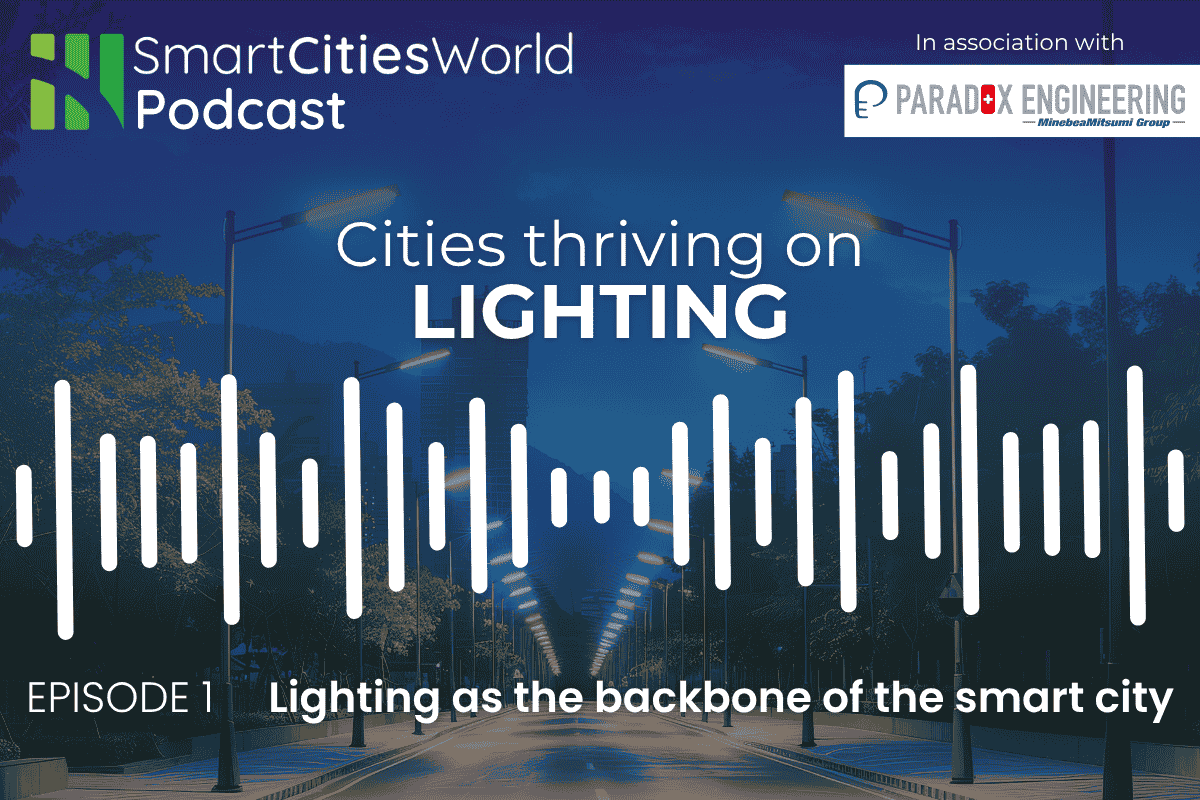
Cities Thriving on Lighting, Episode 1 – Lighting as the backbone of the smart citySponsored by Paradox Engineering
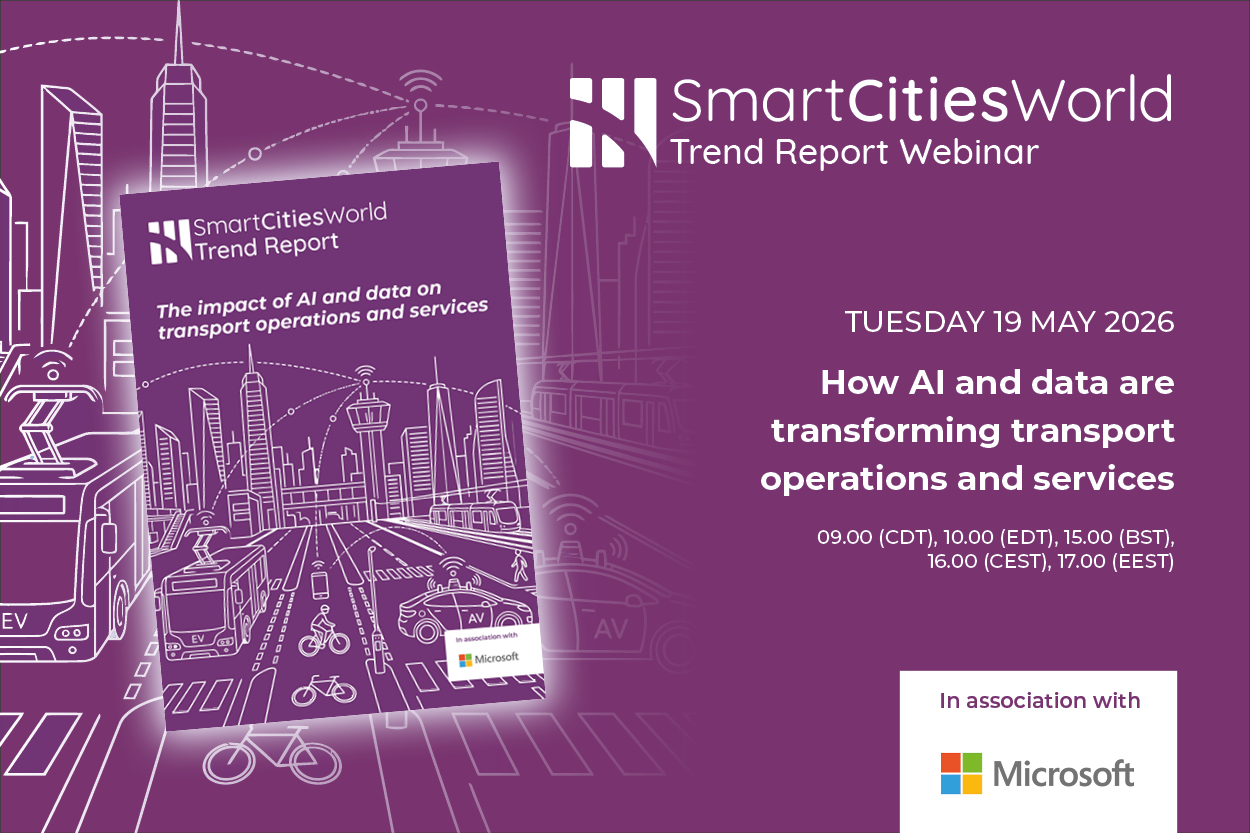
Trend Report Webinar: How AI and data are transforming transport operations and services
On-Demand Webinars20 May 2026
Explore how data and AI are being used in urban transport networks to support planning, day-to-day operations, and improve outcomes for communities and passengers.


Date recorded: Tuesday 19 May 2026
Length: 60 minutes + Q&A
Transport systems are entering a new era. Across cities and regions, advances in AI and data are enabling a shift from static, fragmented infrastructure to intelligent, connected networks that can respond to demand in real time, optimise performance, and deliver more seamless user experiences.
In this webinar, supported by Microsoft, we explore how transport authorities and operators are using data and AI to transform both planning and day-to-day operations. From managing congestion and improving air quality, to enhancing asset utilisation and enabling more reliable multimodal journeys, the potential impact is significant – but so are the challenges.
A key focus of the discussion will be how cities and transport organisations can overcome fragmented data landscapes. Many transport systems still operate across disconnected platforms and agencies, limiting visibility and slowing innovation. We’ll examine how approaches such as shared data services, common platforms, and stronger governance frameworks can help unlock the full value of AI across entire transport networks.
Our panel of experts share real-world insights and practical examples, including how cities are:
- Using real-time data to actively manage traffic and improve service reliability
- Applying AI to optimise infrastructure and reduce operational costs
- Coordinating across modes and operators to support seamless journeys
- Scaling from pilot projects to network-wide transformation
We also look ahead to the future of transport, where AI systems increasingly act as operational partners – supporting decision-making, automating processes, and enabling more adaptive, resilient mobility ecosystems.
Whether you’re a transport leader, policymaker, or technology partner, this session will provide valuable perspectives on how to move from experimentation to impact.
Speakers
|
|
Carme Fabregas CTO and Innovation Officer, ATM Barcelona
Carme Fabregas is the CTO and Innovation Officer at the Metropolitan Transport Authority of the Barcelona Area (ATM). With over two decades of experience in the public transport sector she has been serving in different areas of competence and responsibility mainly involving the fields of ticketing and fare management, automated monitoring systems AVL and real-time data information systems. At present she is mainly committed to the digital transformation strategy development which involves fostering a transformational cultural change by facilitating the expansion of transport into sustainable MaaS. Participant to several international cutting edge organisations, among which the MaaSAlliance and the Smart Ticketing Alliance (STA) being most relevant by having been honored a seat at BoD. In the academic field she is a lecturer and member of staff of the postgraduate course “Smart Mobility: Intelligent Transport Systems at UPC School of Professional & Executive Development in Barcelona.
|
|
|
|
Katherine Flesh Director of Transportation, Cities & Infrastructure Industry, Americas Microsoft
Katherine Flesh is Director, Transportation & Critical Infrastructure, Americas at Microsoft where her transportation expertise helps public sector organisations use AI and cloud technology to advance safer, more resilient, and more efficient transportation systems. She brings 25+ years of experience in modernising infrastructure, improving operational performance, and guiding digital transformation across transportation, state and local government and AEC firms. |
|
 |
Luke Antoniou SmartCitiesWorld
Luke has been reporting on the implementation of smart technologies that benefit citizens and the public sector since 2017.
He has a particularly keen interest in smart and sustainable mobility and its role in influencing the decisions of urban planners, citizens and governments alike.
As rapid urbanisation continues, he keeps his finger on the pulse of the myriad urban challenges facing local and central governments, making new connections in the public and private sectors and finding new angles from which to cover the latest smart city developments around the world. |
In association with:

You may also be interested in...
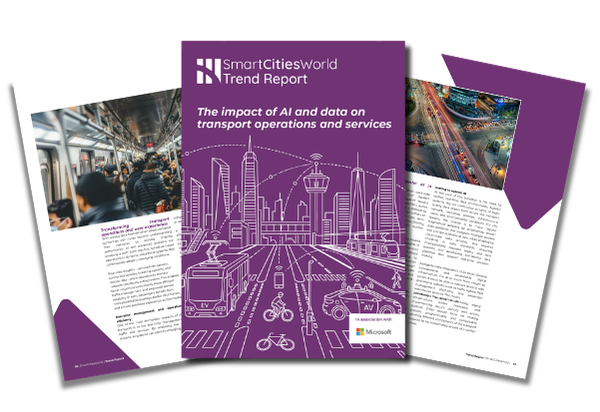
We’ve produced an accompanying comprehensive trend report for this session on ’The impact of AI and data on transportation operations and services’. Delve into how cities are addressing the challenges of building intelligent transport systems and using AI and data to transform operations and user experience.
With real-world examples from cities around the world, download this report to gain practical insights into how to harness the potential of AI and data to build more intelligent, dynamic, customer-focused transport systems.
Why not try these links to see what our SmartCitiesWorld AI can tell you.
(Please note this is an experimental service)
How can shared data platforms overcome fragmented transport data landscapes?How can real-time data and AI reduce urban congestion and emissions?How to scale successful AI transport pilots to full network deployment?How can AI coordinate multimodal operators for seamless passenger journeys?How should governance frameworks ensure ethical, inclusive AI-driven transport decisions?AI and Machine LearningAI CityXchange - FeaturedAI CityXchange - Industry Insightscitizen engagementcongestionConnectivity & Datadigital inclusioneconomic developmentEditor's pickGovernance and CitizeninclusivitymobilityPeople and SkillsRailRoadTransport hubs
Latest City Profile
SmartCitiesWorld Newsletters (Daily/Weekly)
You may also like these related articles...
BECOME A MEMBER
© 2026 SmartCitiesWorld
Smart Cities World Ltd, 37 Lombard Street, London, EC3V 9BQ