









BUILD YOUR OWN
RESOURCE LIBRARY



Opinions

Closing the intelligence gap: how cities turn AI experiments into operational impactSponsored by Microsoft

How AI will define cities and mobility in 2026Sponsored by ST Engineering
Three cities chosen for Sustainable Cities Challenge
Goal of the $9m Toyota Mobility Foundation initiative is to help cities accelerate towards sustainable mobility, fostering healthier and safer urban environments.


The Italian city of Venice, US city of Detroit and Indian city of Varanasi have been selected to host innovation challenges as part of the Toyota Mobility Foundation’s Sustainable Cities Challenge.
The cities were chosen from a shortlist of 10 cities announced in November 2023. Over 150 cities from 46 countries entered the challenge.
Creating a mobile society
The Toyota Mobility Foundation was established in August 2014 by the Toyota Motor Corporation to support the development of a more mobile society “in which everyone can move freely”. As well as the Foundation, Venice, Detroit and Varanasi will work with Challenge Works, which designs and delivers open innovation challenges, and the global research organisation, World Resources Institute, to design local open innovation challenges tailored to their respective mobility needs.
The goal of the $9m global initiative is to help cities accelerate toward sustainable mobility, fostering healthier and safer urban environments while enhancing people’s ability to commute, work, study, and access services.
The City Challenges will be launched for innovator entry over the next two months, inviting global innovators to access a share of $3m in funding per city to demonstrate their solutions.
Innovators from across the globe with solutions ready to be tested are invited to respond to the specific issues. The innovative solutions that best meet the needs of the city (or the criteria for the City Challenges), will be selected to be supported. Together, the cities and selected innovators will test, further develop and deploy solutions using real-world data, with access to transportation departments and infrastructure.
Host cities and their challenges
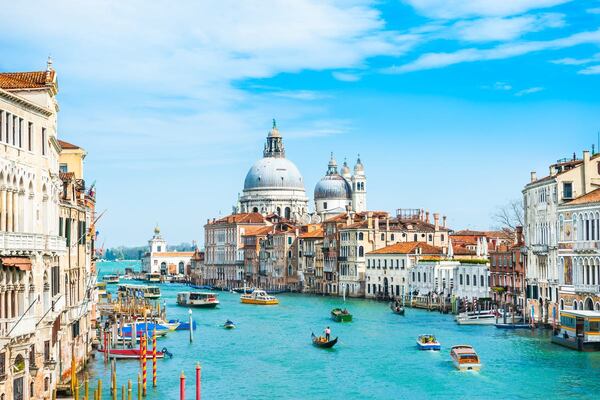
Venice, Veneto, Italy – launching 11 June 2024. Venice is often pictured solely as a historic city famous for its intricate network of canals. Nevertheless, the majority of the population lives and works in the mainland suburbs such as Mestre, Marghera and other motorised islands, which serve as a crucial transportation hub connecting Venice to the mainland and beyond.
With a mobility landscape that is truly multimodal, including land and water transport, the city has invested significantly in sustainable mobility infrastructure and services. In the Venice City Challenge, the city seeks innovative solutions that shift behaviour, encouraging an increased use and adoption of existing sustainable transport modes.
“Our aspiration is that the ideas generated can serve as models for global replication, creating a ripple effect that positively transforms urban experiences worldwide”
Morris Ceron, director general at the City of Venice, said: “Participating in this international-level Challenge will allow us to enhance the actions already put in place, such as the significant extension of the bike lane network, implementing hydrogen and electric local public transport, introducing bike-sharing and car-sharing services, setting up the "smart control room" for more orderly flow management, as well as offering new stimuli on how citizens, with their own behaviour, can be protagonists of this change.”
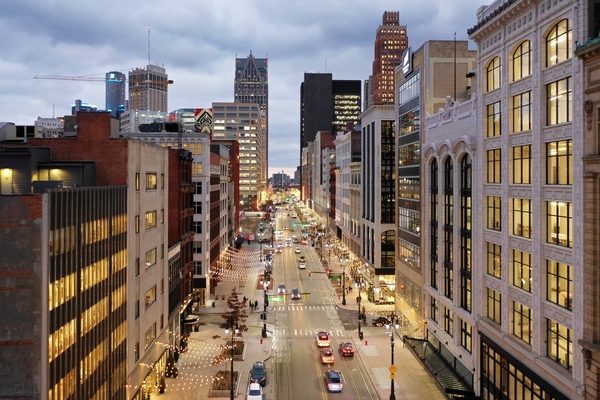
Detroit, Michigan, USA – launching on 29 May 2024. Known worldwide as the ‘Motor City,’ Detroit is working to show the world that sustainable mobility is part of what makes this ‘Motor’ move by seeking innovators who can help the City deploy clean and cost-effective mobility solutions as part of this transition.
The Challenge is focused on Eastern Market, the nation’s largest food production and distribution centre, where a growing residential and commercial presence means that the City wants to explore solutions that help preserve the health and wellbeing of the Eastern Market community as it carries through with expansion plans. More specifically, the Detroit City Challenge will seek solutions that reduce fossil fuel use and cut costs of freight operations in the Eastern Market, by increasing efficiencies and unlocking opportunities for clean freight technologies.
Read More
Tim Slusser, chief of the City of Detroit’s Office of Mobility Innovation, said: “As Detroit continues to grow, we want to learn how to address the ways that freight and industry can be more sustainable, while also supporting the economy in thriving areas such as our Eastern Market – especially in very cold conditions. We look forward to building out the groundwork for this project and what the next stage brings.”
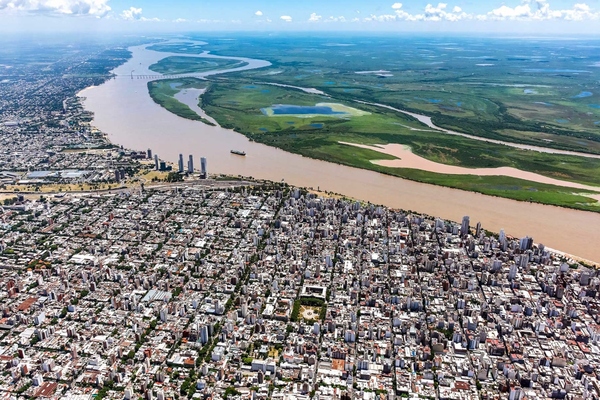
Varanasi, Uttar Pradesh, India – launching in late June 2024. Varanasi is located on the banks of the Ganges River in northern India and is regarded as the “spiritual capital” of India. A revered pilgrimage destination, the city sees visitors from across India as well as abroad. This influx of visitors, while vital to strengthening the city’s tapestry of faith and culture, is leading to increased concerns about safety and crowding.
The Varanasi City Challenge aims to generate innovative, data-driven solutions incorporating elements of technology and design that make crowded areas of Varanasi’s old city (Kashi) safer and more accessible for religious tourists and local residents alike, including vulnerable members of the population.
Akshat Verma, IAS, municipal commissioner/chief executive officer, Varanasi Municipal Corporation/Varanasi Smart City, said: “This initiative offers us a valuable chance to explore technical and design-related avenues for enhancing mobility within our city, benefiting both our residents and the growing influx of tourists. By collaborating with innovative minds, we aim to bolster Varanasi’s reputation as a premier global tourist destination. We eagerly anticipate the opportunity to work closely with TMF, their partners, and experts to achieve this goal.”
Sustainable mobility challenges
The three City Challenges will focus on different areas of sustainable mobility relevant to their specific context, spanning the expansion of access to safe, affordable, and inclusive modes of transportation. Potential solutions could harness the power of data to create connected and resilient mobility or ecosystems or reduce environmental impact through low-carbon and renewable solutions.
As well as finalising their challenges with Toyota Mobility Foundation, Challenge Works and World Resources Institute, the cities have been consulting with local organisations and wider stakeholders to inform the design of their respective challenges.
“This initiative offers us a valuable chance to explore technical and design-related avenues for enhancing mobility within our city, benefiting both our residents and the growing influx of tourists”
“We are committed to advancing sustainable urban mobility and believe in its power to positively impact individuals and communities,” said Monica Perez Lobo, director at Toyota Mobility Foundation Europe.
“The Sustainable Cities Challenge will provide cities like Venice, Detroit and Varanasi with a platform to explore innovative solutions. Our aspiration is that the ideas generated can serve as models for global replication, creating a ripple effect that positively transforms urban experiences worldwide. Together, we aim to formulate Challenges that will inspire innovators globally to contribute with transformative solutions to help cities to define and address their unique mobility barriers with fresh perspectives.”
Why not try these links to see what our SmartCitiesWorld AI can tell you.
(Please note this is an experimental service)
How can multimodal transport improve sustainable mobility in Venice?What clean freight technologies can reduce fossil fuel use in Detroit?How might data-driven solutions enhance safety in Varanasi's crowded areas?What role does community behavior play in adopting sustainable transport modes?How can open innovation challenges accelerate urban mobility improvements globally?Latest City Profile
SmartCitiesWorld Newsletters (Daily/Weekly)
You may also like these related articles...
BECOME A MEMBER
© 2026 SmartCitiesWorld
Smart Cities World Ltd, 27 Clements Lane, London, EC4N 7AE