















































Discover how AI-powered digital twins are transforming urban infrastructure and how these innovations can improve efficiency, resilience, and sustainability.
Explore how data and AI are being used in urban transport networks to support planning, day-to-day operations, and improve outcomes for communities and passengers.
As cities confront the combined pressures of climate change, infrastructure resilience and digital transformation, the SmartCitiesWorld Summit 2026 will bring together urban leaders and partners during London Climate Action Week to explore how these agendas intersect – and how cities can translate strategy into practical action.
Find out how Sunderland is repositioning itself as a leading smart city – using digital infrastructure and low-carbon innovation to build a resilient, future-focused economy in the latest SmartCitiesWorld City Profile.
Find out how Dublin is innovating to improve experiences and services for its communities in the latest SmartCitiesWorld City Profile, including digital twin projects, traffic reduction, and economic growth.
Tune into the SmartCitiesWorld podcast to understand the world of sovereign AI for cities, featuring PNY Technologies’ Youssef Nadiri as our expert guest.
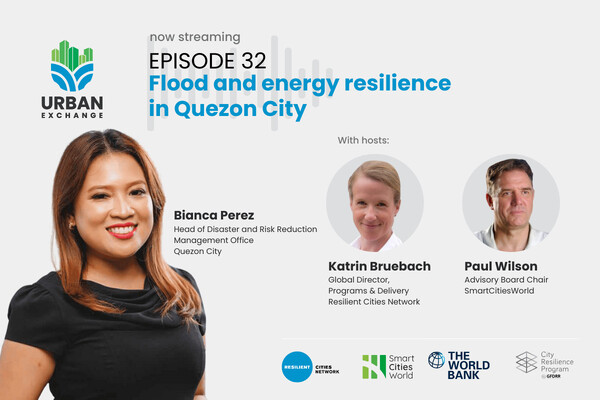
Tune in for the latest Urban Exchange where we get a first-hand account of city resilience measures from Quezon City following unexpected extreme rainfall.
How smart sensor networks can help improve indoor safety by detecting risks early, improving situational awareness and supporting healthier, more secure and sustainable buildings.
Gareth Tang, President of Urban Solutions at ST Engineering, explains how urban AI applications are set to evolve, detailing projects where AI is already making significant impact.
The latest video interview from SmartCitiesWorld, sponsored by NTT and Dell Technologies, takes a deep dive into the innovative technology rollout across the city of Las Vegas that is helping authorities make better, faster decisions.
The latest webinar from SmartCitiesWorld and Cloudera takes an in-depth look at how 5G is accelerating urban innovation, and the role of data analysis as part of that acceleration.
The Internet of Things (IoT) is playing a vital role in the development of smart transportation and logistics. Smart transportation has facilitated huge development in the field of smart cities.
Realising the benefits of connected intelligent assets and digital twin and predictive maintenance platforms relies on advanced data management and analytics. This webinar will look at the challenges faced in this area and how to overcome them.
The Internet of Things (IoT) is playing a vital role in the development of smart transportation and logistics. Smart transportation has facilitated huge development in the field of smart cities.
Nascent technologies like smart devices and the IoT simplify our day-to-day operations. Smart devices provide our homes and workspaces with automation, advanced security, and a host of other benefits. The IoT gives us new business insights while reducing our operating costs.
Realising the benefits of connected intelligent assets and digital twin and predictive maintenance platforms relies on advanced data management and analytics. This webinar will look at the challenges faced in this area and how to overcome them.
This whitepaper will provide a better understanding of the necessity for resiliency strategies, the challenges of implementing resiliency and digital tools to support cities and territories to build more resilient, sustainable and safe places to live.
Gordon Feller examines how two cities in Nevada are benefiting from being able to plug into their technology partner’s existing infrastructure and platforms to ignite smart city innovation.
C40 Cities is supporting nine mayors from cities around the world to simultaneously address these connected issues by curbing emissions, creating jobs, and building resilience.
Noah Baars, cities analyst, and Laxmi Haigh, lead of editorial, Circle Economy, highlight why cities need to think about environmental and societal challenges in an integrated way.
Developed with the Anthesis Group, the initiative is designed as a public sector alternative to traditional carbon offsetting and aims to help the authorities benefit from local insetting investment choices.
Optimally installed fibre with Distributed Acoustic Sensing technology can vastly expand the range of applications that both improve quality of life for citizens and bring opportunities for other parties in the smart city ecosystem and greenfield sites
Huawei’s Frank Huang explores how the pandemic has highlighted the importance of building robust and resilient education systems and how technology can level the learning playing field.
Open Energy’s goal is to make energy data sharing radically easier, giving users access to energy data held by thousands of organisations and institutions across the UK.
The cities chosen are considered to have come up with the boldest urban innovations emerging from the pandemic with the challenge aiming to spread the most promising ideas.
It is set to become one of the largest and most diverse decentralised energy networks in the UK and will deliver decarbonised, lower cost heating and electricity to a variety of stakeholders.
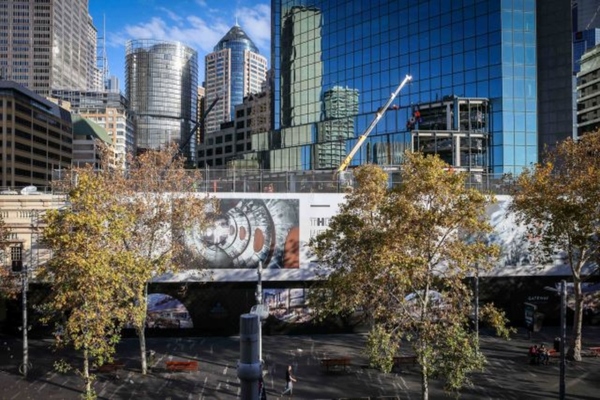
The City of Sydney has worked with industry and government to develop ambitious performance standard step changes for new office buildings, hotels and shopping centres.
Researchers at the University of Glasgow said the experience provides key lessons for future data engagement, especially in the context of the Scottish Government’s digital strategy.
Ban Chan is connected to a motorway linking the cities of Pattaya and Bangkok, making it well-placed to take advantage of 5G use cases in several areas including industrial robots and telemedicine.
Recognising that one size doesn’t fit all and knowing how to take advantage of the benefits of cross-generational teams, are critical to a healthy and productive workplace.
Verizon set a goal to achieve net zero operational emissions by 2035 and committed to source or generate renewable energy equivalent to 50 per cent of its annual electricity consumption by 2025.
The autonomous aerial vehicle technology platform company is partnering with architecture firm Giancarlo Zema Design Group to help extend its air mobility solutions in Europe.
Solution equipped the council’s contact centre operators with the ability to engage customers across voice and digital channels while having a 360-degree view of customer needs and interactions.
The City of Austin has partnered with local start-up Augmented Training Systems to develop programmes that allow skills to be quickly refreshed, without needing the physical equipment or set-up.
Thierry Chambon explains how the internet of energy is causing organisations to rethink and reorganise the energy sector and make the shift to a more shared and sustainable model.
The rising complexity in business as a result of digital transformations, globalisation, market volatility and the pandemic means managers must adopt agile ways of working.
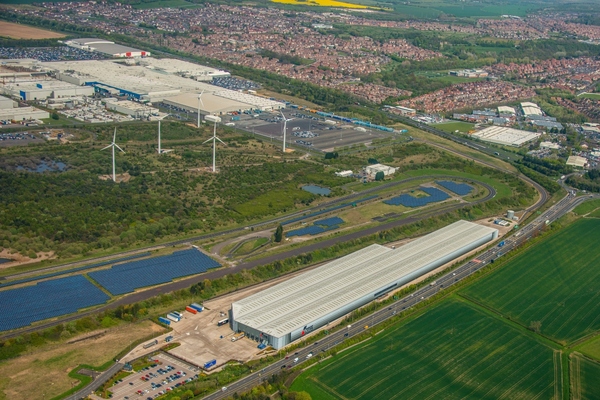
The project has the potential to support the continued revolution in connected automated logistics and provides a 5G core for the North East, positioning it for further investment and growth.
Orange Business Services has announced it will design and build centre to provide cloud services for the country’s new administrative capital on a greenfield site, east of Cairo.
Smart Dubai’s first Digital Service Design Professional Diploma aims to provide graduates with the knowledge and best practice needed to improve digital services and design new ones.
The need to combine the two skillsets of digital technologies and urban infrastructure means the smart city talent pool is limited. Good hires require extensive search and the direct approach
The centre will be established by Simon Fraser University’s Renewable Cities programme and aims to accelerate urban climate solutions through research, capacity building and financial tools.
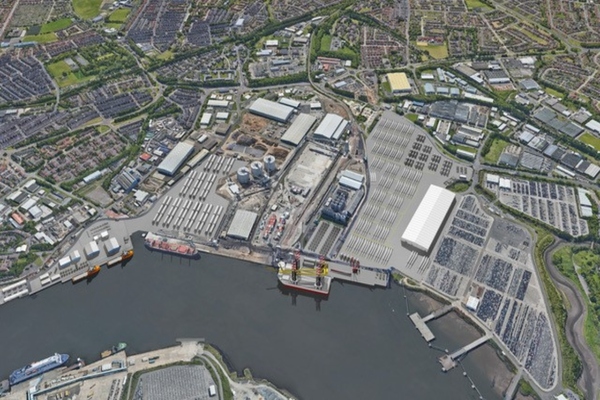
The Port of Tyne in the north-east of England has been assessing current and future energy requirements in line with Tyne 2050’s roadmaps for it to become carbon neutral by 2030, and all-electric by 2040.
AI tools and technologies have become game-changers for smart cities and the IoT-driven sectors but their role in identifying and recruiting smart city talent is less clear-cut.
Digitising the kerb opens the door for more dynamic regulations and new approaches to kerb-usage fees that could enable more goal-driven management strategies.
Report sets out to demonstrate how cities can be “critical drivers” of solutions for the multiple short-term challenges created by Covid-19 as well as emerging long-term challenges of climate change.
Marie Hélène Mansard explains how Covid-19 has spawned a range of new applications for video surveillance systems and why 5G experimentation means it’s a good time to be a smart city manager in Asia.
The United Overseas Bank wants to make sustainable financing more accessible to companies that are helping to create smart cities but businesses must meet the criteria.
The Scottish city has outlined achievements to date as well as next steps and priorities, including the renewed focus of digital investment to support recovery from the pandemic.
The skillset and behavioural mix required to work in the smart city industry is complex and challenging, which is why many managers in the sector would benefit from investing in coaching.
Led by San Francisco based VC firm Scrum Ventures along with eight other Japanese partner companies, the programme seeks to redefine ‘antiquated’ accelerator models.
According to analysis from Frost & Sullivan, post-pandemic, investment in smart projects like smart grids, autonomous vehicles, smart lighting and e-governance will gain traction.
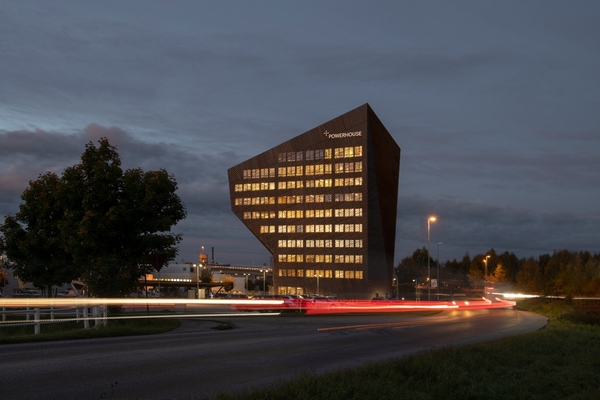
The Powerhouse collaboration has completed its latest energy-positive building in the historic Norwegian city of Porsgrunn, which will produce clean and renewable energy throughout its lifespan.
In a statement released today, the C40 Global Mayors Covid-19 Recovery Task Force warned that a “high-carbon recovery” will accelerate climate breakdown, endanger public health, cost lives and sacrifice jobs.
As part of the urban infrastructure agreement between Nokia and Greener Acres Canada, smart city green poles will be produced from nearly 50,000 tons of e-waste collected annually in Ontario.
The six early-stage start-ups showcased hardware and software technology solutions that aim to help combat the climate crisis and to build equitable, sustainable cities.
The UK city won top place in the national Digital Leaders 100 Awards and was recognised for prioritising digital transformation for the wider benefit and creating opportunities for communities and businesses alike.
The company is entering the US electrification market and is already working with the Massachusetts Bay Transportation Authority to help it electrify a portion of its new fleet.
Automation and artificial intelligence will result in a greater proportion of jobs relying on soft skills but their importance is often undervalued in the workplace.
More than nine in 10 mayors also agree that investment in technology to reimagine, rework, change, or adapt how commercial buildings are being used is necessary for the future of their city.
The Scottish city will be using the ClimateView software platform that is designed to help cities live up to their pledges of becoming carbon neutral by visualising action plans.
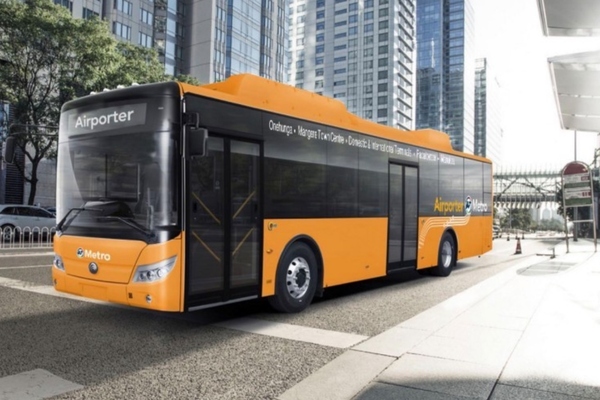
Electrification of the country’s transport sector will further drive New Zealand’s decarbonisation efforts and support its aims to have a full zero emission bus fleet by 2040.