











Discover how AI-powered digital twins are transforming urban infrastructure and how these innovations can improve efficiency, resilience, and sustainability.
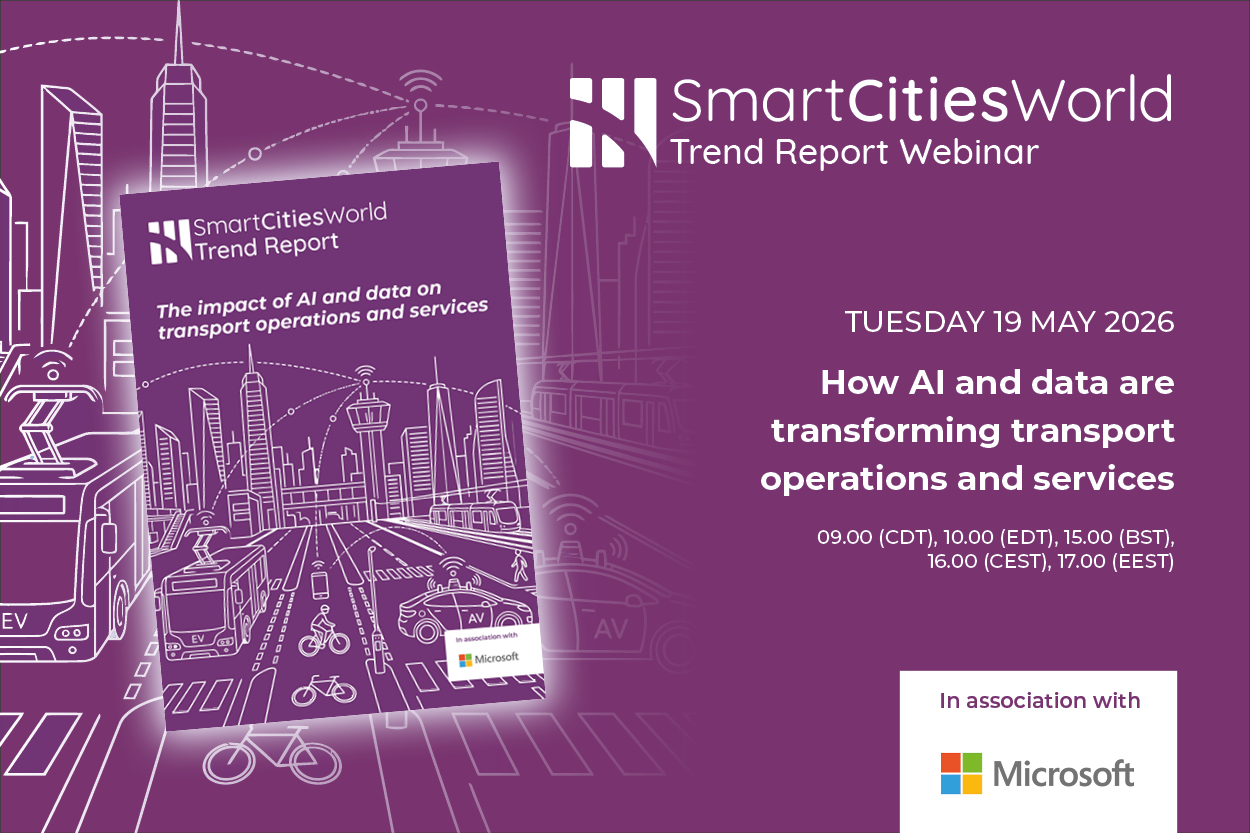
Explore how data and AI is being used in urban transport networks to support planning, day-to-day operations, and improve outcomes for communities and passengers.
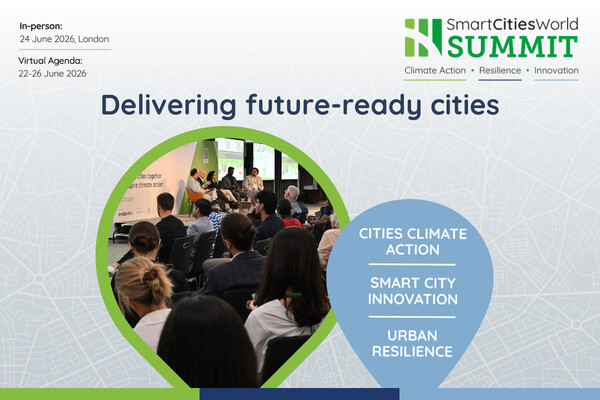
As cities confront the combined pressures of climate change, infrastructure resilience and digital transformation, the SmartCitiesWorld Summit 2026 will bring together urban leaders and partners during London Climate Action Week to explore how these agendas intersect – and how cities can translate strategy into practical action.
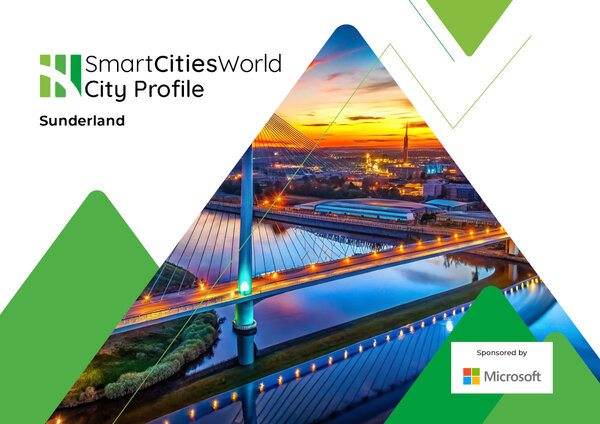
Find out how Sunderland is repositioning itself as a leading smart city – using digital infrastructure and low-carbon innovation to build a resilient, future-focused economy in the latest SmartCitiesWorld City Profile.
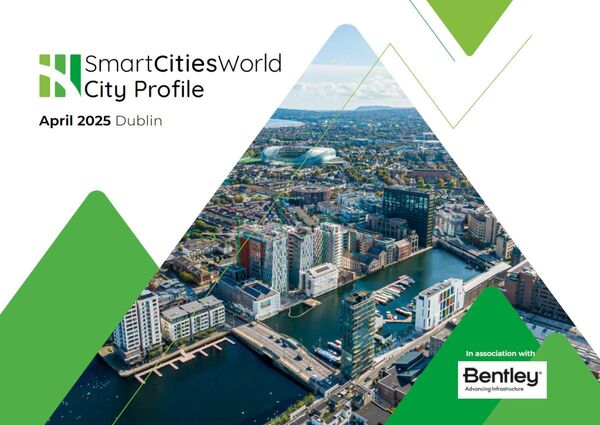
Find out how Dublin is innovating to improve experiences and services for its communities in the latest SmartCitiesWorld City Profile, including digital twin projects, traffic reduction, and economic growth.
Tune into the SmartCitiesWorld podcast to understand the world of sovereign AI for cities, featuring PNY Technologies’ Youssef Nadiri as our expert guest.
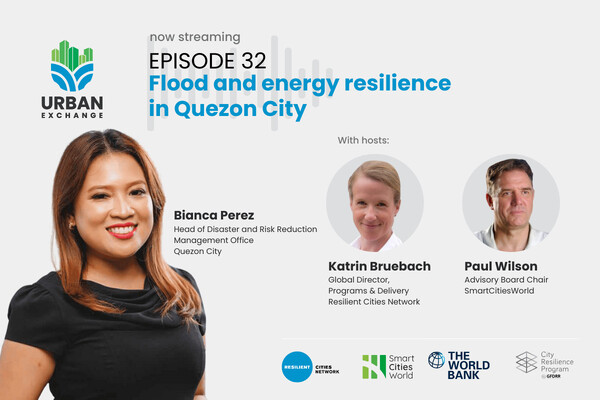
Tune in for the latest Urban Exchange where we get a first-hand account of city resilience measures from Quezon City following unexpected extreme rainfall.
How smart sensor networks can help improve indoor safety by detecting risks early, improving situational awareness and supporting healthier, more secure and sustainable buildings.
Gareth Tang, President of Urban Solutions at ST Engineering, explains how urban AI applications are set to evolve, detailing projects where AI is already making significant impact.
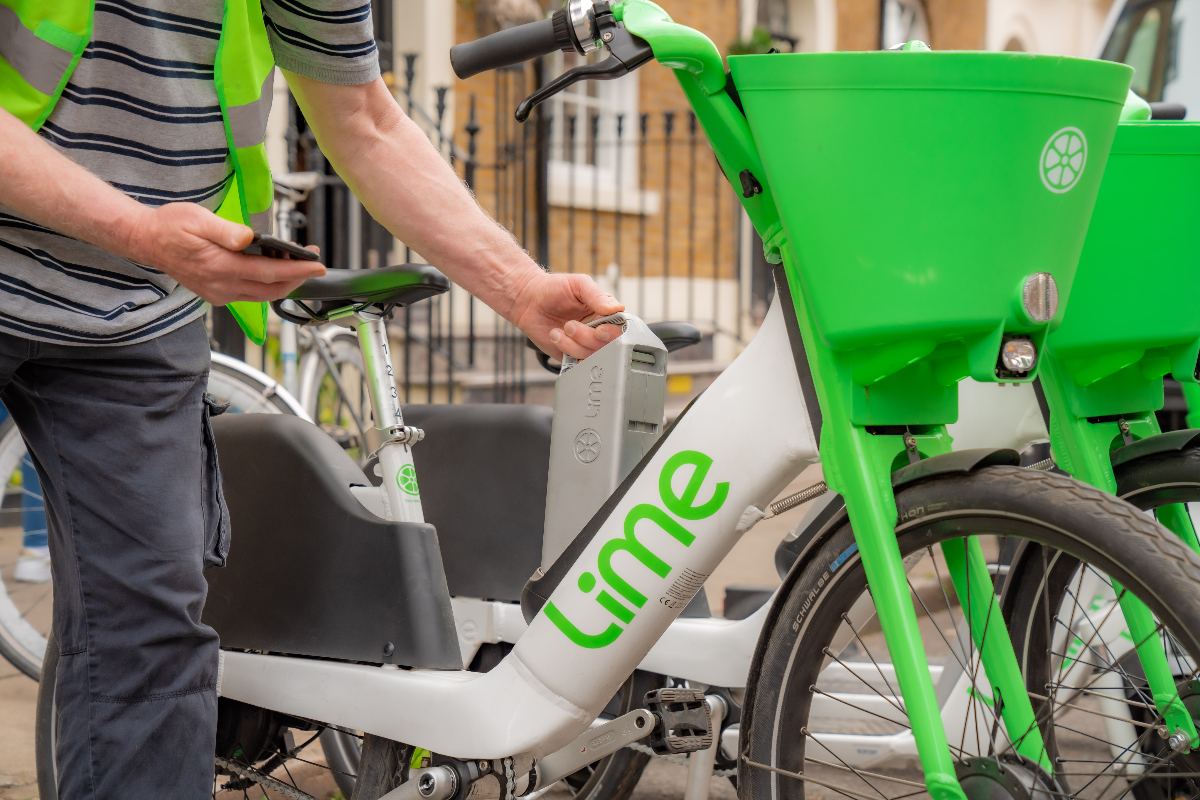
Micromobility specialist Lime prepares to strengthen green shared mobility operations in the Italian city ahead of large-scale international sporting events.
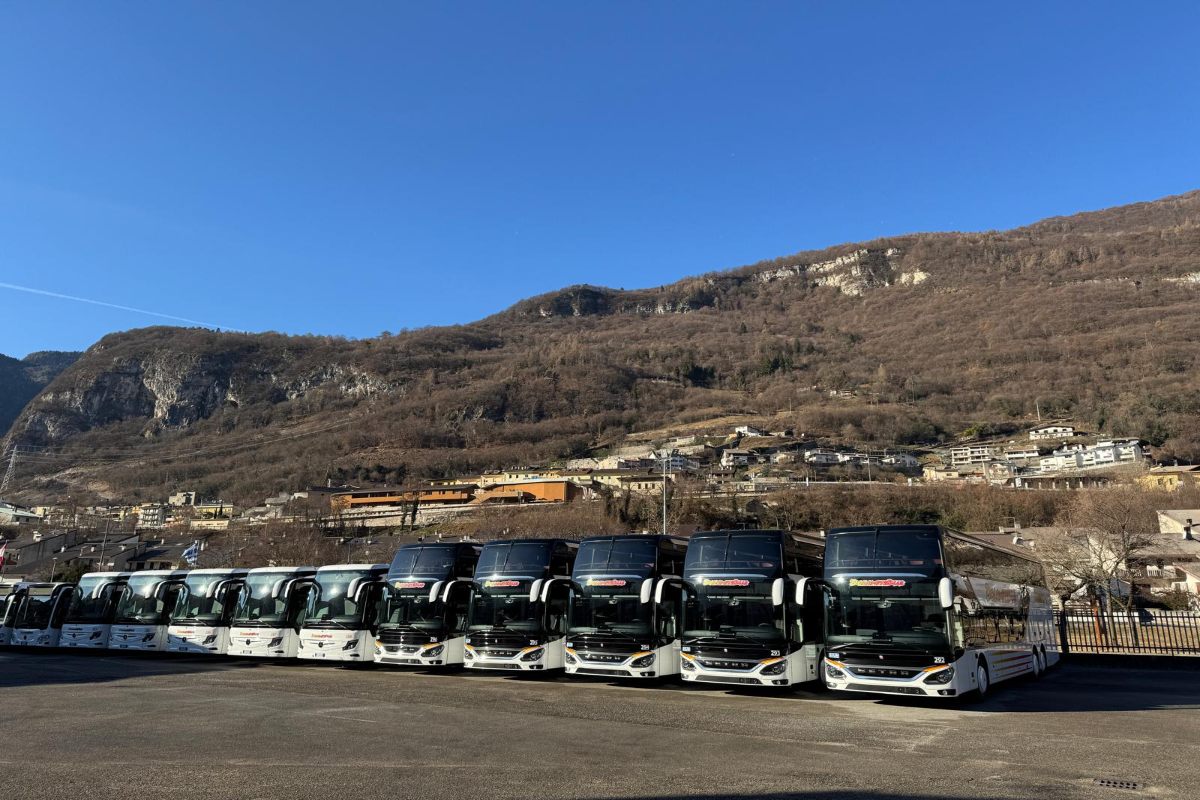
Dolomiti Bus said it is preparing to do more than transport spectators and getting ready to “coach the Games”, bringing people into the heart of the Dolomites.
Skyports Infrastructure, SEA Milan and 2i Aeroporti are partnering to help accelerate an AAM ecosystem across the Italian city and wider Lombardy region.
Wayla and ioki will work together to deliver the new night shuttle service in the Italian city, which will circulate within the third ring of Milan’s city centre.
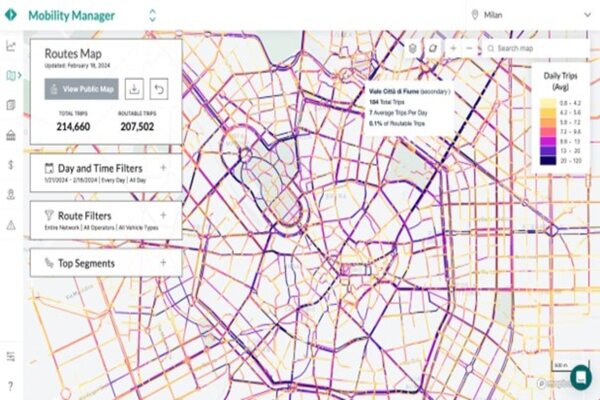
City will use Populus Mobility Manager, which helps municipalities manage bikes, scooters, and other shared services through access to better mobility data.
The ultra-compact sensor microstations installed near schools and priority sites will be integrated with the environmental agency’s existing monitoring network.
Following a partnership with WeTaxi, the micromobiity services company will allow booking from its multimodal app to users in Milan, Naples, Rome and Turin.
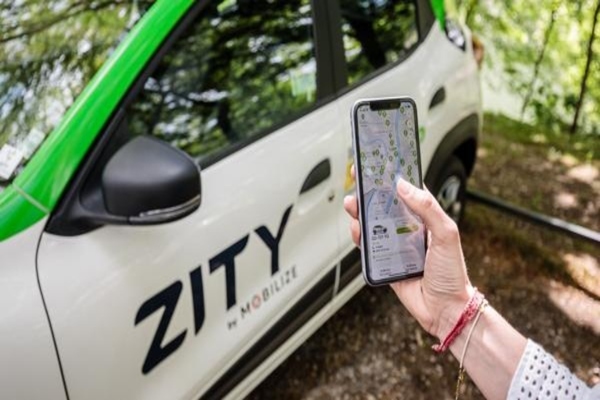
Zity by Mobilize has also announced that it will use the CloudBoxx telematics unit to increase the efficiency of operations and analyse trips of the electric car-sharing fleet in the Italian city.
Matosinhos and the Province of Potenza have been recognised by the UN-led coalition Making Cities Resilient 2030 for pioneering strategies to reduce the impact of disasters including fires and earthquakes.
C40 is inviting creative multidisciplinary teams – including architects, developers, community groups and more – to compete to design and develop climate-friendly urban projects.
Italy’s second most populous city will work with Bloomberg Philanthropies to deploy low-cost sensors at schools to better understand children’s exposure to air pollution.
Each of the “Resilience Hubs” has developed local solutions to improve their ability to withstand and recover from various disasters and support shared learning.
Analysis shows how cities can capitalise on recovery stimulus funding to boost their economy and address climate change to build more resilient, sustainable, and liveable communities.
Digital Leaders CEO Giuliano Liguori highlights Italy as an example and warning that pushing ahead with smart city plans should ensure access for the worst off, on an individual and municipal level, as top priority.
The city’s Mobility and Environment Agency will use the mobility and kerb managment platform to ensure the post-Covid world is greener, fairer and more resilient for citizens.
The mayors of Milan and Rome highlight the imperative for G20 countries to use recovery funding in a way that advances, not hinders, ambitious and equitable climate action ahead of COP26.
London, Lisbon, Milan, Bordeaux, Burgas and Warsaw have triggered the investment as part of the major international smart cities programme, Sharing Cities.
The World Economic Forum has chosen the cities to pioneer a global policy roadmap developed by its G20 Smart Cities Alliance for the ethical and responsible use of data and technology.
The project, which is helping the city improve collaboration and get more value from its city models, was recognised in Bentley Systems’ global Year in Infrastructure awards.
Helbiz has expanded its fleet of electric vehicles following an agreement with moped operator MiMoto and will make them available in Italy initially and then across Europe and the US.
The C40 Cities network has announced its agenda for delivering a sustainable and equitable recovery plan from the pandemic and calls for support for the vision from national government.
Using Enel X’s JuicePass app, electric vehicle drivers will be able to park and refuel at charging points and continue their journey on a Bird electric scooter.
Chaired by the mayor of Milan, the task force has been established to drive forward an economic recovery that improves public health, reduces inequality and addresses the climate crisis.
The C40 Cities initiative was unveiled during a virtual meeting of mayors and city leaders from 25 countries who will come together to share knowledge and expertise.
Austin, Athens, Lisbon and Venice are the latest major cities to have ‘peaked’ their greenhouse gas emissions, meaning they won’t rise any further and are now falling.
They were put forward by cities under the Urban Innovative Actions project and focus on digital transition, sustainable use of land, urban poverty and urban security.
Projects from Chicago, Madrid, Milan, Oslo, Paris and Reykjavik have been chosen in the first round of the organisation’s Reinventing Cities competition.
The Italian city has been recognised for placing wellbeing at the centre of urban planning and policy, while four others are being honoured as Wellbeing Laureate Cities.
Following a workshop on the use of Colu’s digital city-wide currency, two cities are expected to launch and implement such a currency in the near future.
Sixteen cities from six continents have been announced as finalists for the 2019 Wellbeing City Award, which recognises city-led action on urban dwelling