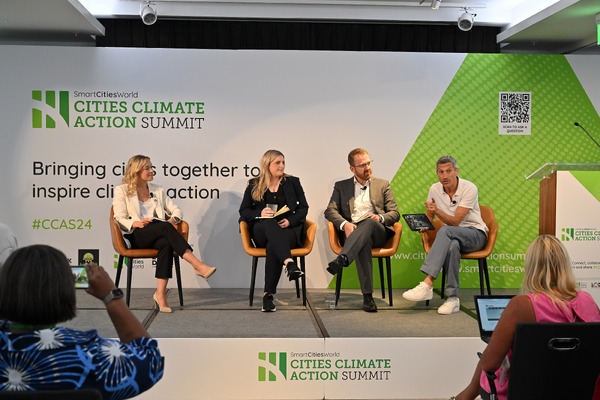
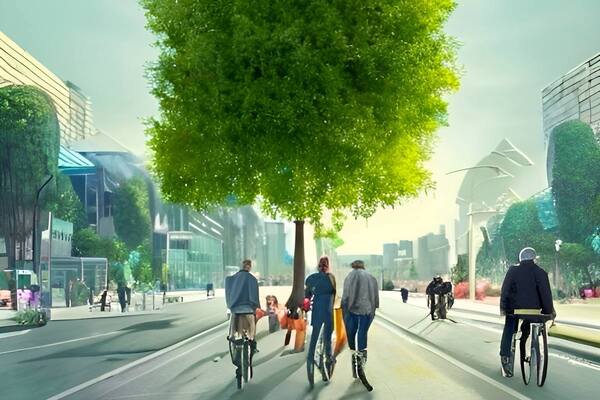
At SmartCitiesWorld’s inaugural advisory board meeting, Jeff Risom, chief innovation officer at Gehl Architects, explored how the public realm might be managed in the post-pandemic era.
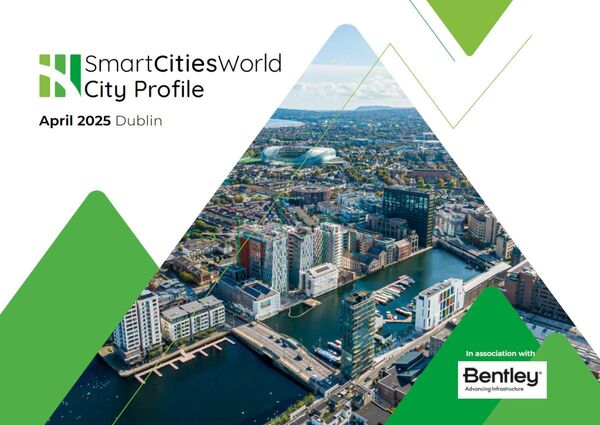
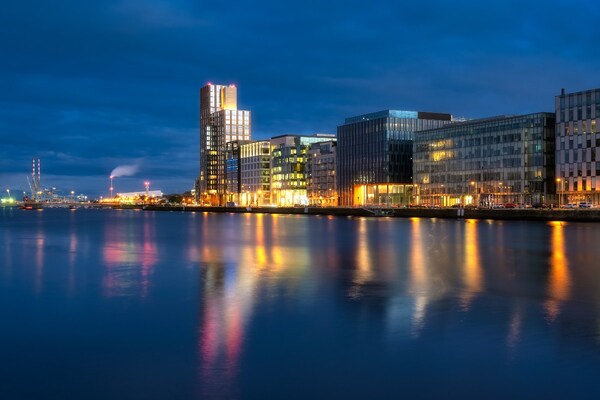
Find out how Dublin is innovating to improve experiences and services for its communities in the latest SmartCitiesWorld City Profile, including digital twin projects, traffic reduction, and economic growth.
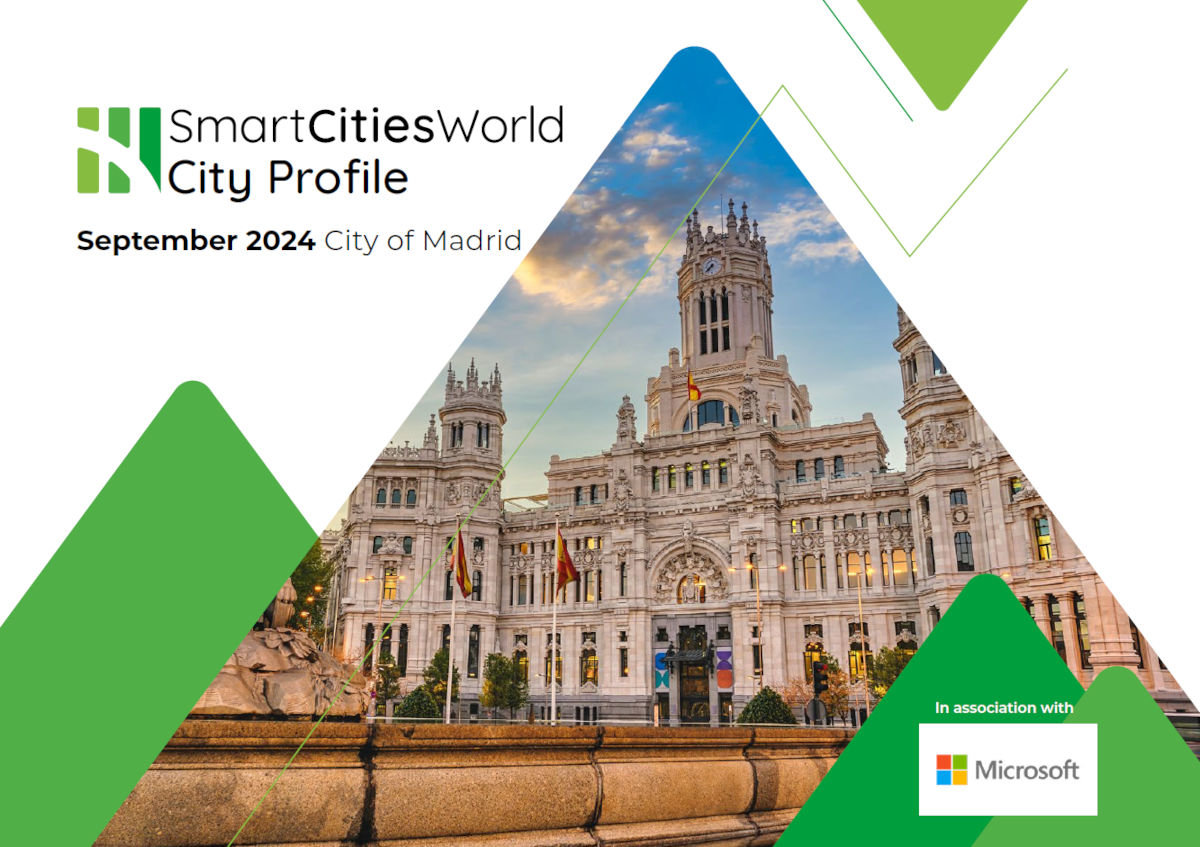
Discover how the city of Madrid is innovating to become a smarter, more sustainable city that’s able to deliver improved services to residents and visitors alike.
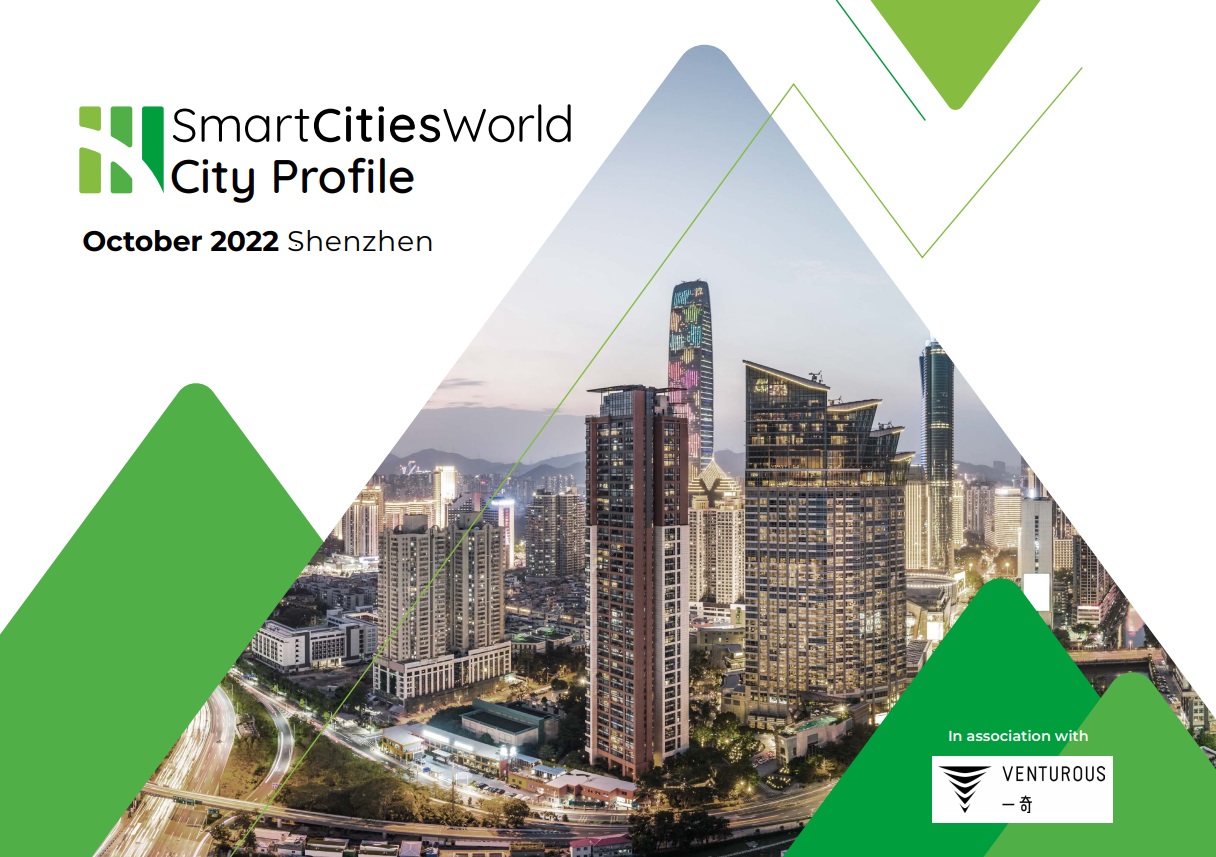
SmartCitiesWorld City Profiles explore the city of Shenzhen, designated as China’s first special economic zone and a role model of urban modernisation. Find out more about Shenzhen’s smart city strategy in this 16-page report.
The long term-impact of the UK’s decision to leave the European Union and the country’s poor performance in the Covid-19 pandemic, are among the complex set of challenges it faces if London is to remain one of the world’s most influential and enviable cities.
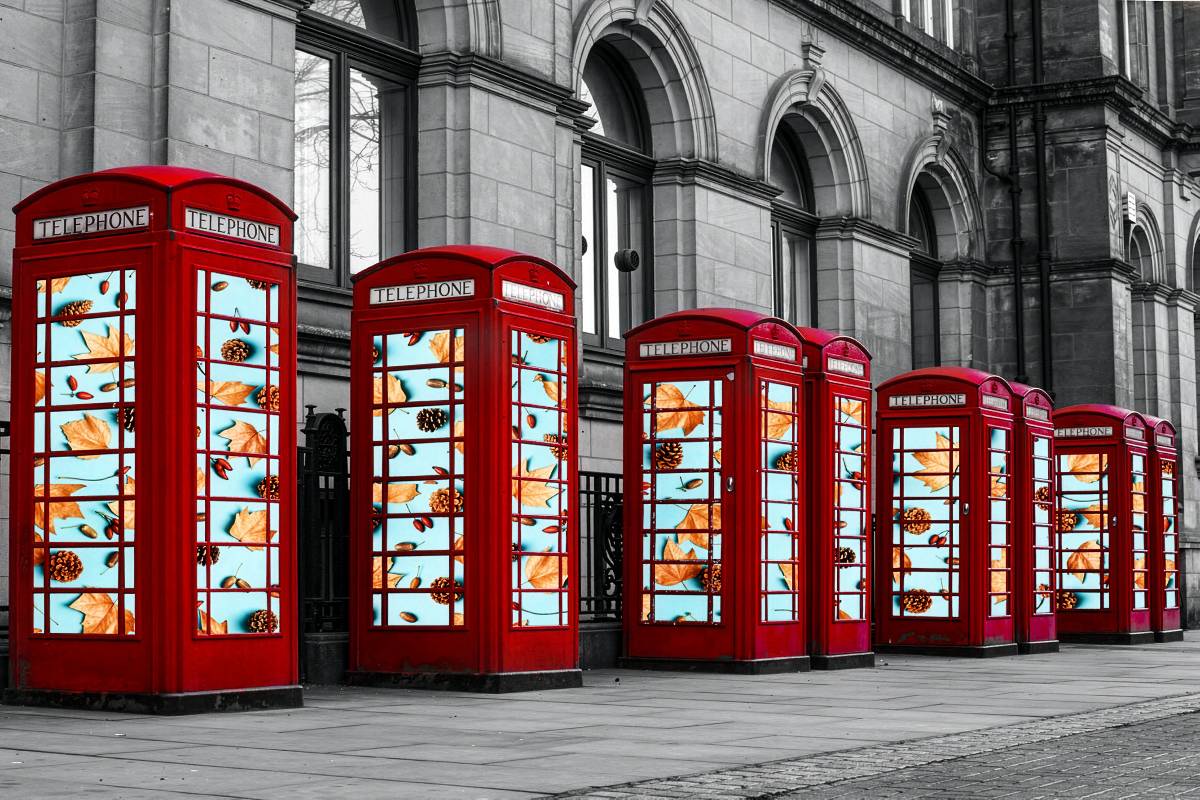
The new public realm installation in Preston will see Grade II listed red telephone boxes used to showcase curated digital artwork and community-led content.
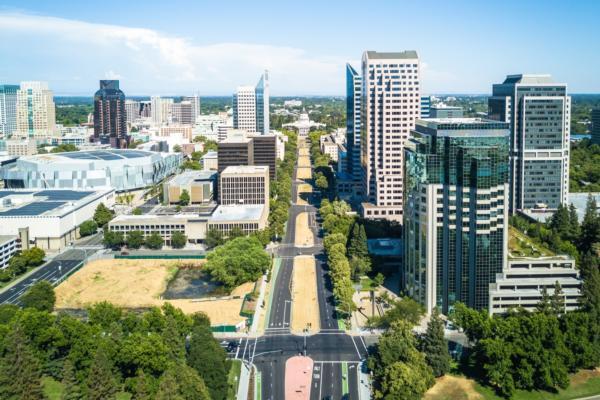
SacAdapt is a joint effort between the City and SRTD to prepare roads, bicycle facilities, sidewalks, bus stops and light rail infrastructure for climate impacts.
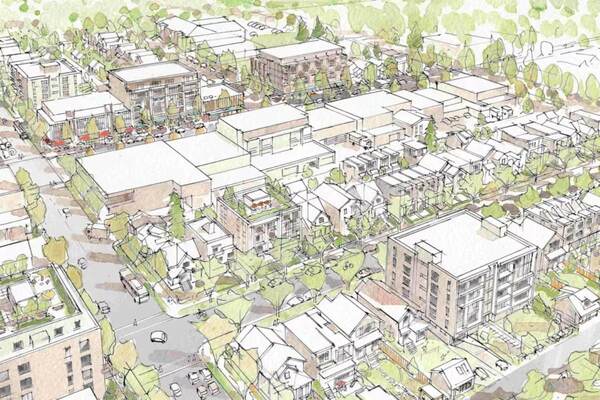
Villages form part of the Rupert and Renfrew Station Area Plan and are centred on existing retail clusters that will transform into vibrant neighbourhoods.
One of five projects to be approved under the initiative, the building will improve the public realm with landscaping, street trees and pedestrian connections.
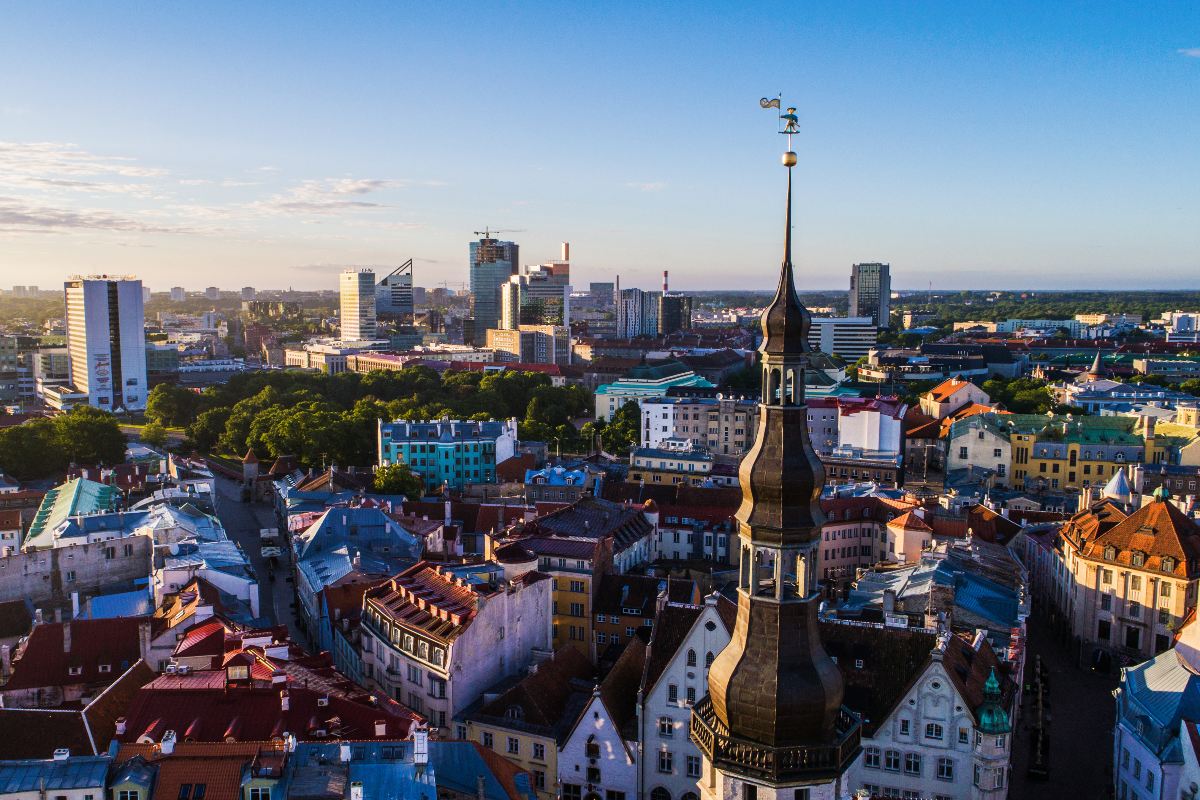
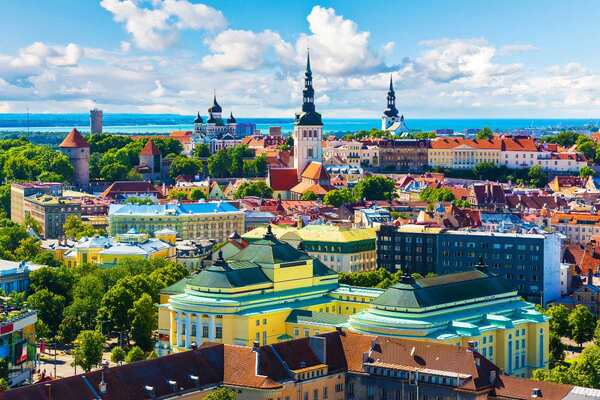
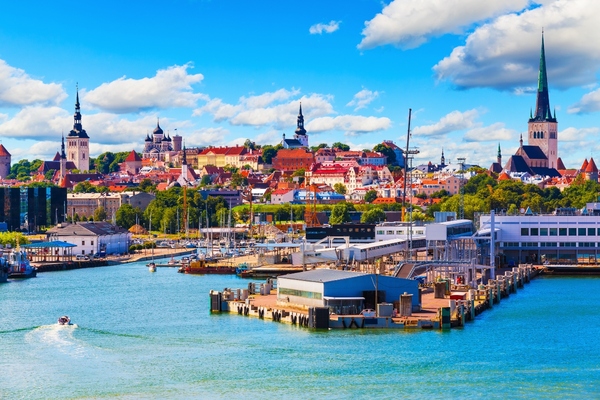
Estonian capital’s 2026 budget and master plan aims to create a high-quality living environment with everyday services conveniently accessible to residents.
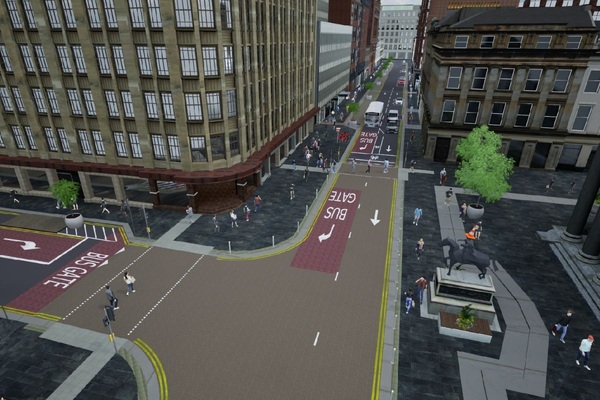
Work begins in February on a redesigned, fully accessible, step‑free junction where Queen Street meets Ingram Street with priority given to pedestrians.
With five pilot sites, the project aims to transform the way Europe monitors, evaluates and improves safety and maintenance of its urban and secondary roads.
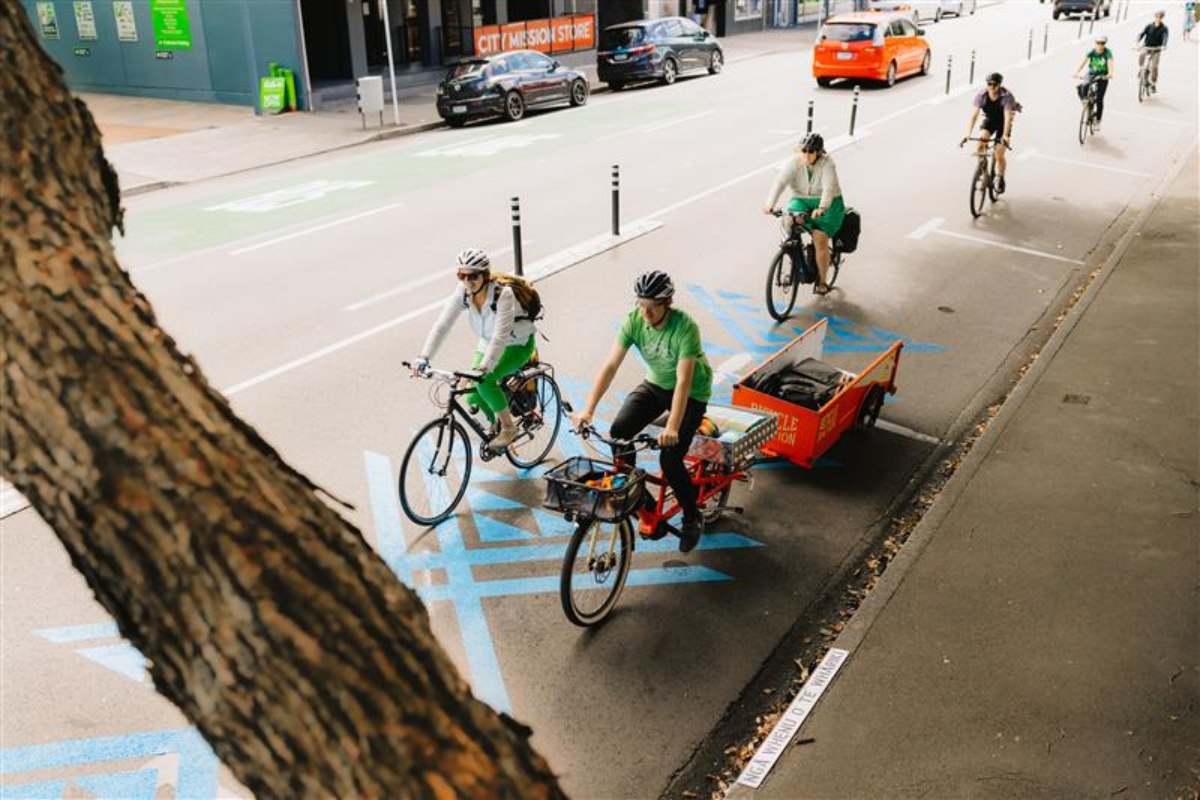
Daily counts are up across most routes, with increases of 11-87 per cent on new routes, contributing to an 18 per cent citywide increase in cycling since 2020.
The AI-designed smart work resort District 11 project aims to set a new benchmark for urban innovation and economic vitality in Sharjah and the wider UAE.
Pairing wifi technology with existing city infrastructure unlocks a platform for Los Angeles to further develop smart city assets and public service delivery.
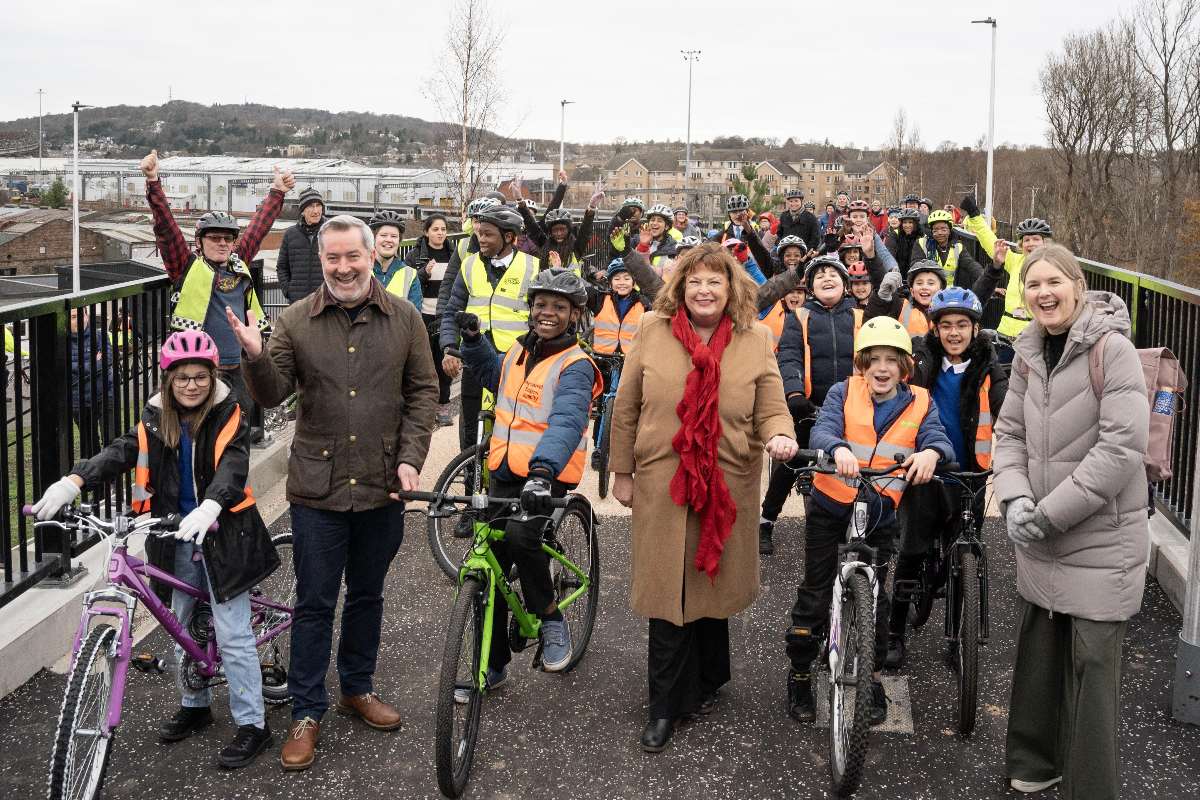
Data collected from 88 automatic cycle counters across the Scottish city between January and August 2025 shows a 43 per cent increase in activity year-on-year.
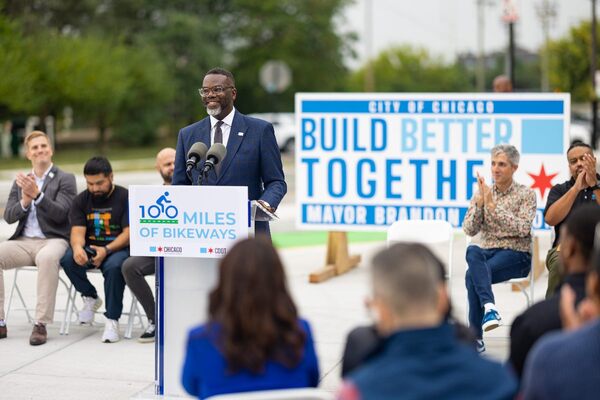
The city completed a major safety improvement project on Milwaukee Avenue, which marked the 100th mile of bikeways completed under the Johnson administration.
Play Streets are neighbourhood-led initiatives that temporarily close streets to through traffic, giving children the freedom to play safely on the street.
Eight cities were recognised in the speed challenge initiative for advancing road safety through policy and implementation of speed management measures.
Challenge supports innovative solutions to ease congestion and improve pedestrian and pilgrimage flows through Varanasi, one of India’s most sacred cities.
A Play Street temporarily limits traffic on selected roads so that communities can use the space for family activities and neighbours can enjoy time together.
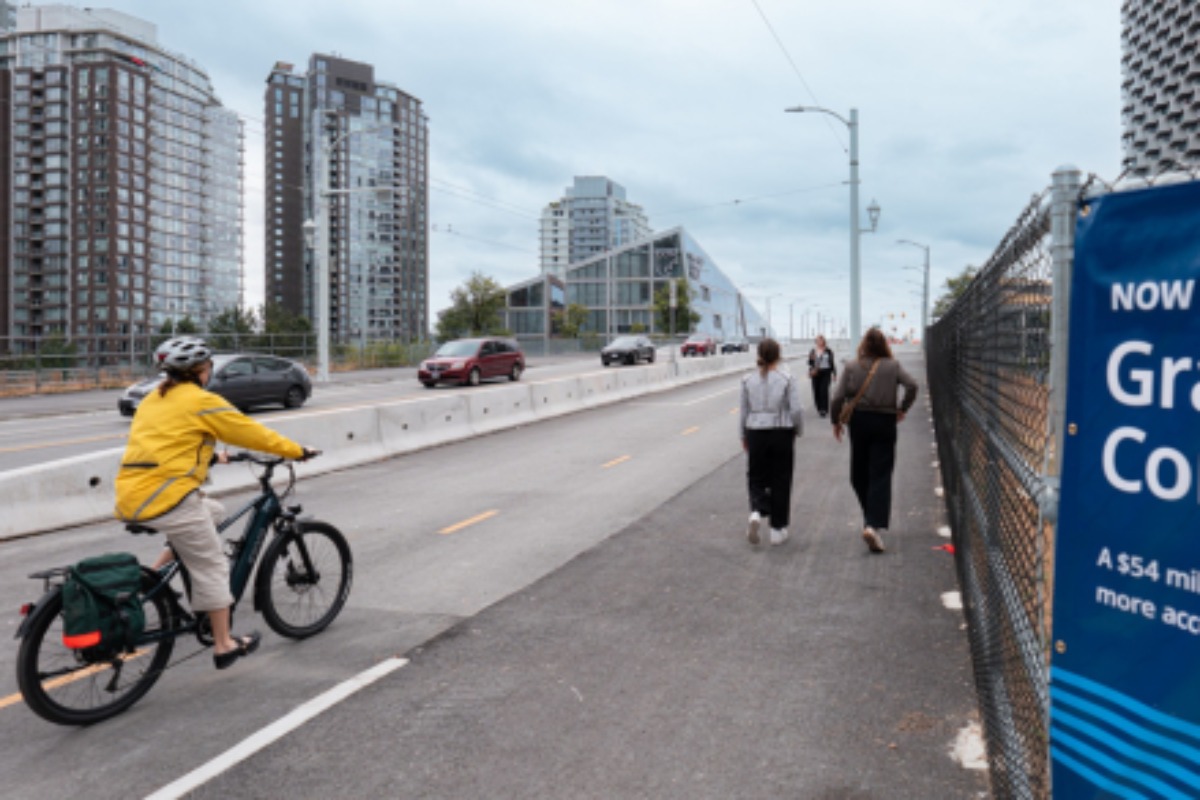
Physically separated from vehicle traffic, the Granville Connector is a protected walking and cycling path across the west side of the Granville Bridge.
City of Chattanooga’s Brian Smith explains how the city has changed its reputation from America’s dirtiest city to the first designated as a National Park City.
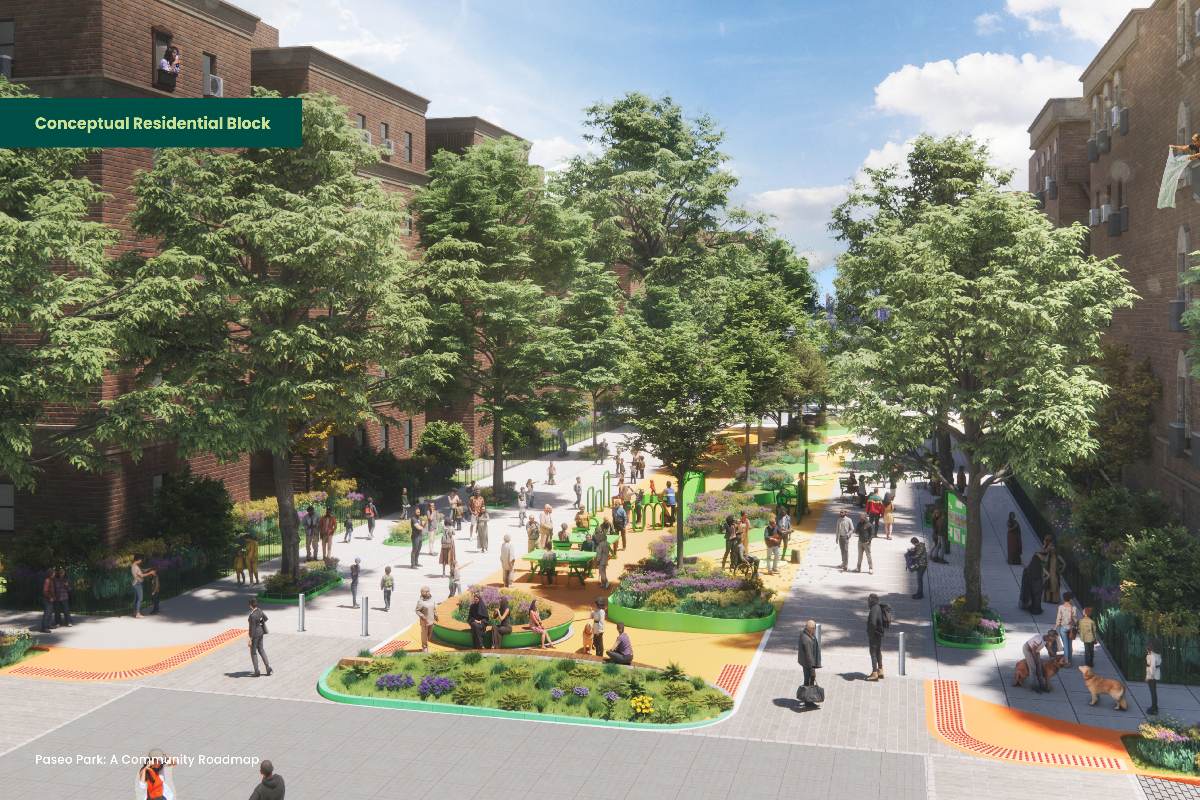
Paseo Park reimagines streets for people, tackling climate change and pilots solutions to ease the conflict between pedestrians, mopeds and micromobility.
Priorities include reducing the volume of traffic going through the city and improving how people move around the city, with more options for sustainable travel.
SmartCitiesWorld’s third Summit takes place on 24-25 June. Here’s a taste of what you can expect and how you can register to be part of this seminal event.
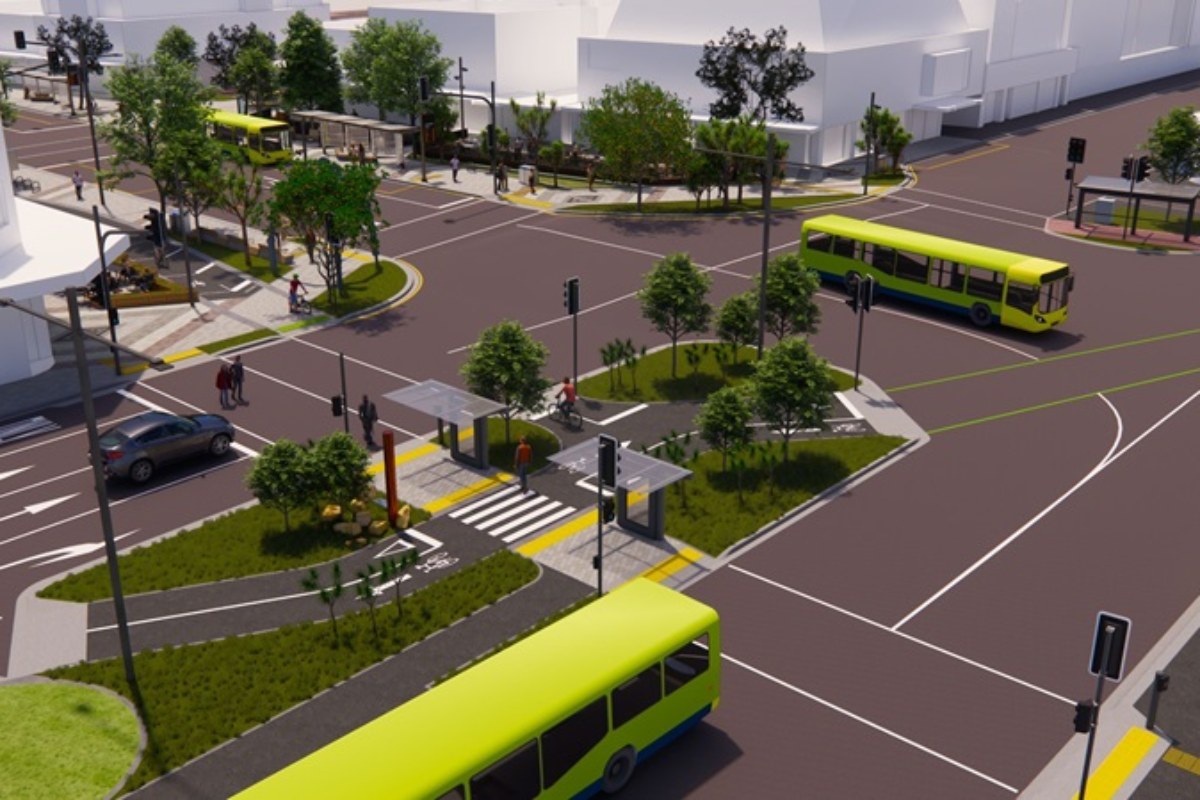
The upgrade of Courtenay Place in the New Zealand capital will include new pedestrian and bike crossings, weather shelters as well as improved footpaths.
Find out how Dublin is innovating to improve experiences and services for its communities in the latest SmartCitiesWorld City Profile, including digital twin projects, traffic reduction, and economic growth.
CIO Raimundo Rodulfo explains how Coral Gables in Florida has managed to preserve its history and heritage while becoming one of the smartest cities in the world.
Under the theme of Transforming Cities: Building Happiness, keynotes include Charles Montgomery, renowned Canadian urbanist and author of Happy Cities.
The accelerator will provide cities with the tools, expertise and strategies to reshape urban development and create safer and more liveable neighbourhoods.
Sustainable mobility is at the heart of the plan along with 15-minute city principles to ensure essential services are in easy reach, reducing long car trips.
The £17m project has transformed public spaces along the route, creating a green corridor and spaces with enhanced walking, wheeling and cycling connections.
City says it will enable efficient planning for new kindergartens, schools and services for seniors, improving accessibility and aligning with community needs.
Redesign is a cornerstone of the City’s transformative downtown redevelopment strategy, positioning it as a model for equitable and sustainable urban growth.
The project sees the transformation of University of Manchester’s North campus into a district to advance innovation across sectors, including digital tech.
Anchored by a reimagined decommissioned coal-fired and oil-powered facility, the park will become a public amenity in Norwalk with a stellar network of spaces.
Discover how the city of Madrid is innovating to become a smarter, more sustainable city that’s able to deliver improved services to residents and visitors alike.
Londoners are being encouraged to mark the day on Sunday 22 September with 200 streets transformed into temporary spaces for play and social gatherings.
Delve into this City Profile which focuses on how the City of San Diego is innovating through policy and technology to best serve its communities. Find out how it splits the city’s challenges and matches them to solutions that demonstrate exactly how technology, policy and investment come together to overcome both every-day and long-term issues.
The establishment of the new department is a major piece of mayor Wu’s vision to transform planning and development and create a green and growing city.
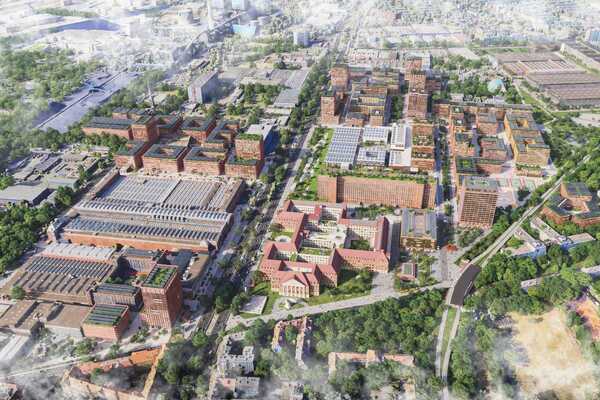
Combining the real and the digital worlds, technology from Siemens Xcelerator portfolio will form the backbone of the new neighbourhood in Berlin Spandau.
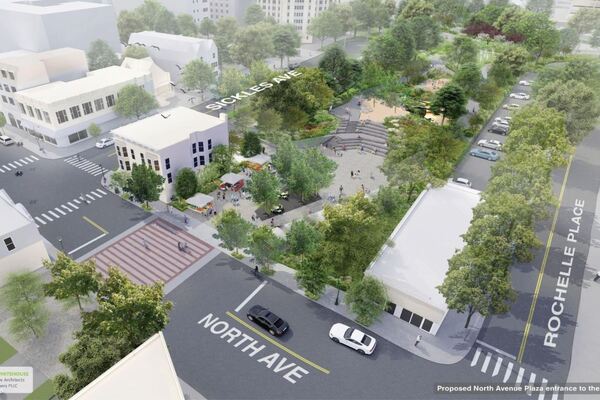
The project is envisioned as a way to transform a large portion of the Lincoln Avenue corridor into a new linear public park with green and open space.
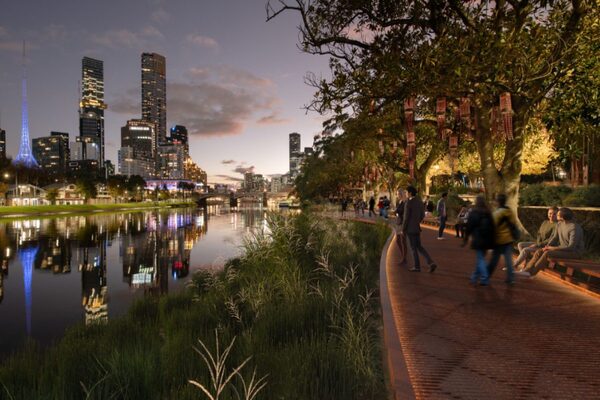
The Australian city’s draft budget puts forward proposals to further green the city, including nine new parks and open spaces and expansion of its tree canopy.
The Rio Grande District Vision & Implementation plan is intended to serve as a redevelopment roadmap for around 11 acres of land west of the city’s Downtown.
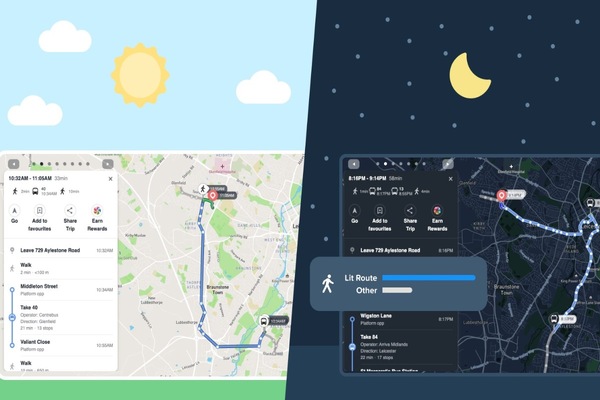
The UK city council is working with SkedGo to enable pedestrians walking at night to see how much of their journey home is covered by street lighting and CCTV.
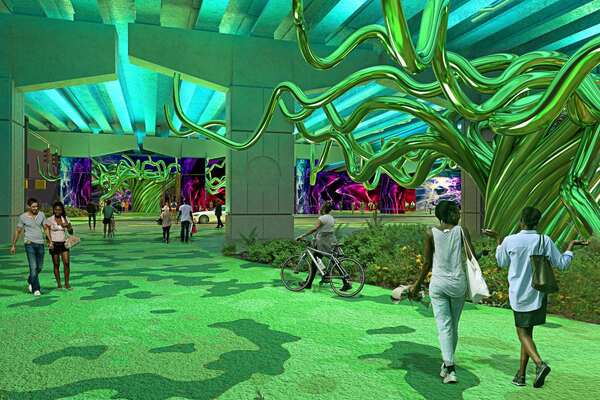
The transformation of the Shimbashi-Kyobashi expressway into the Tokyo Sky Corridor is part of the Government’s plan to create more people-centred spaces.
The biannual Walking and Cycling Index draws on independent survey feedback from a cross-section of more than 1,200 residents in the capital, surveyed in 2023.
The Canopy will integrate with various modes of transportation to ensure accessibility for all and feature pedestrian-friendly walkways and bike paths.
Students can choose between Haultain Park or 4th Street Station to hone their digital and creative skills with each site presenting a specific challenge.
The “green heart” marks the closing chapter of the Ancoats project and will also help create a low-traffic, pedestrian-first neighbourhood in the UK city.
The digital map of King’s Cross by Living Map provides real-time and customisable step-by-step directions, highlighting the mix of facilities on offer.
Work on the 2,600 square metre park in the Canadian city is anticipated to commence in 2025 and aims to transport visitors through a woodland experience.
The vision for the new green travel district in the Birmingham area is for less congestion, less pollution, fewer accidents and more productive communities.
Wellington City Council has given the go ahead for two projects which include new raised pedestrian crossings, bus route improvements, and safer bike routes.
Under the European Commission Smart Tourism umbrella, Grosseto in the Tuscany region of Italy was also crowned Green Pioneer for its sustainability efforts.
An e-book, published by StreetLight Data, reveals the data-driven pedestrian activity trends in top US cities and details the national and state trends.
C40 Cities’ second Students Reinventing Cities competition integrates the 15-minute city and proximity approach to creating green and thriving neighbourhoods.