









 22 - 26 June 2026: Find out more



BUILD YOUR OWN
RESOURCE LIBRARY



Podcasts
Cities Thriving on Lighting, Episode 2 – Simplicity by design in smart lightingSponsored by Paradox Engineering
Cities Thriving on Lighting, Episode 1 – Lighting as the backbone of the smart citySponsored by Paradox Engineering
Opinions

Transforming indoor public safety with smart sensor networksSponsored by Motorola Solutions
Major London sites to be powered by Dorset solar farm
The power purchase agreement is, reportedly, the first of its kind in the UK to be signed directly between a renewables energy producer and a governing authority.


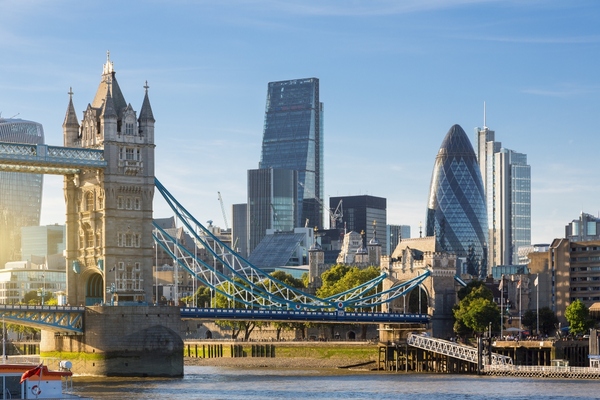
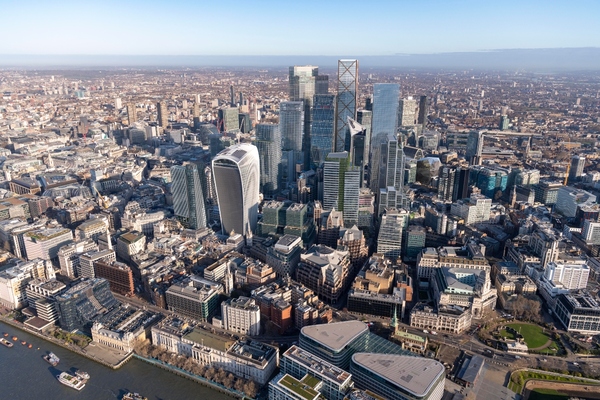
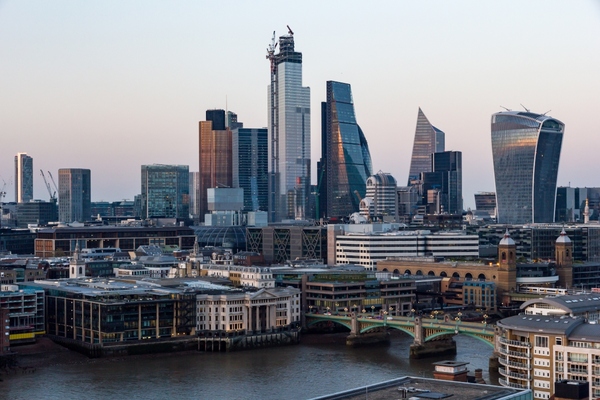
Iconic London landmarks including Tower Bridge, Hampstead Heath, and the Barbican Centre are set to be powered by renewable electricity from a new solar farm in Dorset.
The City of London Corporation, which owns these sites, governs the UK capital’s Square Mile global financial centre.
It is also a major London public services provider, running schools, social housing, open spaces, and wholesale markets across the capital. They will all receive electricity from the solar site.
International energy provider
In 2020, the City Corporation agreed a £40m deal with international energy provider Voltalia to buy all the electricity produced by the new solar farm for 15 years. The facility has just been completed and will provide more than half of the City Corporation’s electricity from 1 January 2023.
Its historic buildings at Guildhall, Smithfield Market, and the Old Bailey – which is recognised as the most famous criminal court in the world – will also run on the sustainable energy supply.
“This scheme is a pioneering blueprint by the City Corporation for local authorities across the UK, cutting carbon emissions and giving cheaper, more secure energy, protected from the price volatility of energy markets,” said Keith Bottomley, chairman of the City Corporation’s Environment Committee.
“The deal will increase our green energy supply, has no reliance on taxpayer funding, and helps us transition quickly away from fossil fuels.”
The power purchase agreement (PPA) is the first of its kind in the UK to be signed directly between a renewables producer and a governing authority.
Read More
With more than 91,000 panels, the site will have a capacity of 49.9 megawatts – equivalent to the annual electricity consumption of approximately 35,000 people.
The City Corporation reports that it will help slash its fossil fuel use and save over £3m in energy costs per year. Some £800,000 has been invested with companies within 25 miles of the scheme, supporting local businesses.
“With this 15-year contract we are actively supporting the City Corporation in mitigating its energy budget volatility and reaching its net zero target”
“The completion of South Farm is a great achievement. I would like to warmly thank all the Voltalia teams and our local British suppliers and subcontractors, who have been working together on this project,” added Sébastien Clerc, CEO of Voltalia.
“In the current energy crisis, we are very proud to supply clean and cheap electricity to some of London’s most iconic landmarks. With this 15-year contract we are actively supporting the City Corporation in mitigating its energy budget volatility and reaching its net zero target.”
The deal forms part of the City Corporation’s Climate Action Strategy, which commits it to reaching net zero in its own operations by 2027, and in its investments and supply chain by 2040. It is also supporting the achievement of net zero for the whole Square Mile by the same year. The organisation said it is investing £68m to achieve these goals.
Annual carbon footprint
The City Corporation has been sourcing 100 per cent renewable electricity through existing infrastructure since 2018.
It manages 11,000 acres of open space in London and south-east England, including Epping Forest and Hampstead Heath, and 200 smaller sites in the Square Mile. According to the City Corporation, these sites remove around 16,000 tonnes of carbon from the atmosphere a year, equivalent to 44 per cent of its annual carbon footprint.
The City of London Corporation is the governing body of the Square Mile dedicated to a vibrant and thriving City, supporting a diverse and sustainable London within a “globally successful” UK.
Why not try these links to see what our SmartCitiesWorld AI can tell you.
(Please note this is an experimental service)
How does the power purchase agreement benefit the City Corporation financially?What impact will the Dorset solar farm have on London's carbon emissions?How does the solar farm support local businesses near the installation site?In what ways does the City Corporation's Climate Action Strategy promote net zero?How will renewable energy from the solar farm improve energy security in London?City Corporationclimate actionClimate change/ResilienceCommercial buildingsCultural spaceEnergy & EnvironmentGreenfield sitesLondonMunicipal buildingsParks and green spaceRecreational spaceRenewablessolar powerSquare Mileurban space

Latest City Profile
Latest Urban Exchange Podcast
Latest Special Report
SmartCitiesWorld Newsletters (Daily/Weekly)
You may also like these related articles...
BECOME A MEMBER
© 2026 SmartCitiesWorld
Smart Cities World Ltd, 37 Lombard Street, London, EC3V 9BQ