



Nat Ford, CEO at the Jacksonville Transportation Authority, explains how its Ultimate Urban Circulator project could serve as a blueprint for transit worldwide
Nat Ford (NF): To provide some context, our history is rather unique. We originally started as a road and bridge building entity for Northeast Florida and Duval County back in 1950. In the 1970s, we expanded our role to include public transportation. This history sets the stage for our distinctive perspective on and responsibility for all transportation and related infrastructure in Jacksonville, encompassing a wide range of elements like sidewalks, bike lanes, roadways, traffic management, and, of course, public transportation.
Our strategic plan, Move2027, embodies this holistic approach to transportation. As JTA, we’re engaged in various road and transit projects, like the Ultimate Urban Circulator (U2C). We see ourselves as thought leaders in Northeast Florida when it comes to surface transportation.
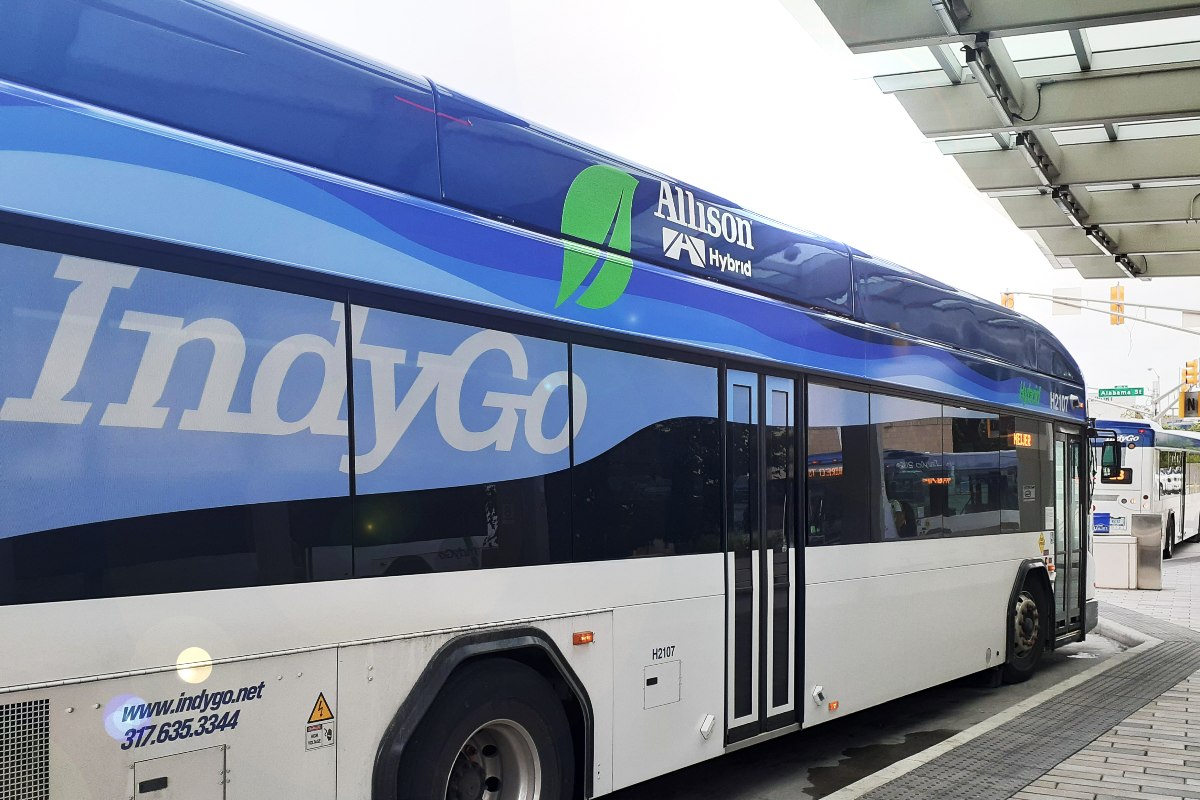
In terms of public transportation, we have a diverse portfolio. Our downtown area boasts a two-and-a-half-mile automated people mover known as the Skyway. We also operate the largest bus rapid transit network in the Southeast United States, the First Coast Flyer, covering 58 miles of premium bus service. Beyond that, we offer regular fixed-route services and around 16 micro-transit zones, which we call ReadiRide, serving smaller, dense communities and complementing our main corridor bus and rapid transit services.
Our belief in a holistic mobility network shapes our strategy moving forward, as outlined in Move2027
Additionally, we manage the St John’s River ferry, which became our responsibility in 2016. This ferry service is a source of pride for us. We also operate paratransit services, Connexion and Connexion Plus, catering to individuals with varying mobility needs. In addition, we sponsor services like Go Tuk’n and Beachside Buggies, designed to meet the unique mobility requirements of different communities.
Our belief in a holistic mobility network shapes our strategy moving forward, as outlined in Move2027. We’re actively leveraging technology to develop U2C and transition to a zero-emission bus fleet. Our goal is to promote zero-emission options throughout the entire spectrum of mobility in Duval County.
Furthermore, we’re committed to Vision Zero, which prioritises pedestrian and cyclist safety, ensuring they can share the roads securely within our community.
NF: That’s a great question, and it brings me back to my experience as the CEO and executive director of the San Francisco Municipal Transportation Authority (SFMTA). In the early 2000s, the citizens of San Francisco voted to create the SFMTA, unifying various transportation functions that were previously spread across different agencies. This move involved eliminating the Division and Commission of Parking and Traffic, dissolving the Muni Board responsible for transit operations, and eventually merging the Taxi Commission into one entity, the SFMTA. For me, it was the first time I had the opportunity to oversee the entire spectrum of transportation.
Professionally, it was undoubtedly challenging. Balancing the needs of pedestrians, bicyclists, drivers (both those parking and using the roadways), and integrating transit into the mix is no small feat. However, what we found was that this consolidation led to more balanced decision-making. It stopped pitting one mode against the other and encouraged a holistic approach in terms of project funding and design. We made sure to consider every mobility mode before making final decisions and moving forward.
Now, at the Jacksonville Transportation Authority (JTA), we don’t have control over all these modes. Still, we believe that with two of the largest road building and development agencies, as well as expertise in transit operations, we can encourage more holistic thinking in our community. While we may not directly manage parking, scooters, or bikesharing, we can certainly offer insights and expertise to contribute to discussions and debates. Our goal is to ensure a balanced approach to transportation in our city, avoiding the pitting of one mode against another.
Ultimately, the better we can move our city, the greater it will become. Sometimes we walk, bike, or use an automobile, and in other cases, public transit is the solution for mobility. Through our strategic plan, Move2027, we aim to provide professional and leadership insight that fosters a holistic approach to transportation in our community.
NF: Absolutely, the U2C programme is a prime example of our holistic approach at JTA, stemming from our organisation’s DNA and history. Several years ago, we were faced with the obsolescence of our automated people mover system. At that time, the decision wasn’t just about upgrading it; it was about fulfilling its original vision of a 10-mile monorail people mover system in downtown Jacksonville. However, when I took the helm in 2012, the system was struggling. It wasn’t receiving the ridership it needed, and there had been a lack of investment in its maintenance.
Our goal is to ensure a balanced approach to transportation in our city, avoiding the pitting of one mode against another
The decision to revitalise and extend the people mover’s reach was based on several factors. Downtown development was progressing rapidly, federal investments were available, and the concrete and steel structure still had a useful life. It was a combination of our transit division and roadway division that sparked the idea of incorporating autonomous vehicles and smart corridors into our plans.
As roadway builders, we began to consider the smart technology elements that could be integrated into our road projects. This was about more than just accommodating autonomous personal vehicles; it also led to discussions about incorporating these technologies into public transit vehicles.
With the expertise of our transit engineers and planners working in tandem with our roadway engineers and planners, we conceptualised extending the Skyway by seven and a half miles at street level while leveraging the existing two-and-a-half-mile aerial structure for increased efficiency. This concept evolved into U2C, where the original Skyway structure, once a monorail, is repurposed into an elevated roadway. Utilising our road-building capabilities, we bring the vehicles back to street level and, through dedicated lanes and smart traffic signal systems, enable them to operate seamlessly for the additional seven and a half miles at ground level.

What’s important to note is that this innovative idea didn’t develop in isolation within our organisation. We didn’t operate in silos, separating road projects from transit initiatives. Instead, our engineers and planners from all divisions worked collaboratively to find a comprehensive solution to address the obsolescence of the Skyway, modernise it, and extend its reach to fulfil its original vision of a 10-mile system.
Without JTA having the portfolio it does, you wonder whether a project like this would have come together in the first instance. With roadway and transit experts in one room together, wrestling with new technology on the roadway side, obsolescence on the transit side, and ageing infrastructure between them, there’s been a marriage of ideas that have led to one of the most exciting modern mobility projects in North America.
NF: The partnerships have been remarkable. As part of the trade mission between the City of Jacksonville and London, we’ve had the privilege to engage with various organisations and thought leaders. One of our early visits under the Jax USA banner led us to explore advanced manufacturing, autonomous technology, robotics, and artificial intelligence. During this mission, I had the pleasure of meeting with David Keene in Coventry, who is actively involved in autonomous vehicle initiatives as founder and CEO of Aurrigo.
This collaboration continued when I met with Gavin Jackson, CEO of autonomous software company Oxa (formerly Oxbotica), last year. The list of partnerships is extensive and continues to grow. We’re deeply involved with organisations like Benteler, Beep, and the Lake Nona community in the Orlando area of Florida. It’s exciting to see the partnership between Oxa and Beep evolve as they test vehicles on SunTrax in Florida’s heart at the Auburndale SunTrax facility.
Our engineers and planners from all divisions worked collaboratively to find a comprehensive solution to address the obsolescence of the Skyway
Locally, we have key partners like Matt Chang from Chang Industrial as well as Miller Electric, a long-standing electrical contractor that’s now venturing into this space. In delivering the Urban Circulator (U2C) project in Jacksonville, we’ve been collaborating with international partners such as ZF in Germany, and Omo in Australia, making this a truly global project. We’re all united in a shared goal: using autonomy to enhance the quality of mobility in our communities.
In addition to these key industry partnerships, we’ve established vital relationships with educational institutions. We signed a memorandum of understanding (MoU) with Florida State College in Jacksonville two years ago, allowing us to use its testing facility for vehicle trials and develop specialised curricula to prepare maintenance technicians for these cutting-edge technologies. Duval County Public Schools have also been part of our autonomous vehicles (AVs) roadshow programme, where we take AVs to schools and provide STEM-oriented lessons, encouraging young students to pursue careers in science, technology, engineering, and mathematics.
We’ve extended our partnerships to universities like the University of North Florida (UNF), Edward Waters University, and Jacksonville University. Together, we’ve created an ecosystem that not only supports autonomous vehicles but also extends to technology sectors like health tech and fintech. This collaborative approach has been pivotal in leveraging new technologies within our community.
The network of partnerships is both extensive and diverse, and it’s a testament to the commitment of many entities working toward the same goal: advancing mobility through autonomy. It’s truly been an exciting journey, and we’re thrilled to be part of this transformative effort in our community.
NF: Certainly, the U2C programme, with its unique scale and funding structure, offers a valuable example for other transportation authorities looking to integrate connected and autonomous vehicles (CAVs) into transit services. When fully built out over its 10-mile span, it will involve a substantial fleet of approximately 90 to 100 vehicles. This programme’s federal and state funding underscores the importance of a comprehensive and permanent deployment strategy.
Our peers and colleagues across the country are closely monitoring the JTA’s progress. While the downtown U2C project serves as the core, the insights gained from our experiences with autonomous vehicles will be invaluable, particularly for first and last-mile solutions. Autonomous vehicles, in my view, will not replace large buses and trains in terms of capacity in the near future. However, they are a vital component for enhancing mobility efficiently, given their driverless nature.
It’s crucial to mention that this initiative has broader implications, particularly for the workforce. We are committed to preparing our bus operators and maintenance personnel for the jobs of the future. We don’t aim to replace these roles; instead, we view autonomous vehicles as a way to increase ridership by addressing the first and last-mile challenges that deter the use of public transportation. So, we consider autonomous vehicles as a complementary service at this point.
This programme isn’t just about technology; it’s about creating a bigger vision and an ecosystem that improves the quality of life for everyone, regardless of whether they personally use these vehicles or not
Sustainability is a significant factor in the success of this project. The weight of what we’re doing is felt not just by our organisation but also by our peers and international observers. This includes stakeholders from the UK and across the world who are watching our progress closely. We are proceeding with great deliberation to ensure the success of this deployment. Our partners, including Balfour Beatty, Beep, Urban SDK, and Miller Electric, understand the responsibility they carry in delivering this project. It’s an ambitious journey, but we’re excited to be part of this transformative transition, akin to the shift from horse and buggy to the horseless carriage.
One piece of advice I would offer is to maintain a steadfast commitment to your vision and educate the citizens who are investing in these systems. Building confidence that you understand the technology and its long-term value proposition is essential. It’s about conveying the vision of the future, where opportunities and high-paying jobs are created for the community. This programme isn’t just about technology; it’s about creating a bigger vision and an ecosystem that improves the quality of life for everyone, regardless of whether they personally use these vehicles or not.
In summary, the U2C programme serves as a unique and valuable example for other transit authorities seeking to integrate CAVs into their services, with its holistic approach, funding structure, and its commitment to workforce development and community engagement. It represents a step forward in advancing transportation through autonomy.
Why not try these links to see what our SmartCitiesWorld AI can tell you.
(Please note this is an experimental service)
How does U2C integrate autonomous vehicles with existing transit infrastructure?What role do partnerships play in advancing Jacksonville’s autonomous mobility?How does JTA’s Move2027 plan promote zero-emission transportation options?In what ways does U2C address first and last-mile transit challenges?How is workforce development incorporated into Jacksonville’s autonomous vehicle strategy?