

A report by the Greenbelt Foundation urges municipalities in the Canadian province to integrate financial and land-use planning to create a smarter and more sustainable model for growth.
There needs to be more integration between financial and land-use planning by municipalities in Ontario if they are to create a sustainable model for growth, according to recent research.
A report by the Greenbelt Foundation studies financial tools that the Canadian municipalities can use to support smart growth and reduce long-term costs to ensure the continued success of the Ontario Greenbelt.
The Greenbelt Foundation is a charitable organisation solely dedicated to ensuring the Greenbelt remains permanent, protected and prosperous. Ontario’s Greenbelt is one of the world’s largest with more than two million acres of farmland, forests, wetlands and rivers working together to provide clean air, fresh water and a reliable local food source.
The Municipal Finances and Growth Planning in the Greater Golden Horseshoe report examines how financial and land management are closely tied together and should be mutually supportive. The Greater Golden Horseshoe (GGH) region in Southern Ontario is one of the most densely populated areas in Canada. It is expected to grow to nearly 15 million residents by 2051 and billions of dollars will be spent on creating and maintaining municipal infrastructure.
“Contrary to popular opinion, growth does not pay for growth in the GGH – especially when you take into account the long-term financial obligations for operating, maintaining, and refurbishing the infrastructure that growth entails”
The findings show that more efficient and integrated planning is needed to ensure municipal governments are generating revenue to address the financial needs of new development and infrastructure projects. In short: growth should pay for more of the costs associated with growth.
According to the Financial Accountability Office of Ontario, the municipal infrastructure backlog in the province was estimated to be $52bn in 2020. How municipalities raise their revenue can have a significant impact on the type, form, location, and timing of growth, and therefore, on growth management goals.
“Contrary to popular opinion, growth does not pay for growth in the GGH – especially when you take into account the long-term financial obligations for operating, maintaining, and refurbishing the infrastructure that growth entails,” said Ray Tomalty, consultant with Smart Cities Research.
“Given that compact, complete communities are usually more efficient not only from a land use but also a long-term financial point of view, one of the best ways to ensure financial sustainability is to better integrate financial considerations into growth management decisions being made today.”
“Significant investment is needed to provide the municipal infrastructure and services that will be required to meet the demands of housing affordability, as well as our growing Ontario population and economy”
The study was undertaken to analyse Ontario’s municipal finance system, its impact on decision-making with respect to the Greater Golden Horseshoe (GGH) growth plan, and to provide recommendations on how the process can be reformed to better align with the goals.
“Significant investment is needed to provide the municipal infrastructure and services that will be required to meet the demands of housing affordability, as well as our growing Ontario population and economy,” said Edward McDonnell, Greenbelt Foundation CEO. “Through this report, we are seeking to highlight where a stronger connection between municipal finance and growth goals can result in more sustainable cities and communities that can grow while also providing a high quality of life for residents.”
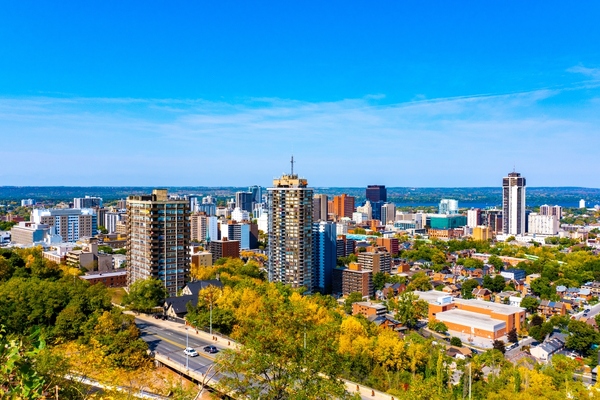
Nine municipalities were examined as part of this research: Halton Hills, Halton Region, Caledon, Peel Region, Waterloo, Waterloo Region, Markham, York Region and Hamilton. An expert panel of academics, agricultural associations, the development industry, home builder associations, environmental organisations, and provincial and municipal staff in finance and land-use planning was engaged to examine tools and processes in four categories.
The report provides insights into how some municipalities are implementing the strategies in innovative, money-saving ways and shares recommendations for further efficiencies, including:
Why not try these links to see what our SmartCitiesWorld AI can tell you.
(Please note this is an experimental service)
How can integrated financial and land-use planning improve municipal growth sustainability?What financial tools best support smart growth in Ontario municipalities?How do development charges influence intensification and mixed-use development?In what ways can property tax reforms promote efficient urban growth?How do user fees incentivize sustainable infrastructure and land use practices?