









BUILD YOUR OWN
RESOURCE LIBRARY



Podcasts
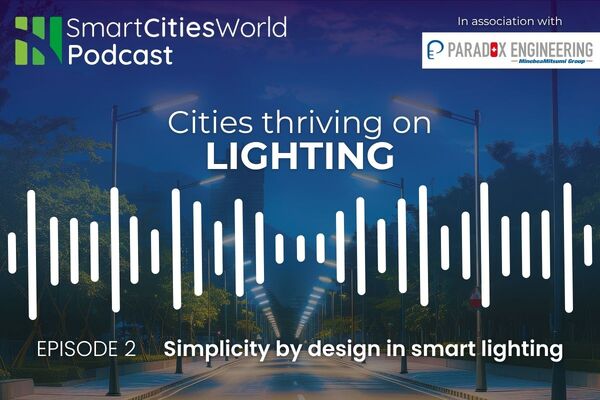
Cities Thriving on Lighting, Episode 2 – Simplicity by design in smart lightingSponsored by Paradox Engineering
Cities Thriving on Lighting, Episode 1 – Lighting as the backbone of the smart citySponsored by Paradox Engineering
Opinions

Transforming indoor public safety with smart sensor networksSponsored by Motorola Solutions
Three examples of how cities are boosting sustainability
How cities are taking proactive steps to address environmental challenges and promote sustainability to build a more resilient and eco-friendly urban future.


With Cop28 now upon us, the microscope will be firmly on how cities are taking proactive steps to address environmental challenges and promote sustainability. In the run up to this year’s UN-led climate summit, SmartCitiesWorld has been reporting on a number of recent initiatives in Jakarta and Glasgow, as well as on a comprehensive report on climate change and health threats to cities, which highlight the global commitment to building a more resilient and eco-friendly urban future.
1. Greater Jakarta clean air project
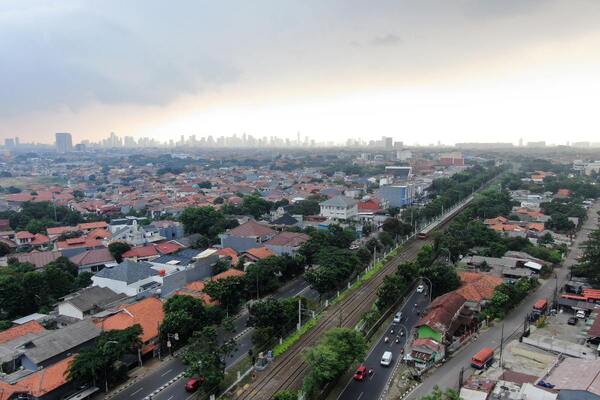
In Jakarta, the Indonesian capital is collaborating with Bloomberg Philanthropies and Indonesian-led climate foundation ViriyaENB to enhance air quality in the Greater Jakarta area. The focus of this initiative is to bolster technical expertise and data research on air pollution while developing policy recommendations. The ultimate goal is to create a national blueprint that will set improved air quality standards for cities across Indonesia. With air pollution posing significant health risks and environmental challenges, this collaborative effort showcases a commitment to combatting these issues at a local and national level.
2. Glasgow green funding model
In Glasgow, preparations are underway for the city’s new green funding model, aimed at securing investments for a “climate-resilient future”. The plan involves seeking partnerships capable of delivering large-scale interventions in various sectors, including energy systems, transport, buildings, and biodiversity. Glasgow’s commitment to sustainability aligns with the broader global agenda set by the UN for Cop28, as cities worldwide recognise the urgency of implementing green initiatives to combat climate change.
3. The impact of climate change on health
Ahead of the first dedicated health day taking place as part of Cop28, this week saw the publication of a new report, titled Healthy & Resilient Cities, which emphasises the need for cross-sector collaboration to address climate and health threats faced by urban populations. Authored by Bupa, C40 Cities, the Lancet Countdown, and the Norman Foster Foundation, the report calls for health to be placed at the core of city design, architecture, and urban planning.
It outlines the increasing health risks associated with climate change, such as heat-related deaths, mental health issues, and the spread of infectious disease, and advocates for partnerships between healthcare professionals, governments, businesses, urban planners, engineers, and architects, working hand-in-hand with local communities to create healthier and more climate-resilient living environments.
As Cop28 unfolds in Dubai, we’ll see more initiatives and research come to the fore, which underscore the vital role cities play in the global fight against climate change. By prioritising elements like air quality, sustainable funding, and health-centred urban planning, cities are laying the groundwork for a more sustainable and resilient future, and contributing to the success of the upcoming pledges that their nations will make in Dubai over the next fortnight.
Why not try these links to see what our SmartCitiesWorld AI can tell you.
(Please note this is an experimental service)
How can data research improve air quality standards in urban areas?What strategies support effective green funding models for climate resilience?How does cross-sector collaboration enhance health outcomes in cities?What urban planning methods reduce heat-related health risks from climate change?How can partnerships between governments and communities boost sustainability efforts?Latest City Profile
SmartCitiesWorld Newsletters (Daily/Weekly)
You may also like these related articles...
BECOME A MEMBER
© 2026 SmartCitiesWorld
Smart Cities World Ltd, 37 Lombard Street, London, EC3V 9BQ