













 22 - 26 June 2026: Find out more




BUILD YOUR OWN
RESOURCE LIBRARY



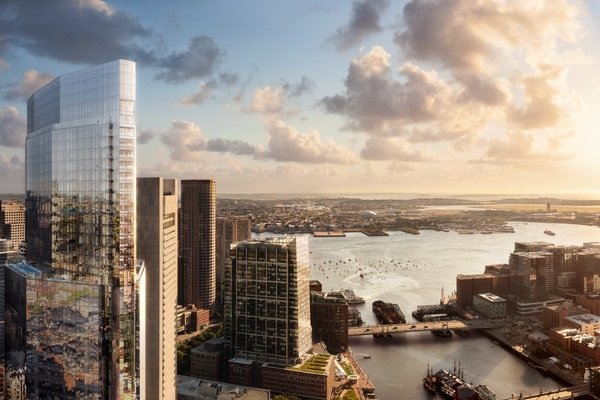
Boston tackles digital divide with connected city plan
The plan will be based on the findings of the city’s recent digital equity assessment and seeks to ensure all citizens thrive with improved access to digital technologies.


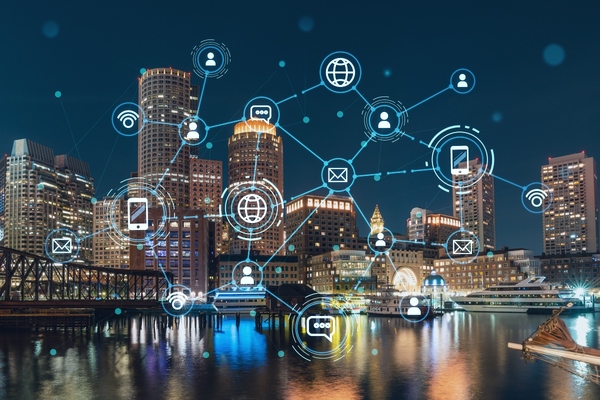
Boston is developing a plan for a more connected city based on the results of a digital equity assessment. It wants to expand digital services and ensure all residents thrive with improved access to digital technologies.
The City will engage residents, service providers, and other key partners to develop the plan, which will guide the City’s digital equity work across departments and be shared with the state as it develops its digital equity plan.
Digital equity assessment
The Boston Digital Equity Assessment features an analysis of broadband availability, digital equity programmes, and fibre build costs. It was prepared for the City by CTC Technology and Energy (CTC) and identified that in the past decade Boston residents have gained increased access to different internet service providers.
This increase in options has led to higher quality and lower costs given the same level of connectivity. The assessment also notes that affordability, quality of service, skills and attitudes continue to present gaps for some communities, especially households that already require housing support or face other barriers.
“Access to the internet is not an optional amenity that should be rationed by ability to pay: it is an essential utility for work, school, and civic participation for every Bostonian”
This assessment has informed the City’s current initiatives in the short term and will guide the City’s Department of Innovation and technology (DoIT) next steps to improve data around existing digital gaps and needs.
“I’m proud that the Boston City Council proactively funded this study and also recently dedicated $2m in American Rescue Plan funds to programmes to improve digital equity across all our communities,” said councillor Kenzie Bok, chair of the Committee on City Services and Innovation Technology.
Read More
“Access to the internet is not an optional amenity that should be rationed by ability to pay: it is an essential utility for work, school, and civic participation for every Bostonian.”
At the beginning of the pandemic around 32,000 households did not have broadband access. City of Boston chief information officer Santiago Garces reports that 30,000 households in Boston have now been enrolled in new federal broadband benefits available through the Affordable Connectivity Programme.
He added: “Since May of this year our team has worked to enrol almost 10,000 households through close partnership with service providers and community organisations. We have more work ahead, especially as we work to make digital access more resilient to changing circumstances as we saw during the pandemic.”
The City intends to select a partner to develop a digital equity survey that will be used as a key mechanism moving forward to more consistently engage Boston residents around their digital access. The survey aims to identify areas of need in specific communities and serve as a foundation for the City to work collaboratively to address gaps with those groups. The survey will be designed and delivered throughout the next year.
Why not try these links to see what our SmartCitiesWorld AI can tell you.
(Please note this is an experimental service)
How will Boston's digital equity plan improve broadband affordability?What role do fibre networks play in Boston's connected city strategy?How will the digital equity survey identify community-specific access gaps?In what ways will partnerships enhance enrollment in federal broadband programs?How does Boston plan to ensure digital access resilience post-pandemic?Latest City Profile
SmartCitiesWorld Newsletters (Daily/Weekly)
You may also like these related articles...
BECOME A MEMBER
© 2026 SmartCitiesWorld
Smart Cities World Ltd, 27 Clements Lane, London, EC4N 7AE