





The model pairs schools with community-based organisations to provide integrated support and services and also aims to connect schools to neighbourhoods.
Chicago mayor Brandon Johnson, Chicago Public Schools (CPS), and the Chicago Teachers Union (CTU) have announced the expansion of the Sustainable Community Schools (SCS) model.
It grows the model from 20 to 36 participating schools across the city and reflects the City’s deepening commitment to transforming schools into vibrant community hubs.
Launched in 2018 as a joint initiative between CPS and CTU, the SCS model centres on community voice and collaboration to address both academic and non-academic needs. The model pairs schools with community-based organisations to provide integrated support, including health and wellness services, trauma-informed care, restorative justice practices, and expanded after-school learning.
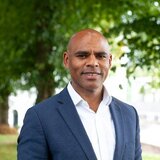
“As a former educator and community organiser, I understand the power of schools that are deeply connected to the neighbourhoods they serve,” said Johnson. “The expansion of the Sustainable Community Schools model is an investment in our children, our families, and the future of our city. It reflects our shared belief that every student deserves access to a supportive, inclusive, and opportunity-rich learning environment.”
“The expansion of Sustainable Community Schools reflects the District’s commitment to equity and community voice”
With this expansion, 16 additional schools across Chicago will begin implementing the SCS model, receiving resources and partnership support that enhance student learning, promote family engagement, and strengthen school-community ties.
“The expansion of Sustainable Community Schools reflects the District’s commitment to equity and community voice,” said Dr Macquline King, CPS interim CEO/superintendent. “We know that students do best when schools are equipped to support their academic, emotional, and social wellbeing. This model recognises and supports our schools as the anchors they are for students, staff and families.”
The Board of Education affirmed this vision by passing a resolution in December 2023, officially naming Community Schools a strategic priority within CPS’s Success 2029: Together We Rise five-year strategic plan. The initiative advances the plan’s goal of ensuring that every school becomes a community hub, a place where educators, families, students, and community partners come together to promote collective wellbeing.
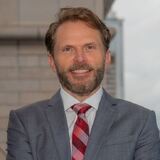
“Expanding this model allows us to build on the strengths of our communities and ensure that every child has access to the resources they need to succeed both in and out of the classroom,” said Chicago Board of Education president Sean Harden. “This is how we create lasting change based on community leadership and shared responsibility.”
This strategic expansion prioritises historically underserved communities and aligns with the District’s equity framework, which seeks to close opportunity gaps and elevate student voice. Planning and community engagement for the newly selected schools are already underway, with full implementation beginning in the 2025-26 school year.
“This is how we create lasting change based on community leadership and shared responsibility”
“Sustainable Community schools are more than a place where lessons are taught. It’s where a child gets a hot meal, a health checkup, a trauma counsellor and the wrap-around services they need to grow, thrive and achieve,” said Stacy Davis Gates, CTU president.
“With 16 new schools joining the Sustainable Community Schools family, we are deepening our commitment to equity and it comes at a time when students and their families need it the most.”
A list of the Sustainable Community Schools and their lead partner agencies can be found here Sustainable Community Schools Page.
Why not try these links to see what our SmartCitiesWorld AI can tell you.
(Please note this is an experimental service)
How does the Sustainable Community Schools model integrate health and wellness services?What role do community-based organisations play in supporting student academic success?How does the expansion prioritize equity in historically underserved Chicago communities?In what ways does the model promote family engagement and school-community ties?How does trauma-informed care contribute to student wellbeing in Sustainable Community Schools?