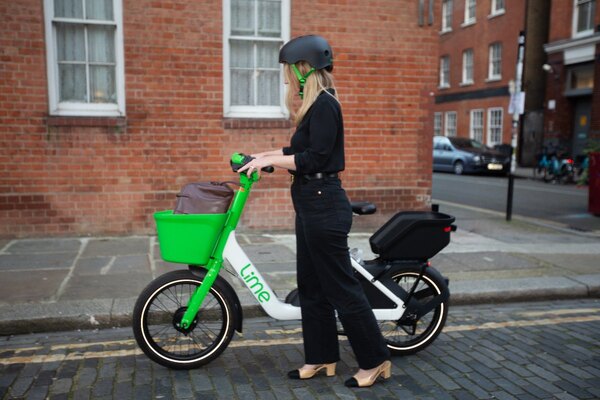








The LimeBike model introduces a suite of technology and design changes aimed at welcoming a wider range of riders to shared micromobility across the UK.
At a glance
Who: Lime.
What: The shared e-bike provider has announced plans to roll out its latest-generation e-bike model, the LimeBike, across UK cities
Why: It reflects its continued support for sustainable and active travel for UK cities and reaffirms its commitment to getting more people cycling across the country.
Where: The rollout begins with Oxford and Milton Keynes this week and then London, Nottingham and the West Midlands.
Shared e-bike provider Lime has announced plans to roll out its latest-generation e-bike model, the LimeBike, across UK cities, beginning with Oxford and Milton Keynes this week.
According to Lime, the LimeBike introduces a suite of design changes aimed at welcoming a wider range of riders to shared micromobility.
Lime also reports the launch of LimeBike reflects its continued support for sustainable and active travel for UK cities and reaffirms its commitment to getting more people cycling across the country.
The new model will be rolled out gradually in UK cities from this month including London, Nottingham, and the West Midlands.
Designed by Lime’s in-house R&D team, LimeBike incorporates a host of new technology and accessibility features:
As part of the rollout, Lime will also pilot a small number of its LimeBikes with rear cargo storage in Oxford. The addition of rear cargo will provide extra space for shopping, work equipment and everyday essentials, helping make shared e-bikes more practical for everyday trips.
Despite the growth in cycle rates, research suggests that there is still significant gender and age gaps in UK cycling participation. Men make over three times as many cycling trips as women and only one per cent of older people’s journeys are made by bike.
Lime is aiming to tackle this with its new LimeBike innovation. Designed based on feedback from groups traditionally underrepresented in Lime’s active riders – including women and seniors – its new features aim to make it Lime’s most inclusive vehicle to date. The repositioned battery, updated wheels and lower centre of gravity make it more accessible to a wider range of riders.
“We’ve listened to everything our riders told us across the world, and built something that combines smart connectivity, easy handling and sharp performance”
Jon Jenkins, chief technology officer, Lime, said: “The UK has a newfound love of cycling, from the daily commute to weekend rides and all the journeys in-between. We wanted to build a bike that matches that passion. We’ve listened to everything our riders told us across the world, and built something that combines smart connectivity, easy handling and sharp performance.”
Jenkins added: “But away from the tech, we’ve designed this model to be more inclusive, more intuitive, and more adaptable – you don’t have to be clad in lycra to enjoy the LimeBike. So whether you’re a seasoned cyclist or getting back into cycling for the first time in years, you can jump on a Lime and feel confident to get where you need to go. We’re excited to be working with local councils to start the rollout across the UK.”
Lime partners with cities to deploy electric bikes and scooters to serve any trip under five miles. A 2025 Time Magazine 100 Most Influential Company, Lime claims that it has powered more than one billion rides in close to 30 countries across five continents, spurring a new generation of clean alternatives to car ownership.
Why not try these links to see what our SmartCitiesWorld AI can tell you.
(Please note this is an experimental service)
How will LimeBike's upgraded location tech improve designated parking accuracy?How does the low step-through frame enhance accessibility for older riders?How will modular design and replaceable components reduce lifecycle waste?How might rear cargo storage increase e-bike practicality for everyday shopping?How can outreach with local councils boost cycling among women and seniors?