











 22-26 June 2026: Find out more



BUILD YOUR OWN
RESOURCE LIBRARY



Podcasts
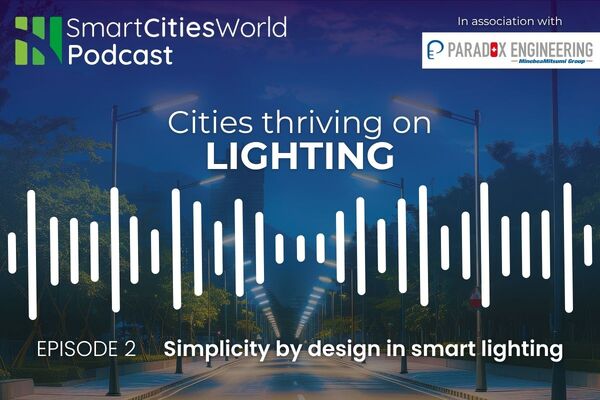
Cities Thriving on Lighting, Episode 2 – Simplicity by design in smart lightingSponsored by Paradox Engineering
Cities Thriving on Lighting, Episode 1 – Lighting as the backbone of the smart citySponsored by Paradox Engineering
Opinions

Transforming indoor public safety with smart sensor networksSponsored by Motorola Solutions
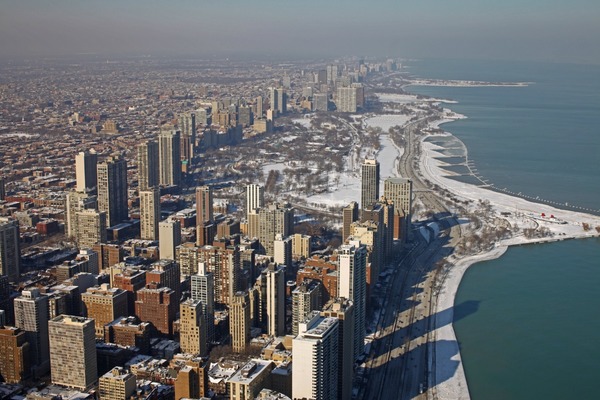
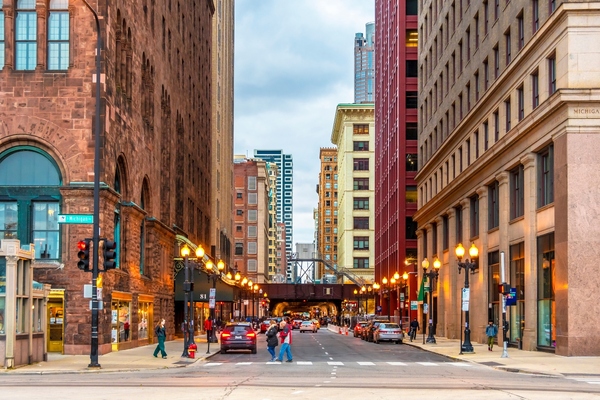
Chicago achieves renewable milestone for city buildings
As of 1 January 2025, all City-owned buildings – including O’Hare Airport and Harold Washington Library – are 100 per cent sourced by renewable energy.


The City of Chicago reports that it has achieved its goal of transitioning all City facilities and operations to 100 per cent renewable energy.
With this step, Chicago reckons it has become one of the largest cities in the US sourcing the power for its operations with renewable energy.
Transition to renewable energy
This milestone was officially reached on 1 January 2025, following several years of collaboration between the City, nonprofit partner Elevate, retail electricity supplier Constellation, and Swift Current Energy.
Chicago claims the project fulfils a long-term advocacy campaign, Ready for 100, led by Sierra Club and local community organisations, to encourage the city to make the transition to renewable energy.
“With this transition to renewable energy, we are achieving a goal that the City has been working towards for years”
The combined efforts of these groups led to an energy supply agreement and community benefits agreement that enrich the people and environment of Chicago and Illinois. As part of the City’s energy supply agreement with Constellation, 70 per cent of Chicago’s renewable energy will come from Double Black Diamond, a new, 593-megawatt solar generation installation developed by Swift Current Energy in downstate Sangamon and Morgan counties. The remaining 30 per cent will come from purchased renewable energy credits.
“Chicago is committed to taking bold steps as the world faces climate crises,” said Brandon Johnson, mayor of Chicago. “With this transition to renewable energy, we are achieving a goal that the City has been working towards for years and fulfilling a promise to Chicagoans via the creation of clean jobs and meaningful progress toward a sustainable future.”
Read More
With an annual energy use of approximately 800,000 megawatt hours, the City of Chicago claims it is poised to take a significant step towards its emissions reduction goals by transitioning to renewable energy.
The transition is expected to cut Chicago’s carbon emissions by 290,000 metric tons per year, the equivalent of removing 62,000 cars from the road; this brings the city closer to the goal of a 62 per cent reduction in greenhouse gas emissions by 2040 through direct investment and action by the City of Chicago, as outlined in the 2022 Chicago Climate Action plan.
“By moving to renewable energy for City operations, we’re moving closer to our goal of making all energy consumed in Chicago renewable by 2035, and ultimately to a more sustainable future for all”
“From both an environmental and equity perspective, this is a major achievement for the City,” said Angela Tovar, Chicago’s chief sustainability officer and Department of Environment commissioner.
“As one of the nation’s largest cities, we have a responsibility to lead through climate action that benefits the people and the planet. By moving to renewable energy for City operations, we’re moving closer to our goal of making all energy consumed in Chicago renewable by 2035, and ultimately to a more sustainable future for all.”
The transition also supports job creation and new economic opportunities for residents of Chicago and Illinois. As a result, the City became one of the first public customers to receive the Clean and Equitable Jobs (CEJA) self-direct credit, earned by complying with CEJA’s labour and equity provisions. As the City continues to push forward renewable energy initiatives, there will be a continued emphasis on jobs, training and career opportunities for Chicago residents.
Why not try these links to see what our SmartCitiesWorld AI can tell you.
(Please note this is an experimental service)
How does Chicago's renewable energy transition reduce carbon emissions annually?What role does the Double Black Diamond solar installation play in Chicago's energy supply?How does the Clean and Equitable Jobs Act support job creation in Chicago?What are the key partnerships involved in Chicago's renewable energy milestone?How will Chicago achieve its goal of 100% renewable energy citywide by 2035?
Latest City Profile
Latest Urban Exchange Podcast
Latest Special Report
SmartCitiesWorld Newsletters (Daily/Weekly)
You may also like these related articles...
BECOME A MEMBER
© 2026 SmartCitiesWorld
Smart Cities World Ltd, 37 Lombard Street, London, EC3V 9BQ