








ao link

Webinars

Webinar (3 Mar): Preparing for AI - understanding the data groundwork with Sunderland

Webinar (3 Mar): Preparing for AI - understanding the data groundwork with Sunderland

OnDemand Panel Discussion: Digital twins and AI as the intelligent operating layer for cities

OnDemand Panel Discussion: Digital twins and AI as the intelligent operating layer for cities

Special Reports

Building AI-ready cities: from pilots to public trust 

Building AI-ready cities: from pilots to public trust 

City attractiveness as a new measure of urban success

City attractiveness as a new measure of urban success

Smart Cities Reports

SmartCitiesWorld City Profile – Dublin

SmartCitiesWorld City Profile – Dublin

SmartCitiesWorld City Profile 2024 – City of Madrid

SmartCitiesWorld City Profile 2024 – City of Madrid

Podcasts

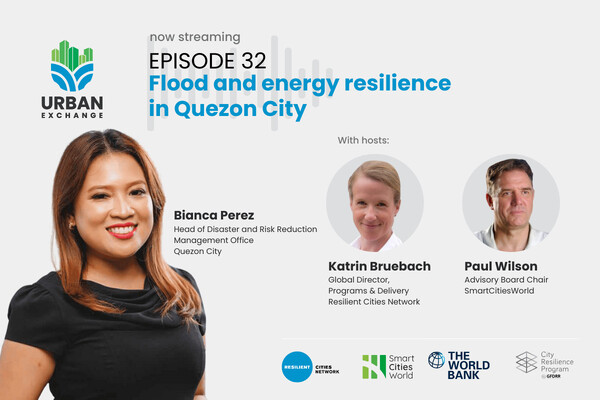
Urban Exchange Podcast Episode 32 – Flood and energy resilience in Quezon City

Urban Exchange Podcast Episode 32 – Flood and energy resilience in Quezon City

Opinions

Introducing AI CityXchange: focusing on the real work of AI in cities

Introducing AI CityXchange: focusing on the real work of AI in cities

Spin sets carbon negative sustainability goal by 2025
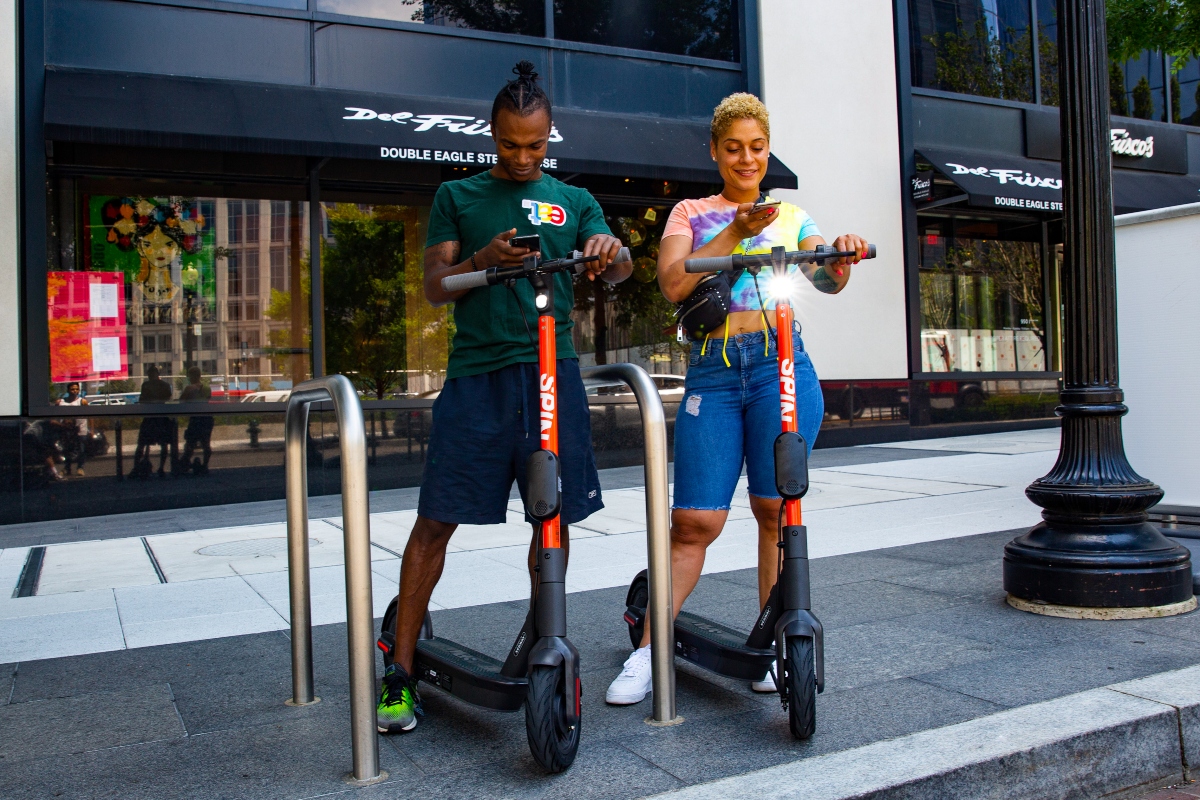
The Ford micro-mobility company will seek to achieve sustainability goals through a combination of electrifying operations, renewable power and “aggressive mode” shift away from private automobiles.

LinkedInTwitterFacebook
Spin's portfolio of micro-mobility offerings includes electric scooters

Spin, the micro-mobility unit of Ford Motor, has announced its sustainability ambition to achieve net negative emissions, eliminating more carbon than it produces by 2025.


The company will seek to achieve this through a combination of electrifying operations, renewable power, lowering manufacturing impacts, and “aggressive mode” shift away from private automobiles.


Sustainability goal


“Our sustainability goal is part of the commitments we have made to many cities where we operate and we plan to keep them,’’ said Derrick Ko, CEO and co-founder of Spin.


“From New York and Chicago to Paris and London, cities around the world are setting ambitious goals to combat climate change. We will rise to the occasion and transform the way we do business.”


The company is taking on this challenge by committing to four goals that contribute the most to carbon emissions:

  • Transition operations to 100 per cent plug-in hybrid and battery electric vehicles
  • Transition power for recharging to 100 per cent renewable energy
  • Integrate rider mode shift as a core company sustainability metric
  • Achieve a minimum 24-month lifetime for Spin vehicles and 100 per cent landfill diversion.

According to Spin, achieving this “ambitious and important” goal is dependent on setting accurate metrics from the start. It is conducting an ongoing internal audit of its carbon emissions across each aspect of the business in line with Greenhouse Gas Protocol.

“If we are truly offering a more sustainable mode of transportation to cities, we should be eliminating more carbon than we produce”

This “carbon accounting” process will provide a baseline understanding of its current emissions performance as a company in manufacturing, operations, and power, to help identify greatest opportunities for improvement.


“We have to hold ourselves accountable for tracking the carbon emitted in providing our service. This is made easier by the fact that we employ a majority of the people deploying, collecting and recharging our scooters, using Spin vans and warehouses,” added Shivam Vohra, senior programme manager of sustainability initiatives at Spin.


“Operators relying on all gig workforces – using personal vehicles and charging at home – face a difficult challenge in accounting for these emissions. “If we are truly offering a more sustainable mode of transportation to cities, we should be eliminating more carbon than we produce.”


In July, Ford Motor Company released its 2020 Sustainability Report outlining key components that will help the company meet its own goals of carbon neutrality.


Transitioning operations


Ford said it will similarly play a key role in Spin’s plans especially in meeting its goal of transitioning operations vehicles to 100 per cent electrified. Spin plans to begin transitioning its vehicles used to deploy and collect scooters to Ford Transit plug-in hybrid electric vehicles (PHEVs) in 2021 in Europe and upcoming Ford Transit fully battery electric (BEV) in 2022 in the US, with 100 per cent adoption across all Spin markets by 2025.


Ford claims these vehicles not only minimise reliance on fossil fuels, but are also equipped with powerful technology to track critical sustainability data, facilitate more efficient operations, and even automatically enter electric-only mode within cities’ low emission zones and downtown core.


You might also like:

LinkedInTwitterFacebook
Add New Comment
You must be a member if you wish to add a comment - why not join for free - it takes just 60 seconds!

Latest City Profile

SmartCitiesWorld City Profile – Dublin

SmartCitiesWorld City Profile – Dublin

SmartCitiesWorld Newsletters (Daily/Weekly)

Our editorial newsletter pulls together our latest news items into one email, direct to your inbox. We also feature our latest city interviews, Special Reports and Guest Opinions.