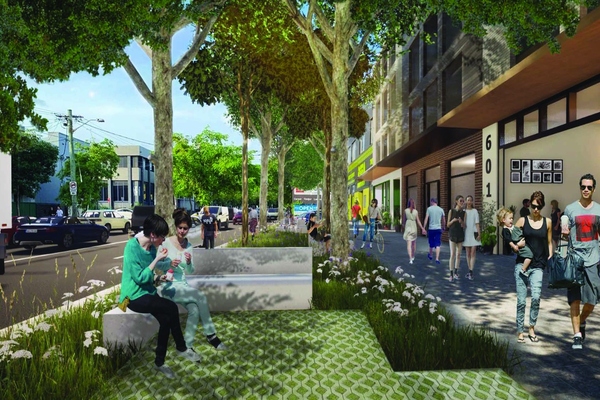

The study, based on international best practice and data tracking, aims to further the vision of a city centre with quality public spaces, major new squares and more room for walking, cycling and relaxing.

The City of Sydney has released a new study that will help the City progress development of its new long-term strategic plan, Sustainable Sydney 2050, towards a “more attractive and liveable city”.
Based on international best practice and data tracking, Public Space and Public Life by urban design firm Gehl, the analysis furthers its vision of a city centre that puts people first with new quality public spaces. This includes three major new squares and more room for walking, cycling and relaxing.
“We’re looking beyond traffic and basic infrastructure to create a city people want to live, visit, work and spend time in,” said lord mayor Clover Moore.
“The pandemic has thrown a spotlight on how critical quality outdoor public space and active transport links are. It has also shown that through strong partnerships between all levels of government, businesses and the community, we can transform our city.
She continued: “Cities need to be enjoyable to walk through and relax in. More quality public space, or outdoor living rooms where people can meet and socialise, supports a healthier, more equitable and economically viable city centre.”
In 2007 the City commissioned Gehl to help it progress on this path, and among the many recommendations it has carried through in the 14 years since include: 80,000 square metres of public space has been added to the City’s footprint; George Street is now a pedestrian boulevard; a light rail corridor was built with space for people to walk and sit; and lively city centre laneways are buzzing with diners and artworks.
“More quality public space, or outdoor living rooms where people can meet and socialise, supports a healthier, more equitable and economically viable city centre”
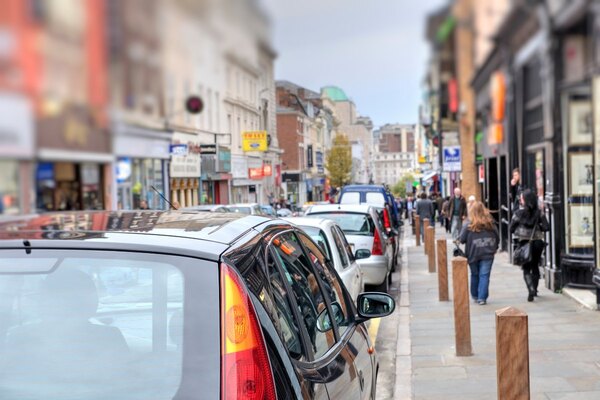
The new study outlines several issues facing the city centre. These include: cars dominating the streets; buses using too many roads; crowded footpaths; and the need to complete the City’s separated bike network. The report focuses on environmental sustainability and climate action, increasing space for walking and cycling and making the city welcoming for all.

Specific proposals include the creation of three public squares at Town Hall, Circular Quay and Central Station, a continuous harbour walk, and the transformation of some of the city’s busiest streets like York, Clarence, Pitt and Castlereagh, from traffic corridors to destinations.
Recommendations include:
A green and cool city
A protected heart
A city for all
City identity
The lord mayor also revealed long-term plans for four new “green avenues” – arterial roadways identified for transformation with reduced traffic, increased tree plantings and space for people. The roads identified include Broadway, Park Street, Oxford Street and Botany Road.
“As changes transition from temporary measures to permanent design we must continue to champion cities for people as a true antidote to the many social, health and equity challenges we will continue to face”
“City centres are important and what were once considered radical ideas have been implemented with urgency over the past year,” added Jan Gehl, world-renowned Danish urban designer.
“We’ve been jolted into seeing what qualities our shared spaces – or lack thereof – truly provide for daily life and collective wellbeing. With this new, visceral perspective of place, we have better conditions for people, to walk, bike and gather in cities.
“As changes transition from temporary measures to permanent design we must continue to champion cities for people as a true antidote to the many social, health and equity challenges we will continue to face.”
You might also like:
Why not try these links to see what our SmartCitiesWorld AI can tell you.
(Please note this is an experimental service)
How will new public squares improve pedestrian flow and social interaction?What strategies increase tree canopy and greening in urban public spaces?How can separated bike networks enhance sustainable city mobility?What role does public art play in expressing Sydney's city identity?How will reducing traffic on arterial roads support environmental goals?