















BUILD YOUR OWN
RESOURCE LIBRARY



Opinions

Transforming indoor public safety with smart sensor networksSponsored by Motorola Solutions

How AI will define cities and mobility in 2026Sponsored by ST Engineering
Taking the pressure off
Benefits achieved by i2O’s clients include 20 to 40 per cent reduction in leakage, bursts, operational costs and energy bills


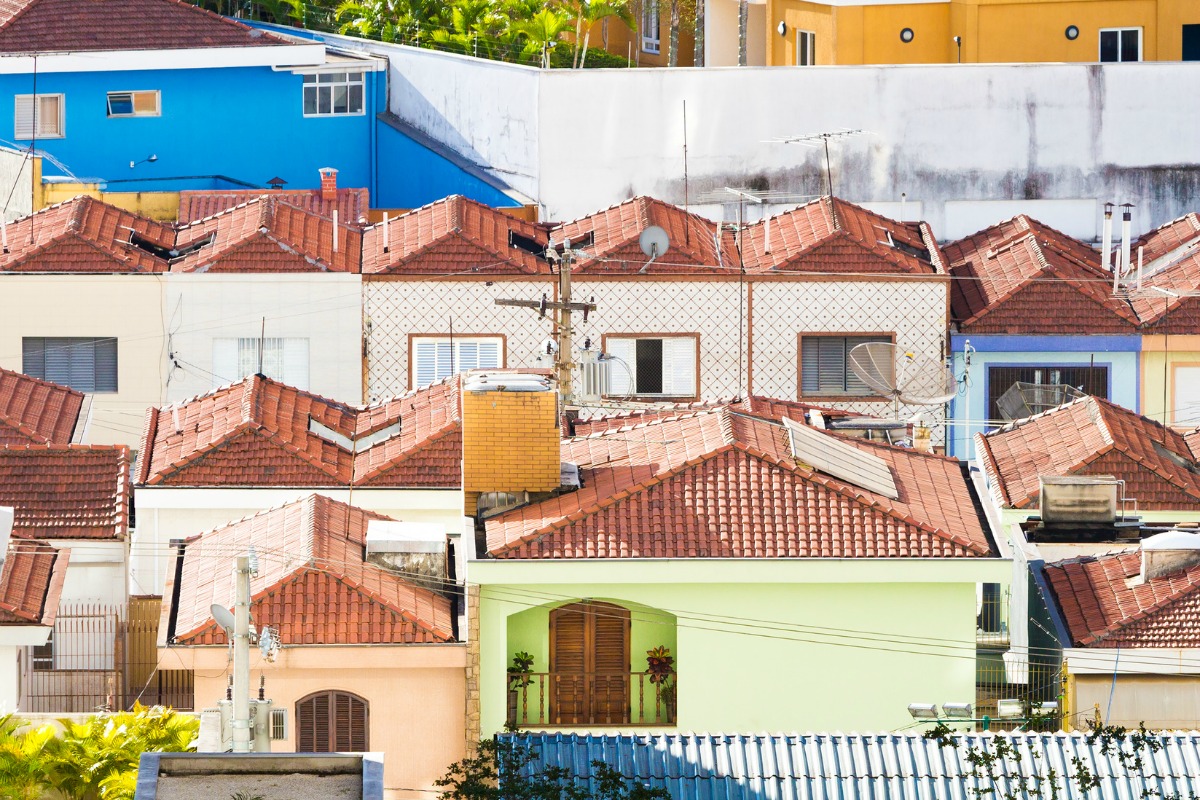
The system will provide São Paulo-based SANASA with visibility into its network
Technology and services company Itron has signed a contract with SANASA, a public water supply and sanitation company in Campinas, São Paulo, Brazil, for a smart pressure management system.
SANASA will use i2O’s Smart Pressure Management solution to help minimise non-revenue water by reducing physical water losses in the distribution network.
The technology automatically and continuously optimises water pressure according to consumption and day-to-day changes in flow. It conserves water resources through reduced leakage and bursts, reducing the carbon footprint of operating distribution networks.
It will provide SANASA with visibility into network performance and remote control of pressures to reduce operating costs, better serve customers and extend the life of network infrastructure.
“We have great expectations as we use this solution and high-tech equipment, which is designed to improve the performance of pressure management and help ensure the demands required by the population with the lowest water supply are met,” said Lina Cabral Adani, water losses manager at SANASA.
The business benefits achieved by i2O’s clients include 20 to 40 per cent reduction in leakage, bursts, operational costs and energy bills and a significant life extension of their asset.”
“Itron looks forward to working closely with SANASA to address its water losses and better manage this precious resource,” said Samuel Lee, Itron vice president of sales, marketing and solutions for Water in Latin America. “
i2O’s technology plays a key role in managing precious water resources and reducing non-revenue water and associated energy costs, helping utilities realise efficiencies.”
Why not try these links to see what our SmartCitiesWorld AI can tell you.
(Please note this is an experimental service)
How does smart pressure management reduce water leakage in distribution networks?What operational cost savings result from using i2O's pressure management system?How does pressure optimization contribute to lowering the carbon footprint of water utilities?In what ways can remote pressure control extend the life of water infrastructure?What measurable benefits have SANASA experienced from implementing i2O's technology?EnergyEnergy & EnvironmentFeaturedi20 WaterItronLatin AmericaLina Cabral AdaniNetworkPopulationSamuel LeeSANASAsmart pressurewater
Latest City Profile
SmartCitiesWorld Newsletters (Daily/Weekly)
You may also like these related articles...
BECOME A MEMBER
© 2026 SmartCitiesWorld
Smart Cities World Ltd, 37 Lombard Street, London, EC3V 9BQ