Delve into how artificial intelligence is reshaping urban infrastructure to meet the rising pressures of climate change, ageing systems, and rapid urban growth.
Discover how cities can expand their fiscal and institutional capacity to attract and manage climate finance. This session explores the role of digital tools for tracking and reporting, data platforms for transparency, and innovative approaches that allow cities to unlock new sources of investment.
As cities confront the combined pressures of climate change, infrastructure resilience and digital transformation, the SmartCitiesWorld Summit 2026 will bring together urban leaders and partners during London Climate Action Week to explore how these agendas intersect – and how cities can translate strategy into practical action.
Discover how this year’s Cities Climate Action Summit puts the spotlight on the switch to clean and renewable energy, and the importance of energy-efficiency.
Find out how Sunderland is repositioning itself as a leading smart city – using digital infrastructure and low-carbon innovation to build a resilient, future-focused economy in the latest SmartCitiesWorld City Profile.
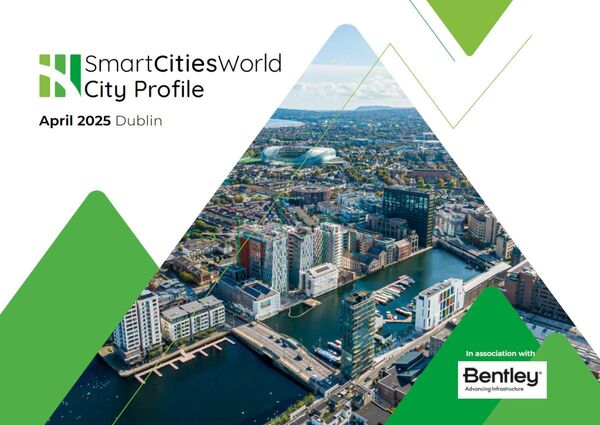
Find out how Dublin is innovating to improve experiences and services for its communities in the latest SmartCitiesWorld City Profile, including digital twin projects, traffic reduction, and economic growth.
Tune in for the latest Urban Exchange where we get a first-hand account of city resilience measures from Quezon City following unexpected extreme rainfall.
Join us for a journey of collaboration on the Urban Exchange Podcast, where we discover how Resilient Sydney is aligning more than 30 local councils on a single resilience plan.
Latitudo 40 sits at the convergence of satellite imagery analysis and AI and will demonstrate the vital role satellite data has to play in helping cities tackle the challenges of climate change.
SSE Energy Solutions will show how by leveraging the power of smart city data, cities have a key role to play in lowering carbon emissions and energy consumption and costs.
EV charge point operator Believ has partnered with the Big Ideas Programme to support students in Suffolk to address local and global environmental challenges.
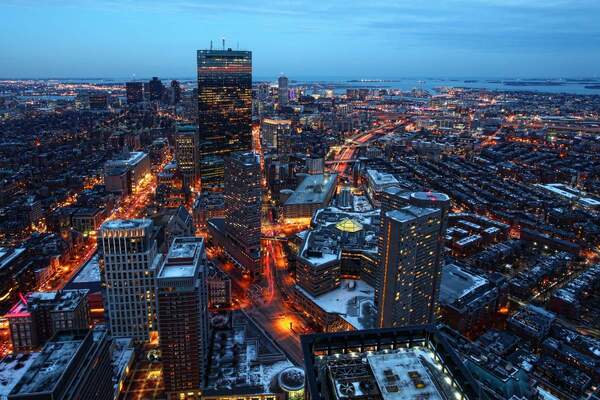
The City’s plan provides a roadmap for how Boston will achieve net zero emissions by 2050 and increase resilience against sea level rise and extreme weather.
Council has adopted an ordinance to formally participate in the Community Clean Energy Programme, expanding access to net-100 per cent renewable electricity.
The installation and complete energy retrofit at the Toman branch enables the building to offset 43 per cent of its electricity consumption with solar energy.
C40 cities highlight renewables as the most effective path to securing affordable, reliable power at First Conference on Transitioning Away from Fossil Fuels.
Winners of the Sustainable Cities Challenge are driving innovation in the areas of electric semi-trikes, hydrogen production, and fast-charging battery systems.
Flood IQ from Jacobs uses advanced AI to turn water and drainage data into actionable intelligence for preparedness, response and long-term resilience planning.
The comprehensive framework aims to protect the existing canopy, expand tree planting, and cultivate long-term stewardship across public and private land.
The first update in five years came just ahead of the start of San Francisco Climate Week, which will bring together more than 60,000 people for 700 events.
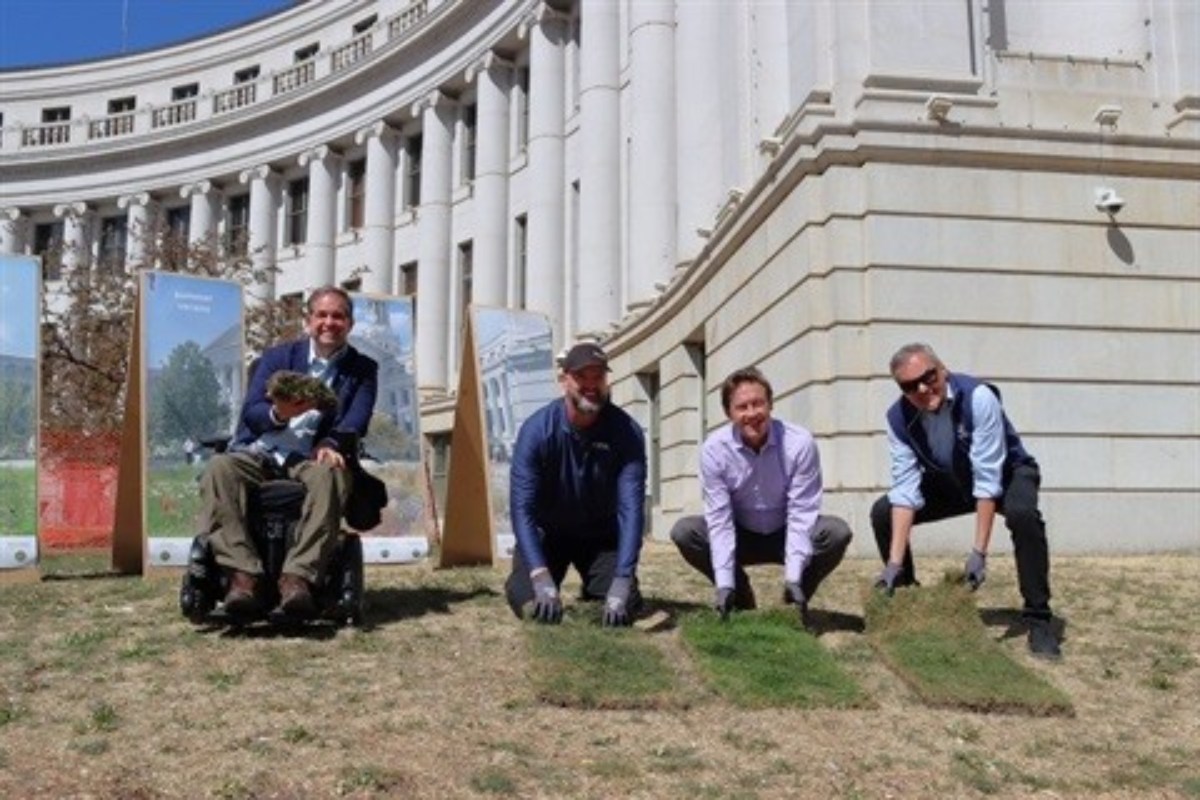
It is converting turf around Denver City and County Building to a diverse landscape of primarily native grasses and wildflowers which will conserve water.
The foundational dataset is designed to help rural and urban developers in England to support the target of providing a 10 per cent Biodiversity Net Gain.
As part of the City’s ongoing Public Electric Vehicle Charging Programme, it is working with EVerged to install chargers at libraries and recreation centres.
The City and the Mass Clean Energy Centre have announced $500,000 in funding to explore the feasibility of using clean thermal energy from Boston-area water.
The Green Heat Network Fund has developed a set of draft contracts for district heating schemes, which includes a new recovered heat contract template.
A report from C40 Cities explains how cities can develop investable project pipelines, reduce risk, and mobilise private finance for climate adaptation.
It comprises 50-plus actions creating a path for the City to reach carbon neutrality by 2045, double local solar production and install 120,000 EV chargers.
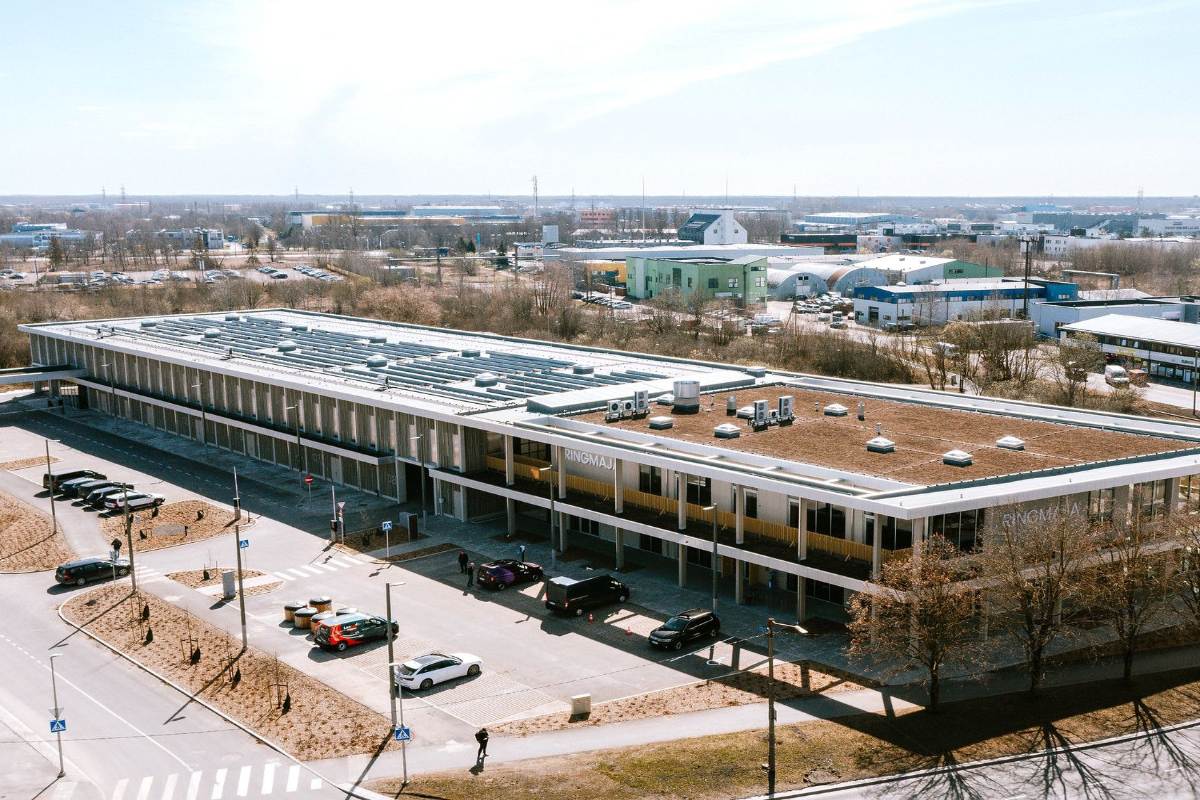
The Lasnamäe Circular Economy Centre aims to bring environmentally friendly solutions closer to residents and help embed the use of them in everyday life.
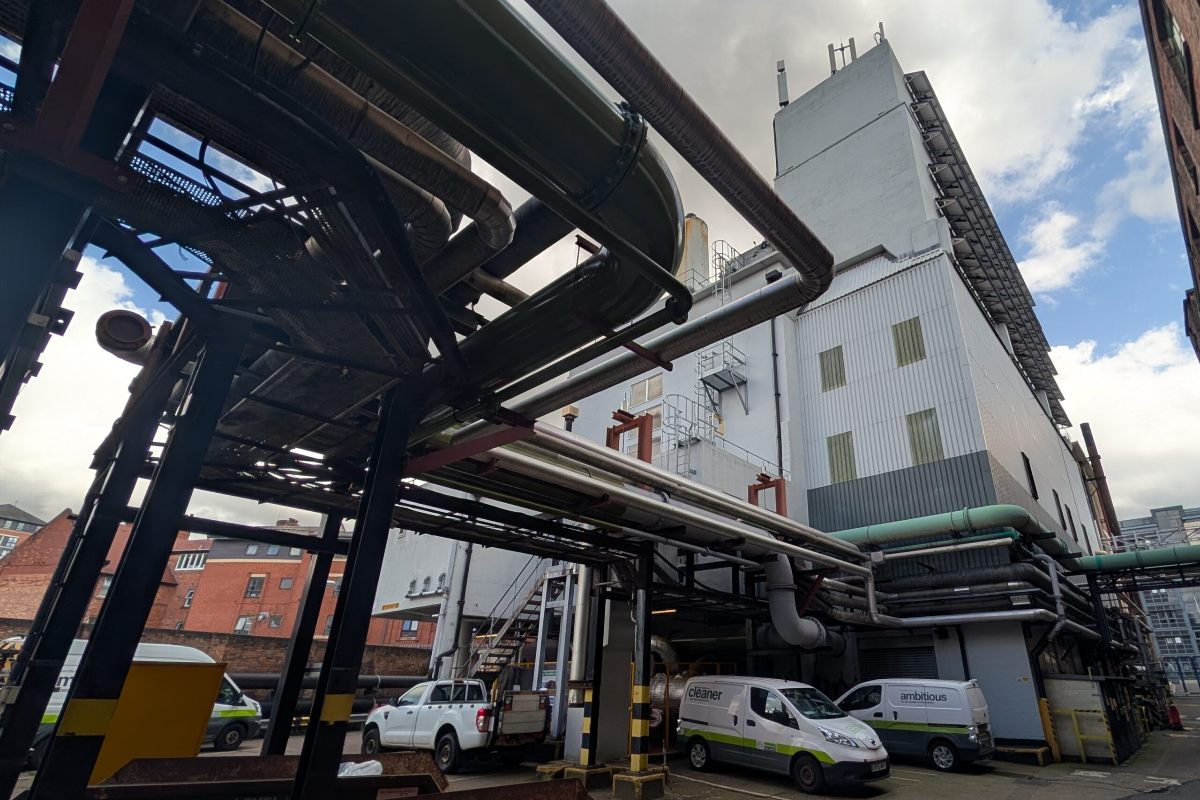
The network was ahead of its time when first launched in the 1970s, providing affordable, reliable, low-carbon heat and hot water to homes and businesses.
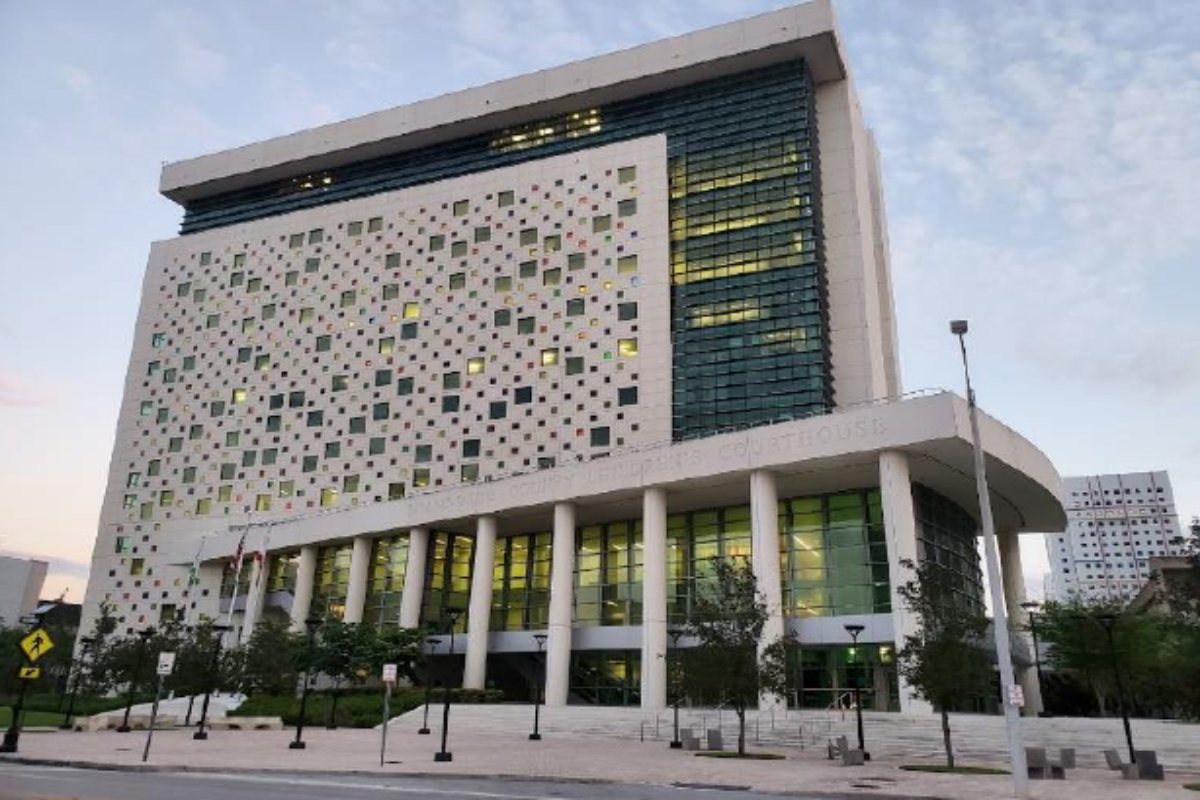
Project includes design and installation of rooftop solar and interior and exterior LED retrofits at the Children’s Courthouse and the ER Graham Building.
Awardees of the Equitable Emissions Investment Fund are working to reduce air pollution and greenhouse gas emissions generated by large buildings in the city.
The cities summit, organised by Bloomberg Philanthropies and the Aspen Institute, will convene more than 1,000 mayors, policymakers, innovators, and creatives.
Project supports local job creation through construction and electrical work, while advancing workforce training in clean energy and zero-emission vehicle tech.
The fund aims to change the systems and built environment conditions that affect environmental justice and increase community resilience to climate change.
Oana Taut, co-founder and CPO of infrared.city, explains how AI, data and simulation are helping cities move beyond long-term climate ambitions towards immediate, measurable action.
Its Tenant Power tariff, being rolled out in Aberdeenshire, sees both social housing landlords and tenants share the financial rewards of smart energy tech.
Digital twin best practices, genAI guidelines, autonomous underwater robotic scanning and thermal measurement tech all feature in the PGH Lab Cohort 11.0.
The Resourcefulness Digital Badge is designed for those who want to deepen their knowledge of energy and water and put it to use for a sustainable future.
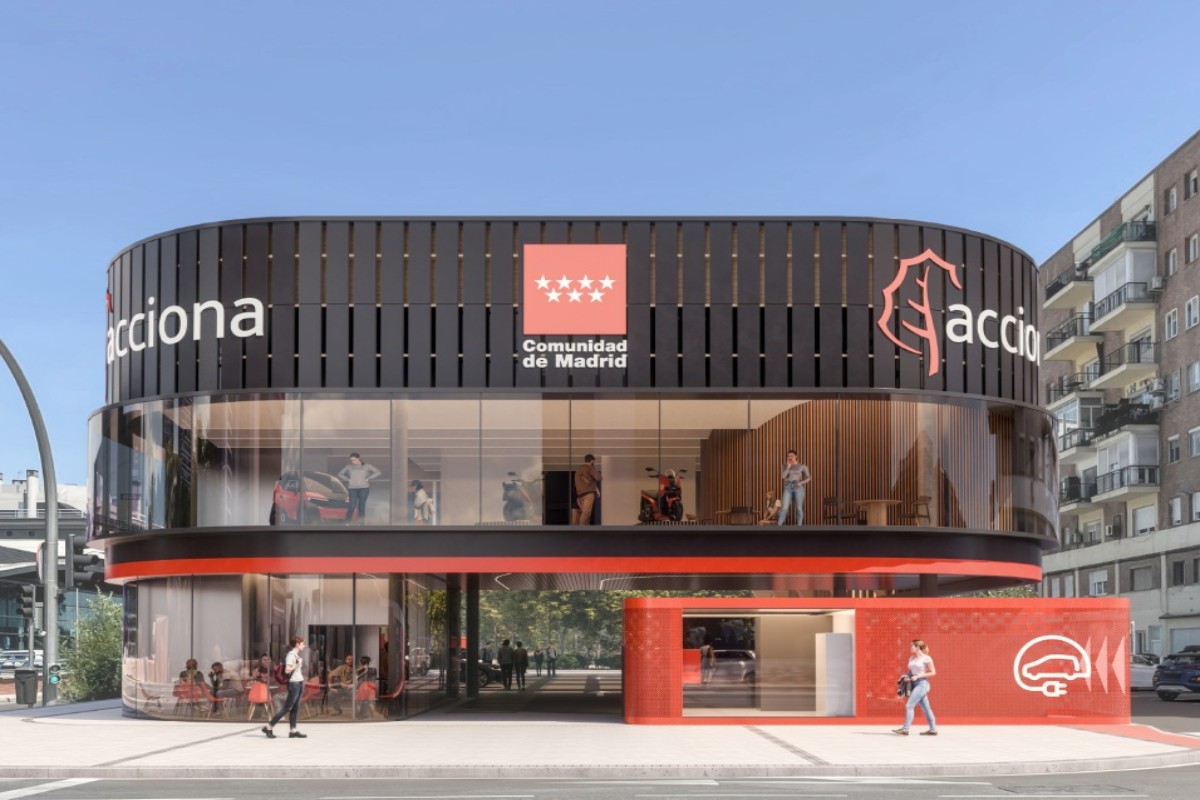
Located at Paseo de la Castellana 276, it will be Madrid’s largest public EV charging station within the M-30 ring road and use 100 per cent renewable energy.
Students will work in teams to redesign public spaces using the Minecraft Education platform to support a climate-resilient, inclusive, and food-secure future.
The programme will help unlock opportunities for clean heat with the potential to support thousands more homes and drive decarbonisation across the country.
The aim is to make switching to cleaner vehicles easier and more accessible, supporting Bristol’s wider goals to reduce pollution and cut carbon emissions.
It will offer national and local level recommendations about how to reduce the threat to lives and livelihoods from rising temperatures due to climate change.
The new initiative will harness solar streetlight technology and seeks to repair and replace up to 60,000 streetlights citywide over the next two years
It follows approval of an agreement with LS Power to strengthen grid reliability and support growth as well as help sustain the city as a centre for innovation.
Seoul Metropolitan Government has announced 10 stormwater management projects, focusing on areas with more than 70 per cent impervious surface coverage.
First cohort of cities and states will receive support from C40 Cities and the Global Covenant of Mayors to deliver implementation-ready climate initiatives by 2027.
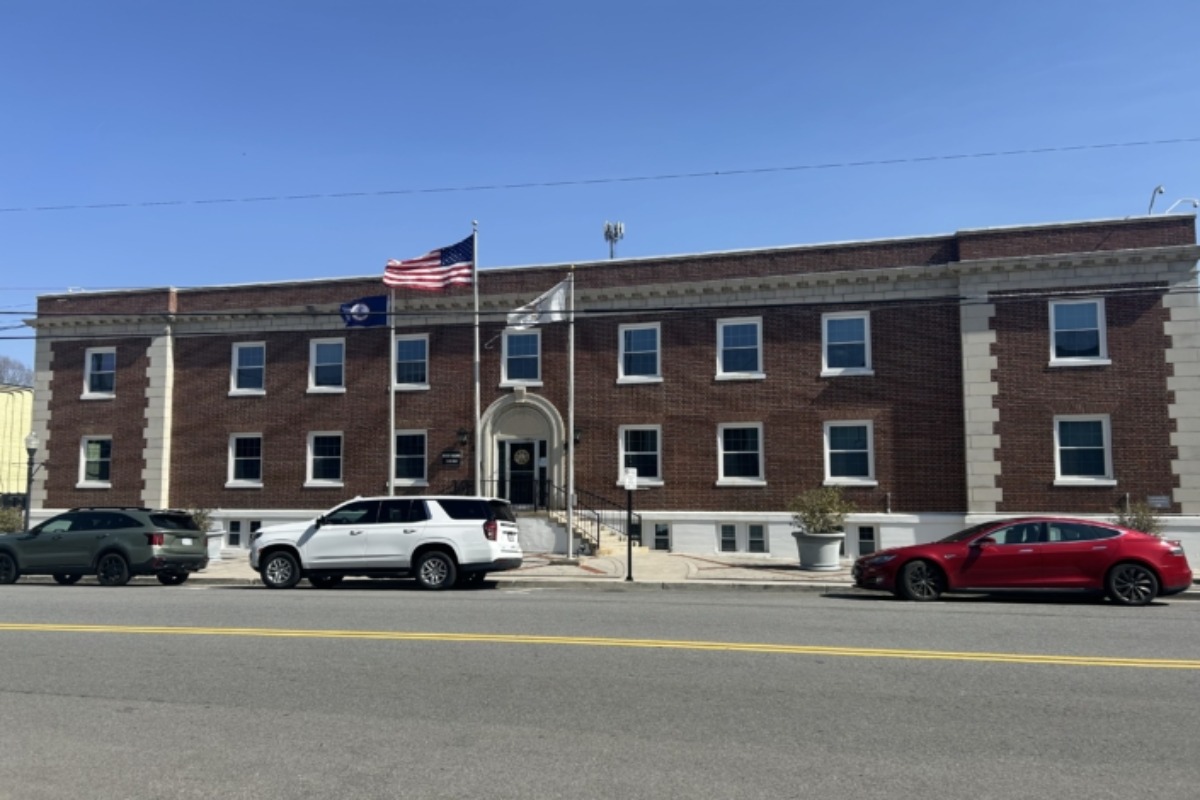
Project delivers infrastructure upgrades, efficiency benefits and long-term cost savings for the Moses Building, home to Pittsylvania County Sheriff’s Office.
Report from GCoM and C40 Cities shows how the EU’s know-how to engage with cities and regions to support climate delivery reflects global Champ good practices.
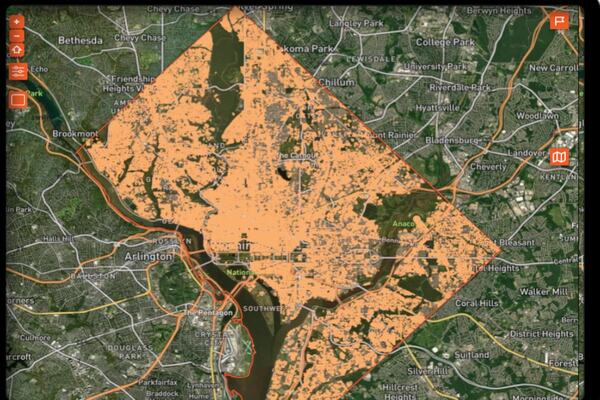
Cool Cities Lab, launched by the WRI Ross Centre for Sustainable Cities, provides actionable data to help guide planning, investment and resilience strategies.
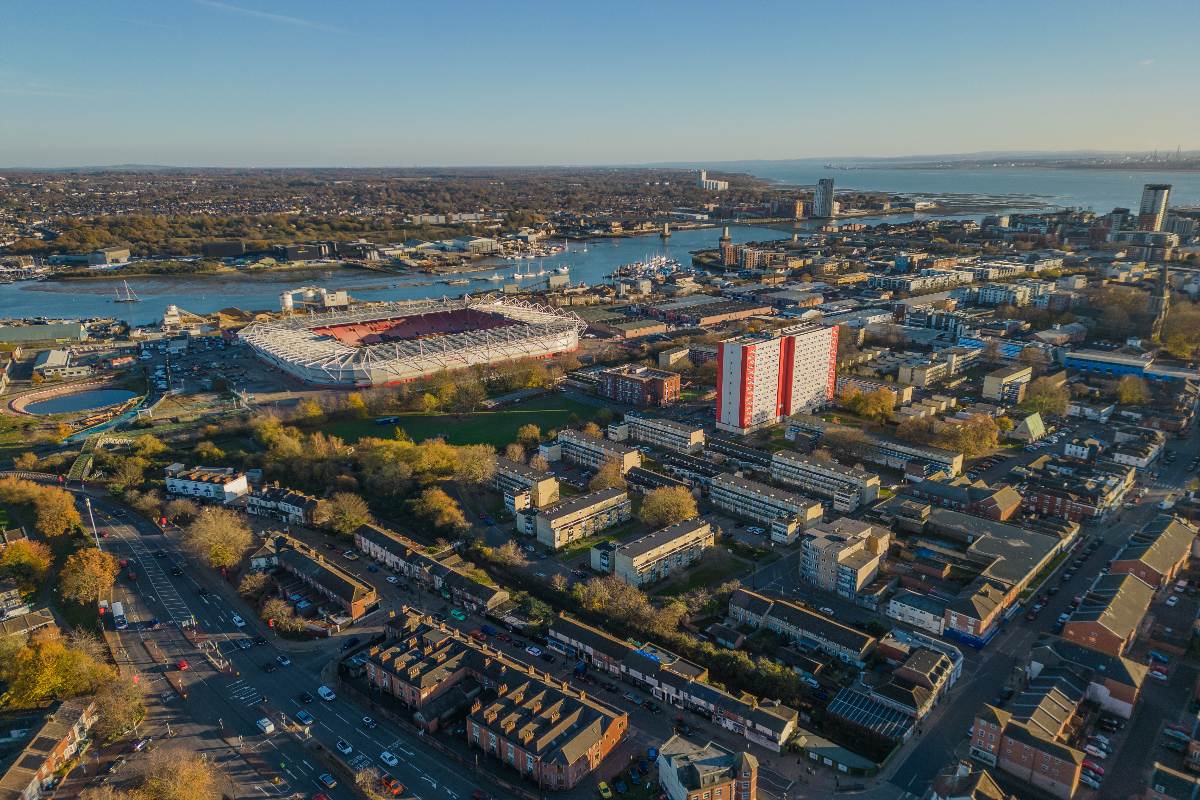
Project will involve upgrading a combined total of 83,000 lights to modern LEDs over the next four years in West Sussex and Hampshire as well as Southampton.
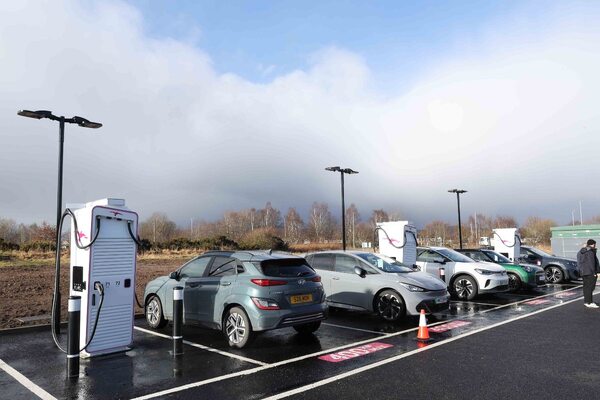
The high-powered EV charging sites in the Scottish Highlands strengthen Scotland’s network and support sustainable travel for both tourists and locals.
Version 3.0 of the International Water Stewardship Standard gives companies a strengthened framework to manage growing water risks and disclosure demands.
The Horizon project brings together partner organisations from across Europe to develop innovative solutions in mobility, energy, industry, and governance.
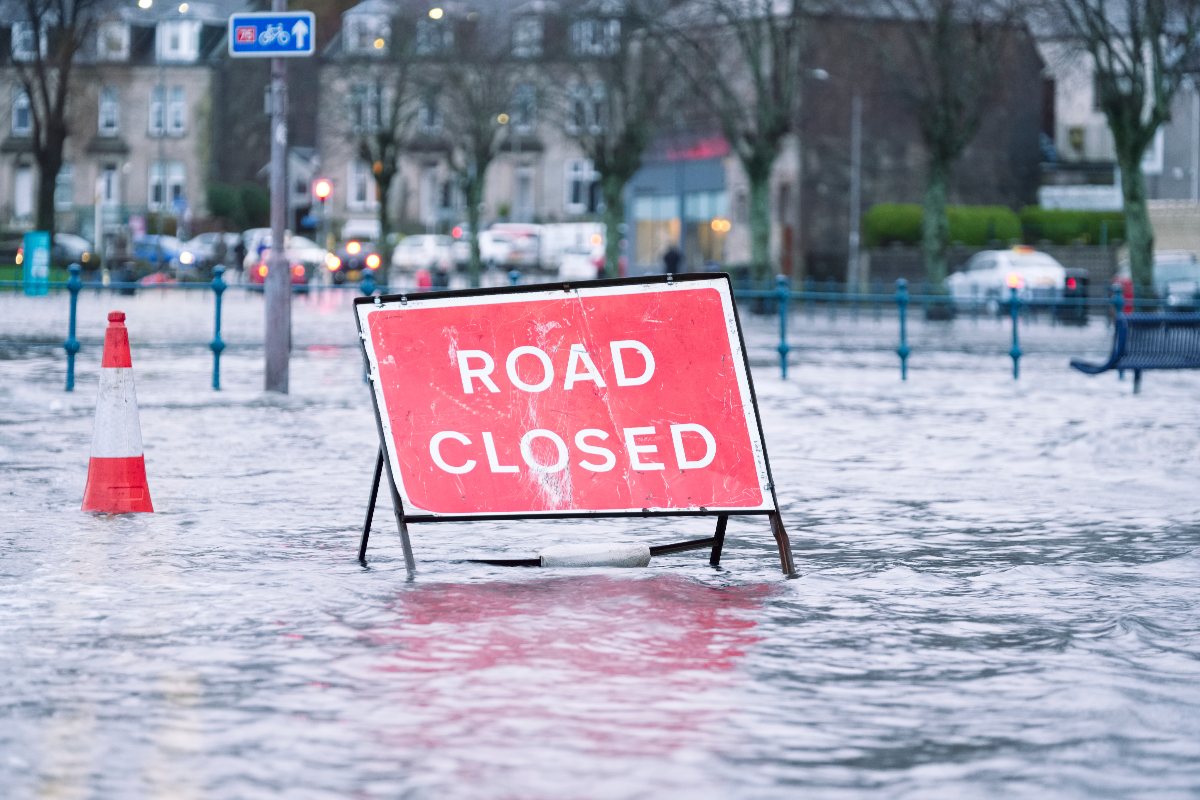
Latest analysis by Ordnance Survey pinpoints the commuter corridors, economic routes and access points that are most vulnerable to river and sea flooding.
New procurement policy targets plastic reduction across city-run concessions and vendors, marking a significant step in Miami’s environmental and resilience strategy.
EPB is working with the Department of Energy’s Oak Ridge National Laboratory to enhance grid resilience by installing microgrid equipment within its network.
Sacramento City and County is working with experts from the Urban Land Institute to explore ways to put the City’s heat‑reduction strategies into action.
Discover how Austin’s climate work has evolved from early emissions reduction efforts to a broader resilience strategy that now incorporates equity, affordability and economic mobility.
Los Angeles-Long Beach-Singapore Green and Digital Shipping Corridor project is aiming to accelerate the decarbonisation of vital trans-Pacific shipping lane.
The energy efficiency upgrades are projected to reduce the Louisiana Fort Polk family housing portfolio’s annual electrical consumption by 30 per cent.
Horizon Networks is working with Rhizome to utilise the gridAdapt AI tool to enhance its distribution planning processes and optimise investment strategies.
Dedicated team of Google.org Fellows will support CDP in building an AI-powered tool to transform how cities, states, and regions use CDP’s environmental dataset.
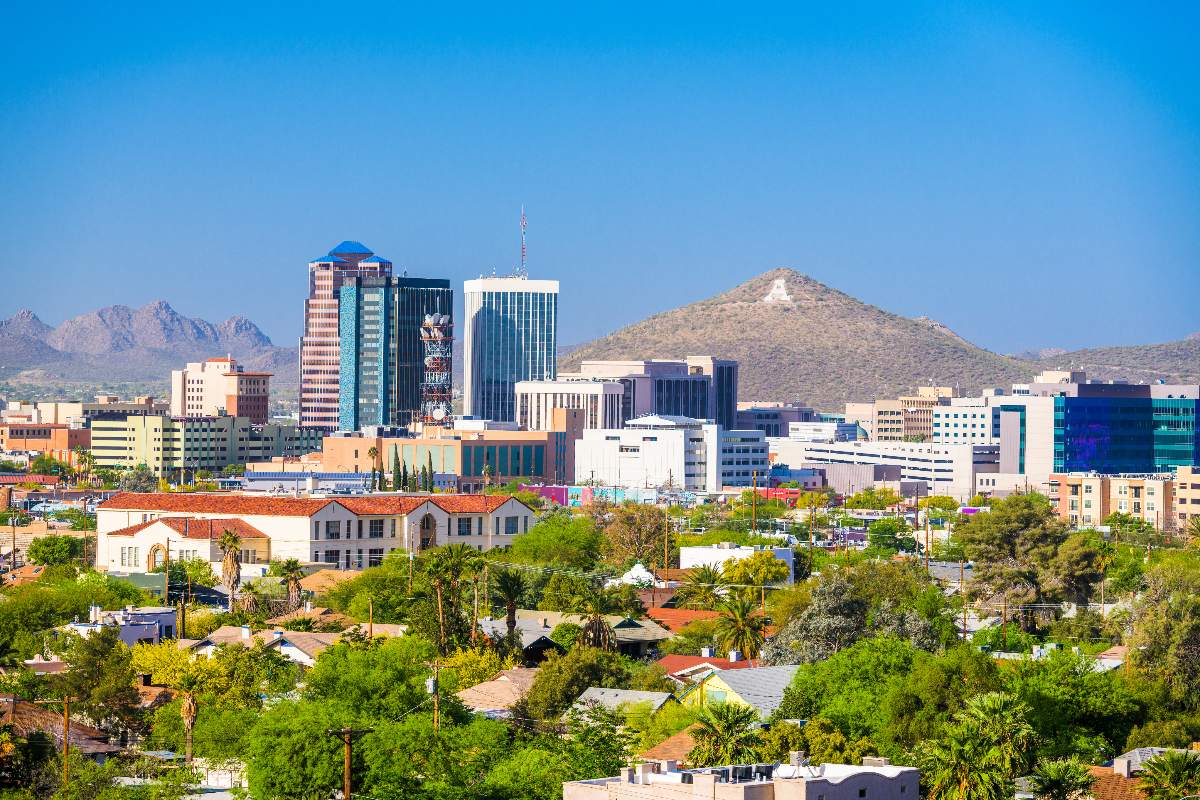
The City and Tucson Electric Power have reached a milestone with the development of a proposed Energy Collaboration Agreement, which is ready for public review.
Programme upgrades will prioritise education, helping building owners better understand energy use and identify opportunities for greater energy efficiency.