












































Discover how AI-powered digital twins are transforming urban infrastructure and how these innovations can improve efficiency, resilience, and sustainability.
Explore how data and AI is being used in urban transport networks to support planning, day-to-day operations, and improve outcomes for communities and passengers.
As cities confront the combined pressures of climate change, infrastructure resilience and digital transformation, the SmartCitiesWorld Summit 2026 will bring together urban leaders and partners during London Climate Action Week to explore how these agendas intersect – and how cities can translate strategy into practical action.
Find out how Sunderland is repositioning itself as a leading smart city – using digital infrastructure and low-carbon innovation to build a resilient, future-focused economy in the latest SmartCitiesWorld City Profile.
Find out how Dublin is innovating to improve experiences and services for its communities in the latest SmartCitiesWorld City Profile, including digital twin projects, traffic reduction, and economic growth.
Tune into the SmartCitiesWorld podcast to understand the world of sovereign AI for cities, featuring PNY Technologies’ Youssef Nadiri as our expert guest.
Tune in for the latest Urban Exchange where we get a first-hand account of city resilience measures from Quezon City following unexpected extreme rainfall.
How smart sensor networks can help improve indoor safety by detecting risks early, improving situational awareness and supporting healthier, more secure and sustainable buildings.
Gareth Tang, President of Urban Solutions at ST Engineering, explains how urban AI applications are set to evolve, detailing projects where AI is already making significant impact.
Developed with input from emergency services workers, the Blue Light tool will bring together information on each site’s future energy needs in one place.
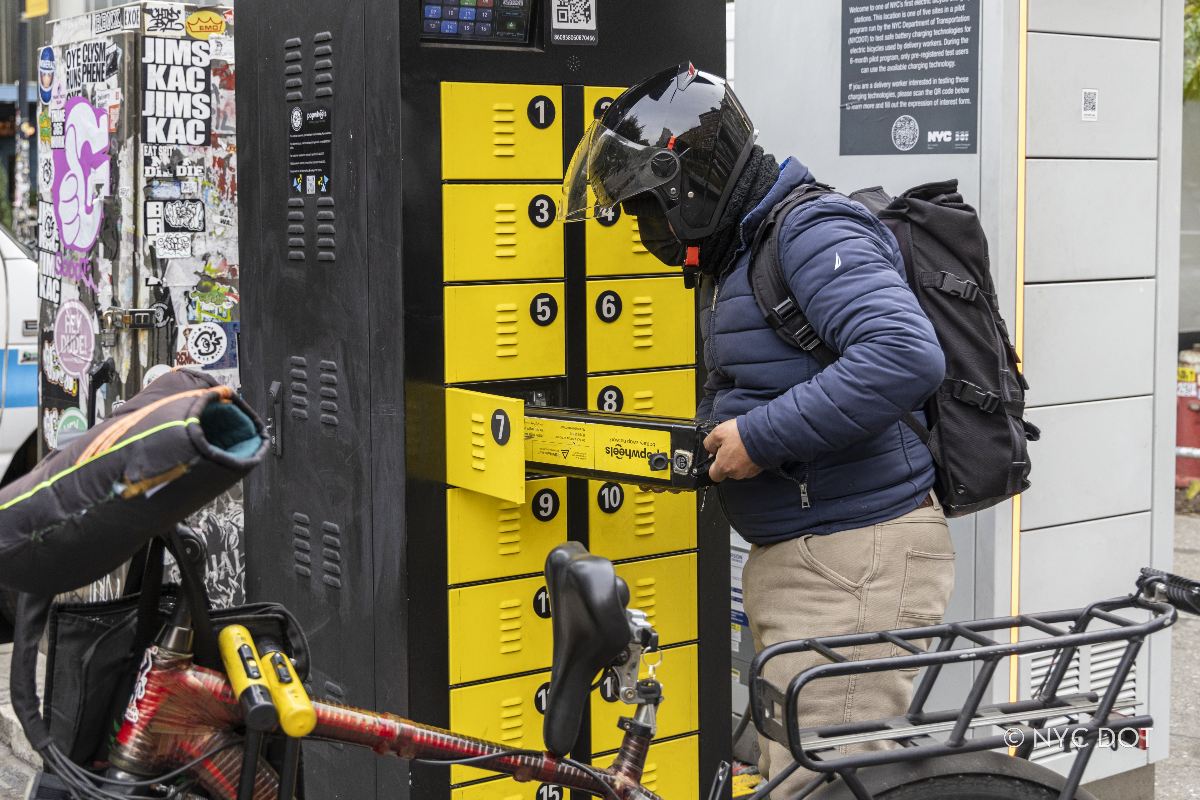
The e-bike battery swapping cabinets provide safe charging stations where electric micromobility users can plug in dead batteries and pick up full ones.
It comprises 50-plus actions creating a path for the City to reach carbon neutrality by 2045, double local solar production and install 120,000 EV chargers.
Project supports local job creation through construction and electrical work, while advancing workforce training in clean energy and zero-emission vehicle tech.
Its Tenant Power tariff, being rolled out in Aberdeenshire, sees both social housing landlords and tenants share the financial rewards of smart energy tech.
Report finds that narrow streets, limited street width and competing resident requirements are making it difficult to deliver charging that works for everyone.
Itron’s system is designed to enable electricity distributors like Ausgrid to manage distributed resources like rooftop solar, battery systems and EVs.
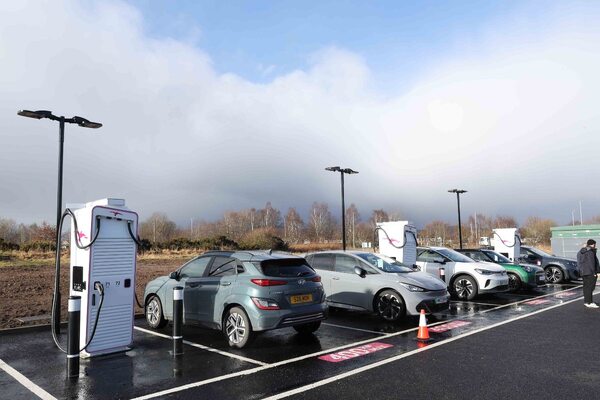
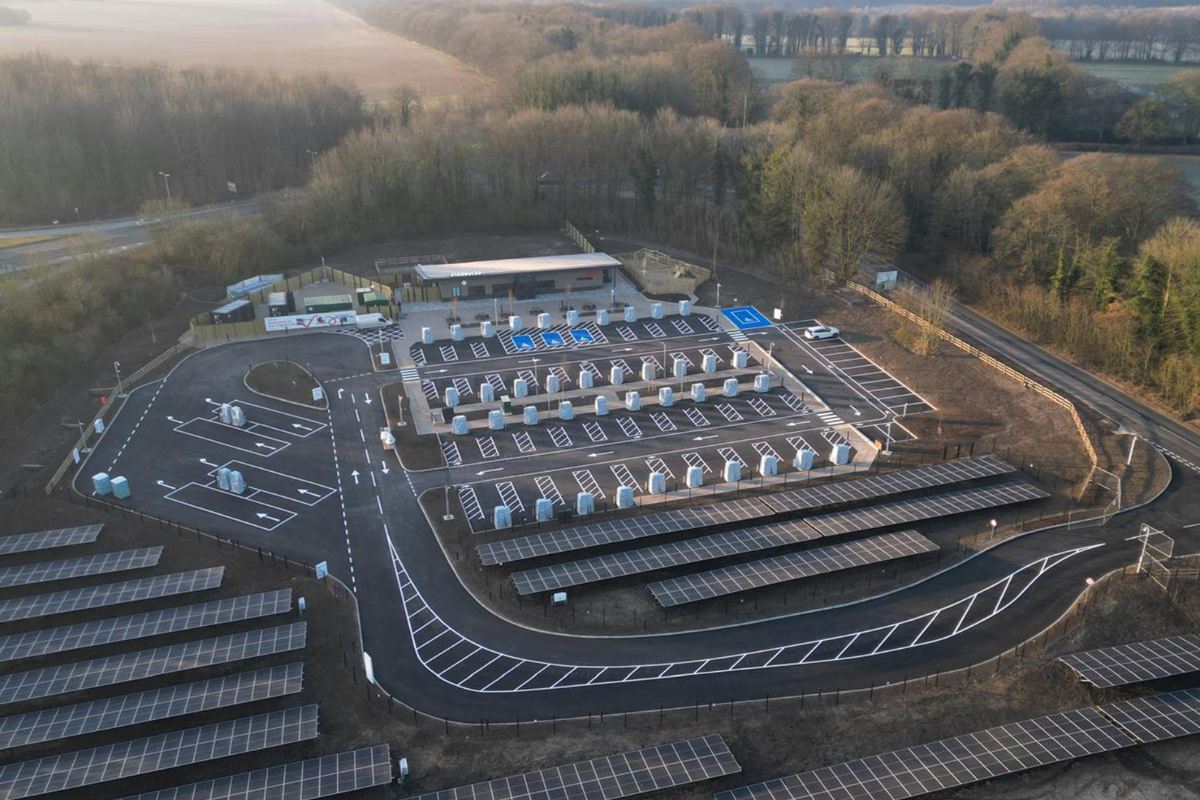
The high-powered EV charging sites in the Scottish Highlands strengthen Scotland’s network and support sustainable travel for both tourists and locals.
Puget Sound Energy and ChargeScape are showing how electric vehicles can power homes during outages, turning vehicles into distributed energy resources.
Vehicle-to-grid technology allows EVs to do more than just charge, turning parked vehicles into mini power stations that send electricity back to the grid.
Driivz’s software will optimise charging and energy management across XLr8 America’s expanding public charge point network, enabling seamless driver experience.
It marks a milestone for the EU-Horizon WeForming project, which shows how interoperable, data-driven buildings can support a carbon-free energy ecosystem.
New guide aims to provide UK local authorities with a practical, easy to understand introduction to how energy flexibility works and the benefits it can unlock.
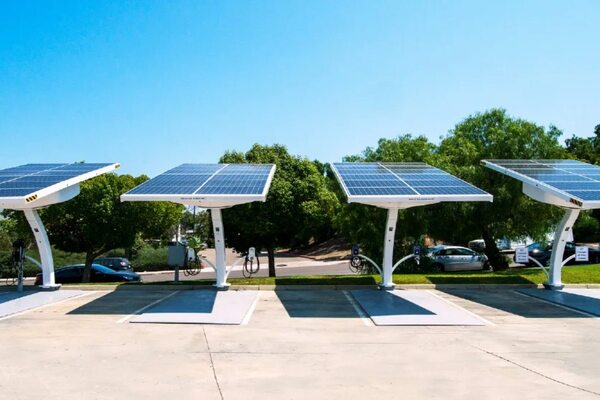
Project will see the installation of a one-megawatt solar system paired with a battery to power electric bin lorries and other council vehicles in the UK city.
The systems, which generate and store their own clean electricity, will be used to charge the City’s growing fleet of EVs, including electric pickup trucks.
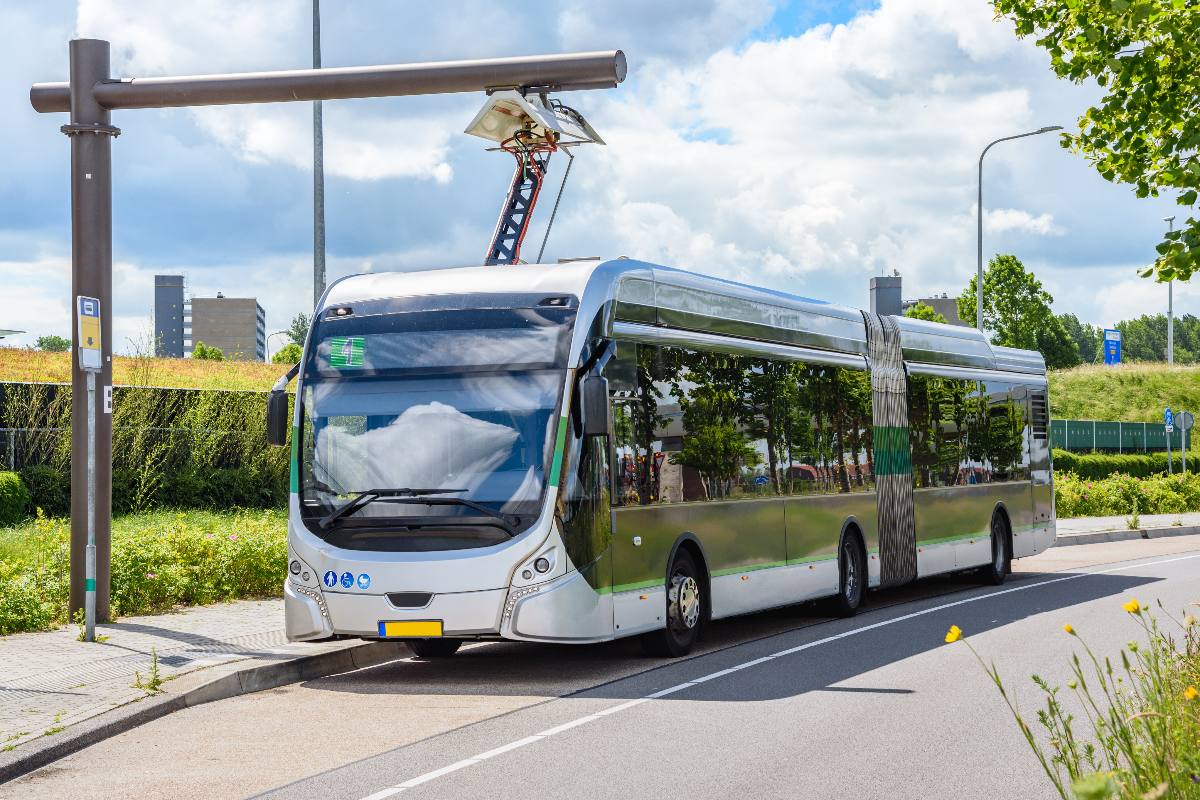
The San Francisco Municipal Transportation Agency contract includes three 40-foot battery-electric buses and three 60-foot articulated battery-electric buses.
Platform combines real-world intelligence and a comprehensive global EV database to create optimised charging infrastructure plans for fleet owners and operators.
The £1.65m Cardiff Council project, covering eight centres, is expected to reduce electricity-related carbon emissions at the sites by around 35 per cent.
Laneshift is a pioneering initiative to speed up the shift toward EV trucks by expanding and strengthening charging infrastructure in Mexico, Brazil, and India.
As well as delivering renewable energy to residents, the Big Canberra Battery will provide a financial return to the government and support local jobs.
Power generated by both phases of the Eland project will meet seven per cent of Los Angeles’s total energy consumption and reduce reliance on fossil fuels.
Climate Mayors and the US Climate Alliance’s nationwide effort aims to encourage Americans to take advantage of cost-saving federal clean energy tax credits.
Strata offers an overview of EV infrastructure to ensure vehicles are only routed to charging stations where chargers are known to be fully operational and available.
Private 5G wireless network will provide a secure, scalable, and high-performance network designed for critical applications and future mobility needs.
EV charging study finds share of fast-charging stations in public charging infrastructure grows, and user satisfaction with the charging experience increases.
Open spaces in Milton and Easterhouse in the Scottish city have been earmarked for renewable energy projects that will bring benefits back into the community.
The emerging technologies are expected to achieve real-world impact within five years, addressing risks from congestion, pollution, disease and climate stress.
Analytics tool marks the first in a suite of Sense software solutions designed to support utility electrification and grid reliability needs from the edge.
Connecting Optibus’ EV planning platform with Dhemax’s smart charging tech creates an automated, end-to-end process for precision charging of electric buses.
New streamlined process to install public and private electric vehicle charging points aims to help more drivers across the UK save up to £1,100 a year.
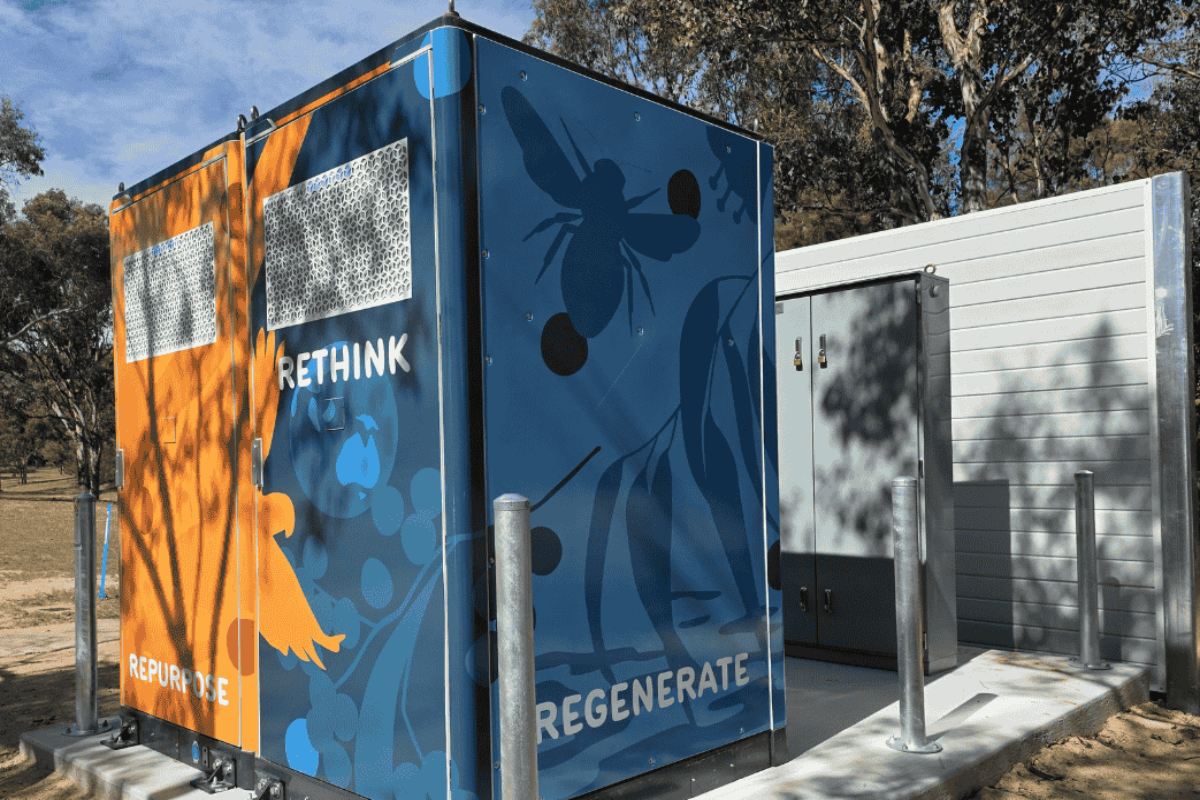
The batteries will be installed at sites across the Australian Capital Territory as part of a trial by ACT Government and electricity distributor Evoenergy.
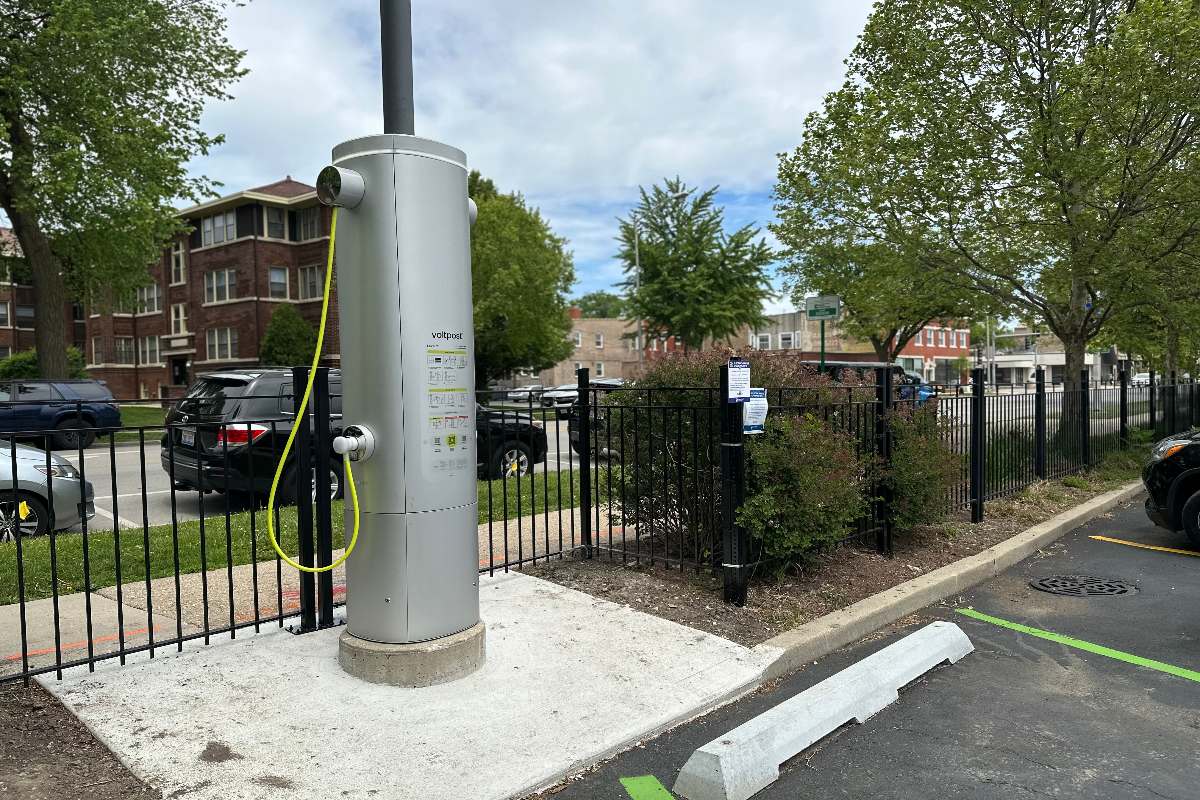
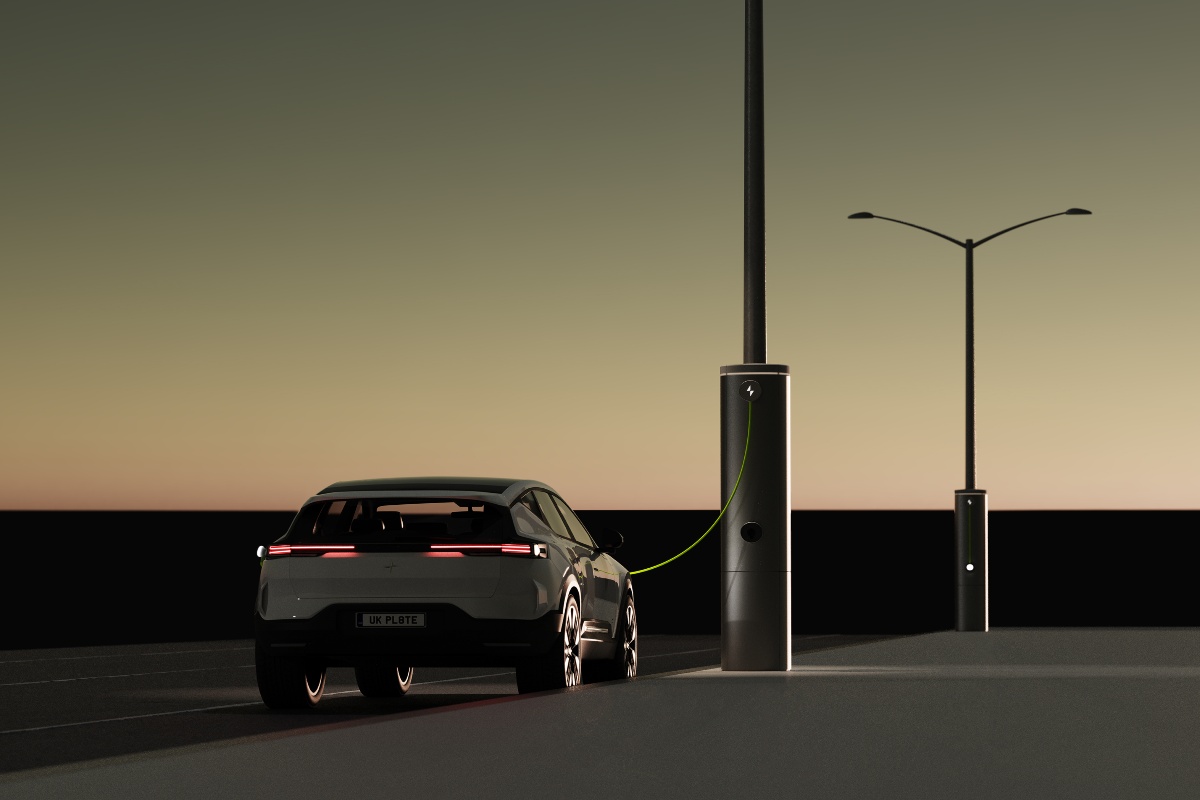
Voltpost scales sustainable EV charging by retrofitting lampposts with a modular EV charging platform, providing kerbside and parking lot charging capabilities.
SmartCitiesWorld’s third Summit takes place on 24-25 June. Here’s a taste of what you can expect and how you can register to be part of this seminal event.
It aims to be a global benchmark for sustainable living and a method of fast-tracking decarbonisation while guaranteeing zero energy bills for residents.
Deploying smart EV charging and energy management platforms will give CPOs and EVSPs the opportunity to better serve their customers’ specific needs in 2025.
Solar Battery Access Point from Itron specifically addresses the challenges utilities face, including high infrastructure costs and limited mounting options.
Two 3.6 megawatt batteries have been connected to UK Power Networks’ distribution network and can power the whole site for three hours at full capacity.
Evolve Energy and Enosi are launching a renewable energy trading solution, connecting renewable generators of different technologies with corporate buyers.
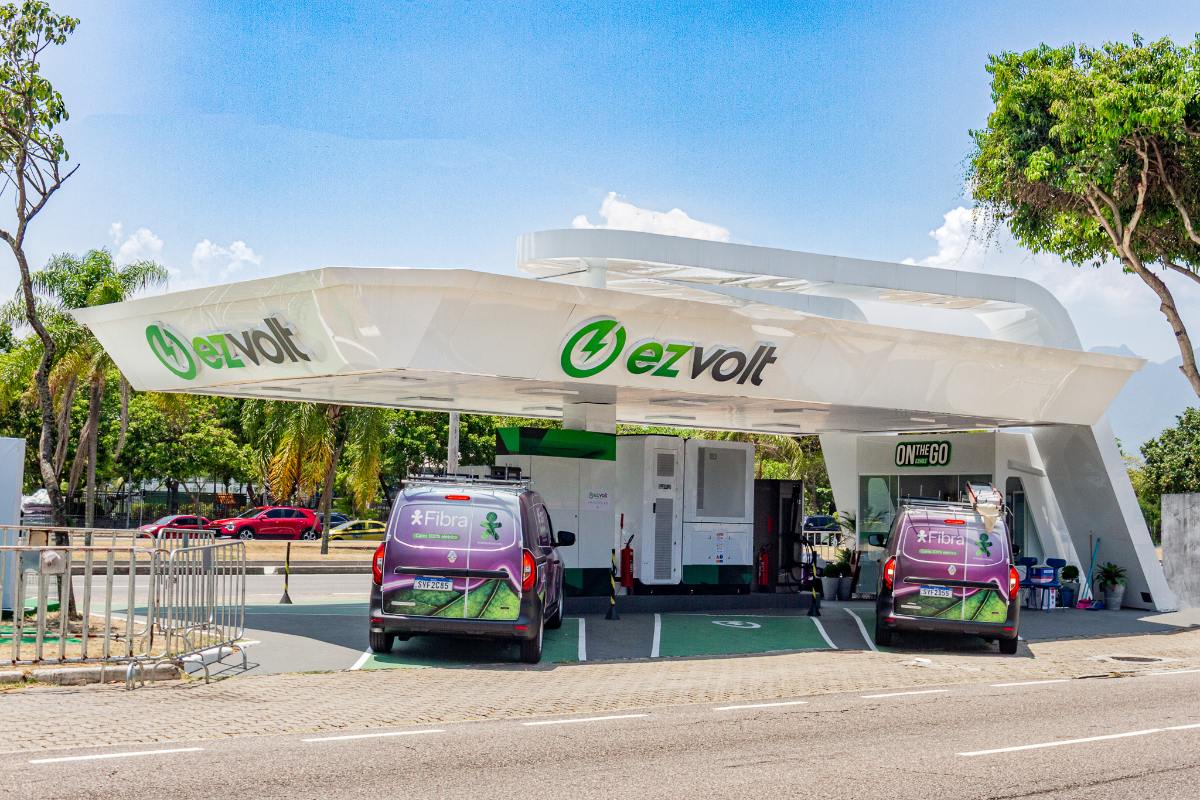
The City reports the public fast-charging initiative strengthens Rio’s commitment to reducing carbon emissions and expanding electromobility infrastructure.
Collaborating with both private and public sector partners, Voltpost will expand EV charger access and contribute to Connecticut’s electrification goals.
Hannah Audino, buildings decarbonisation lead at the Energy Transitions Commission, explores the key findings and actions from the Commission’s recent Achieving Zero-Carbon Buildings report.
The app is tailored to meet Arlington’s environmental goals of reducing greenhouse gas emissions and fostering a community of eco-conscious individuals.
The organisation has more than 100,000 live assets, totalling 2GW of flexibility, registered on its trading platform from EV charging to solar and wind farms.
Haven Energy is partnering with Clean Power Alliance to establish a virtual power plant and drive solar and battery adoption in communities in California.
Once installed, the pilot programme establishes a data-gathering partnership with the charging providers to monitor usage, demand, and other key metrics.
Partnership will see Xcel Energy use Itron’s advanced aggregator Derms tech to optimise use of customer-owned devices like solar panels, batteries, and EV chargers.
Many applicable locations will be equipped with ChargePoint’s Omni Port system, which allows vehicles with CCS or NACS charging ports to charge at any charger.
New Zealand’s Fullers360 becomes the world’s first major ferry operator to incorporate a certified electric hydrofoiling tourism vessel into its fleet.
The large-scale 250MW battery will reportedly store enough renewable energy to power one-third of the city of Canberra for two hours during peak demand.
Net Zero Route Map is based on a scientific analysis of the policies, projects and initiatives currently in place and provides robust evidence of their impact.
Paired Power has completed installation of two PairTree chargers at the Californian port as a step towards achieving energy independence and sustainability goals.
The BeamBike charger’s onboard battery storage provides ebike charging and vital 120 volt outlets where there is no easily accessible utility connection.
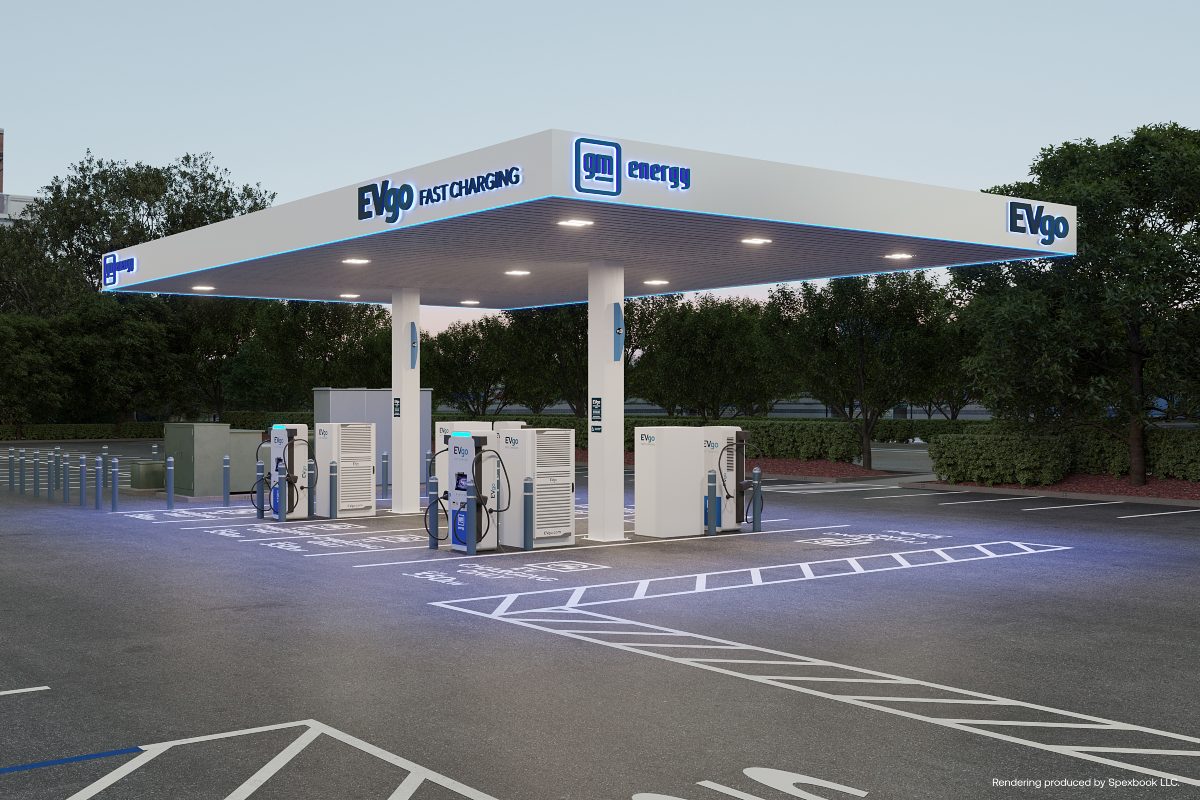
Stations will be deployed coast to coast, including in metropolitan areas in states such as Arizona, California, Florida, Georgia, Michigan, New York and Texas.
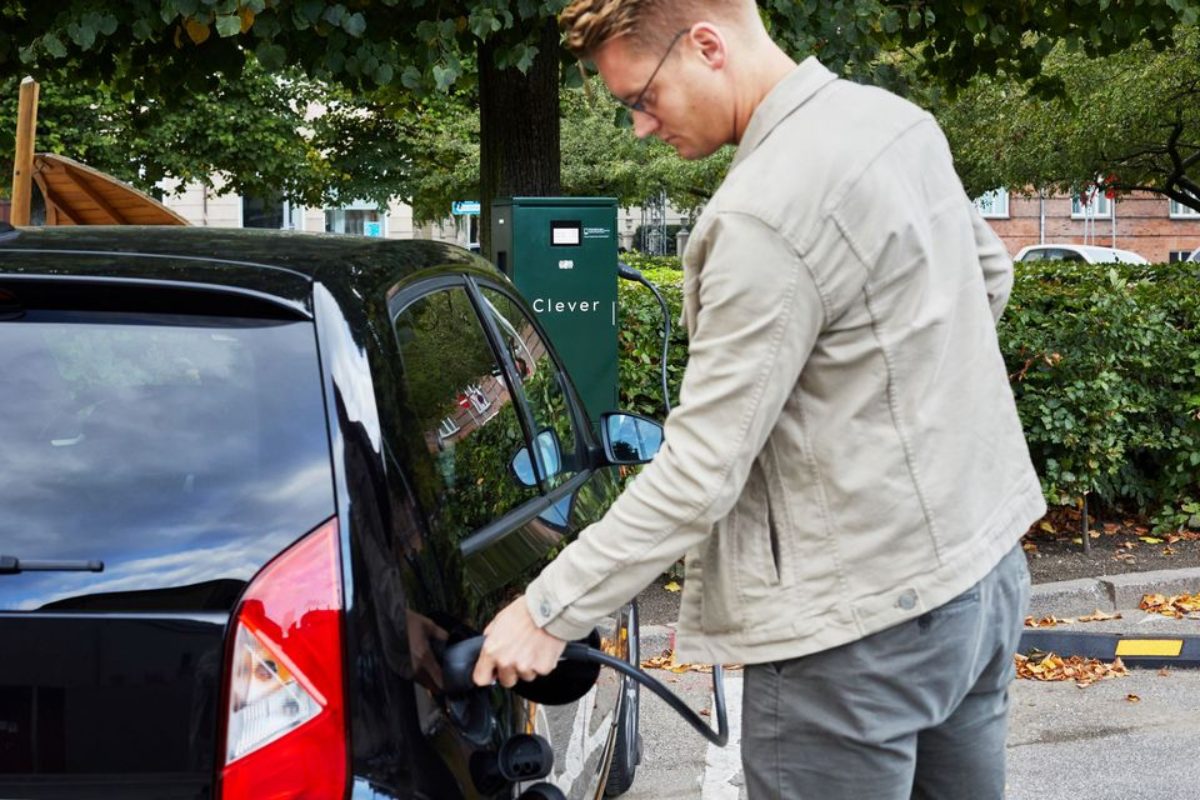
Collaboration between Clever and Apcoa Denmark aims to ensure that electric vehicle drivers across Denmark have easy and convenient access to charging options.
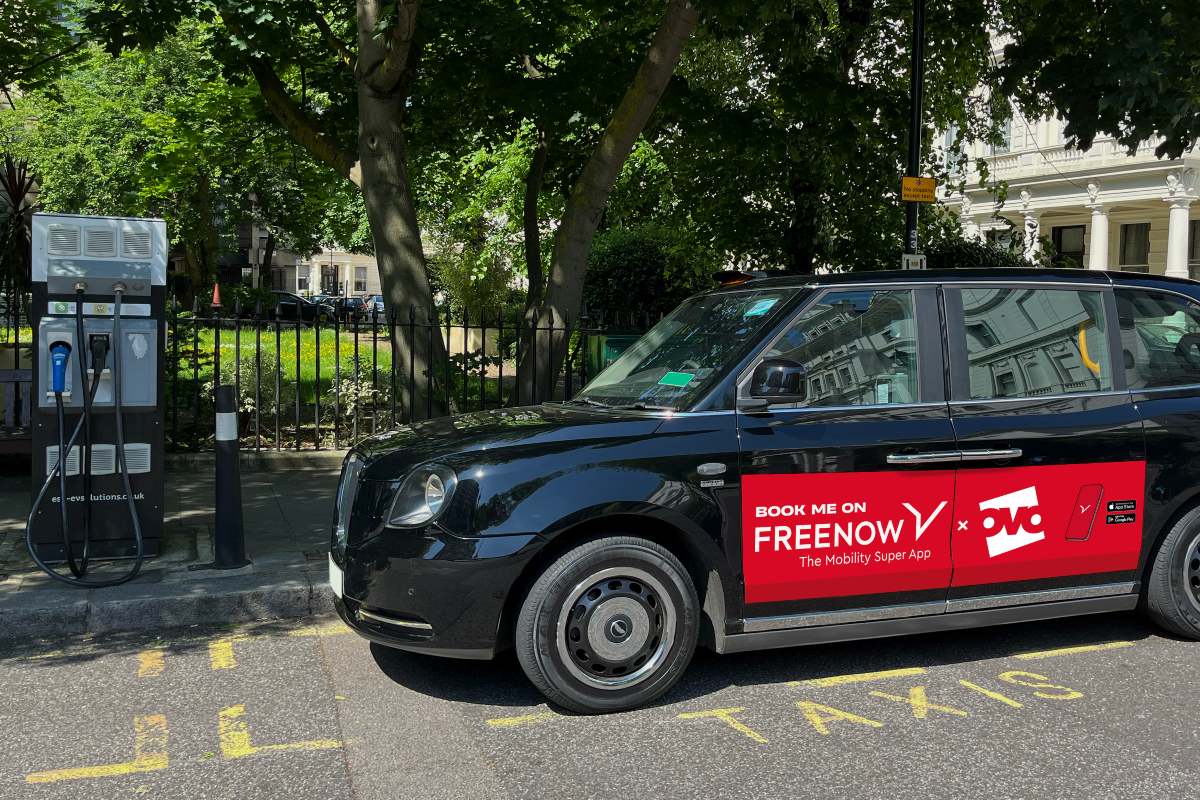
Partnership is a major step towards creating a more sustainable taxi industry in the UK, offering tangible benefits to drivers who choose to go electric.
The programme will distribute $12.62m to 32 local governments, two states, and one Tribe to improve energy efficiency, and reduce greenhouse gas emissions.