
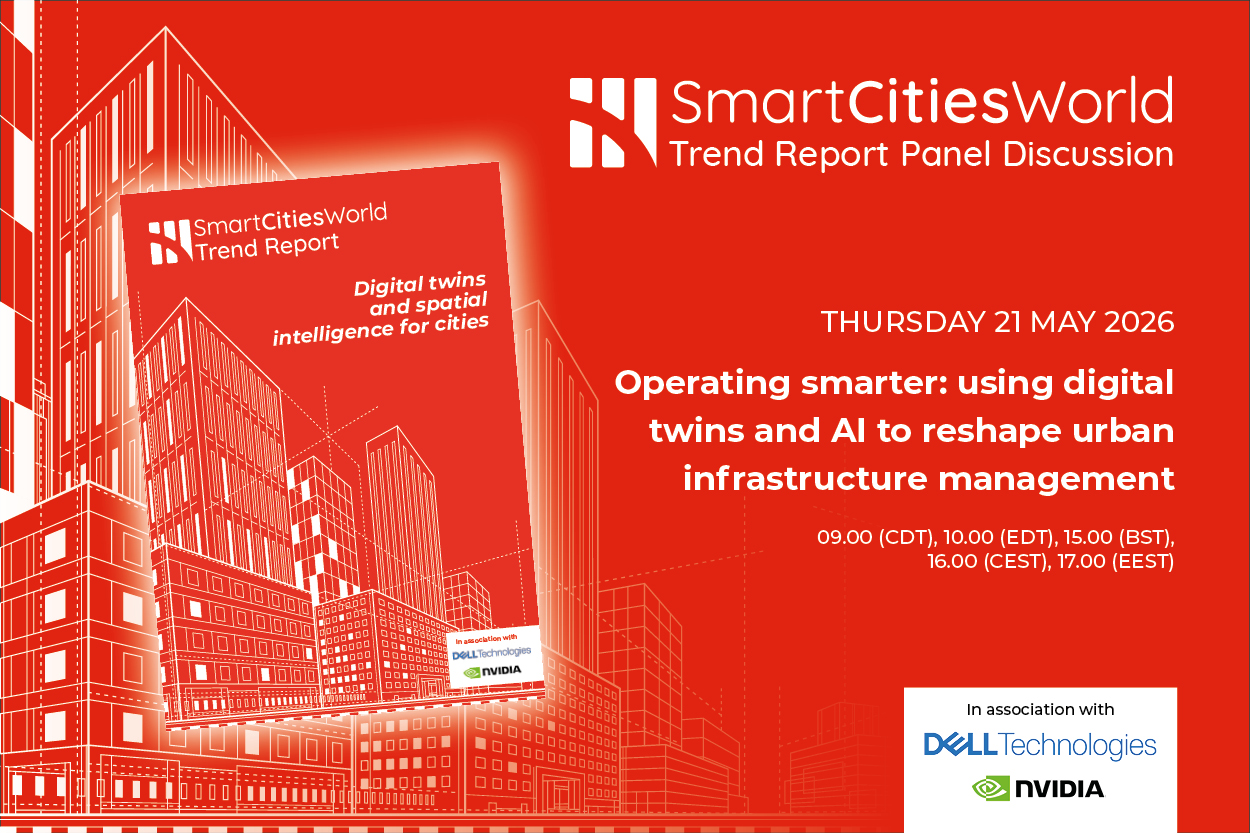










































Discover how AI-powered digital twins are transforming urban infrastructure and how these innovations can improve efficiency, resilience, and sustainability.
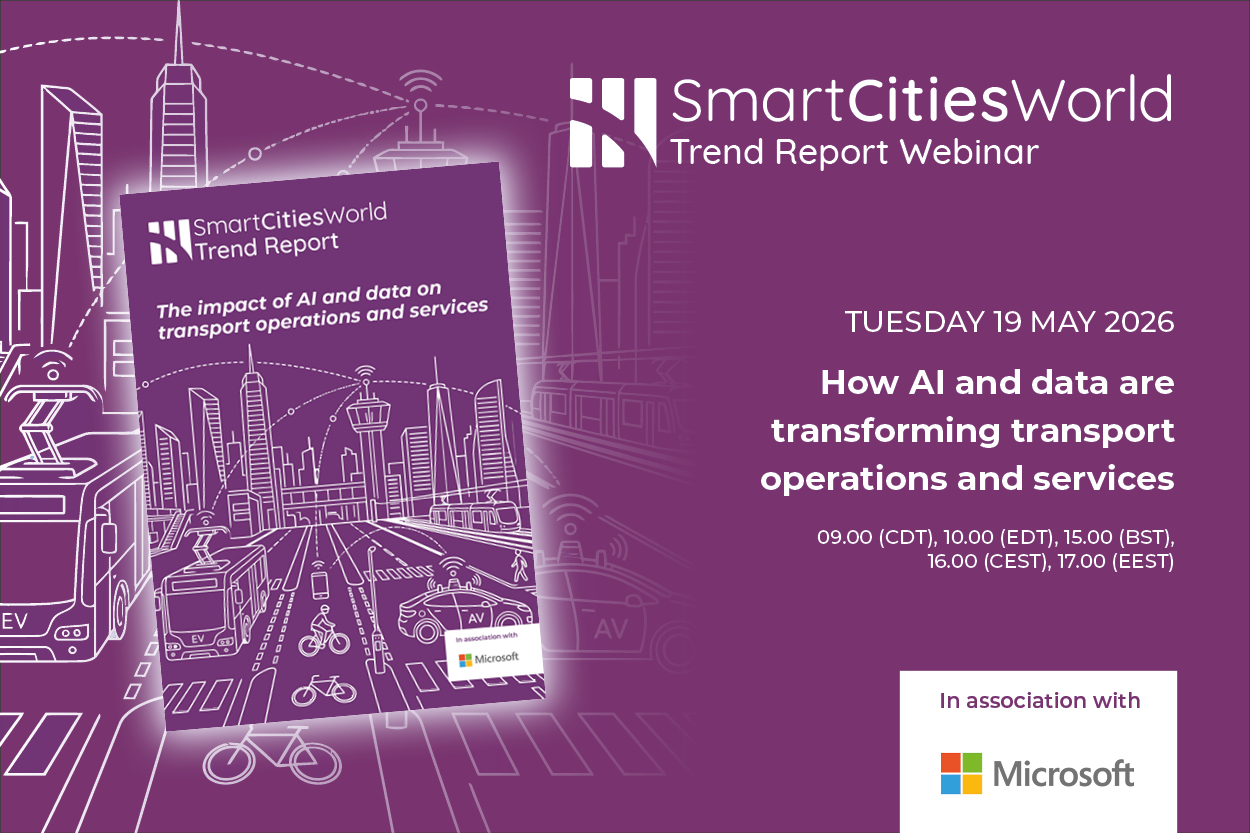
Explore how data and AI is being used in urban transport networks to support planning, day-to-day operations, and improve outcomes for communities and passengers.
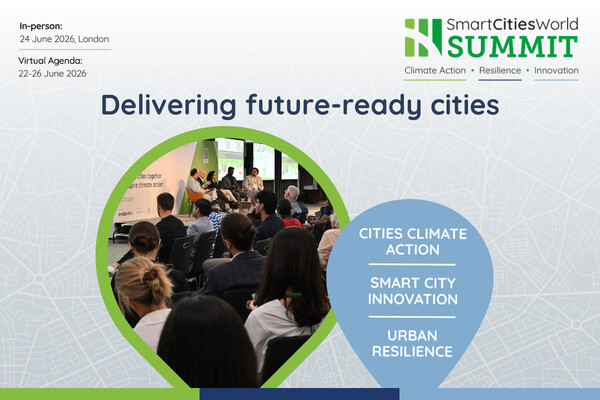
As cities confront the combined pressures of climate change, infrastructure resilience and digital transformation, the SmartCitiesWorld Summit 2026 will bring together urban leaders and partners during London Climate Action Week to explore how these agendas intersect – and how cities can translate strategy into practical action.
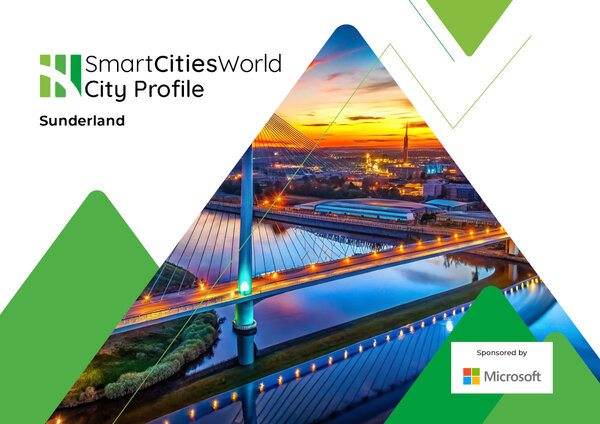
Find out how Sunderland is repositioning itself as a leading smart city – using digital infrastructure and low-carbon innovation to build a resilient, future-focused economy in the latest SmartCitiesWorld City Profile.
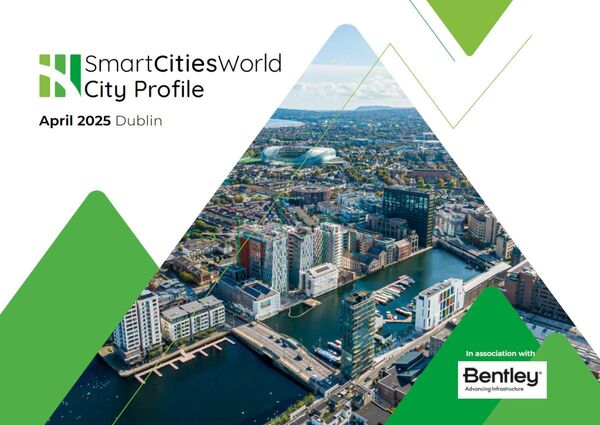
Find out how Dublin is innovating to improve experiences and services for its communities in the latest SmartCitiesWorld City Profile, including digital twin projects, traffic reduction, and economic growth.
Tune into the SmartCitiesWorld podcast to understand the world of sovereign AI for cities, featuring PNY Technologies’ Youssef Nadiri as our expert guest.
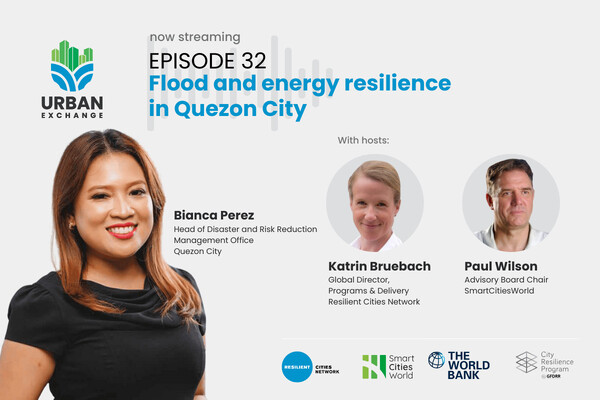
Tune in for the latest Urban Exchange where we get a first-hand account of city resilience measures from Quezon City following unexpected extreme rainfall.
How smart sensor networks can help improve indoor safety by detecting risks early, improving situational awareness and supporting healthier, more secure and sustainable buildings.
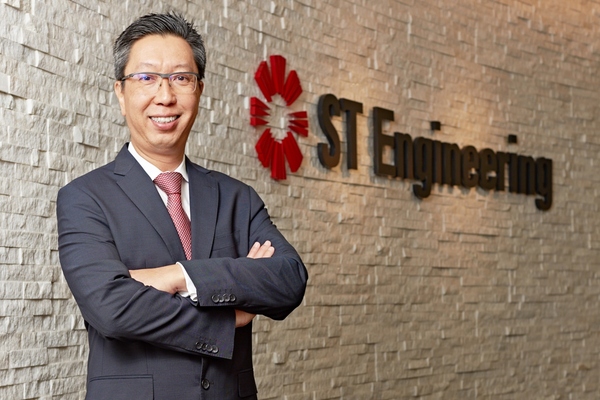
Gareth Tang, President of Urban Solutions at ST Engineering, explains how urban AI applications are set to evolve, detailing projects where AI is already making significant impact.
Moshe Gazit from Thinkz explains how IoT data in the hands of citizens can promote more sustainable choices, and introduces a new clean air routing tool that will be free-to-use in cities following its launch into Europe.
Smart city transformation is often initiated by government bodies while gradually increasing the involvement of the private sector and end users, who should actively shape the city they live in. This 36-page whitepaper outlines the five key factors for successful implementation of smart city strategies based on a uniquely comprehensive approach as well as actual project experience.
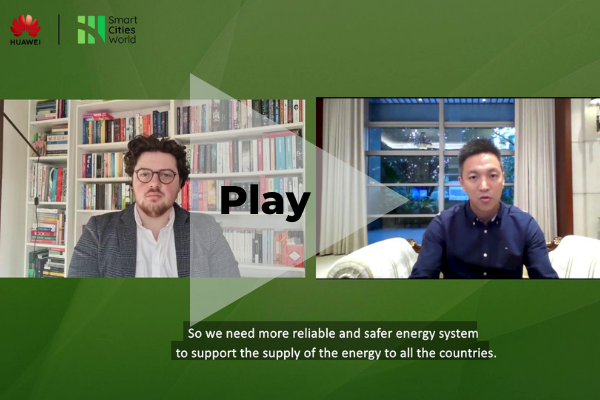
Dr Hu Hao, Chief Representative of Energy Transition (Carbon Neutrality), Global Energy Business Unit of Huawei Enterprise BG, explains how countries are preparing for a zero-carbon energy future and the details the solutions that could help them achieve their objectives.
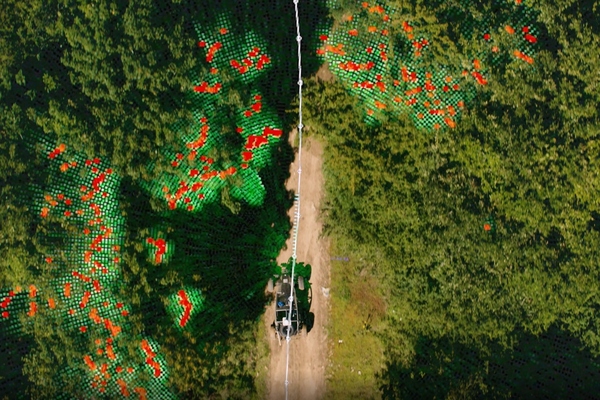
SmartCitiesWorld’s latest video interview, produced in partnership with Fotech, sees editor Luke Antoniou in conversation with Fotech’s Syed Aziz to discuss the impact of distributed acoustic sensing (DAS) technology on greenfield cities in the MENA region.
Cindy Maike, VP industry solutions and value management at Cloudera, talks to Luke Antoniou about realising the benefits of intelligent connected assets.
Gordon Feller examines how two cities in Nevada are benefiting from being able to plug into their technology partner’s existing infrastructure and platforms to ignite smart city innovation.
The win was attributed to strong technology application, digital capability and pandemic performance and, for the first time in 14 years, more than half of the top 100 cities were from the US.
Envision Digital and ST Engineering will co-develop Singapore’s first fully integrated net zero carbon digital building suite, which will serve as a lighthouse project for cities across the world.
Through a contract with BAI Communications, a backbone of mobile and digital connectivity will offer connectivity and internet access within every Tube station and tunnel.
The line-up includes young tech companies representing 26 economies focused on areas spanning urban infrastructure and cleantech to logistics and mobility.
ST Engineering has more than 700 smart city projects deployed in over 130 cities around the world. Its head of urban solutions explains why every day must be a learning day.
Project aims to rethink all aspects of port operations, including terminal activities, mobility, connectivity, fuels and new models for production, storage and use of energy.
The organisations claim the code of practice will help organisations transition to new working practices and harness the potential benefits with no impact on safety.
Arrival claims its integrated transportation ecosystem provides the tools for cities and businesses to achieve their sustainability goals and reduce carbon emissions.
The event, which aims to become a prologue to the Smart Cities Moscow offline forum in 2022, will have a particular focus on adapting the urban environment to the new normal.
The city council has approved a contract with PayIt Digital Government and will jointly design a digital experience and platform to enable digital payments to be made to the city.
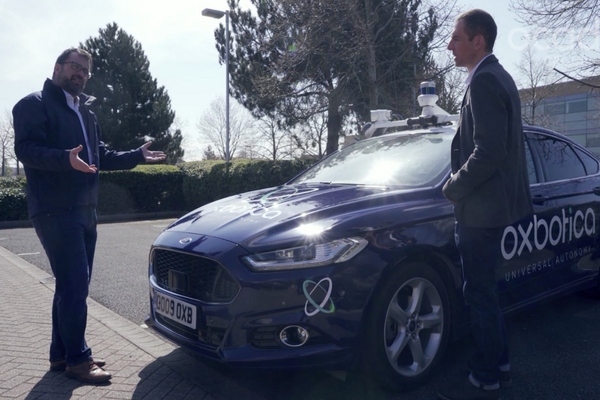
Oxbotica and Navtech have launched the world’s first all-weather radar localisation solution for industrial autonomous vehicles, providing cm accuracy in any environment.
Plug and Play will build an innovation platform in Korea based on its relationship with leading corporations, start-ups, and government entities in the country.
The cloud platform provider becomes the latest company to join the network’s Enterprise Partnership Programme to implement its interoperability mechanisms.
Ocado Group has commercially partnered with Oxbotica to collaborate on hardware and software interfaces for autonomous vehicles, with use cases including “kerb-to-kitchen” robots.
Standardised data architecture enables Iteris’ ClearGuide to provide real-time travel-time data for the automatic update of variable message signs through work zones across Minnesota.
Singtel and Surbana Jurong are joining forces to accelerate the digital transformation of key industries, initally focusing on smart and sustainable integrated facilities management.
Silicon Labs’ Wi-Sun solution will enable secure wireless connectivity for a broad range of applications, including advanced metering infrastructure and smart street lighting.
The in-building gigabit internet service provider will use the investment to support its growth in deploying its ubiquitous wi-fi platform to multi-family and commercial properties.
Transmira and Kognition will collaborate as part of a consortium of XR companies to develop and implement latest technology and vanguard best practices to create the next generation of smart cities.
Solution equipped the council’s contact centre operators with the ability to engage customers across voice and digital channels while having a 360-degree view of customer needs and interactions.
The platform will enhance existing citizen services and enable city authorities to deliver a range of new ones in areas such as mobility, smart parking, intelligent lighting and sustainable waste management.
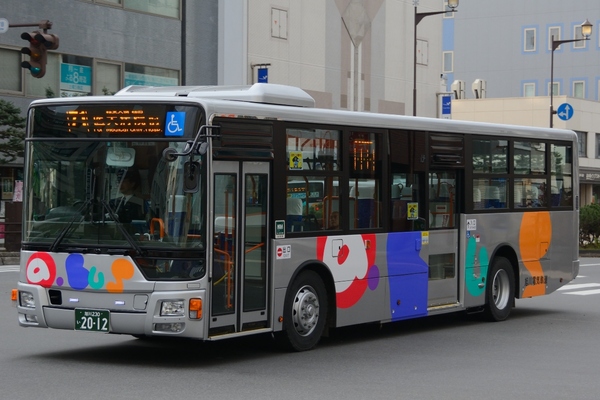
Transit services in the cities of Oita, Sapporo, Asahikawa, Kumamoto, Oshima and Tsuchiura are available via the Japan Transit Planner and Norikae Annai apps.
ClimateView claims the platform balances the transition to net-zero with a city’s economic needs and provides an interactive tool to ensure the success of the plan’s delivery.
FIWARE CEO Ulrich Ahle speaks to Graeme Neill about how the Smart Cities for Germany programme is helping the country’s poor track record on digitising services and how the battle for public opinion on open-source has been won.
Iteris will coordinate the design of project-wide traffic management activities which aim to improve one of the busiest freeway segments in the Phoenix metropolitan area.
Using Urban SDK’s public reporting dashboards, government agencies can share information with citizens via interactive maps, dynamic charts and scorecards, and exportable data tables.
The company wants to increase accessibility of its electric vehicle charging infrastructure and financing solutions in North America and is partnering with EV technology and service companies.
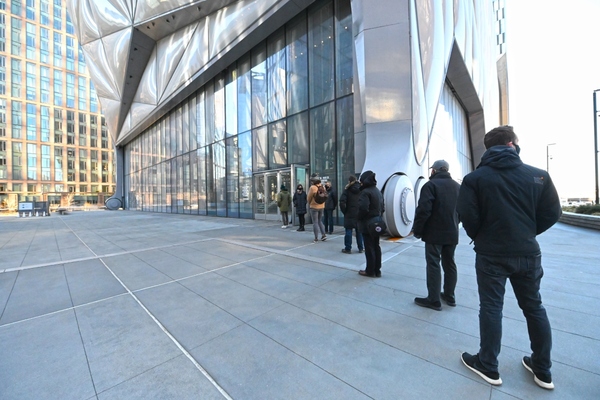
The Shed in Manhattan is implementing GoGuide, which can be integrated with existing building technology systems for capacity-monitoring across the location as well as for individual spaces.
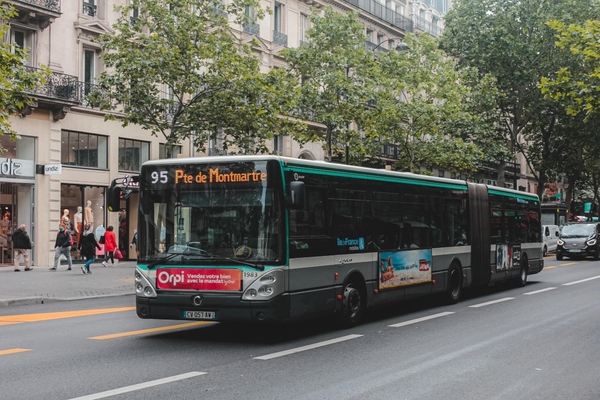
Ile de France Mobilités has chosen the Conduent-Flowbird alliance to install a modern on-board ticketing platform to replace outdated equipment across the transit network.
Serco Middle East and AI and cloud computing company Group G42 will combine resources, capabilities and core competencies to help transform public services across the region.
MXC Foundation is collaborating with Semtech to deploy open networks using the LoRaWAN protocol and has already reached a strategic smart city partnership with the government of Hangzhou.
The country will move faster to grant permanent urban residency to people who move from rural areas to cities where the industries are more developed to accelerate economic progress.
Urban SDK said it will work to bypass common constraints in the public sector, including having localised servers to store data and mitigating security and other concerns.
Civic engagement tech provider Zencity is acquiring data analytics and community polling company Elucd to provide stronger, data-driven strategic guidance to state and local leaders.
uCIFI Alliance is publicly releasing its first unified data model, which claims to provide interoperability and interchangeability between connected devices.
The system is being trialled as a first step in bringing safe contactless payments to passengers in the Spanish city as well as attracting locals and visitors back to public transport.
Thiruvananthapuram, the capital of Kerala, is one of 100 cities selected in the third round of the Ministry of Housing and Urban Affairs’ smart city mission.
The feature is live on the company’s personalised information service and will soon be made available to transport operators, local authorities, and event organisers and venues.
The £7.5bn Bleutech Park development, located in the Las Vegas Valley, Nevada, will be constructed of net-zero carbon footprint buildings within its own insular mini-city.
A pilot project utilising a microbus will start operating on the outskirts of the city that seeks to increase accessibility to transport in remote residential areas.
This 5G centre at Purdue University’s Discovery Park District will provide full-suite development and testing capabilities to speed up development and lower costs as well as control risk.
Telecoms company Singtel is partnering with IMDA and academia to attract and build a ready pool of capable talent to help deliver innovative products and services.
Nokia and Brazil’s Telecommunications Research and Development Centre will work together on solutions including those that focus on fixed wireless access smart cities and Industry 4.0 applications.
The switch is a sign of how the city is working to quickly adapt to a new normal post-coronavirus and aligns with the steep decline in the use of physical currency.
The expanded $3.9m project is expected to recover tens of millions of dollars from high-value water meters that can be better used for other infrastructure-related projects.
Cohda Wireless’ cellular vehicle-to-everything solution will help to establish a cooperative, intelligent road transport system that aims to make roads safer and less congested.
As part of the collaboration, SmartCitiesWorld will give media support to applicable events and projects and provide access to its content resources to the FIWARE Community.
Smart Dubai’s first Digital Service Design Professional Diploma aims to provide graduates with the knowledge and best practice needed to improve digital services and design new ones.
Solutions in the ninth cohort of the Urban-X accelerator include platforms focused on disaster risk analysis in properties, carbon intelligence and forecasting and micro-mobility e-commerce.
Cubic Transportation Systems is launching Umo, a flexible suite of products that enable riders to conveniently pay fares and plan trips across public and private modes, and access real-time travel information.
The new payment solution will include smart transit transfers and eventually be able to include more features such as contactless debit card payments and additional credit card types.
More than 75,000 employees benefit from the GRPS which is already implemented across 72 government departments and helps support the emirate’s digital transformation.
Collaboration aims to foster innovation, creativity and tackle several issues of importance such as smart mobility, intelligent urban development and sustainability in Singapore.