The new challenges of the transition to green energy demand new ways of thinking, says, Elena Bou, InnoEnergy, and that requires attracting a more diverse range of people into the industry.
The City and the Mass Clean Energy Centre have announced $500,000 in funding to explore the feasibility of using clean thermal energy from Boston-area water.
Awardees of the Equitable Emissions Investment Fund are working to reduce air pollution and greenhouse gas emissions generated by large buildings in the city.
PowerCorps connects residents with hands-on jobs training and expands career pathways, strengthening neighbourhoods and building a climate-ready workforce.
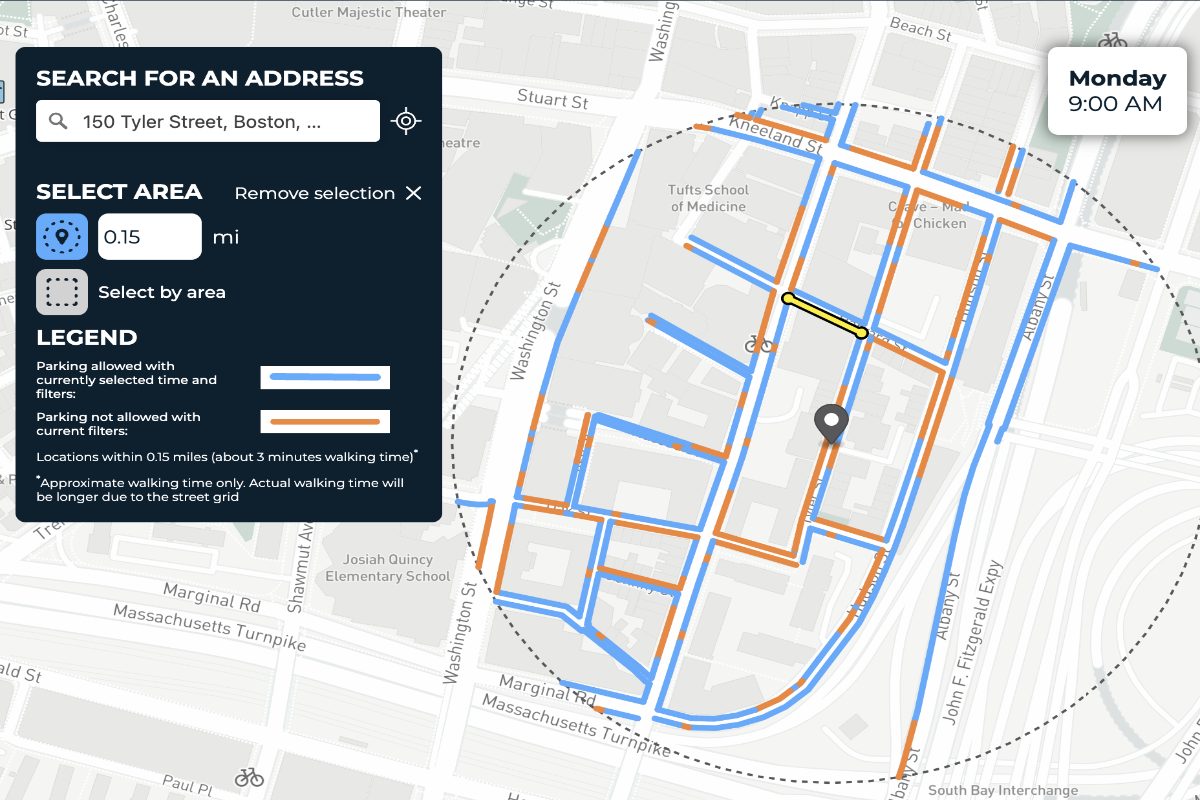
Office of Emerging Technology and city partners launch the Curb Lab, aiming to dynamically manage parking and kerb space, reducing congestion in Boston.
One of five projects to be approved under the initiative, the building will improve the public realm with landscaping, street trees and pedestrian connections.
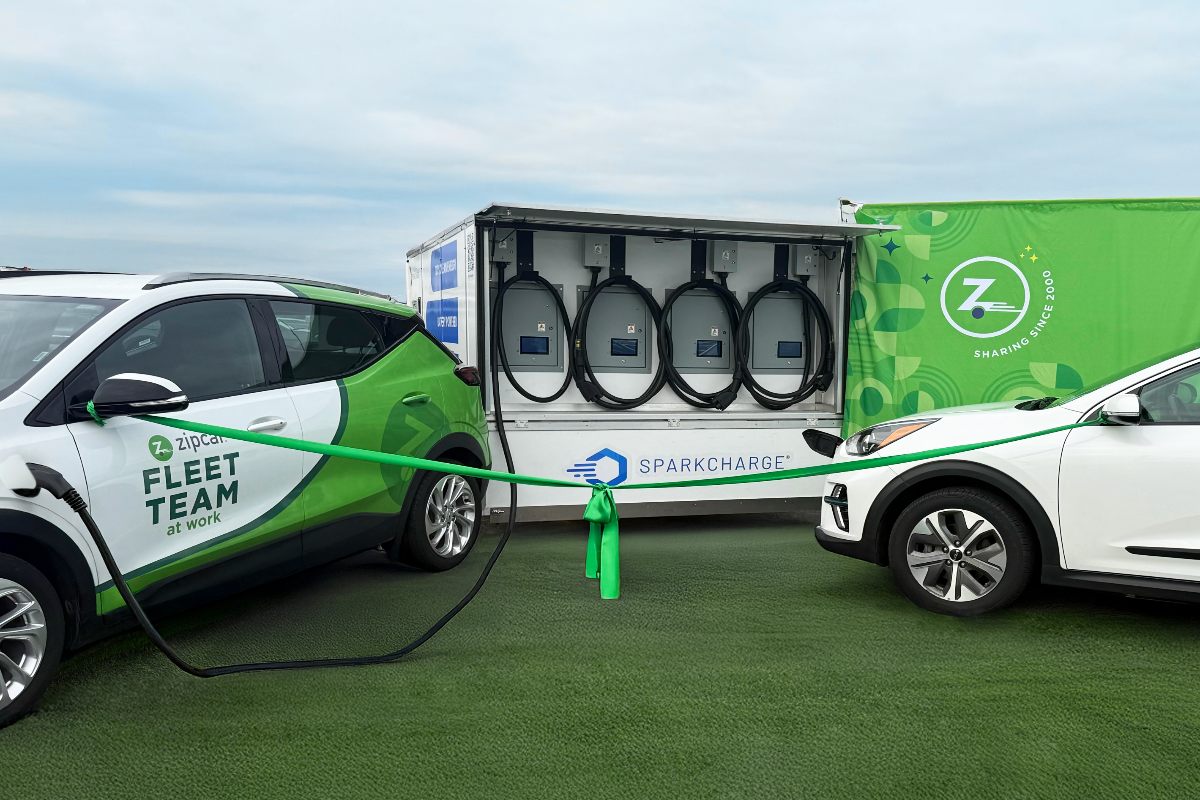
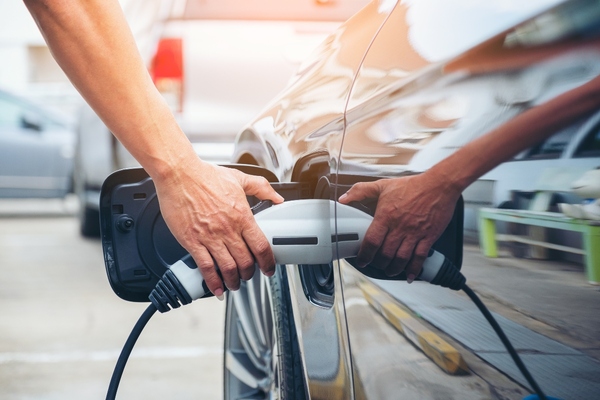
Located at Zipcar’s maintenance facility in East Boston, an Environmental Justice community, this project delivers scalable, equitable EV infrastructure.
Seven Boston affordable housing developments will receive funding to advance retrofits and electrification as part of Climate Ready Housing grant programme.
Citywide pilot led to 200-plus young people being hired this summer to work in jobs focused on climate resilience, sustainability, and environmental justice.
Resonance’s America’s Best Cities 2025 reflects fresh realities, including affordability pressures, reshoring of critical industries and new mobility patterns.
New resiliency project handbook seeks to provide guidance based on lessons learned from the development of successful resiliency plan in Boston neighbourhood.
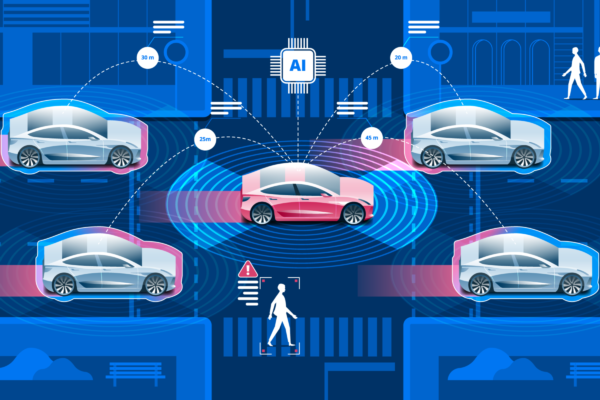
The digital map project will combine AI, real-time information sharing and planning expertise to implement solutions for kerb management and improved parking.
The request for information is being issued by City of Boston’s Department of Innovation and Technology, Inspectional Services Department and Fire Department
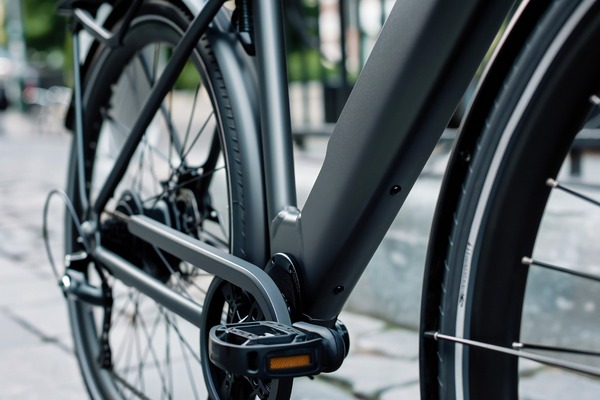
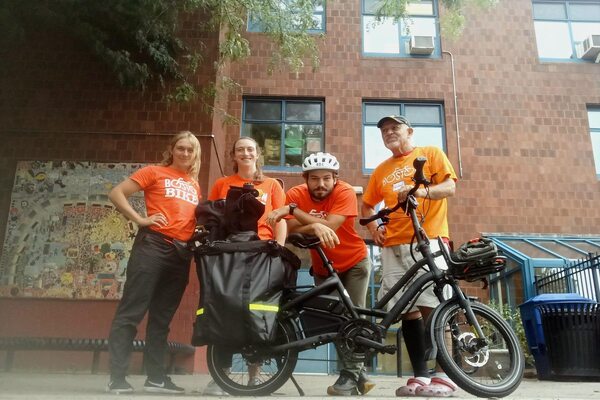
The initiative provides vouchers for seniors, income-eligible residents, and adults with chronic or permanent disabilities to reduce the cost of an e-bike.
Boston’s mayor Michelle Wu announces partnership with local utility companies to enable small property owners and tenants to access benefits of clean energy.
The cross-departmental approach has shifted emphasis from planning to implementation, focusing on empowering residents and supporting communities at risk.
The new zoning will introduce decarbonisation requirements for development projects that accelerate progress on the City’s goal of being carbon-neutral by 2050.
The research was conducted to benchmark the leading metropolitan statistical areas based on their capacity to generate and embrace emerging technologies.
It is working with Massachusetts Bay Transportation Authority to expand transit signal priority city-wide after a successful test along Brighton Avenue.
The City of Boston has received $5m in grant funding and has been contributing to the Commonwealth’s broader efforts of ensuring digital equity across the state.
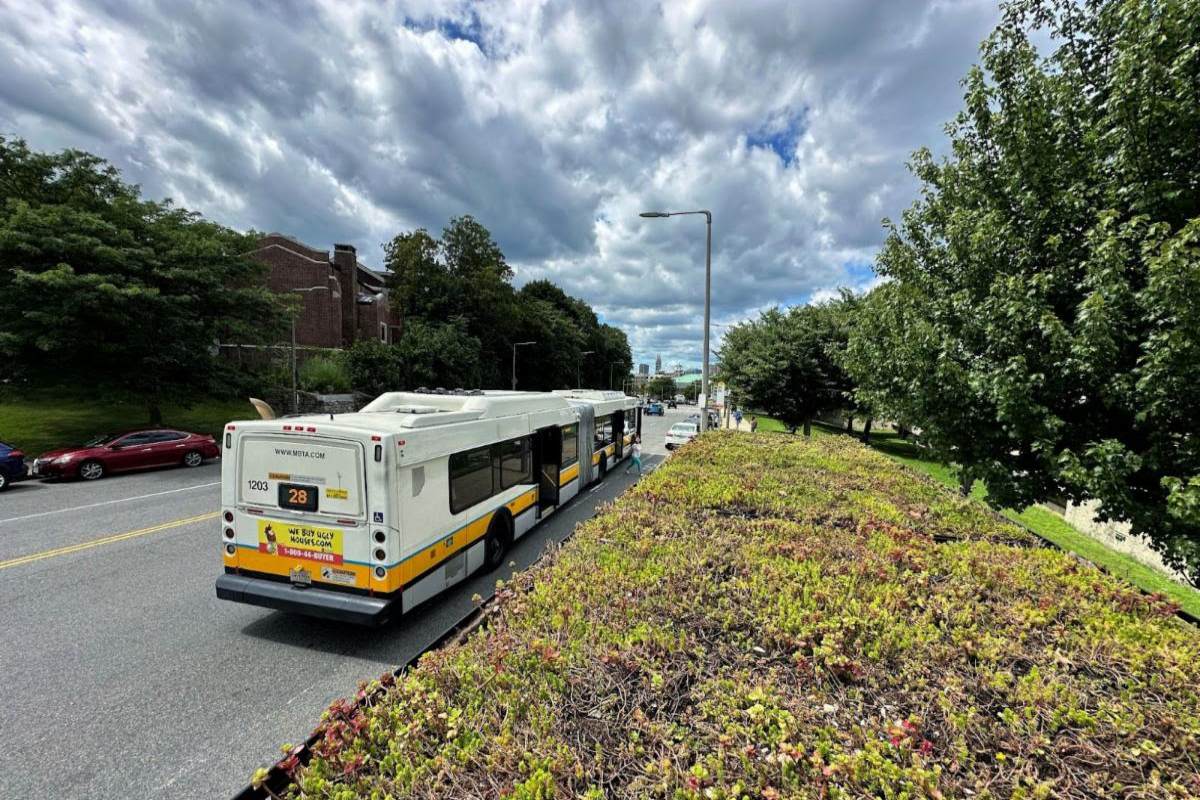
The new roofs feature drought-resistant plantings that will help provide shade, improve air quality, increase stormwater retention, and add new green space.
The project uses artificial intelligence to model traffic patterns and create signal timing recommendations that can reduce stop-and-go traffic and emissions.
The goals of the e-bike pilot are to address historic inequities in transportation access, and accelerate mode shift to sustainable modes of transportation.
The establishment of the new department is a major piece of mayor Wu’s vision to transform planning and development and create a green and growing city.
The chief climate officer is charged with leading the mayor’s climate action agenda and co-leading a new Climate Cabinet alongside Boston’s Green New Deal director.
All of these companies are building smart cities technology solutions to issues confronting quality of life in communities across the state of Colorado.
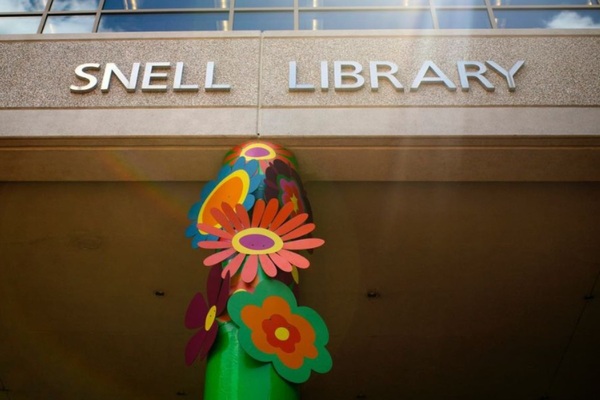
Installed by cleantech integrator and developer Ameresco on top of the US university’s Snell Library, it will provide 157.78 kWp DC of power for the building.
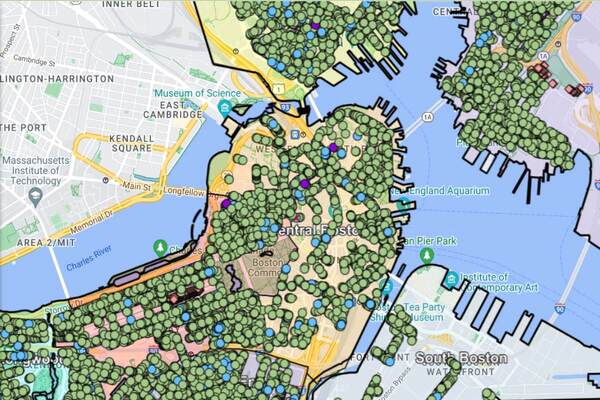
It builds upon completion of the street tree inventory and efforts to inventory trees in parks, providing critical information on Boston’s urban tree canopy.
New system will replace existing gas distribution service with an electric heat system, supporting the City’s goal to decarbonise public housing by 2030.
Supporting Go Boston 2030’s goal of encouraging low-emission modes of travel, the bikes are available to any City employee for attending meetings across town.
The programme provides Bostonians with the option of directly reducing their own carbon footprints and is a core part of the city’s climate action plan.
Boston is enhancing its tree canopy and bolstering workforce opportunities in community forestry via the US Forest Service’s Urban and Community Forestry Grant.
The Genasys platform will allow the City to send emergency notifications to specific geographic areas and citizen lists through single or multiple channels.
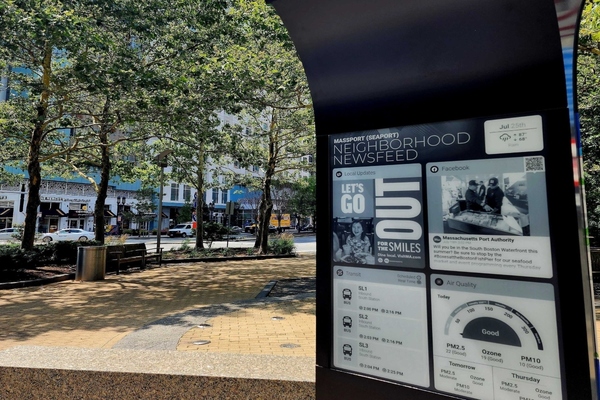
Digital kiosk provider Soofa is working with Boston Environment Department to implement an air quality widget that provides access to vital health information.
Executive order signed by Michelle Wu, which aligns with the New Green New Deal for Boston, also applies to major renovations of existing City-owned buildings.
Through two requests for proposals, the City will evaluate the market for businesses to partner to bolster the number of public, kerbside charging stations
The Safety Surge initiative will bring traffic calming infrastructure to every neighbourhood in Boston and will include speed bumps and redesigned intersections.
EcoSmart Solutions and Rise will develop zero-energy-capable mixed-use and life science real estate projects across Boston, based on geothermal infrastructure.
Building on the Climate Ready Boston initiative, the City will work with Army Corps Engineers to conduct the Coastal Storm Risk Management feasibility study.
Covid-19 continues to have a disproportionate impact within communities so data will be used to help inform strategies and ensure equity in the city’s response.
ABI Research said the single most important benefit of green urban infrastructure is its role in making cities more resilient against climate change impacts.
The City of Boston will utilise the Green New Deal principles in action to meet climate goals while spurring local economic growth in the energy sector.
A new policy requires that certain projects in the Massachusetts city include environmental benefits and stormwater mitigation through the use of green infrastructure.
The plan will be based on the findings of the city’s recent digital equity assessment and seeks to ensure all citizens thrive with improved access to digital technologies.
The redevelopment of the city’s South Station, which has involved more than four decades of planning and collaboration among city, state and federal agencies, enters its next phase.
During peak times, people on bikes regularly make up 10-25 per cent of all Boston traffic and research shows more will ride if they have access to separated bike lanes.
The framework strategies will guide the development of coastal flood protection, strengthen Boston’s work to become the greenest city in the country, and improve the quality of life for residents and visitors.
In the newly created role, Diana Fernandez Bibeau is charged with executing “a human-scale and inclusive vision” for the design of the built environment across the city.
The solar power programme will reduce costs for solar panel installation while the Community First Partnership will expand energy efficiency and renewable energy opportunities for environmental justice communities.
With cities on the frontline of climate change, it is vital that we continue to see new initiatives, strategies and policies forming globally to combat pollution and heat, and become more resilient and sustainable over time.
Heat Plan is a critical component of Climate Ready Boston, the City’s initiative to prepare for the near- and long-term effects of climate change, including sea level rise, extreme precipitation and extreme heat.
Boston Public Schools will launch an electric school bus pilot programme with an initial procurement of 20 buses, using its operating budget and funds from the American Rescue Plan Act.
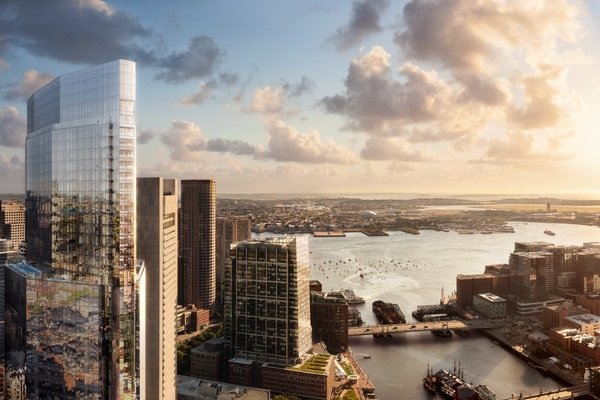
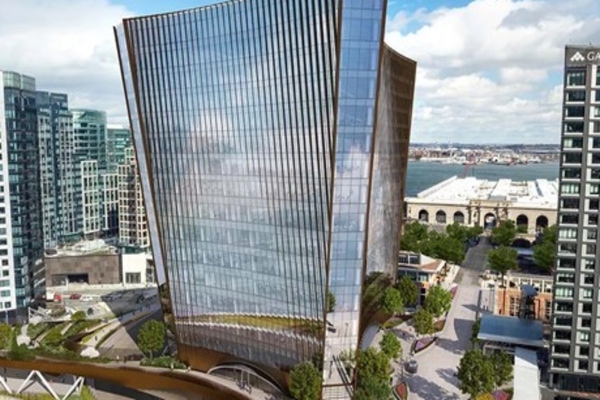
10 World Trade, a 17-storey, nearly $600m life science and office building under development in Boston’s Seaport District, will be enclosed with floor-to-ceiling smart windows from View.
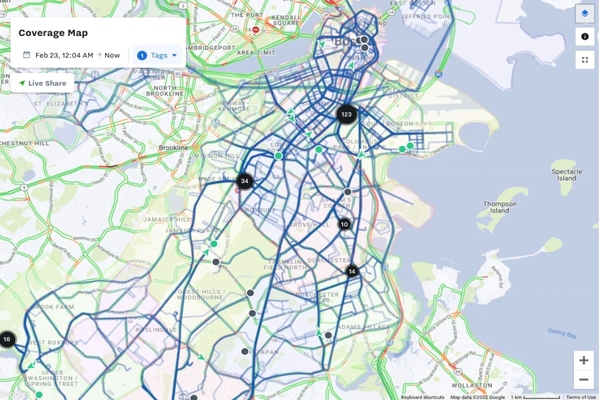
Samsara’s tools, which are already in use in Boston and Syracuse, aim to maximise service efficiency and enable cities to gain visibility into the location and status of vehicles such as snowploughs.
The Neighbourhood of Affordable Housing project will deploy air quality sensors and air filters at local businesses, community hubs and qualifying households in East Boston.
After fares were eliminated in August 2021 on one of the chosen routes, ridership increased to more than 90 per cent of pre-pandemic levels with over 12,000 riders every day.
New funding will provide free access to wireless broadband service and devices to help public housing seniors and residents get online and will also provide Chromebook laptops to students.