


Charity fundraising website Savoo ranked Bogota first and Bangkok second as the top zero-waste city based its analysis on a number of criteria like how many zero-waste stores and flea markets are available in a city, as well as recycling rates and plastic bag regulations.
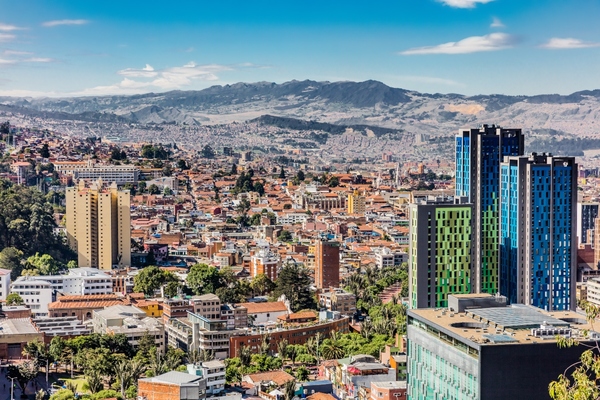
The Colombian capital of Bogotá has been ranked as the top zero-waste city in the world, followed by the Thai and Italian capital cities of Bangkok and Rome respectively, according to a study.
Discount code and charity fundraising website Savoo analysed the number of zero-waste stores and flea markets available in a city, as well as their recycling rate, plastic bag regulations and amount of household and plastic waste, to determine which locations are most committed to being plastic-free.
Located in the centre of the country, Bogotá has 176 flea markets open in the town, according to Google. Banning the use of plastic bags since 2017, the Colombian city generates one of the lowest amounts of plastic waste at 2,414 million tons a year. Producing just 70kg per capita a year, the nation also boasts a low volume of household food waste.
Bangkok is home to 192 flea markets and Thailand recycles 19 per cent of municipal waste. The country banned use of plastic bags in 2021.
Savoo was able to determine which cities rank worst for moving towards zero waste and reports that the city of Skopje in North Macedonia comes first, with no zero-waste stores available at the time of the analysis and just eight flea markets open. It has a recycling rate of less than one per cent (0.2 per cent).
Two central European cities have made the bottom 10; Bern, Switzerland, and Budapest, Hungary. Both cities charge their citizens for the use of plastic bags, however, the charge in Bern is completely voluntary.
Both cities have scored poorly, thanks in large part to the low number of zero waste shops available in each place – two in Bern and three in Budapest. Although Bern and Budapest have a high recycling rate (30 per cent and 26 per cent respectively), the high volume of household food waste in each town has lowered its overall score.
The top five countries for recycling the most household waste are:
Savoo also analysed the average cost of groceries in the supermarket and zero-waste stores to find out how much more shoppers are saving or spending by going plastic-free. On average, groceries from a zero-waste store cost 212 per cent more than groceries from the supermarket.
“Our research shows that the world is making a conscious effort to reduce the amount of plastic that is produced and consumed,” said Ed Fleming, managing director, Savoo. “With the high number of flea markets and low volume of plastic waste, Bogotá is leading the way to become plastic-free, and it’s only a matter of time before other nations follow suit.
“Though choosing to live a zero-waste lifestyle can seem daunting and expensive at first, the conscious effort you make when shopping for items will not only reduce your own waste but eventually save you more in the future.”
For the full ranking, go to: Zero-waste Capitals: The World’s Best Zero Waste Cities
Why not try these links to see what our SmartCitiesWorld AI can tell you.
(Please note this is an experimental service)
How do plastic bag bans impact urban plastic waste reduction?What factors contribute to Bogotá's success in zero-waste initiatives?How do flea markets support zero-waste lifestyles in cities?What role do recycling rates play in overall zero-waste rankings?How does the cost difference affect consumer choices in zero-waste stores?