














 22 - 26 June 2026: Find out more







BUILD YOUR OWN
RESOURCE LIBRARY



Podcasts

Cities Thriving on Lighting, Episode 2 – Simplicity by design in smart lightingSponsored by Paradox Engineering
Cities Thriving on Lighting, Episode 1 – Lighting as the backbone of the smart citySponsored by Paradox Engineering
Opinions

Transforming indoor public safety with smart sensor networksSponsored by Motorola Solutions
Thailand progresses clean energy plans with floating solar hybrid project
The Electricity Generating Authority of Thailand is using smart technology to optimise and balance the energy mix at the Sirindhorn Dam project, which could play a key part in the country’s National Energy Plan.


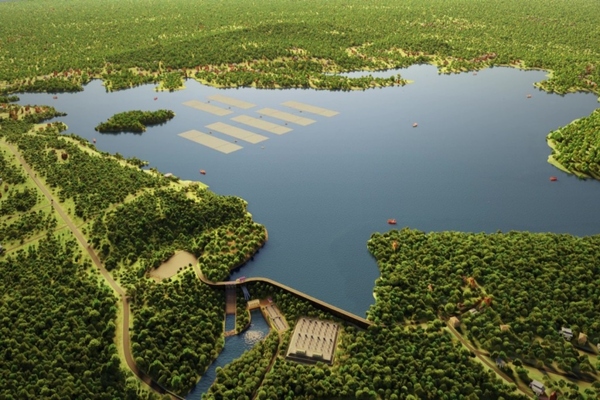
Thailand is pressing ahead with its clean energy plans with what claims to be the world’s largest hydro-floating solar project at Sirindhorn Dam, Ubon Ratchathani province.
The Electricity Generating Authority of Thailand (Egat) is using smart technology to help reduce carbon dioxide emissions by deploying Siemens’ Sicam Microgrid Control and Photovoltaic Plant Control to balance the energy mix generated.
Hydroelectric capacity
The project is the first installation of microgrid control, photovoltaic plant control and distributed energy optimisation (DEOP) in Thailand. It has a solar power generation capacity of 45 megawatts and a hydroelectric capacity of 36 megawatts, capable of generating electricity from renewable sources day and night.
Siemens is responsible for installing, testing, and commissioning the microgrid control that works together with photovoltaic plant control systems. In addition, Siemens is installing DEOP, its cloud-based software for the optimisation of distributed energy resources. DEOP’s capability to present real-time hybrid power distribution data on dashboard helps Egat manage power distribution more efficiently.
Operators can use a dashboard to monitor important parameters including status of electrical equipment, electric power generation, weather measurement and electric power generation forecast. These solutions can properly address Egat’s needs for efficiently managing, forecasting, and supporting the commercial distribution of large amounts of electricity.
The energy ecosystem in Thailand is changing rapidly as technological innovations transform energy management. Thailand has stepped up to increasingly generate electricity with renewable energy by using integrated hybrid technology to meet the needs for decentralisation, decarbonisation, digitalisation and smart electrification. This will enable the country to transition to electric power generation in a new context that requires energy stability and security amid economic, social, and environmental changes.
Read More
“Egat is committed to grid modernisation by leveraging various technologies and innovations. “Our main goal is to promote the use of clean energy and reduce carbon emissions to net zero in the future in accordance with the National Energy Plan,” said Prasertsak Cherngchawano, Egat deputy governor, power plant development and renewable energy.
He added: “Egat plans to implement similar projects at other nine dams nationwide, with a total capacity of 2,725 megawatts and is in consideration to expand an addition of 5,000 megawatts. This plan is significant first step toward the true carbon neutrality society.”
“Egat plans to implement similar projects at other nine dams nationwide, with a total capacity of 2,725 megawatts and is in consideration to expand an addition of 5,000 megawatts”
“Siemens Thailand is excited to work with Egat for the hydro-floating solar hybrid project. As a global leader in smart energy management and one of the first companies to announce a commitment to achieving net zero emissions by 2030, Siemens is positioned to support Egat.
“While maximising efficiency in managing electricity generated from the two sources and achieving its goals of reducing carbon emissions, Egat increases the use of clean energy for the benefits of the country, community and general public,” said Suwannee Singluedej, president and CEO of Siemens Thailand.
“Siemens’ combination of microgrid control, photovoltaic plant control and DEOP enables Egat’s control centre to effectively use real-time data for analytics and decision making for appropriate energy management, for example, integrating various forms of electricity generation, such as renewable energy from solar panels and hydropower from dams, so as to increase the stability of the power system and cater to growing consumer demand.”
Why not try these links to see what our SmartCitiesWorld AI can tell you.
(Please note this is an experimental service)
How does Siemens’ DEOP optimize distributed energy resources in real time?What role does microgrid control play in balancing solar and hydro power?How can hybrid solar-hydropower systems improve energy stability and security?What are the benefits of integrating photovoltaic plant control with hydropower?How will expanding floating solar projects impact Thailand’s carbon emission goals?
Latest City Profile
Latest Urban Exchange Podcast
Latest Special Report
SmartCitiesWorld Newsletters (Daily/Weekly)
You may also like these related articles...
BECOME A MEMBER
© 2026 SmartCitiesWorld
Smart Cities World Ltd, 37 Lombard Street, London, EC3V 9BQ