







 22 - 26 June 2026: Find out more


BUILD YOUR OWN
RESOURCE LIBRARY



Can digital twins reduce emergency response times?
This is the focus of a project by New York City Fire Department and C2Smarter transportation centre, which will create a digital twin of the streets of Harlem.


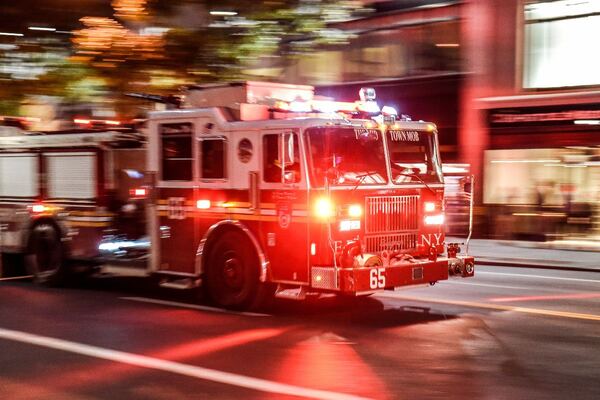
New York City Fire Department (FDNY) is collaborating with NYU Tandon School of Engineering’s C2Smarter transportation centre to use digital twin technology to help reduce emergency vehicle response times to life-threatening medical incidents.
It comes at a time when response times have risen from six minutes and 45 seconds to seven minutes 26 seconds over the past 10 years.
Urban mobility challenges
C2Smarter, or Connected Communities for Smart Mobility towards Accessible and Resilient Transportation for Equitably Reducing Congestion, is a solution-oriented research centre taking on some of today’s most pressing urban mobility challenges.
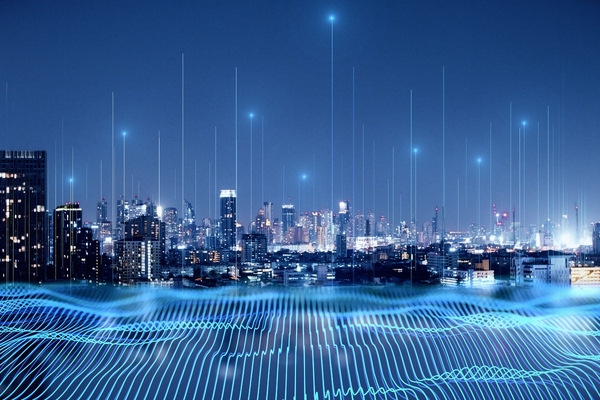
Central to the year-long research project is the creation of a digital twin simulated recreation of Harlem streets, in which real-world traffic patterns and driver behaviour is virtually mimicked.
If successful, the C2Smarter team hopes to find applications for first responder programmes in cities nationwide
The research team will use the digital twin to zero in on the causes of slow-downs and test solutions before they attempt to replicate the model on city streets.
The simulation overcomes shortcomings of traditional methods for evaluating potential emergency-response improvements, such as infrastructure modifications, fleet enhancements, and alternative routing, that are costly and disruptive to do in the real world.
Read More
It claims to be the first deployment of its kind in New York. If successful, the C2Smarter team hopes to find applications for first responder programmes in cities nationwide. It reports that anywhere with enough traffic data transmissibility to construct digital twins of city grids could be a candidate.
C2Smarter is a US Department of Transportation Tier 1 University Transportation Centre that uses cities as living laboratories to study challenging transportation problems and find solutions from the unprecedented recent advances in communication and smart technologies.
Its goal is to solve two key problems related to urban congestion:
- Untangling the broad system-of-systems interdependencies facing congested urban systems that not only include multiple modes, but many interrelated sectors
- Understanding the system-wide impacts of congestion, in particular those that exacerbate inequities on different population segments.
Led by the New York University Tandon School of Engineering, C2Smarter’s consortium of member universities brings together a combination of strengths and resources in urban informatics, connected technologies, behavioural informatics, and city partners.
Why not try these links to see what our SmartCitiesWorld AI can tell you.
(Please note this is an experimental service)
How can digital twins improve emergency vehicle routing in urban areas?What data sources are essential for creating accurate digital twins of city streets?How does simulating traffic patterns help identify causes of emergency response delays?In what ways can digital twins reduce costs compared to real-world infrastructure changes?How might digital twin technology address inequities in emergency response times?
Latest City Profile
Latest Urban Exchange Podcast
Latest Special Report
SmartCitiesWorld Newsletters (Daily/Weekly)
You may also like these related articles...
BECOME A MEMBER
© 2026 SmartCitiesWorld
Smart Cities World Ltd, 27 Clements Lane, London, EC4N 7AE