





































Discover how Sunderland is turning a strong, city‑wide data foundation into real‑world impact by using secure, scalable AI to transform planning, services, and community outcomes.
Discover how this year’s Cities Climate Action Summit puts the spotlight on the switch to clean and renewable energy, and the importance of energy-efficiency.
Find out how Dublin is innovating to improve experiences and services for its communities in the latest SmartCitiesWorld City Profile, including digital twin projects, traffic reduction, and economic growth.
Discover how the city of Madrid is innovating to become a smarter, more sustainable city that’s able to deliver improved services to residents and visitors alike.
Tune into the SmartCitiesWorld podcast to understand the world of sovereign AI for cities, featuring PNY Technologies’ Youssef Nadiri as our expert guest.
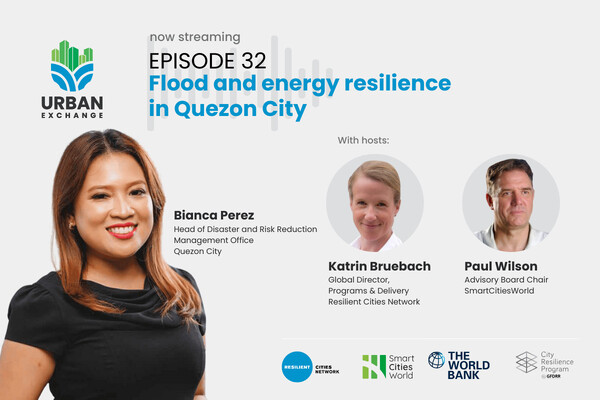
Tune in for the latest Urban Exchange where we get a first-hand account of city resilience measures from Quezon City following unexpected extreme rainfall.
Gareth Tang, President of Urban Solutions at ST Engineering, explains how urban AI applications are set to evolve, detailing projects where AI is already making significant impact.
SmartCitiesWorld’s senior editor Luke Antoniou on the launch of the new AI CityXchange, at a time where dialogue and knowledge sharing is critical between cities and their partners to use AI technology for public good.
Research from Euna Solutions shows that while most public sector agencies are exploring AI, measurable value today is concentrated in operational workflows.
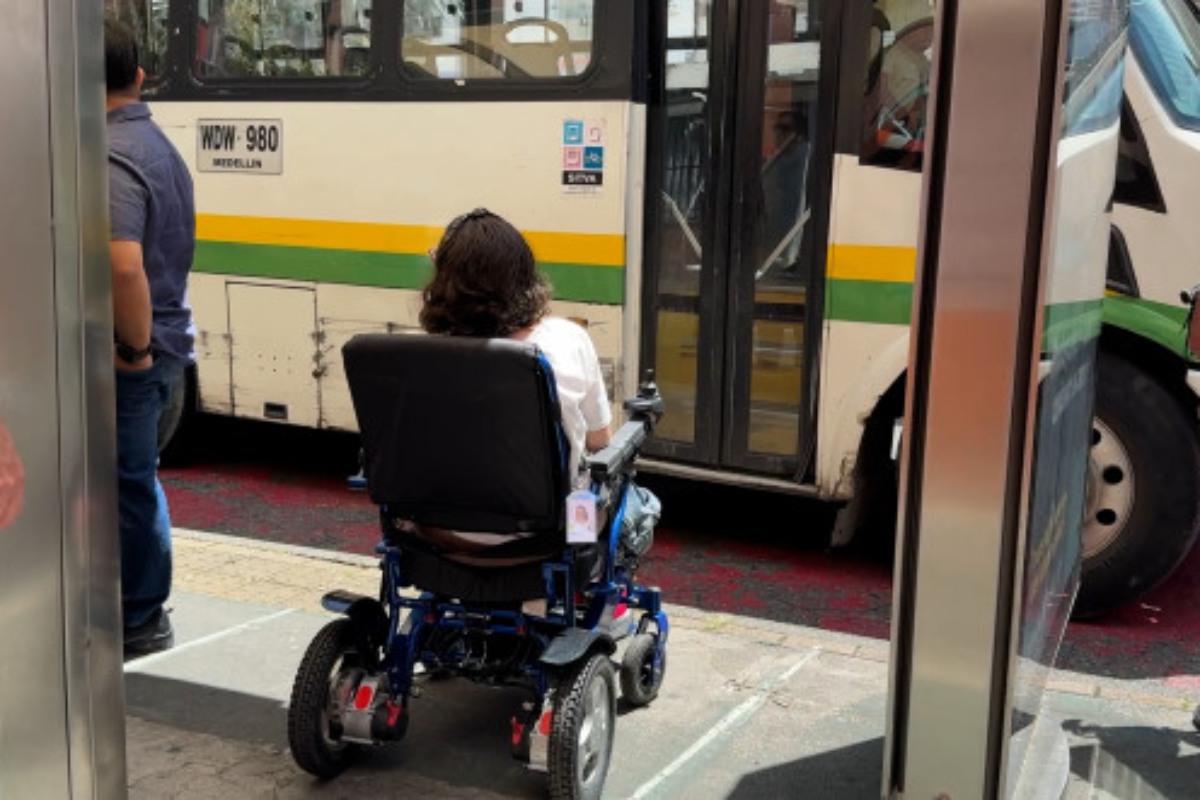
Initiative aims to improve mobility for people with reduced mobility in the districts which have the highest number of residents with physical disabilities.
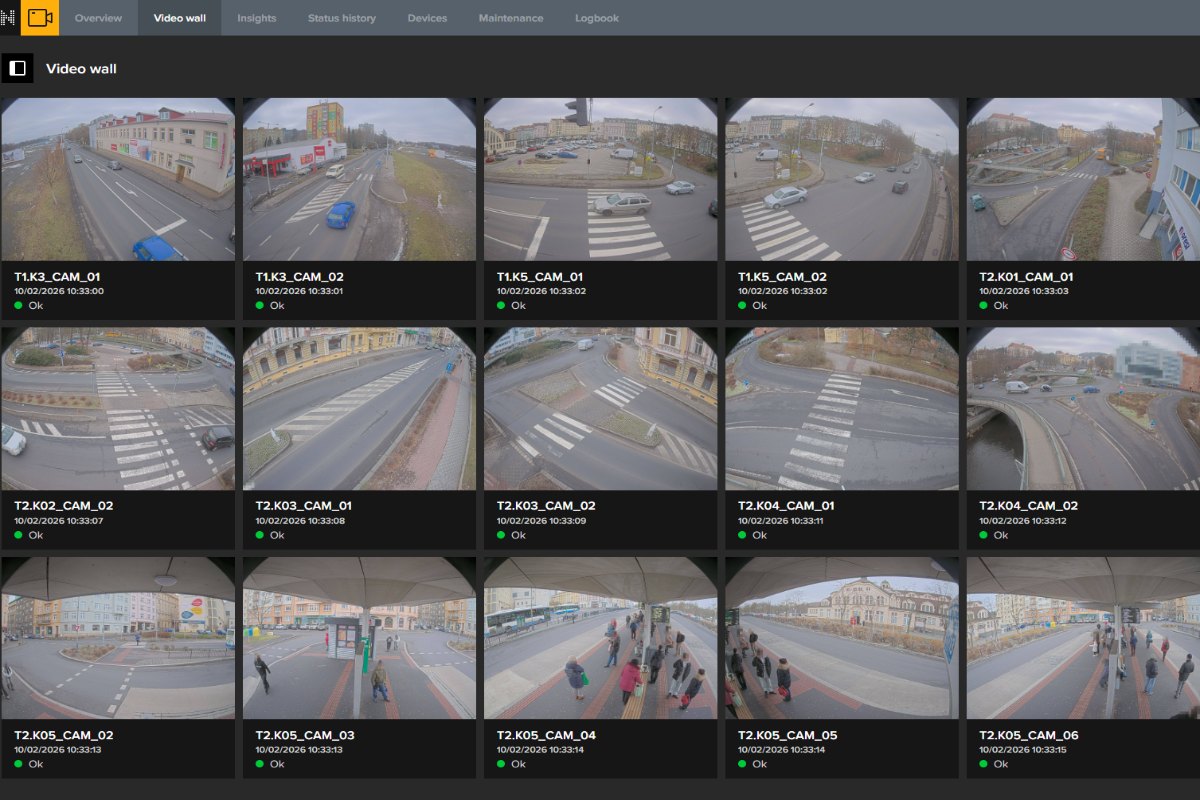
Project in Karlovy Vary has integrated and interconnected a range of public transport systems with traffic monitoring systems covering overall road traffic.
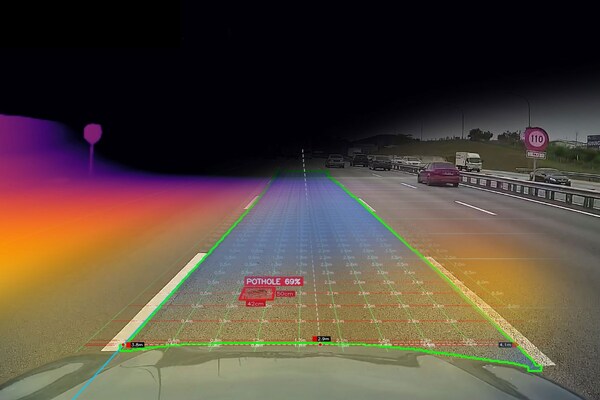
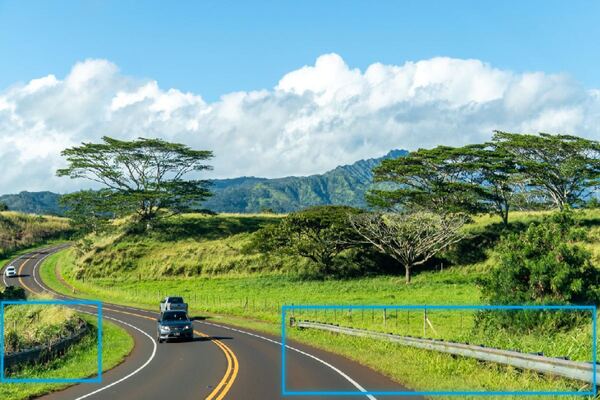
geoROAD.ai is on a mission to democratise road safety technology with its AI-driven tool that identifies road and traffic safety risks before they cause harm.
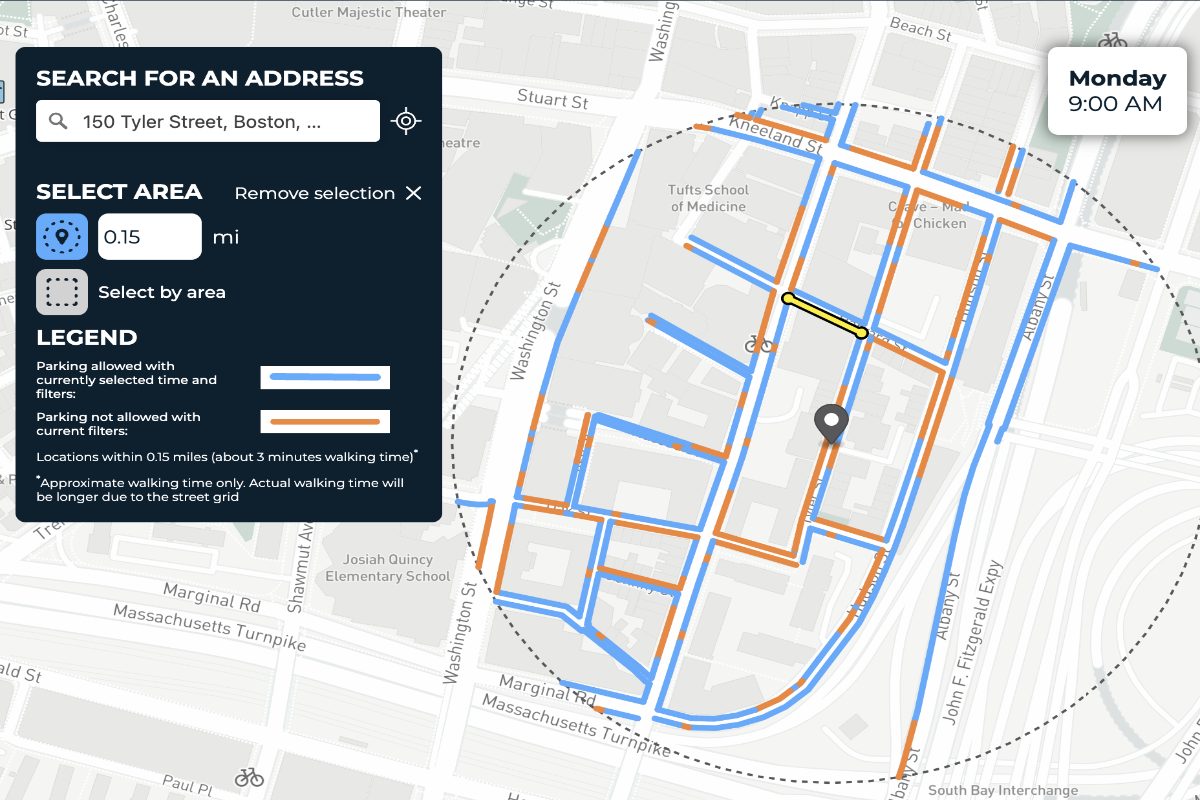
Office of Emerging Technology and city partners launch the Curb Lab, aiming to dynamically manage parking and kerb space, reducing congestion in Boston.
From data foundations and ethical guardrails to workforce skills and citizen trust, the challenge is no longer whether to use AI in cities – but how to embed it in ways that are practical, human-centred, and built to last.
Latest research from Berg Insight finds cities want digital solutions that deliver tangible outcomes, marking a shift away from tech-led experimentation.
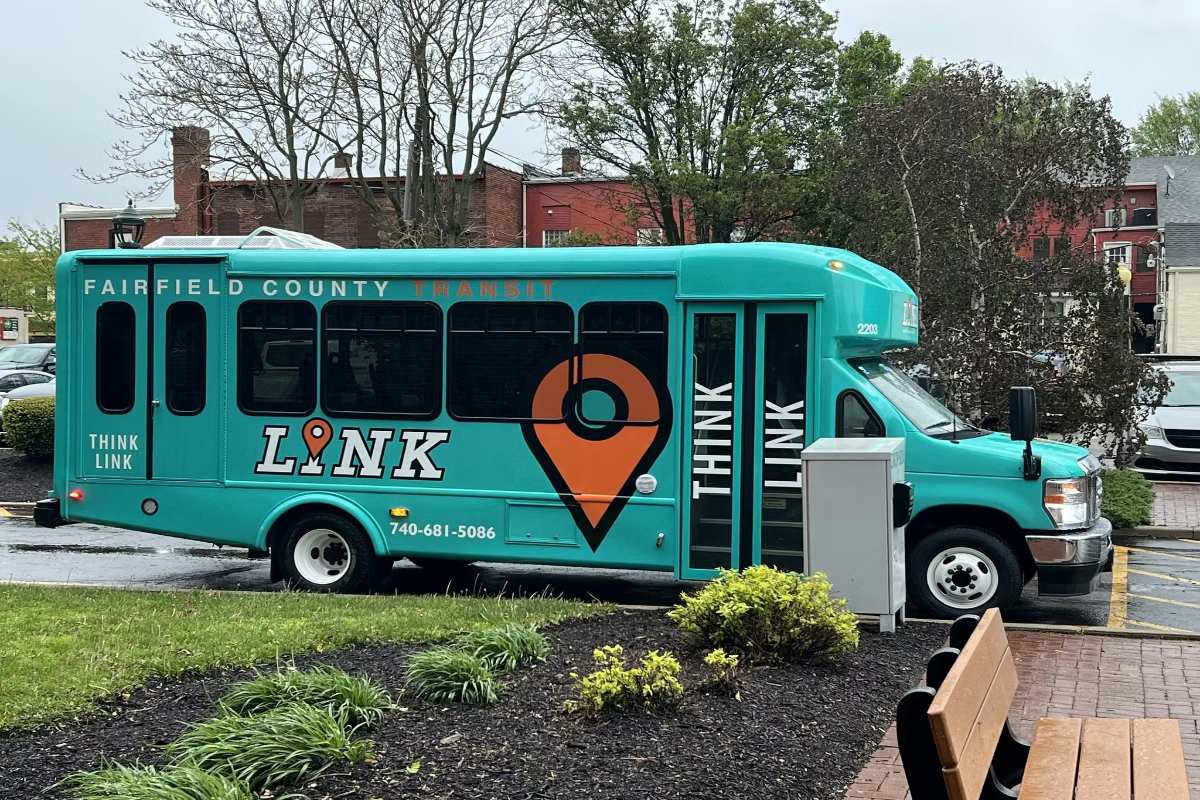
Fairfield County Transit in Ohio is partnering with the Routing Company to increase accessibility and connectivity by supporting multiple transit services.
Msheireb Properties is collaborating with Ooredoo Qatar and Honeywell to use an AI platform to automate and manage the Doha smart city, Msheireb Downtown.
Iveda’s new capabilities aim to transform existing intersection cameras into real-time traffic intelligence, enabling cities to enhance existing infrastructure.
The Virginian county is strengthening public safety with a faster, more connected approach to emergency response using Hexagon’s public safety platform.
Discover how Microsoft is working to help cities ease pressure on resource and budget with AI, from helping to reshape government processes to helping transform resident experiences.
The Model AI Governance Framework for Agentic AI provides guidance on how to deploy agents responsibly, recommending technical and non-technical measures.
This year’s challenges aim to find companies that can improve infrastructure management, modernise data and update workflow for regional public transit agencies.
It will be used in its Eyes on the Road project, which provides residents with 1,000 free high-res dash cameras to improve roadway conditions and safety.
Terbine’s Mission Control system is designed to manage the complexity of autonomous systems at scale and ensure humans are kept in the loop in smart cities.
With an ecosystem spanning areas like parking, service automation and access management, it aims to deliver a shift in how individuals interact with cities.
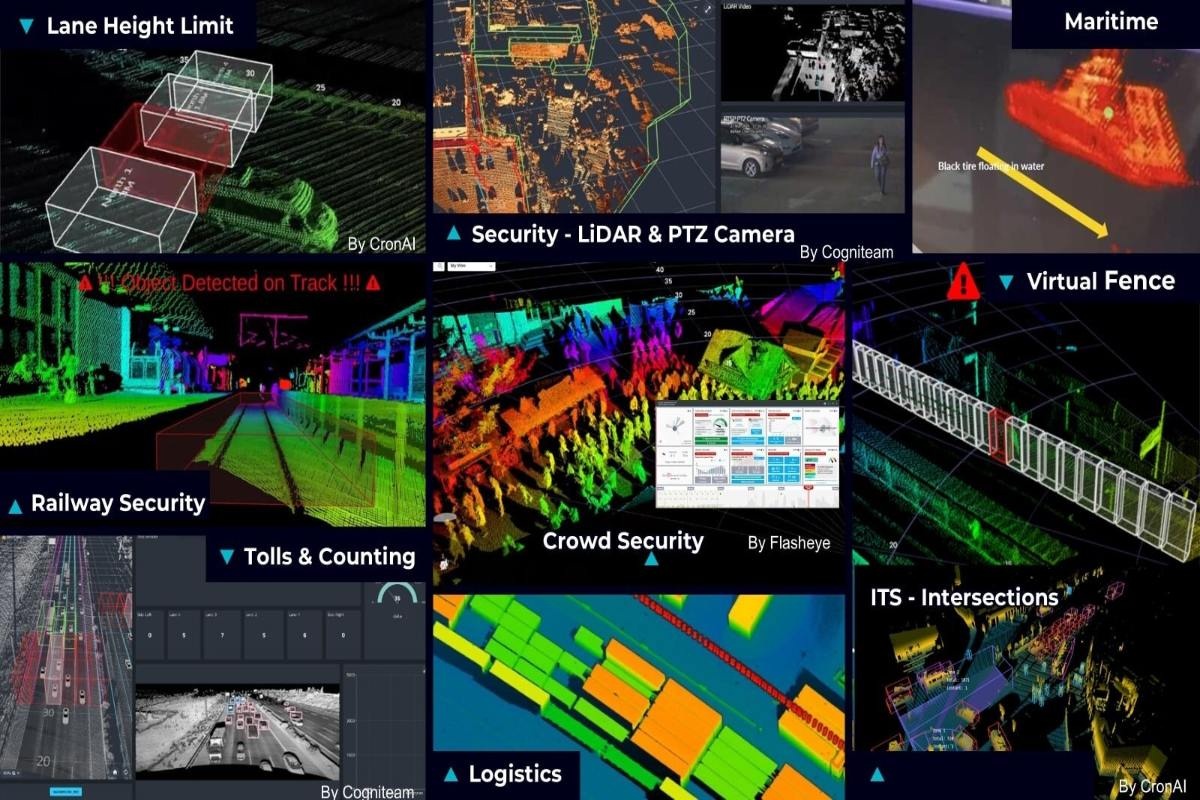
Combining on-device processing with cloud-based AI applications enables scalable wireless lidar deployments over constrained networks in cities and campuses.
Companies from Incheon Free Economic Zone in South Korea have been recognised in the annual consumer electronics and IT exhibition awards in Las Vegas.
The city council is working with VivaCity to deploy five sensors along key points, capturing anonymised multimodal data on pedestrians, cyclists, and vehicles.
Mexican fibre infrastructure provider Fermaca is working with the Government of Durango in Mexico and Nvidia to create a next-generation data centre campus.
BärGPT has been developed as an open-source solution and tested in collaboration with admin staff, adapting it to the needs of the Berlin administration.
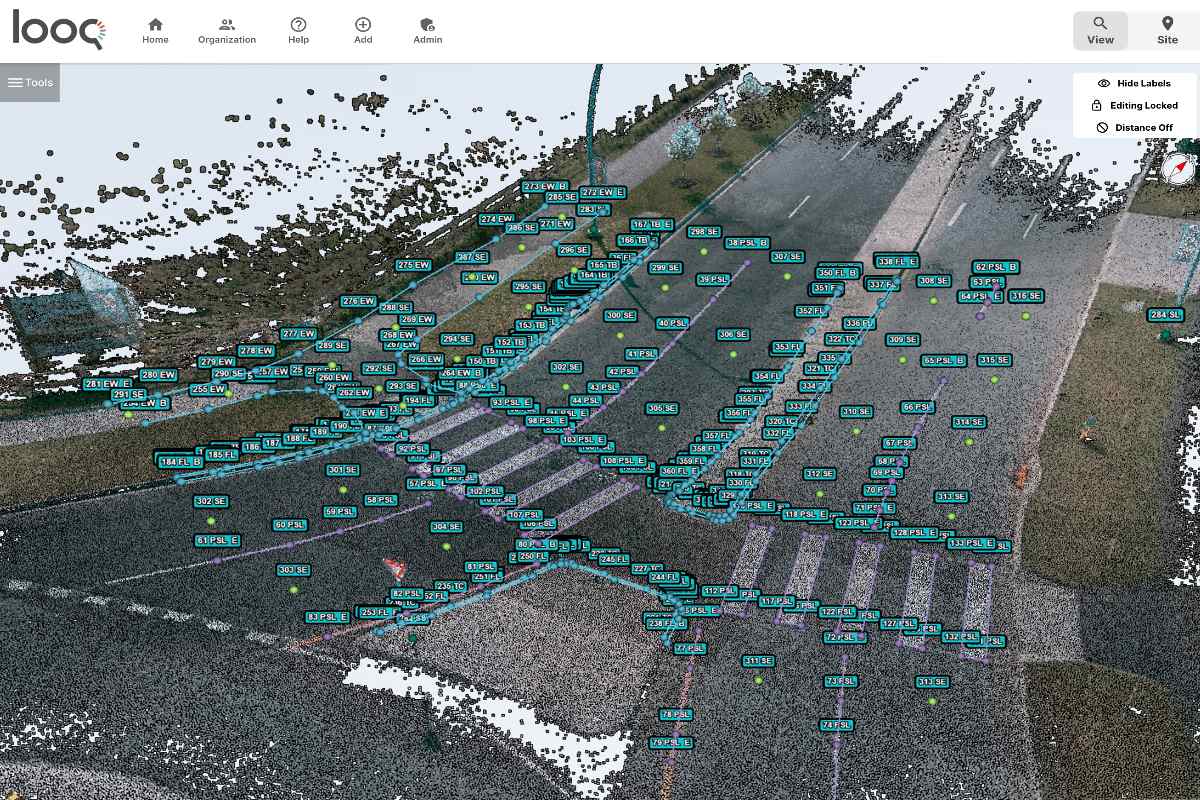
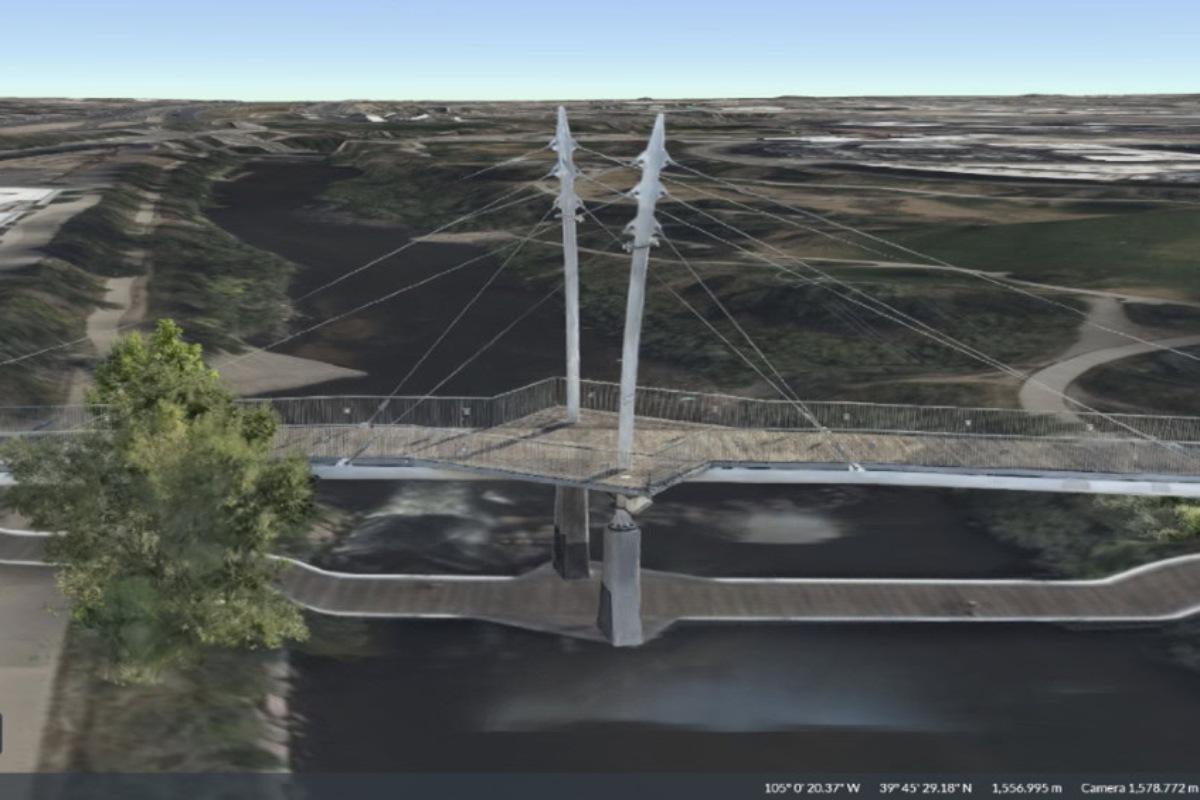
New partnerships across North America, Europe, and Asia extend survey-grade reality capture and digital twin solutions for infrastructure professionals.
Joint venture between AI software company SenseTime and King Saud University will serve as a platform for AI use cases and research across multiple sectors.
The 3D model of six hospitals supports the digital transformation programme at Manchester University NHS Foundation Trust, one of UK’s largest NHS Trusts.
Mayor Matt Mahan explains how the city is responsibly deploying AI and leading the discussion on how cities can use it to improve civic engagement, public safety, transportation, and service delivery.
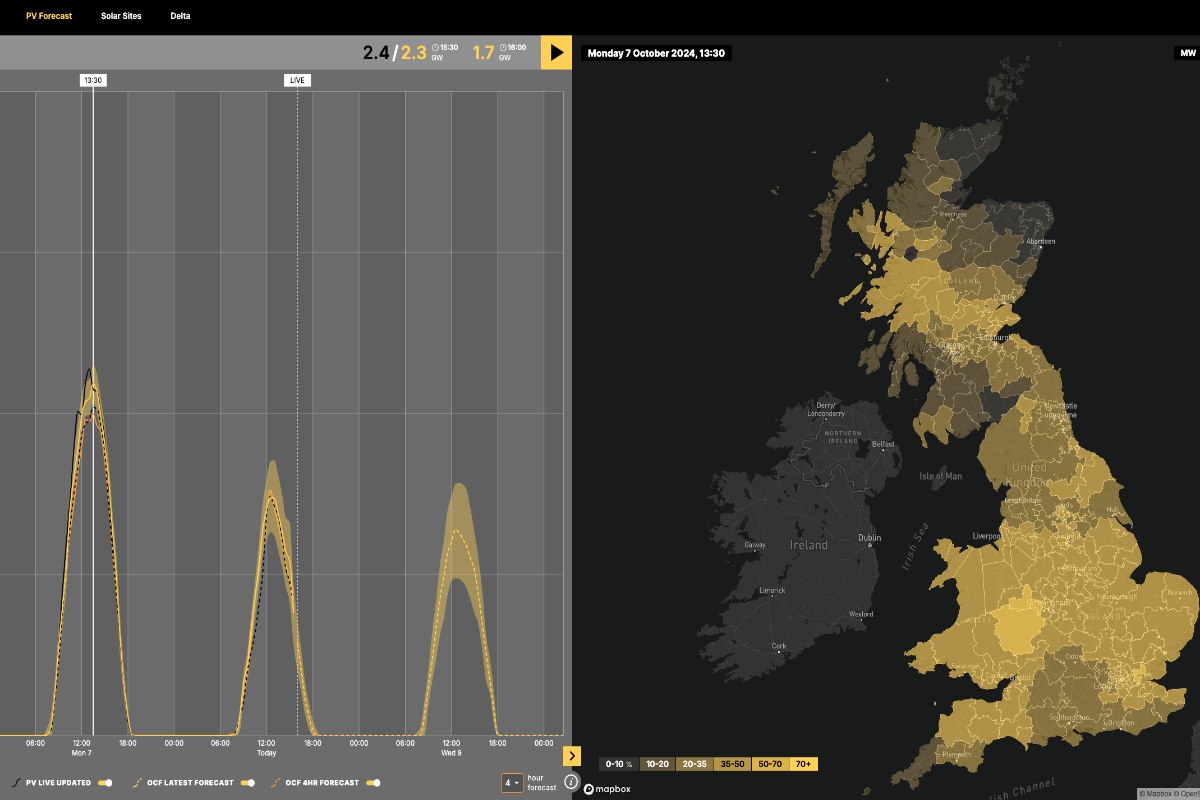
Quartz Solar combines machine learning, live satellite imagery and weather data to generate forecasts up to days ahead, providing superior within-day performance.
Collaboration between Bitsensing and Korea Wide combines an extensive national transportation network and real-time driving data with advanced radar technology.
Judges at the World Smart City Awards gala said Rome’s visionary strategy is leveraging data, 5G and digital twins to enhance urban governance, improve public services and build resilience.
Fuad Alsagoff, Senior Manager, Mobility Payment Systems, Urban Solutions at ST Engineering, explains how mobility payments are evolving with a new wave of technology – and how openness and inclusive services are driving adoption.
Hossam El-Shoukry, smart cities engineering lead, MENA, Honeywell, explains why smart city technologies aren’t an optional extra but central to building liveable, people-centric cities.
Mostafa Othman, smart cities programme director, Honeywell, examines how AI is heralding a new urban intelligence where cities learn, adapt and optimise themselves in real time.
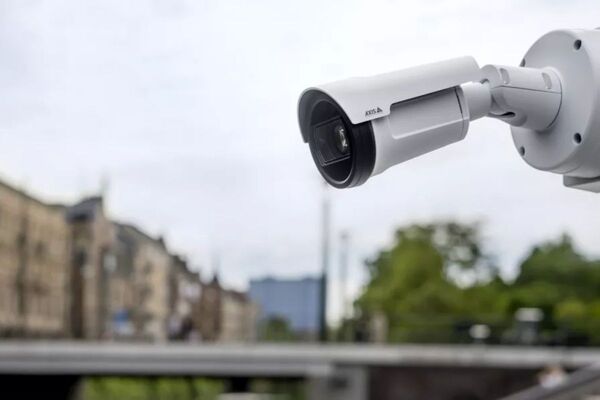
Intelligent video sensors and AI are altering how cities manage sustainability. Andrea Sorri and Johnny Lee at Axis Communications explain how real-time data and digital twins are helping urban areas become greener and more resilient.
By using renewable infrastructure to support AI workloads, the town illustrates how municipalities can deploy AI responsibly without compromising climate goals.
Itron’s 2025 Resourcefulness Report finds the rapid adoption is due to unprecedented pressures such as surging demand from electrification and AI data centres.
Ralf-Peter Schäfer, VP Product Management Traffic and Travel Information at TomTom, explains how mapping data, combined with real-time and community traffic data, is driving a revolution in urban mobility.
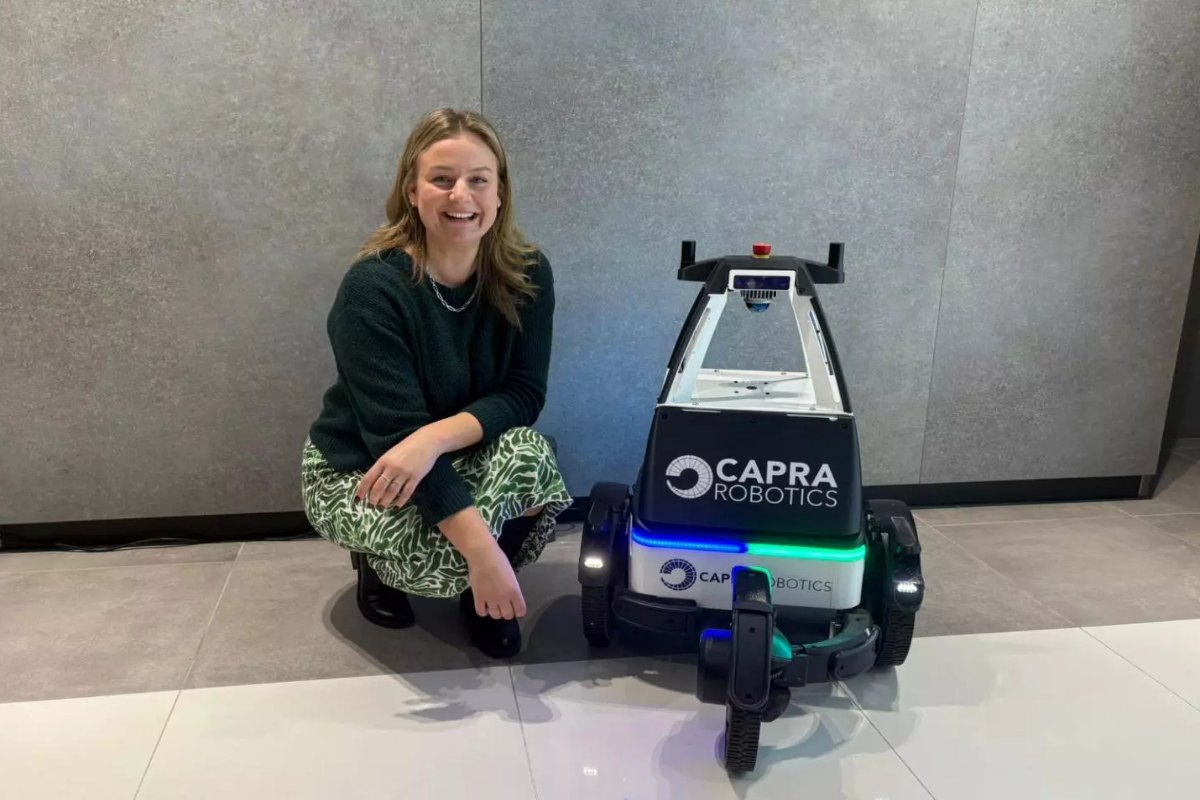
Milton Keynes City Council has been awarded almost £800,000 in government funding to explore how local authorities could integrate robotics into daily life.
Andrea Sorri and Johnny Lee from Axis Communications explain how urban mobility is becoming more proactive, efficient and safe through the use of advanced sensors, IoT and AI.
Aneek Sarker, Senior Product Manager, Mitsubishi Electric Automotive America, explores how AI can help cities shift from reactive problem-solving to proactive capital planning.
The collaboration is intended to strengthen the research-based development of the capital city’s mobility management and to help shape Tallinn’s mobility.
The entities will collaborate in the fields of AI and digital innovation to develop joint use cases that contribute to improving business and user experiences.
We explore how artificial intelligence is being deployed to strengthen resilience, manage resources efficiently and support the integration of infrastructure. Case studies include: Jakarta, Daegu Metropolitan City, Barcelona and Singapore.
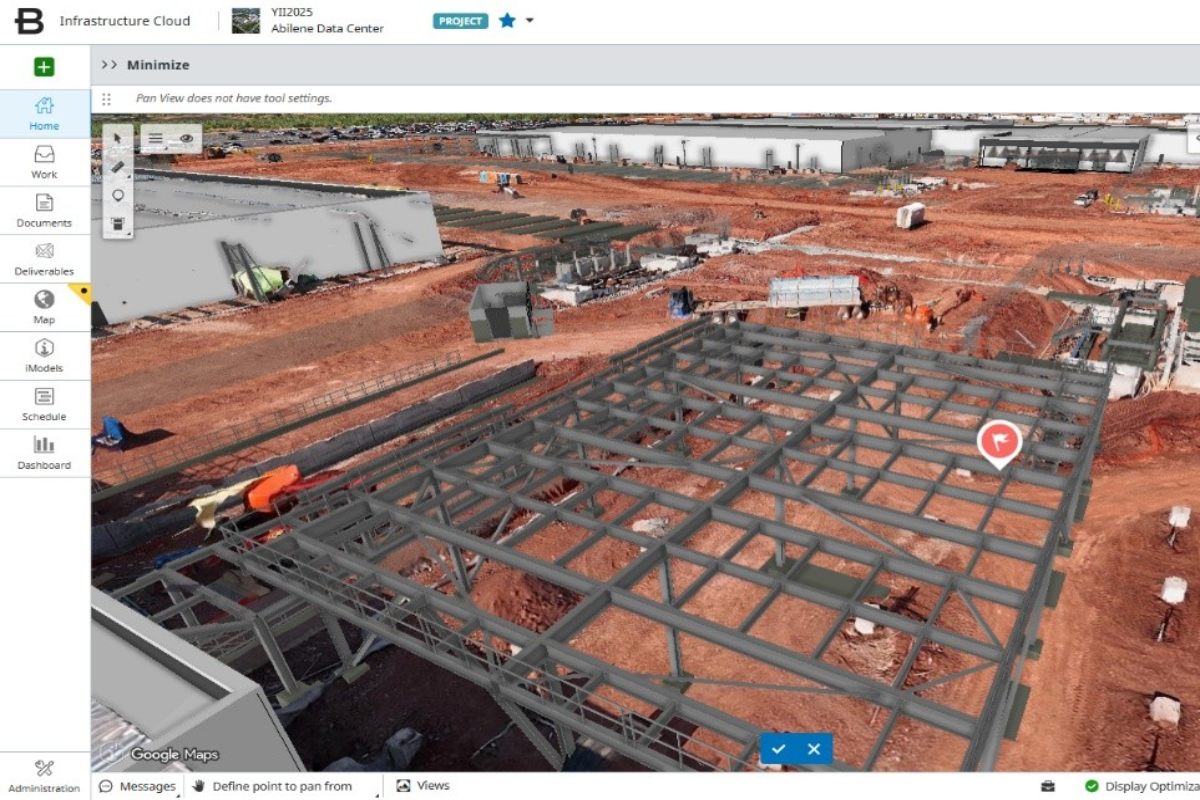
Awards honour the work of infrastructure professionals and the innovative use of Bentley software to improve the way infrastructure is built and operated.
City’s goal is to enhance customer service by also providing its AI-trained workforce with the tools to create custom AI chatbot assistants on a City platform.
The infrastructure engineering software company is unveiling a raft of developments at its annual Year in Infrastructure conference in Amsterdam this week.
Airport is working with Jacobs and PA Consulting to use AI, machine learning and data analytics to set new benchmarks for intelligent, data-driven operations.
It builds on the Federal Highway Administration’s partnership with Aurigo to modernise the planning, execution, and management of infrastructure programmes.
Carahsoft will serve as Purple Transform’s public sector distributor, making its AI-powered infrastructure platform available through its reseller partners.
Connected cycling tech specialist is working with City of Sydney, Surf Coast Shire Council and the Transport Accident Commission to develop the data platform.
Andrea Sorri of Axis Communications explains how AI can be used to maximise insights from existing infrastructure and enable cities to avoid the costs of deploying new sensors.
Projects selected span drone pilot training and AI-based mapping of outdoor advertising to biometric identification of pets and smart education analytics.
The pilot project uses cameras on City vehicles equipped with AI technology trained to spot potholes, parking violations and illegal dumping in real time.
Dr Chong Chee Chung, Vice President, ITS Architecting, Mobility Road, Urban Solutions at ST Engineering, explains how a combination of deep learning, computer vision and artificial neural networks are transforming urban traffic management.
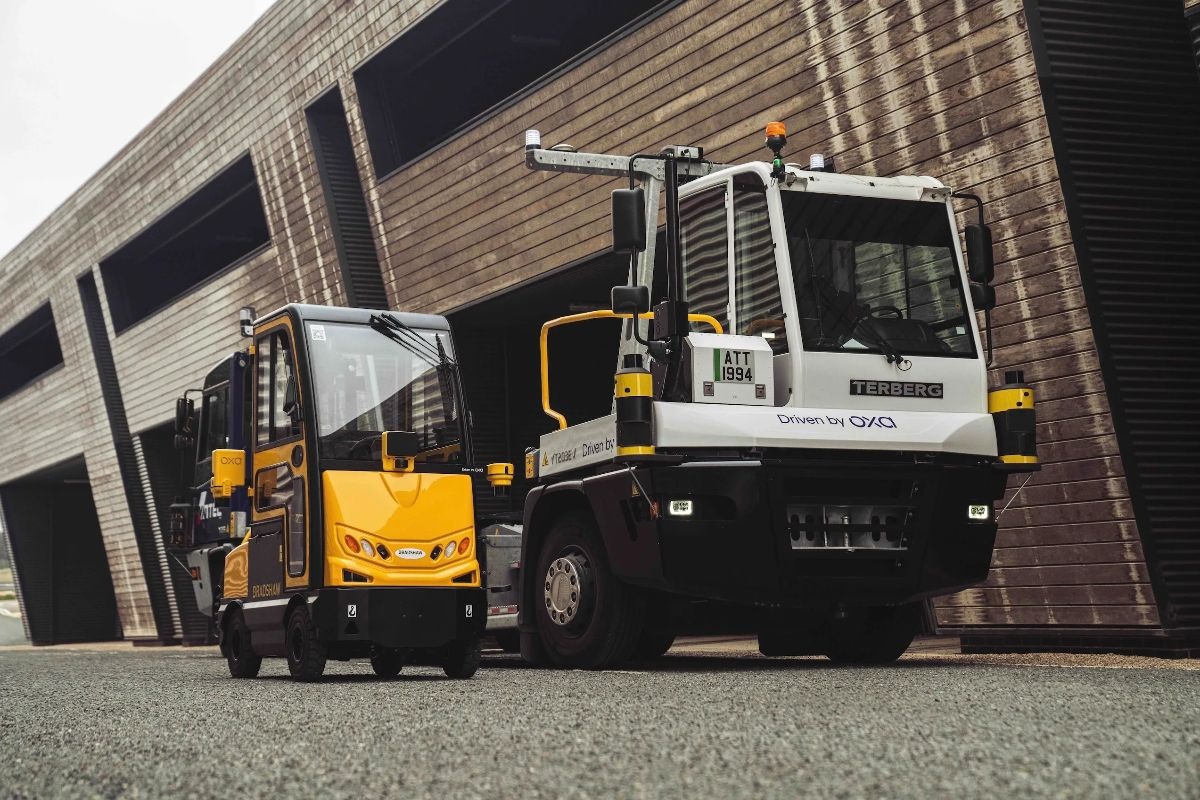
Oxa anticipates Nvidia technology expansion will significantly speed up its commercial rollout in the $2 trillion industrial mobility automation market.
The weather technology company is expanding its private radar network into 15 states and is on track to fill nearly 200 weather observation gaps across the US.
Organised by Milton Keynes City Council, the programme builds on last year’s Artificial Intelligence Festival and will feature a Smart City Robotics challenge.
EPB Quantum is partnering on the project to identify algorithms, methodologies and develop best practices for enhancing power distribution across the US.
The new 2025-2026 AI Plan creates trainings, resources, and rules for City employees to leverage advanced technology to better serve residents and businesses.
The Mexican cities are working with Xylem and Amazon to deploy Xylem Vue, an advanced software platform that applies data and analytics to detect leaks.