



















Delve into how artificial intelligence is reshaping urban infrastructure to meet the rising pressures of climate change, ageing systems, and rapid urban growth.
Discover how cities can expand their fiscal and institutional capacity to attract and manage climate finance. This session explores the role of digital tools for tracking and reporting, data platforms for transparency, and innovative approaches that allow cities to unlock new sources of investment.
Discover how this year’s Cities Climate Action Summit puts the spotlight on the switch to clean and renewable energy, and the importance of energy-efficiency.
Discover innovative concepts to solve urban issues through SusHi Tech Tokyo’s programme focused on leveraging diverse ideas, digital know-how and cutting-edge technologies.
Find out how Dublin is innovating to improve experiences and services for its communities in the latest SmartCitiesWorld City Profile, including digital twin projects, traffic reduction, and economic growth.
Discover how the city of Madrid is innovating to become a smarter, more sustainable city that’s able to deliver improved services to residents and visitors alike.
Tune in for the latest Urban Exchange where we get a first-hand account of city resilience measures from Quezon City following unexpected extreme rainfall.
Join us for a journey of collaboration on the Urban Exchange Podcast, where we discover how Resilient Sydney is aligning more than 30 local councils on a single resilience plan.
Latitudo 40 sits at the convergence of satellite imagery analysis and AI and will demonstrate the vital role satellite data has to play in helping cities tackle the challenges of climate change.
SSE Energy Solutions will show how by leveraging the power of smart city data, cities have a key role to play in lowering carbon emissions and energy consumption and costs.
City of Espoo has established the Sustainable and Nature-friendly Espoo development programme and issued an open call for ideas to create a nature-friendly city.
Investors were able to pledge as little as £5 to the scheme which will be used by the sustainability team for solar energy projects on city council buildings.
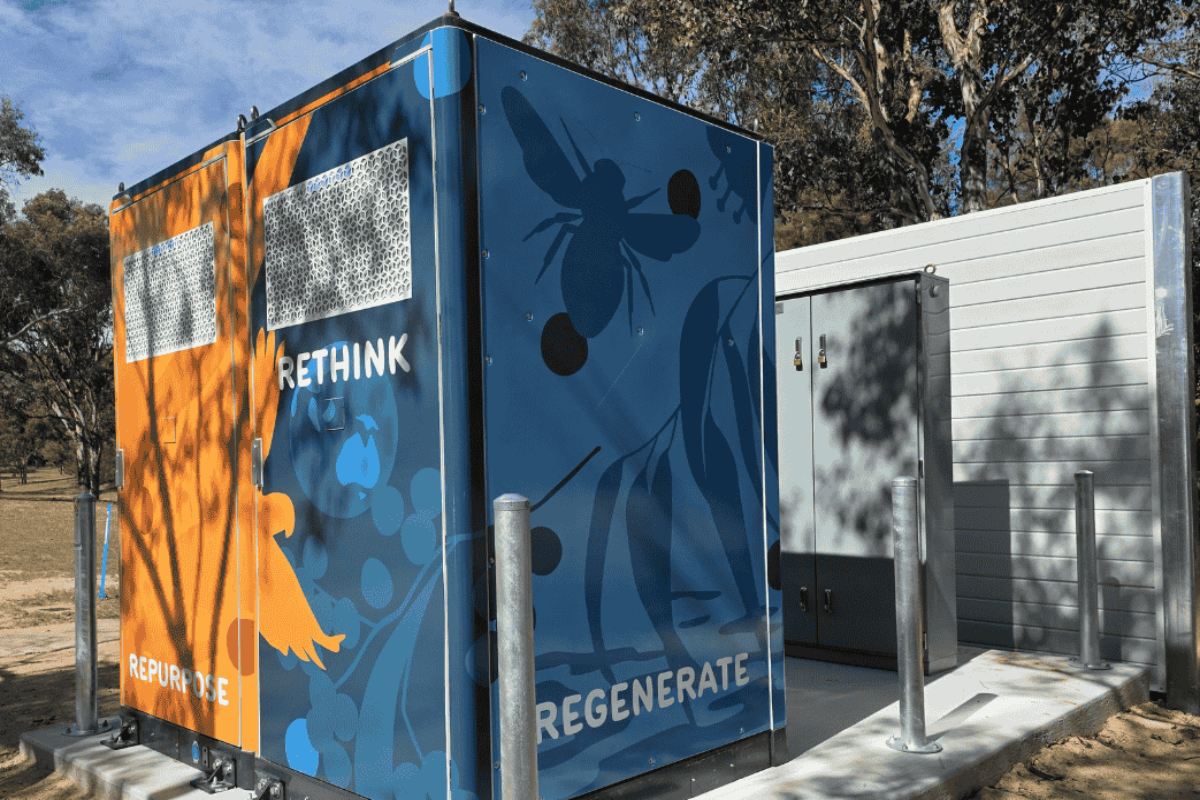
The EcoVar device helps maximise the use of the existing electricity network, enabling more homes to adopt clean technologies like EVs and solar panels.
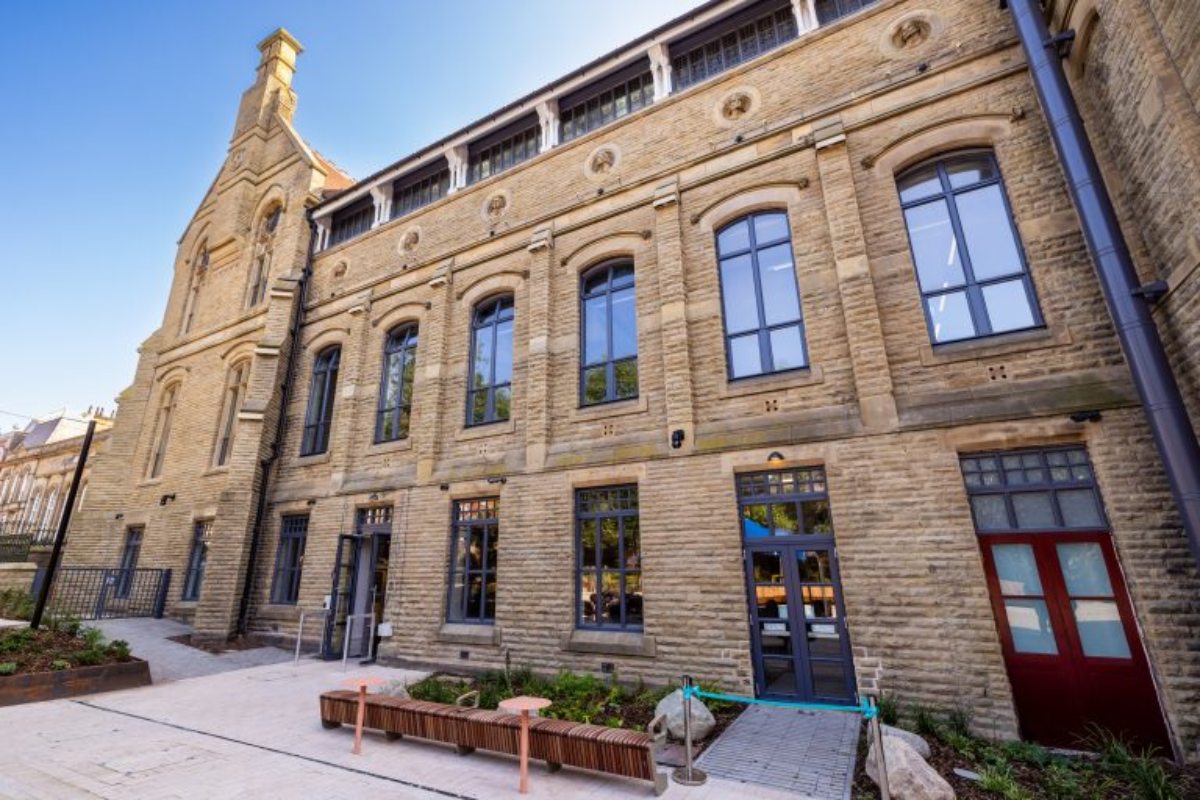
One of five projects to be approved under the initiative, the building will improve the public realm with landscaping, street trees and pedestrian connections.
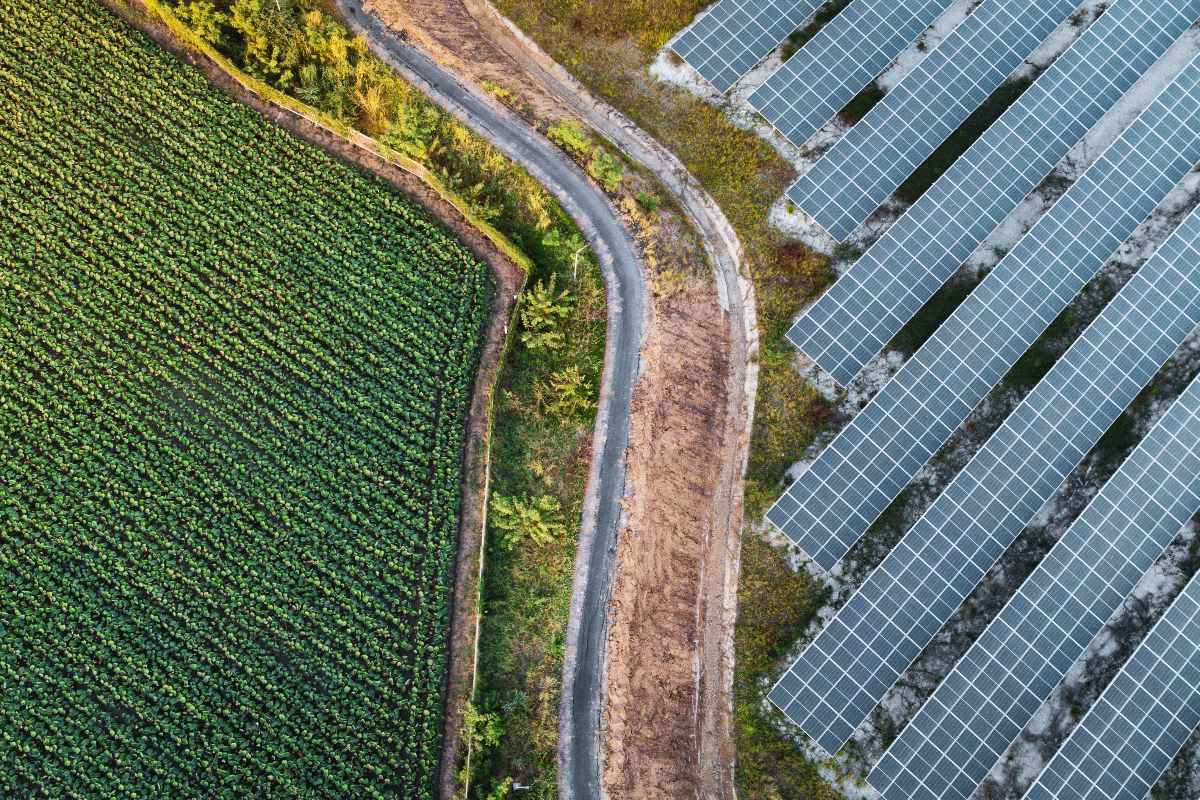
Project will see the installation of a one-megawatt solar system paired with a battery to power electric bin lorries and other council vehicles in the UK city.
Community-First AI Infrastructure is a five-point commitment to ensure it is “a good neighbour” in the communities in which it builds and operates data centres.
Massachusetts Clean Energy Centre has announced the first awardees of its CriticalMass programme that focuses on projects with measurable climate impact.
The scheme allows customers to move into homes in Dundee equipped with green technology such as heat pumps and pay no home energy bills for at least 5-10 years.
Total of $300,000 has been committed over two years to fund projects up to $30,000, supporting initiatives that reduce emissions and adapt to climate impact.
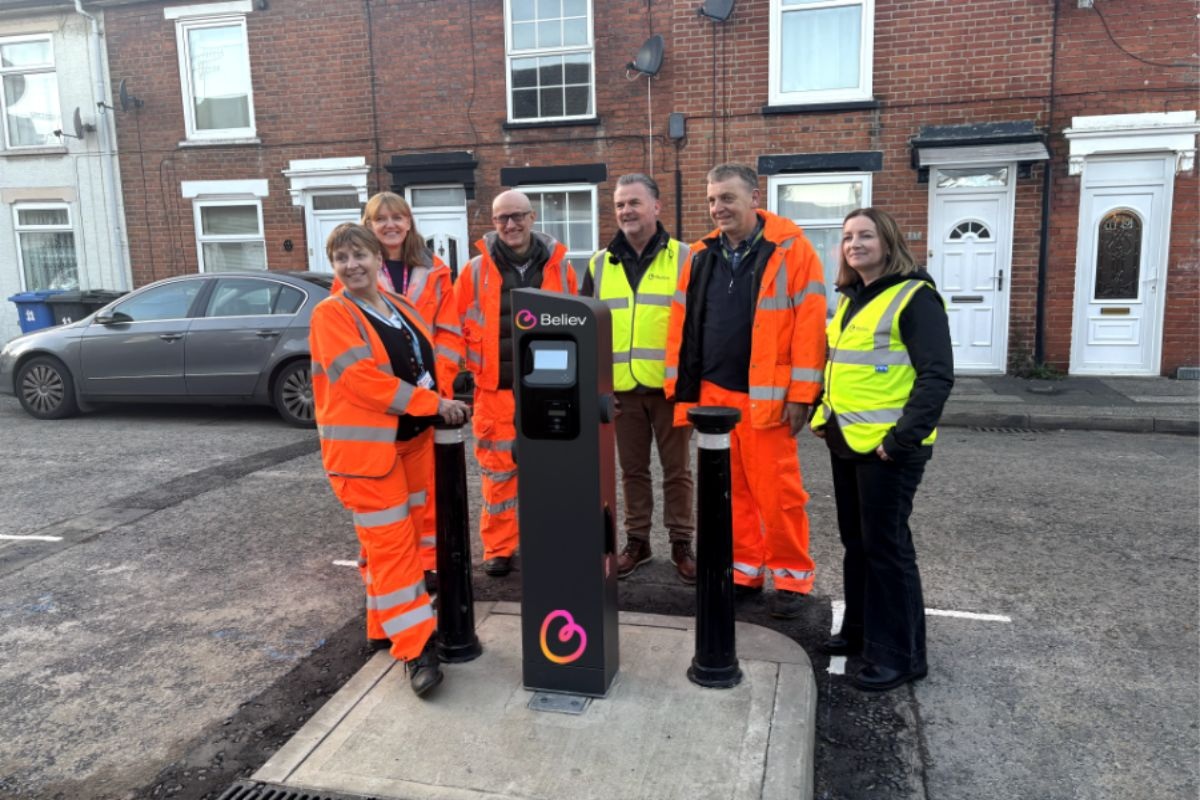
It is working with Believ to install the first of thousands of planned public EV charge points across Suffolk as part of the council’s Plug in Suffolk Project.
Following US Federal Government’s announcement to withdraw from the framework, mayors describe decision as “a self-inflicted blow to the US and its residents”.
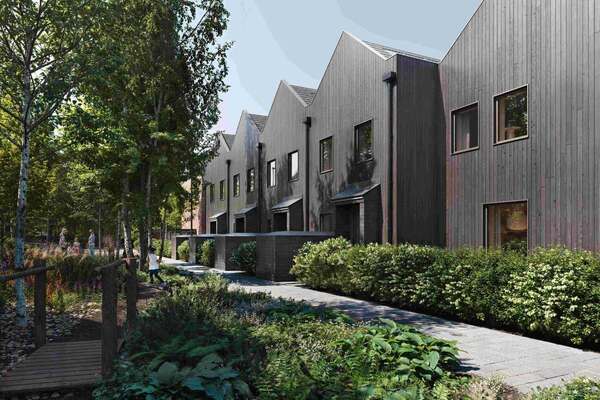
It requires developers to explore all reasonable options for retrofitting and adapting buildings before seeking permission for demolition and redevelopment.
The latest Cities A List and the States and Regions A List from CDP demonstrates the pivotal role cities play in shaping a resilient and earth-positive future.
The German capital’s Senate has more than €570m available, which it will use on a raft of measures to build a climate-resilient and liveable city in the future.
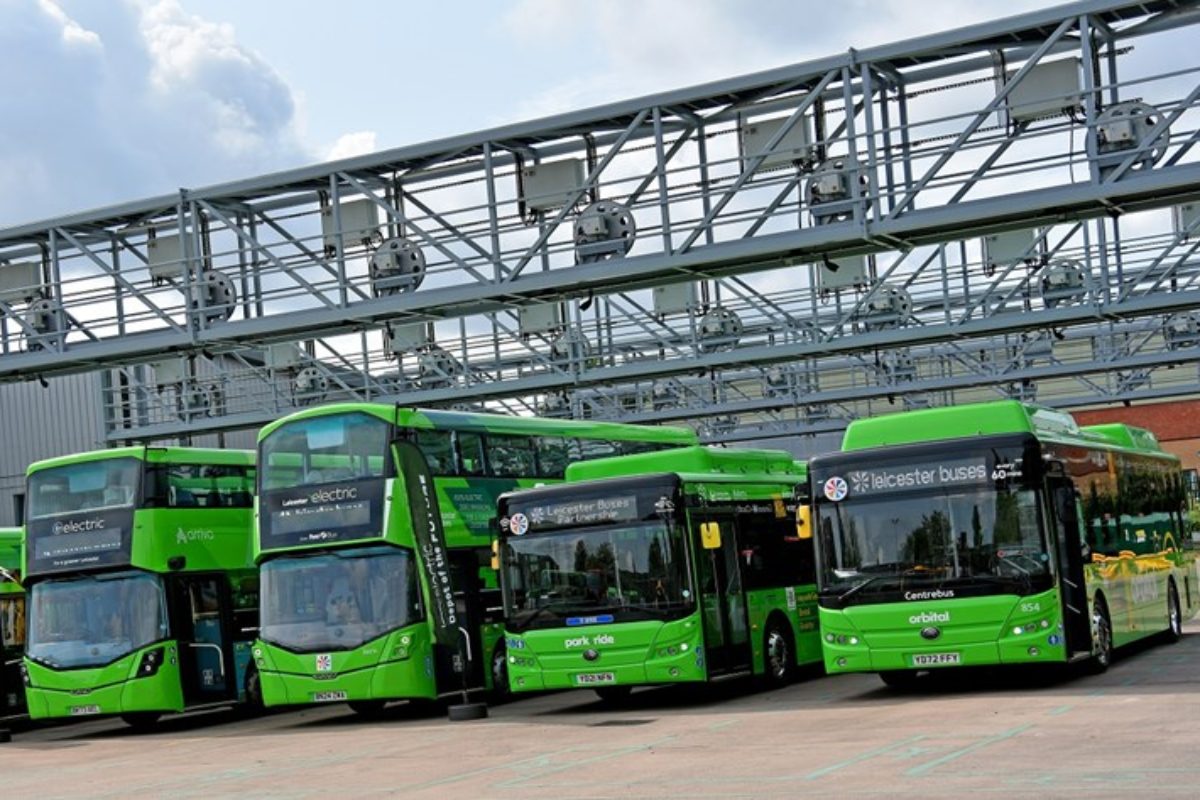
With 60 further e-buses coming on stream in September, Leicester will have a 240-strong fleet of zero emission, electric buses across the city network.
The grants programme aims to underscore CTA’s long-standing commitment to environmental innovation and to giving back to the community that hosts CES each year.
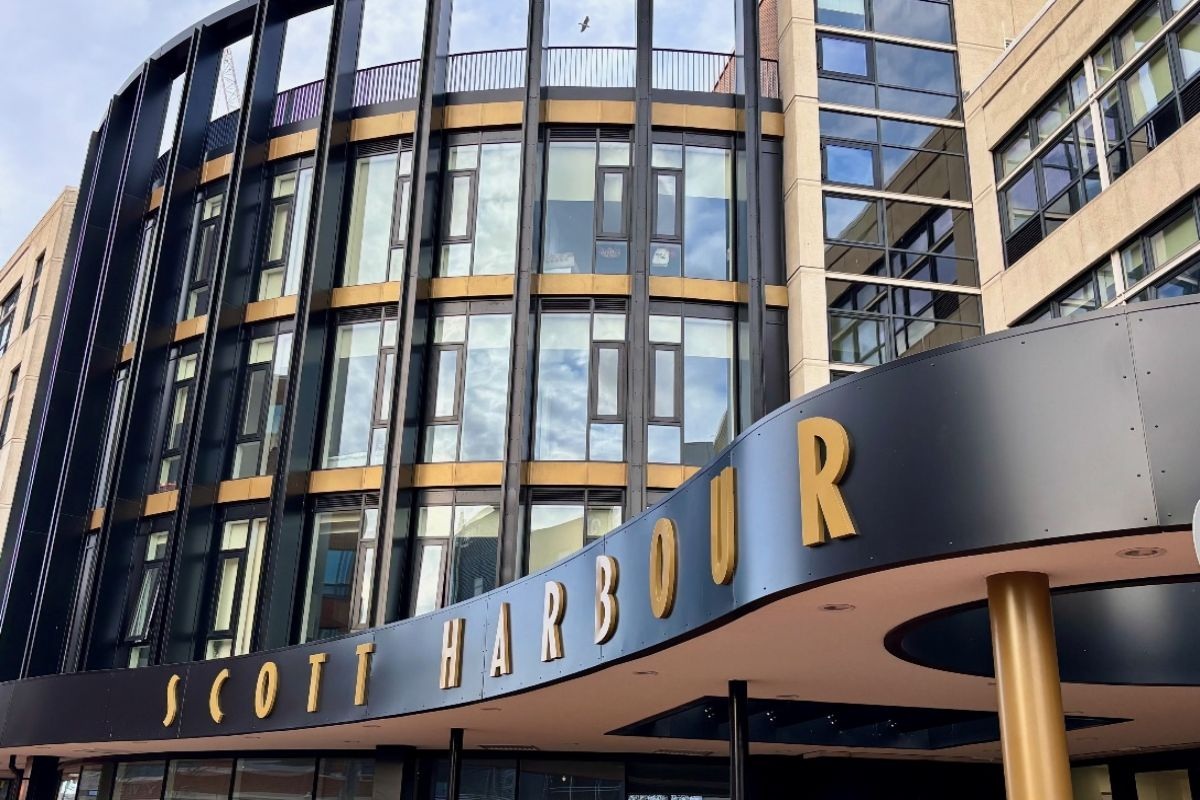
Scott Harbour becomes the first residential building in Cardiff to receive sustainable heat and hot water from the council’s low-carbon district heat network.
Thirteen engineering innovators receive £3m each to develop solutions that tackle multiple causes of the climate crisis, and mitigate and adapt to its impacts.
The fund is open to community organisations, schools, social enterprises and businesses for projects that help meet the City’s climate change projects.
Zweckverband Nahverkehr Westfalen-Lippe will deploy the second largest fleet of battery trains in Germany via a leasing model, starting in December 2029.
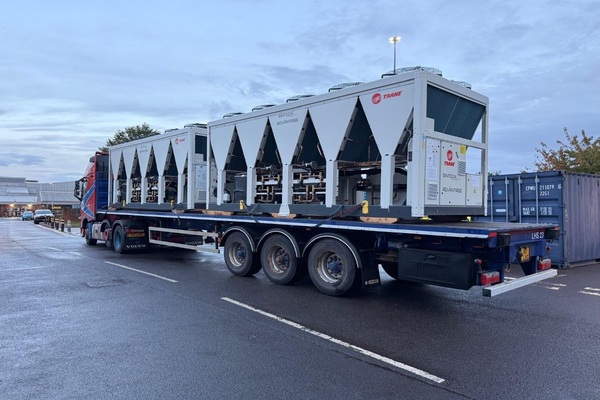
Sustainable transformation of the depot has seen a major upgrade to its heating and power system, improving energy efficiency and saving money in the long-term.
Deployment marks a new era of innovation for the city as it lays the technological foundation to advance water conservation goals and improve operations.
The strategy aims to ensure the grid is reliable and resilient against disruptions and can recover quickly from outages as well as adapt to future challenges.
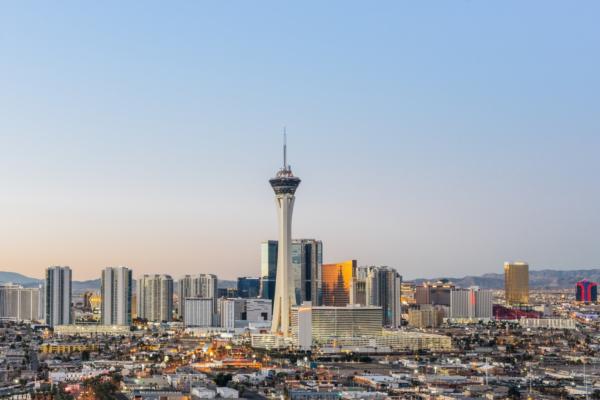
The announcement is a major milestone on city’s accelerated transition to 100 per cent clean energy by 2035 and a pivotal step in its climate leadership.
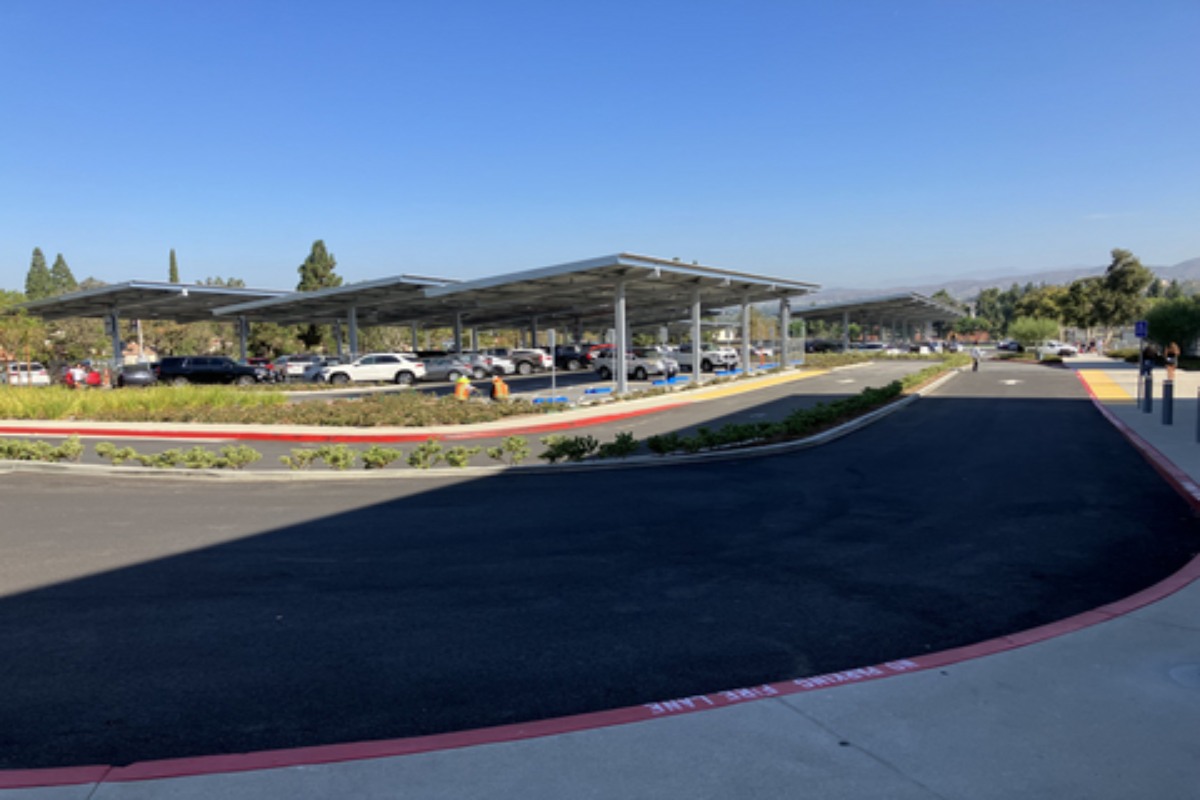
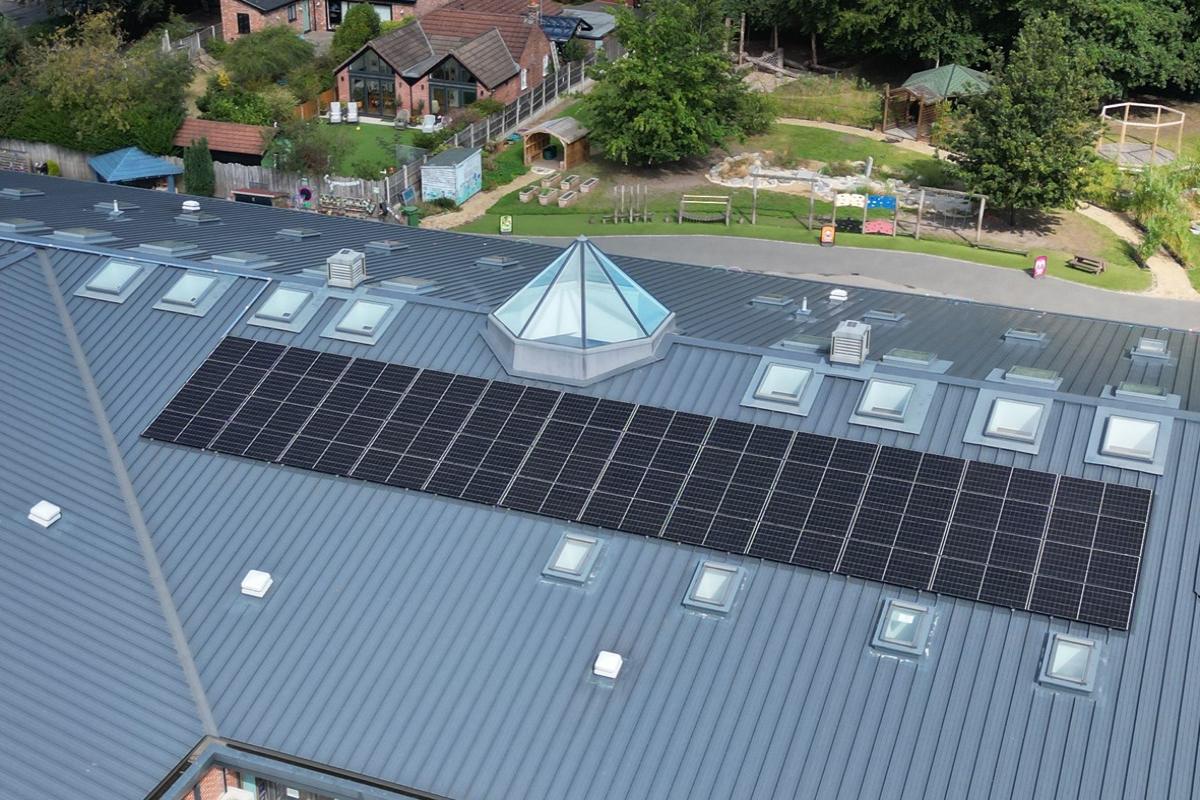
Orange Unified School District in Orange County has worked with Ameresco to reduce energy costs and efficiency with solar PV solutions across seven schools.
Part of the Path2Zero project, PolicyFrameMapper is a dashboard designed to map, compare and analyse transport decarbonisation strategies across Europe.
Investments are complemented by $94m in capital contributions that apply a climate lens to projects across the city, including $32m to strengthen resiliency.
After capturing CO₂ directly from ambient air, it is compressed and cooled, which causes it to liquify so that it can then be transported to secure geological sites.
Policymakers and city leaders must act to unlock vital sources of private capital and cities must engage investors at a much earlier stage, says Delphine Queniart of Bankers Without Boundaries.
Projects will enable public and private sector bodies to harness waste heat from sources such as rivers, data centres and sewage works to strengthen resilience.
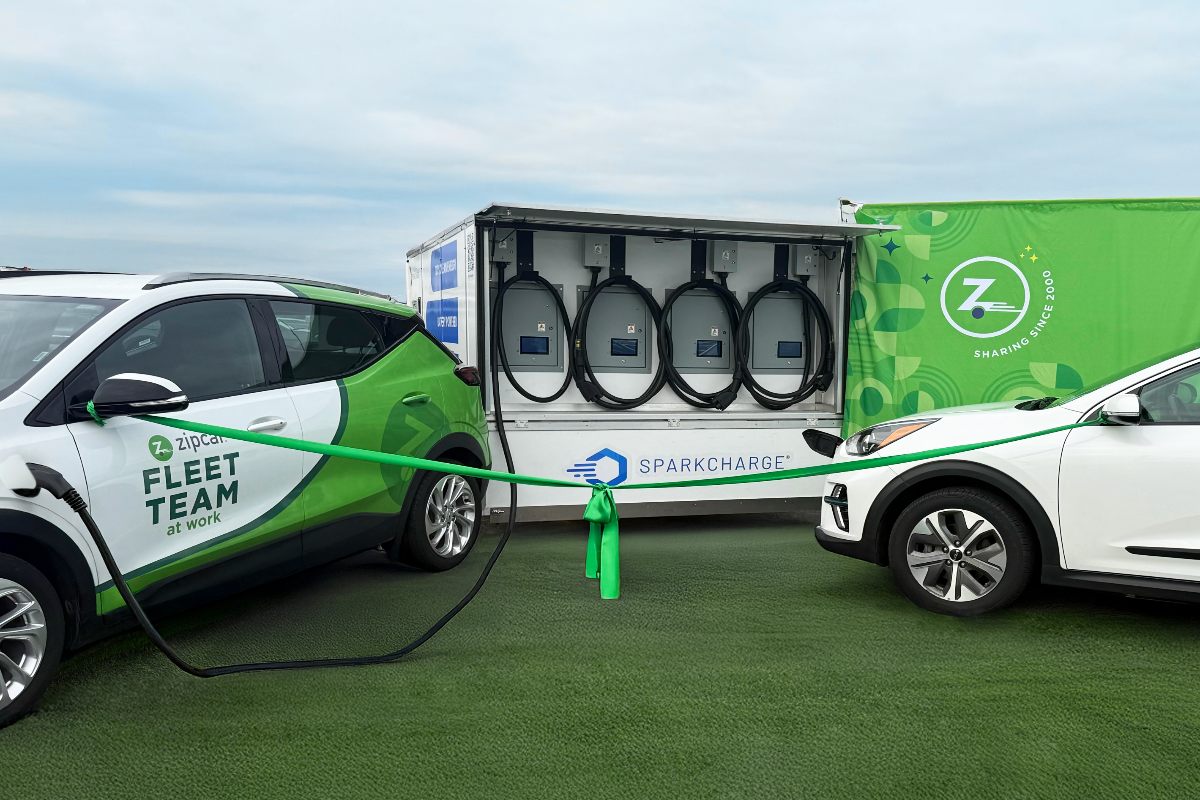
Located at Zipcar’s maintenance facility in East Boston, an Environmental Justice community, this project delivers scalable, equitable EV infrastructure.
The tech sector could unlock $800bn in value by 2030 if tech companies reduce their negative impacts on natural systems and dependencies on natural resources.
The ‘Twin cities’ will work together on local climate action as part of the Twinning Learning Programme, a peer-learning initiative of the EU Cities Mission.
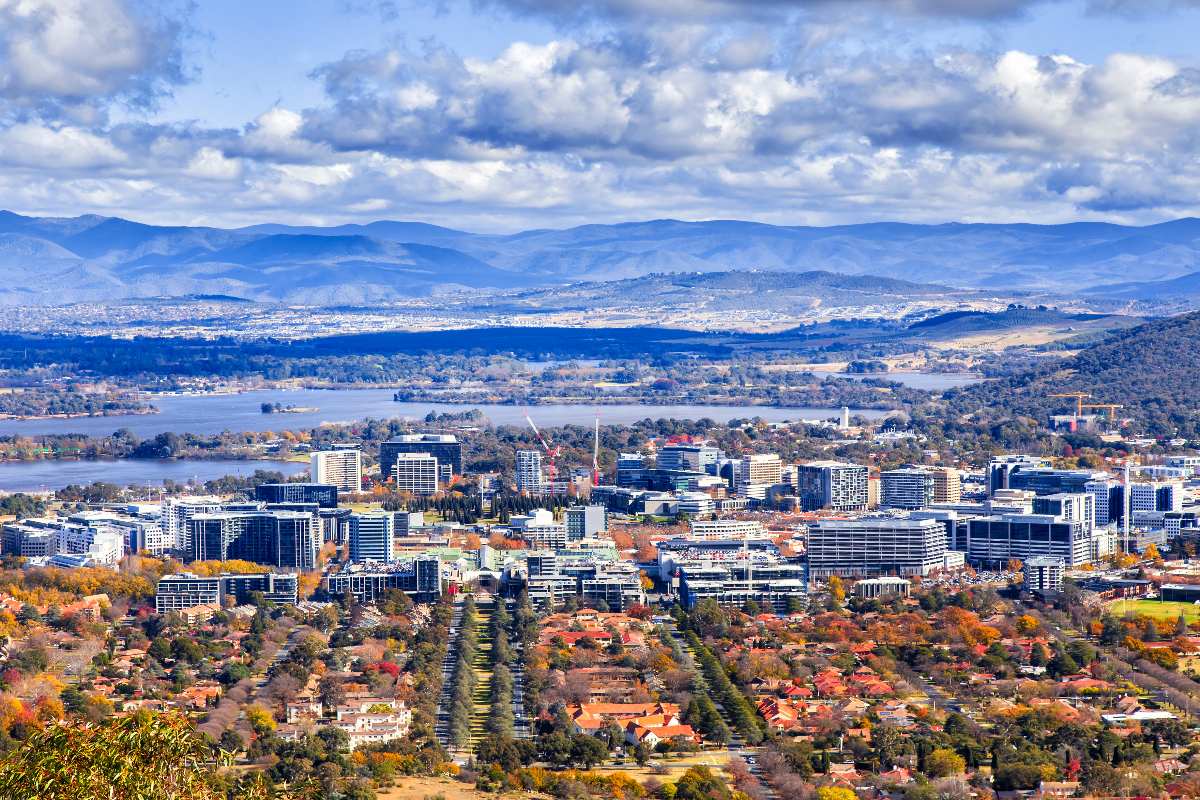
ACT’s Strategic Economic Development Framework is designed to ensure Canberra remains a place where people can live well, work flexibly, and stay connected.
Greenshank Environmental’s platform enables developers to browse credits, view pricing and unit types, and purchase verified BNG and nutrient credits online.
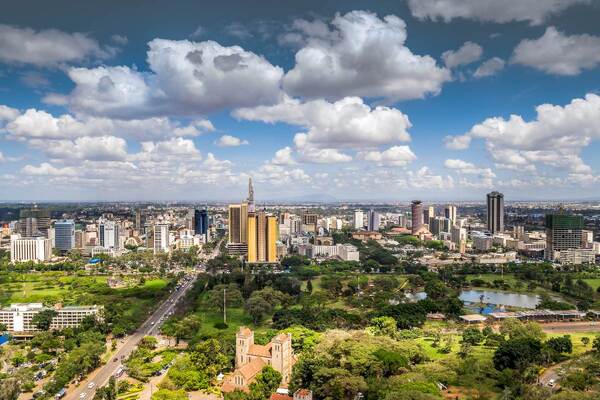
For the first time, city leaders and residents in the Kenyan city will have access to hyper-local data about pollution levels in the places they live and work.
The Local Nature Recovery Strategy outlines 62 actions to restore habitats, improve rivers and canals, expand urban green space and strengthen resilience.
Local and regional governments are calling for deeper national collaboration and clearer funding pathways following on from the COP30 negotiations in Belém.
Water Efficiency Lab is opening a £5 million first-year funding round to support innovations that give clearer water-use insights and help drive down demand.
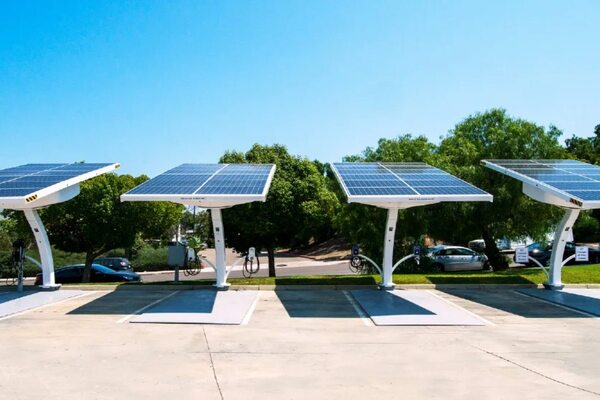
The systems, which generate and store their own clean electricity, will be used to charge the City’s growing fleet of EVs, including electric pickup trucks.
The building, a childcare centre, demonstrates the city’s leadership in climate action and supports its commitment to achieving net-zero emissions by 2040.
The programme gave people, communities and businesses of Bristol an opportunity to invest in climate related projects, helping the city’s green transition.
The Arizona city is working with Ameresco to generate 14.5 million kWh annually, reduce utility costs, as well as enhance long-term energy independence.
Amazon, DHL and Scania project will see the truck travel from Cajamar to Taubaté, in São Paulo, Amazon’s main freight corridor in Brazil, for six months.
Through a partnership with Sacramento Metropolitan Air Quality Management District’s programme, income-qualified residents receive $100 in Zipcar credits.
First city-scale heat network in Wales is delivering heat to Cardiff and Vale College with other major buildings in Cardiff Bay to follow, including the Senedd.
The Copenhagenize Index 2025 finds cycling is no longer treated as a niche mobility issue but as a lever for climate action, public health, and quality of life.
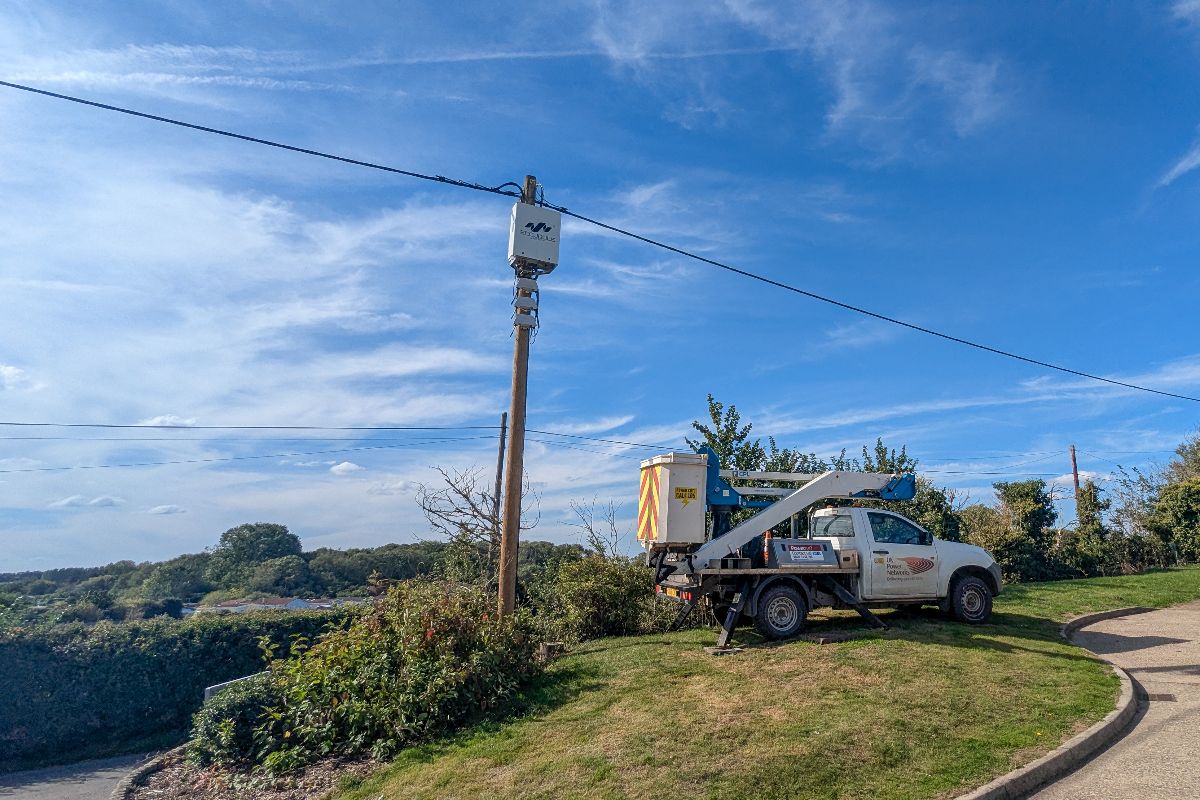
Developed in partnership with Xylem and the University of Côte d’Azur, the €5.9m project will modernise 3,000km of infrastructure across the Côte d’Azur.
The ProUrbano programme helps cities across Latin America and the Caribbean better understand and transfer climate risks and finance adaptation measures.
Leading Cities’ resilience and smart city accelerator attracted entries from more than 820 startups in 71 countries and involved a six-month vetting process.
Memorandum with Banco do Nordeste broadens technical assistance, maps environmental project opportunities, and advances low-carbon urban development strategies.
Five schools will save around £40,000 annually between them on energy bills and reduce the amount of carbon released into the air by about 40 tonnes each year.
It aims to enhance the health sector’s resilience to climate change via surveillance systems, capacity building, innovation, and evidence-based policymaking.
Cop30 President André Corrêa do Lago highlighted the importance of adaptation and multilevel governance, while a report was launched on the inclusion of cities in new NDCs.