



























Discover how Sunderland is turning a strong, city‑wide data foundation into real‑world impact by using secure, scalable AI to transform planning, services, and community outcomes.
Discover how this year’s Cities Climate Action Summit puts the spotlight on the switch to clean and renewable energy, and the importance of energy-efficiency.
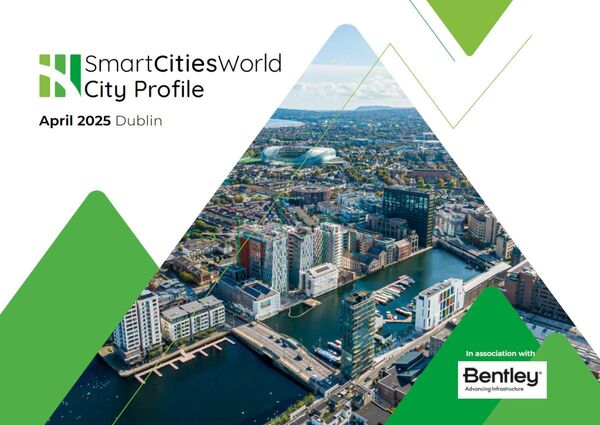
Find out how Dublin is innovating to improve experiences and services for its communities in the latest SmartCitiesWorld City Profile, including digital twin projects, traffic reduction, and economic growth.
Discover how the city of Madrid is innovating to become a smarter, more sustainable city that’s able to deliver improved services to residents and visitors alike.
Tune into the SmartCitiesWorld podcast to understand the world of sovereign AI for cities, featuring PNY Technologies’ Youssef Nadiri as our expert guest.
Tune in for the latest Urban Exchange where we get a first-hand account of city resilience measures from Quezon City following unexpected extreme rainfall.
Gareth Tang, President of Urban Solutions at ST Engineering, explains how urban AI applications are set to evolve, detailing projects where AI is already making significant impact.
SmartCitiesWorld’s senior editor Luke Antoniou on the launch of the new AI CityXchange, at a time where dialogue and knowledge sharing is critical between cities and their partners to use AI technology for public good.
Developed with input from emergency services workers, the Blue Light tool will bring together information on each site’s future energy needs in one place.
SmartCitiesWorld City Profiles explore the city of Shenzhen, designated as China’s first special economic zone and a role model of urban modernisation. Find out more about Shenzhen’s smart city strategy in this 16-page report.
The long term-impact of the UK’s decision to leave the European Union and the country’s poor performance in the Covid-19 pandemic, are among the complex set of challenges it faces if London is to remain one of the world’s most influential and enviable cities.
Gareth Tang, President of Urban Solutions at ST Engineering, explains how urban AI applications are set to evolve, detailing projects where AI is already making significant impact.
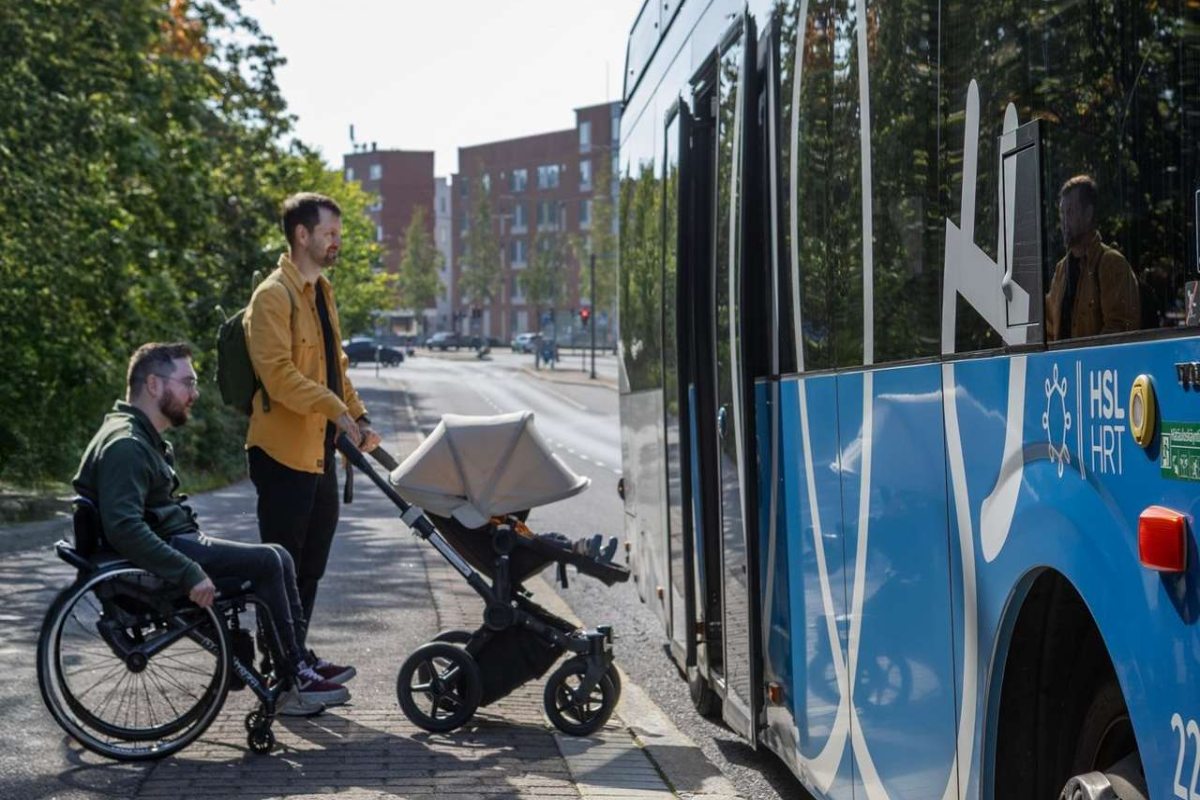
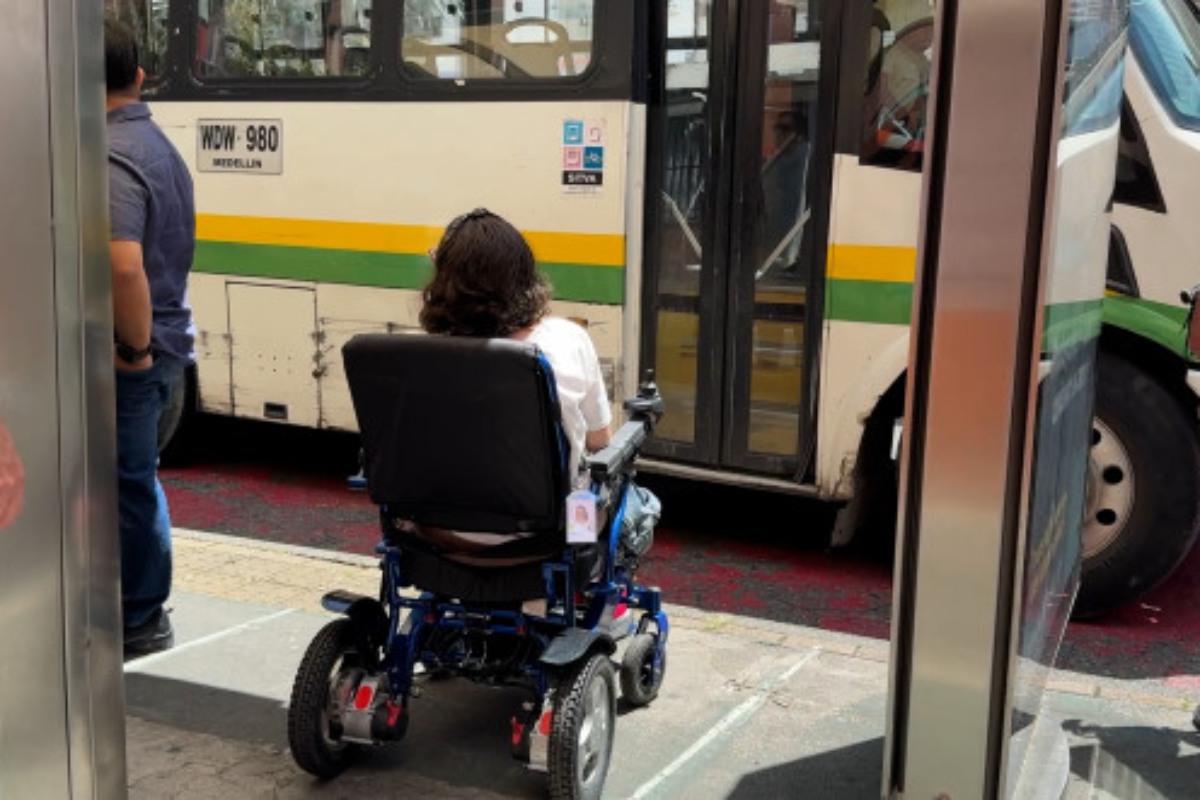
Initiative aims to improve mobility for people with reduced mobility in the districts which have the highest number of residents with physical disabilities.
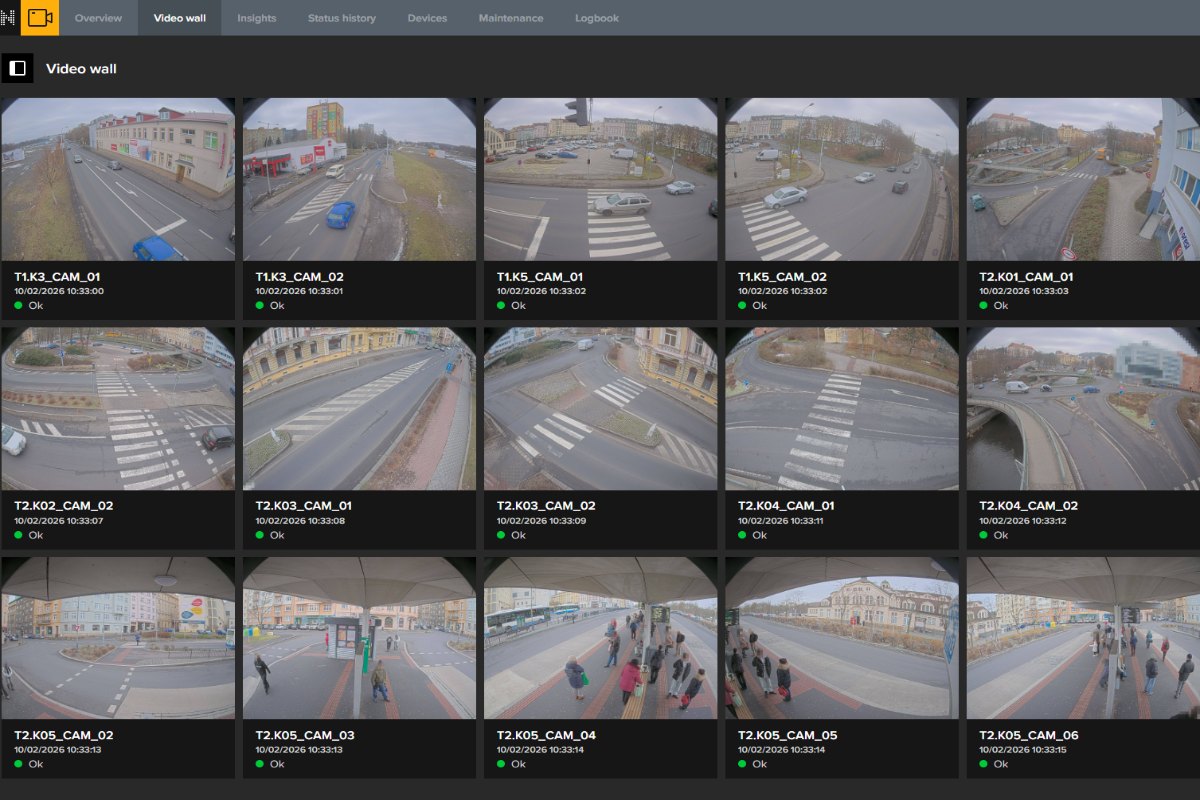
Project in Karlovy Vary has integrated and interconnected a range of public transport systems with traffic monitoring systems covering overall road traffic.
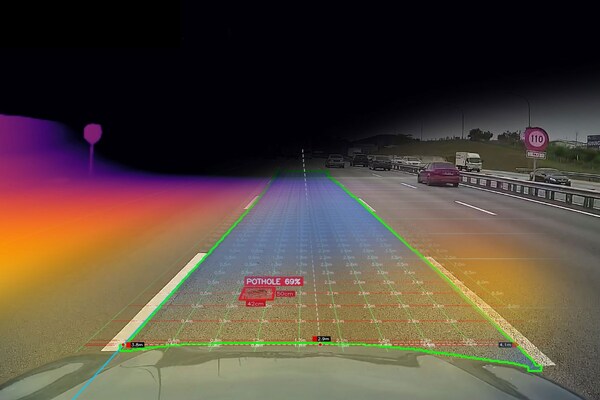
geoROAD.ai is on a mission to democratise road safety technology with its AI-driven tool that identifies road and traffic safety risks before they cause harm.
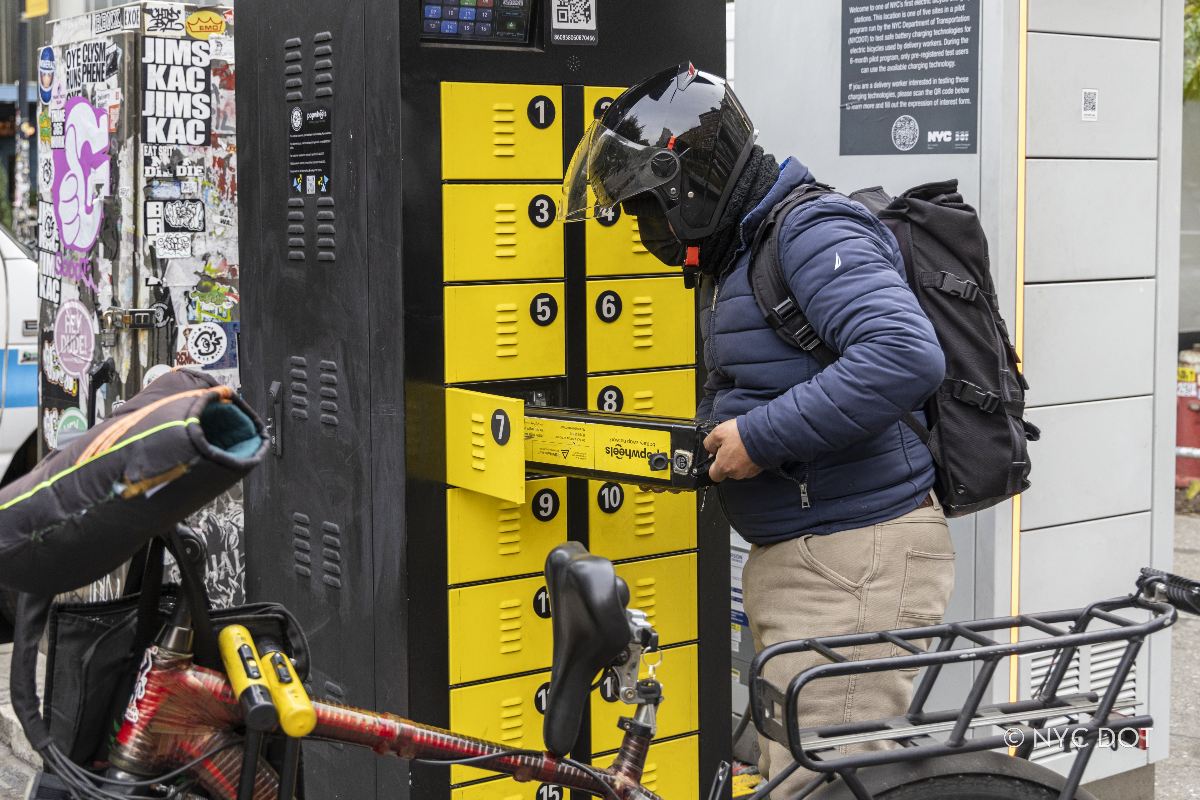
Projects include an autonomous electric car charging robot and a bike tracker device that collects data on vehicle speeds, road conditions and user behaviour.
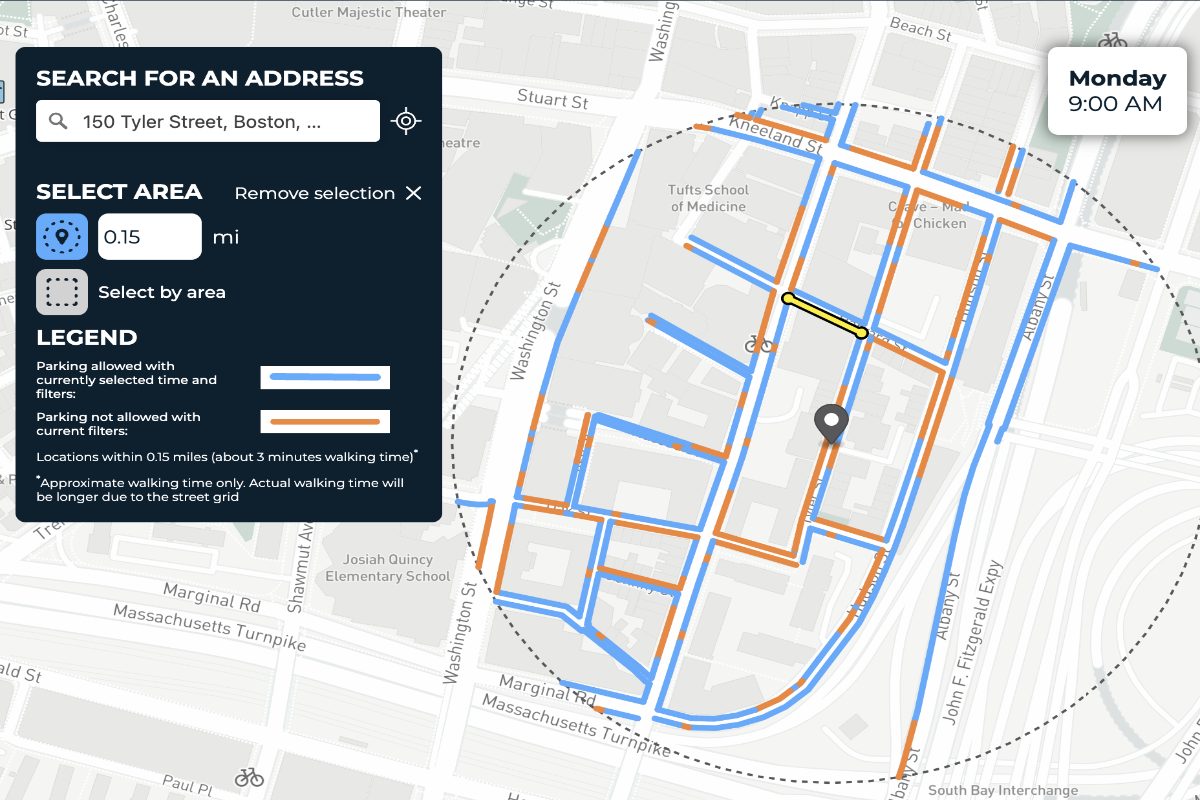
Office of Emerging Technology and city partners launch the Curb Lab, aiming to dynamically manage parking and kerb space, reducing congestion in Boston.
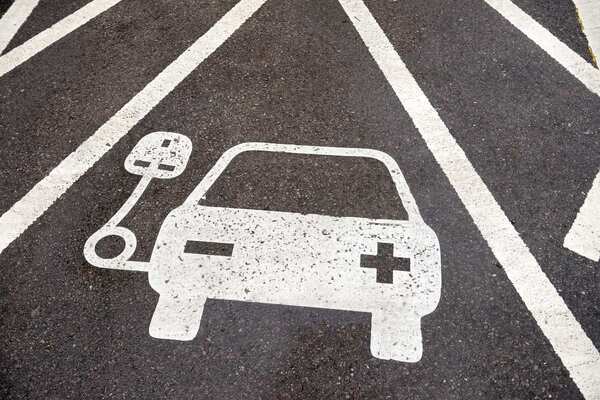
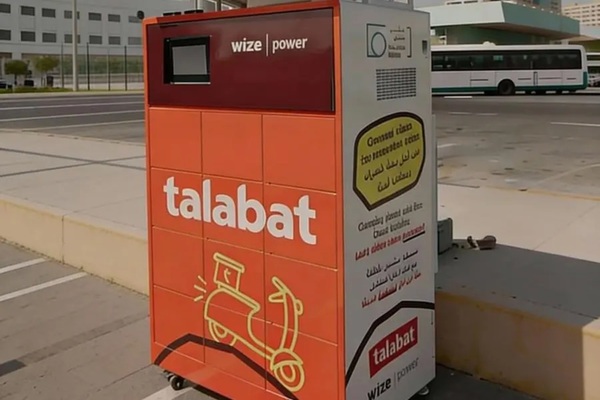
The Integrated Transport Centre has launched a pilot project with online delivery platform talabat to expand the use of electric vehicles in the Emirate.
It is investing almost $1bn in transportation upgrades that will improve goods movement, expand transit and rail, and make the state more bikeable and walkable.
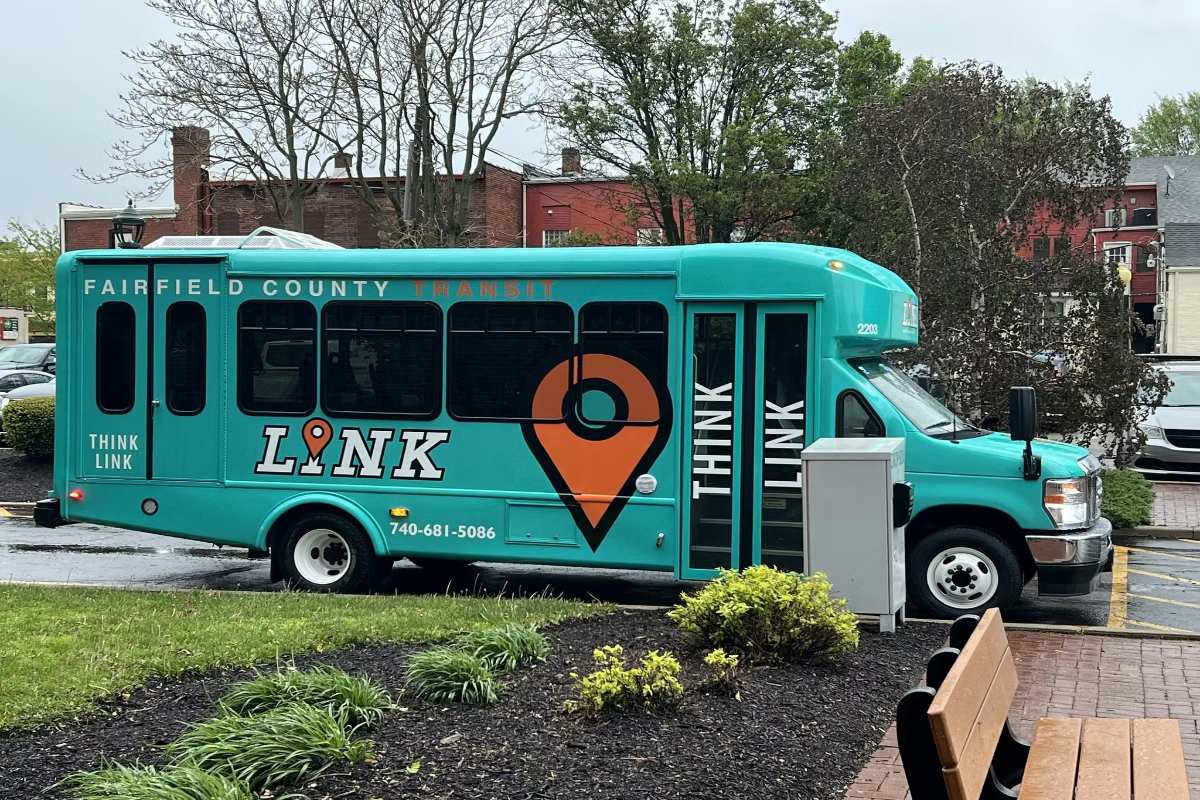
Fairfield County Transit in Ohio is partnering with the Routing Company to increase accessibility and connectivity by supporting multiple transit services.
Building on a 15-year collaboration, this new contract will aim to help make travel across Texas safer, smarter, and more efficient for all road users.
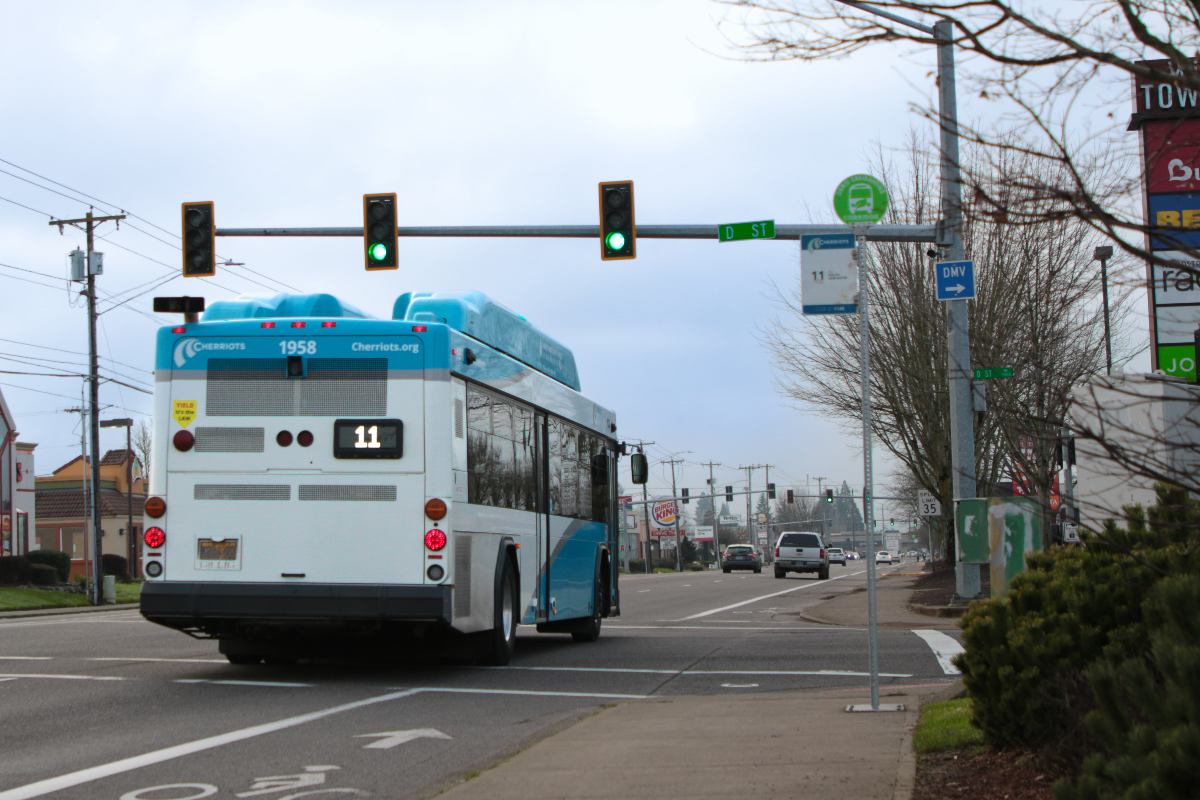
Faster transit signal priority seeks to enhance rider reliability and traffic flow along the Lancaster Drive corridor in Salem using cost-effective technology.
Real-time signal prioritisation reduces delays, improves reliability and supports City’s goals to ease congestion and enhance services through AI innovation.
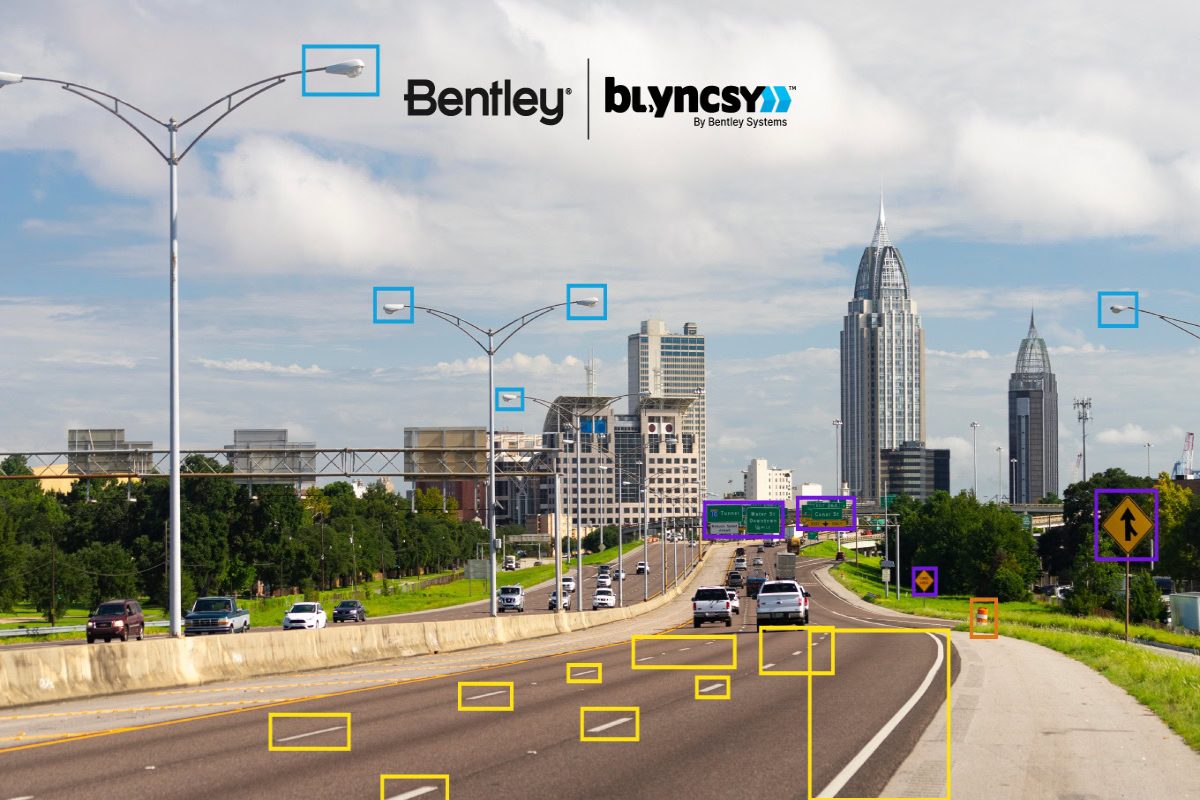
Alabama Department of Transportation is leveraging AI-powered Blyncsy to improve statewide asset surveys and strengthen data-driven maintenance planning.
Iveda’s new capabilities aim to transform existing intersection cameras into real-time traffic intelligence, enabling cities to enhance existing infrastructure.
After meeting the scheme’s operating costs, any surplus income from low emission zone enforcement must be used towards achieving the scheme’s wider objectives.
Using either the MyRide Sioux City Smart Cards and mobile app, riders can tap to pay their fare when boarding, making journeys faster, easier and more convenient.
2030 vision is for a better, safer street network that prioritises sustainable transport and reduces congestion, creating a greener, more reliable capital.
The annual Traffic Index, based on mobility data in 2025, measures congestion levels, average speeds and travel times per mile across the global road network.
Inrix’s strategic integration has extended its granular ground truth parking and loading zone availability coverage to 13 of its 126 premium coverage cities.
SacAdapt is a joint effort between the City and SRTD to prepare roads, bicycle facilities, sidewalks, bus stops and light rail infrastructure for climate impacts.
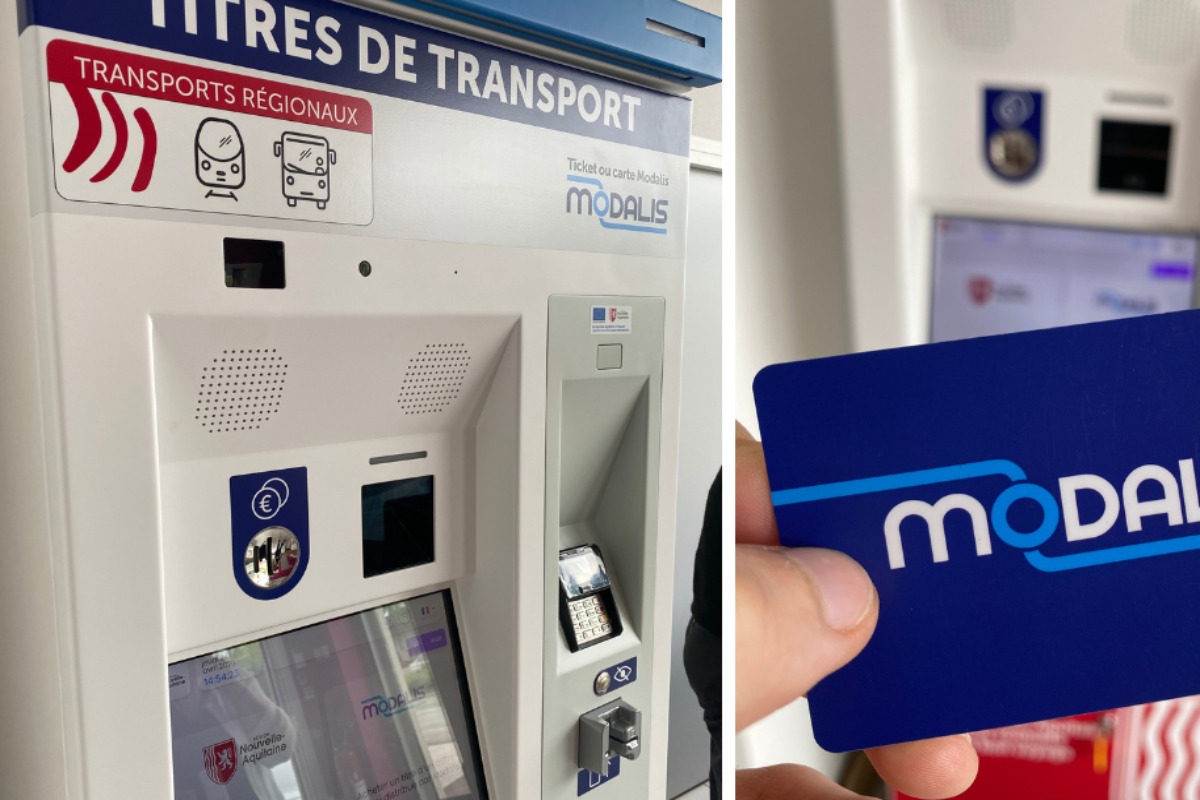
The system gives riders access to the best possible fare for every journey, and delivers faster boarding, greater flexibility and more convenient ways to pay.
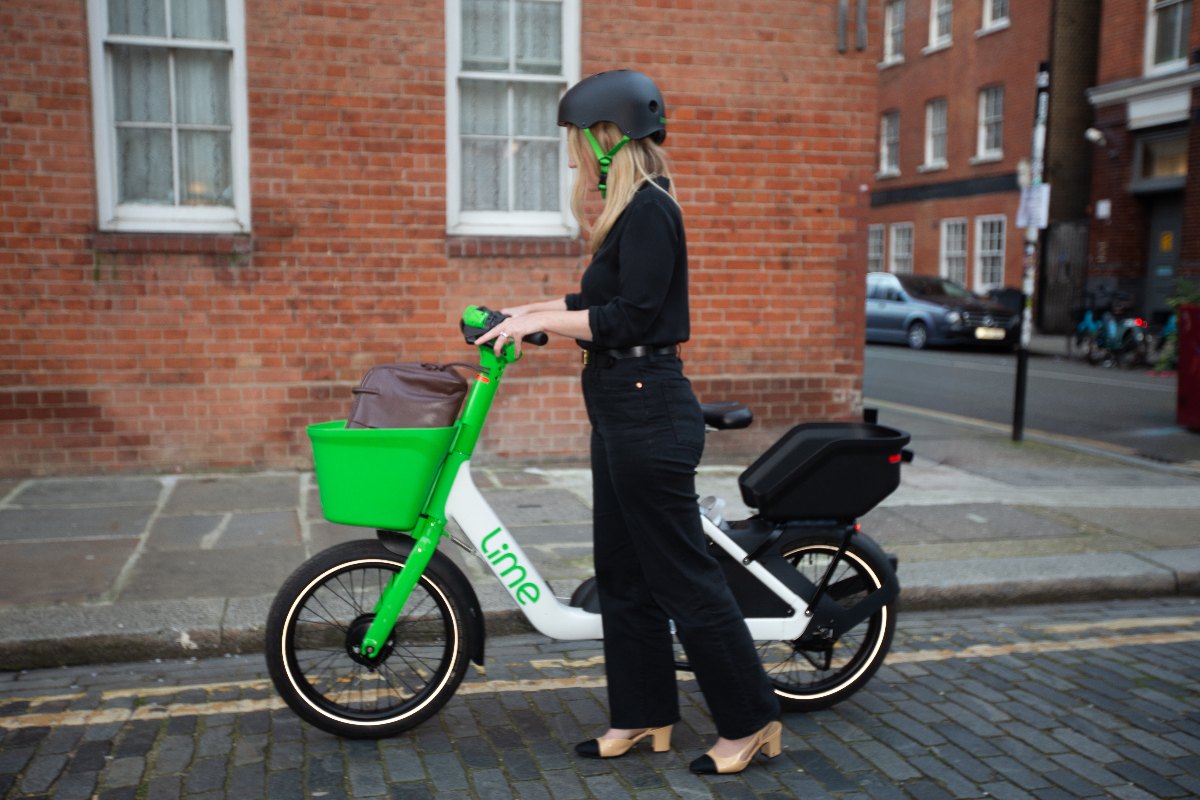
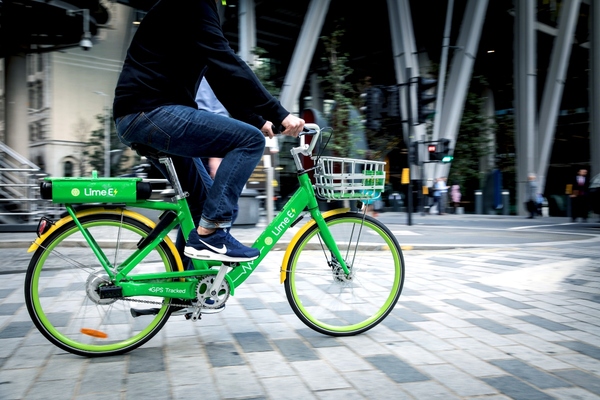
More than 2,000 new bikes and e-scooters will arrive on the streets this April following the appointment of Lime as the region’s latest cycle hire provider.
Schiphol Taxi Network is working with Invers CloudBoxx and GoodMoovs to implement the system for a growing fully electric fleet at the airport in Amsterdam.
Dolomiti Bus said it is preparing to do more than transport spectators and getting ready to “coach the Games”, bringing people into the heart of the Dolomites.
It reflects the growing demand for convenient, affordable transportation options and continued investment in shared micromobility and bike infrastructure.
Project will see the installation of a one-megawatt solar system paired with a battery to power electric bin lorries and other council vehicles in the UK city.
New deployment across California’s Tri-Valley and Central Contra Costa regions add to mobility-as-a-service platform SilverRide’s growing footprint in the state.
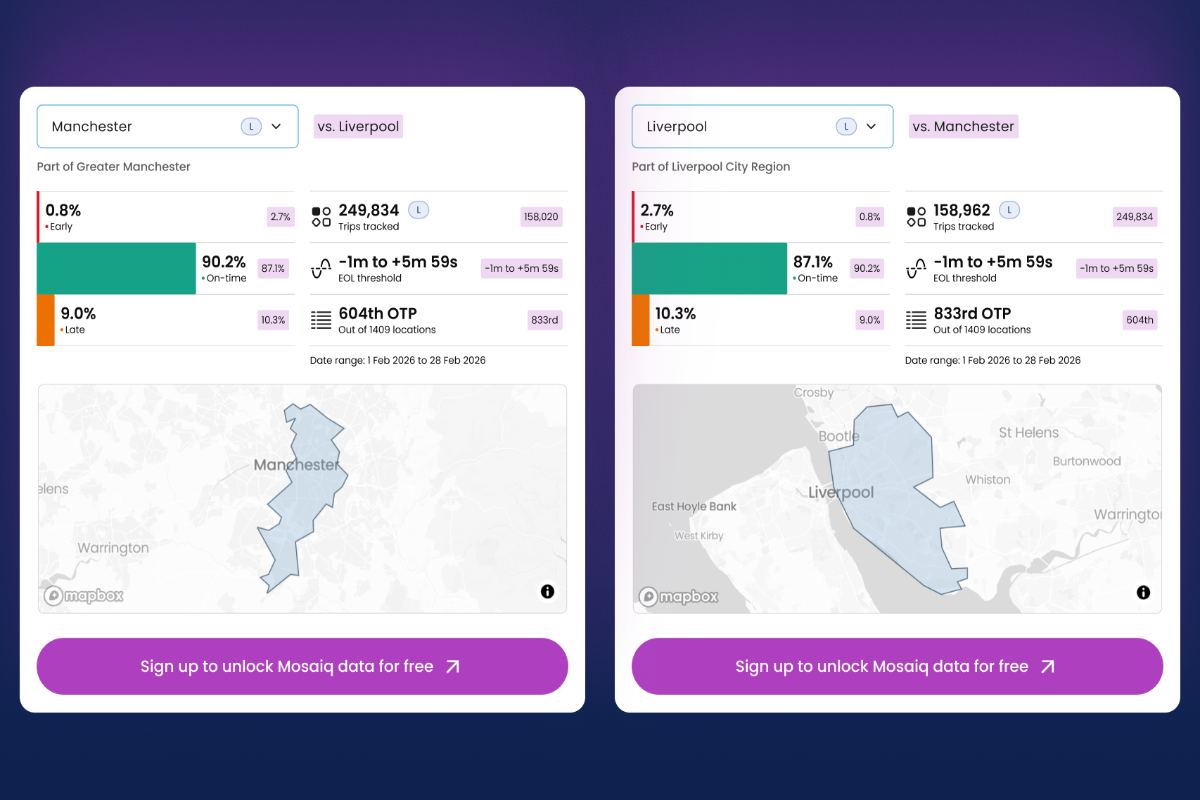
Transport for Greater Manchester is working with Vix Technology to rollout 320 new real-time displays at bus stops, shelters and interchanges on Bee Network.
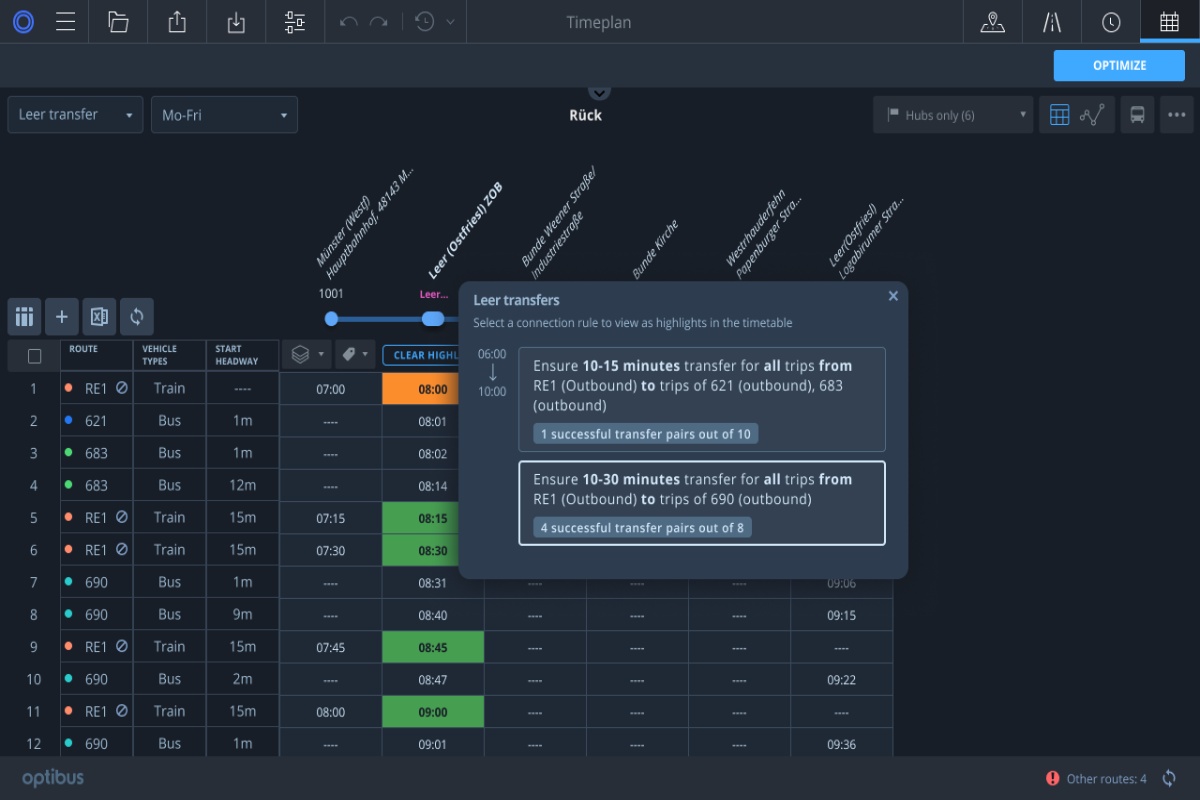
This year’s challenges aim to find companies that can improve infrastructure management, modernise data and update workflow for regional public transit agencies.
Autonomous on-road testing, led by Nuro, began in December last year, marking an important milestone in service validation and path to launch later in 2026.
It will be used in its Eyes on the Road project, which provides residents with 1,000 free high-res dash cameras to improve roadway conditions and safety.
Riders in Central Ohio can now pay using contactless bank cards or mobile wallets, with fare-capping and account-linking ensuring the best fares for everyone.
The infrastructure will enable new applications for smart cities, mobility, IoT, and industry, ensuring interoperability, flexibility, and resource optimisation.
First responders need to have the knowledge and tools to safely interact with new and emerging technologies like AVs, especially when there is no driver.
Sustainable transformation of the depot has seen a major upgrade to its heating and power system, improving energy efficiency and saving money in the long-term.
Burgenland Mobility is working with Siemens Mobility subsidiaries Hacon and Padam to make it easier to book services as part of its on-demand mobility project.
The city council is working with VivaCity to deploy five sensors along key points, capturing anonymised multimodal data on pedestrians, cyclists, and vehicles.
With five pilot sites, the project aims to transform the way Europe monitors, evaluates and improves safety and maintenance of its urban and secondary roads.
Daily counts are up across most routes, with increases of 11-87 per cent on new routes, contributing to an 18 per cent citywide increase in cycling since 2020.
IVA for Trip Management enables paratransit and demand-response riders to check, change, or cancel trips using natural, conversational language without menus.
Denver RTD customers can now pay with contactless bank cards or mobile wallets – with fare capping and account linking ensuring everyone pays the best fares.
The plan, shaped by input from nearly 3,000 residents, introduces new safety measures, updated crash data and coordinated actions across city departments.
The systems, which generate and store their own clean electricity, will be used to charge the City’s growing fleet of EVs, including electric pickup trucks.
Amazon, DHL and Scania project will see the truck travel from Cajamar to Taubaté, in São Paulo, Amazon’s main freight corridor in Brazil, for six months.
Preliminary study will assess the state of Tallinn’s traffic management systems, laying the foundation for implementation of adaptive traffic light systems.
The San Francisco Municipal Transportation Agency contract includes three 40-foot battery-electric buses and three 60-foot articulated battery-electric buses.
Platform combines real-world intelligence and a comprehensive global EV database to create optimised charging infrastructure plans for fleet owners and operators.
The proposal would extend the current parking restriction area from Helsinki city centre to Töölö and Pasila and replace the current voluntary agreement.
Bolton Council is using Lucy Zodion’s smart city platform Ki to manage school crossing beacons remotely to improve safety and reduce manual maintenance.
Collaboration between Bitsensing and Korea Wide combines an extensive national transportation network and real-time driving data with advanced radar technology.
Projects will provide green transport, cut greenhouse gas emissions and introduce nature-based solutions to strengthen climate resilience in four major cities.