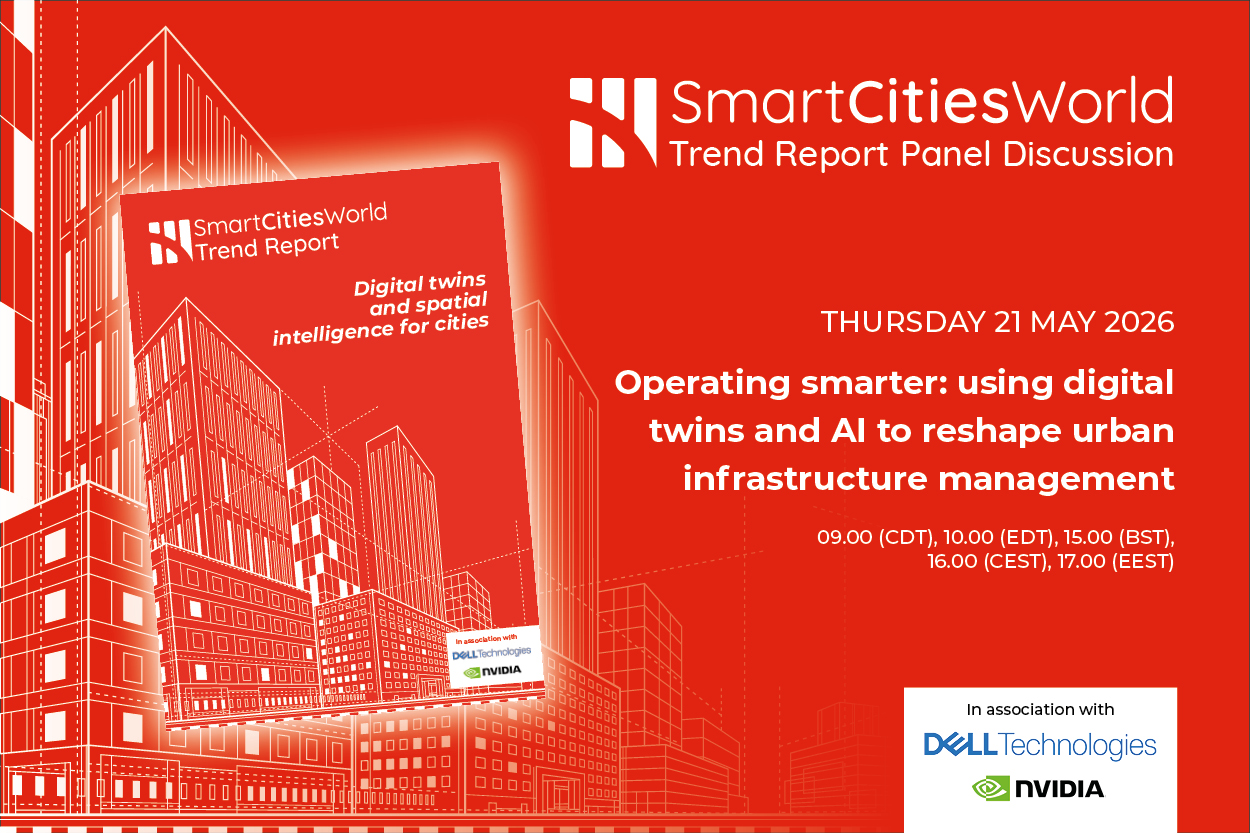












Discover how AI-powered digital twins are transforming urban infrastructure and how these innovations can improve efficiency, resilience, and sustainability.
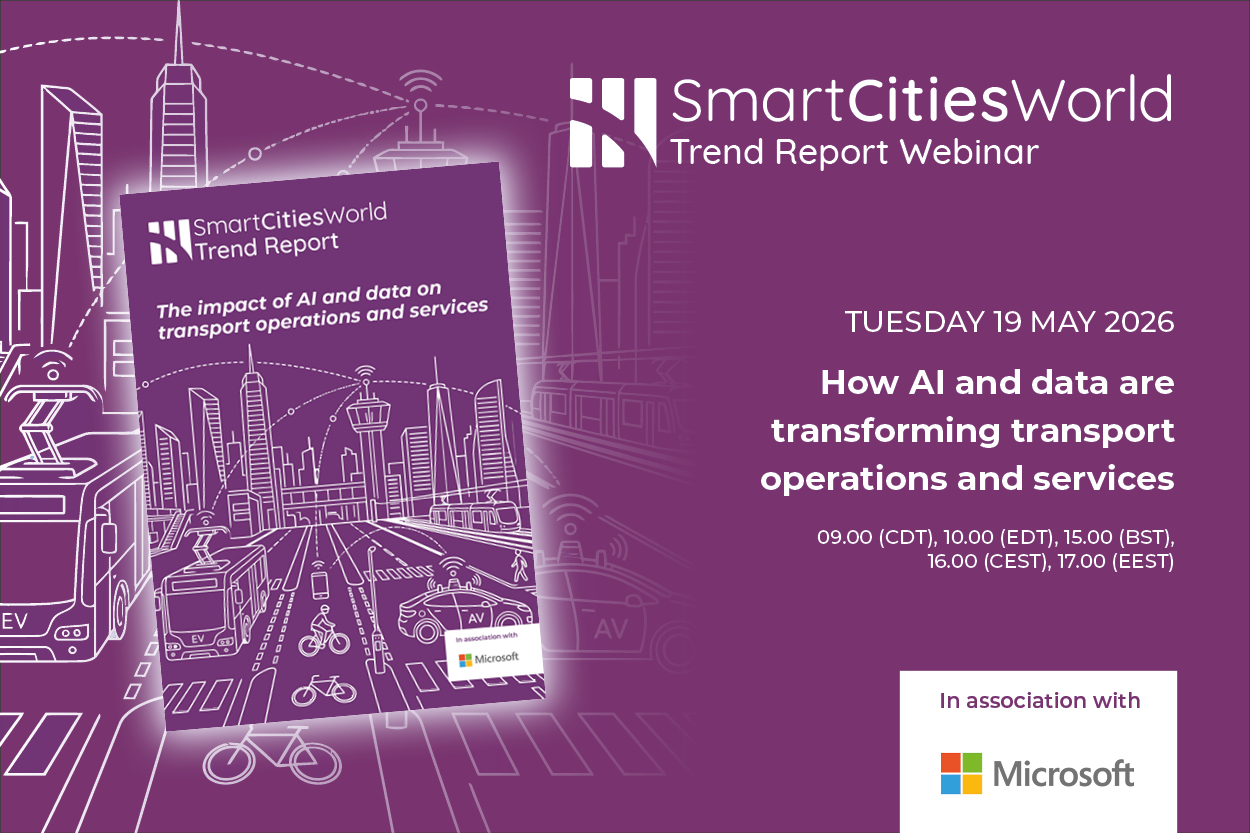
Explore how data and AI is being used in urban transport networks to support planning, day-to-day operations, and improve outcomes for communities and passengers.
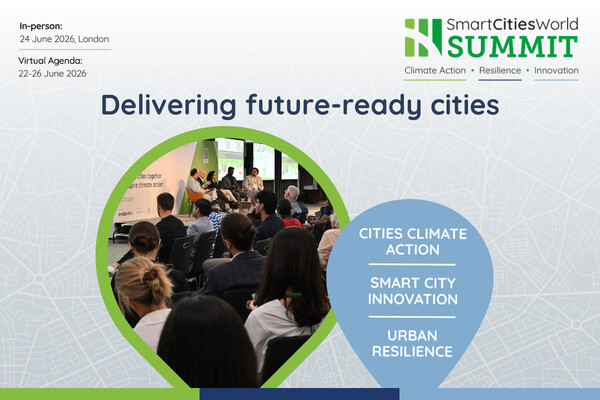
As cities confront the combined pressures of climate change, infrastructure resilience and digital transformation, the SmartCitiesWorld Summit 2026 will bring together urban leaders and partners during London Climate Action Week to explore how these agendas intersect – and how cities can translate strategy into practical action.
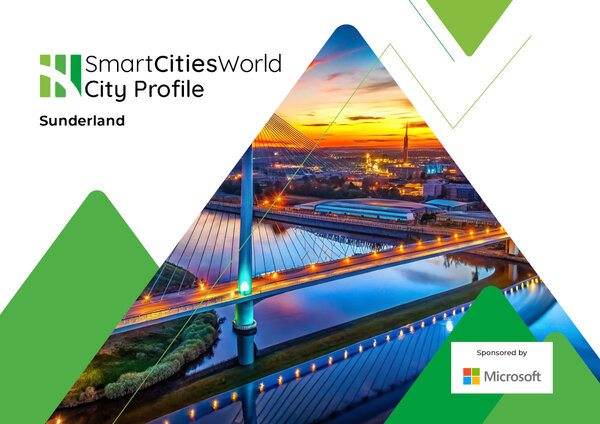
Find out how Sunderland is repositioning itself as a leading smart city – using digital infrastructure and low-carbon innovation to build a resilient, future-focused economy in the latest SmartCitiesWorld City Profile.
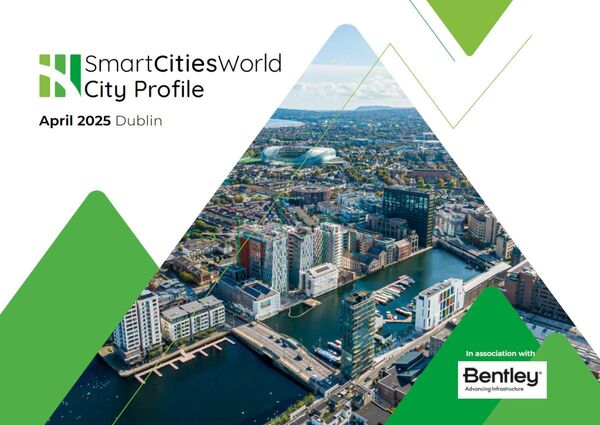
Find out how Dublin is innovating to improve experiences and services for its communities in the latest SmartCitiesWorld City Profile, including digital twin projects, traffic reduction, and economic growth.
Tune into the SmartCitiesWorld podcast to understand the world of sovereign AI for cities, featuring PNY Technologies’ Youssef Nadiri as our expert guest.
Tune in for the latest Urban Exchange where we get a first-hand account of city resilience measures from Quezon City following unexpected extreme rainfall.
How smart sensor networks can help improve indoor safety by detecting risks early, improving situational awareness and supporting healthier, more secure and sustainable buildings.
Gareth Tang, President of Urban Solutions at ST Engineering, explains how urban AI applications are set to evolve, detailing projects where AI is already making significant impact.
SmartCitiesWorld City Profiles explore the city of Shenzhen, designated as China’s first special economic zone and a role model of urban modernisation. Find out more about Shenzhen’s smart city strategy in this 16-page report.
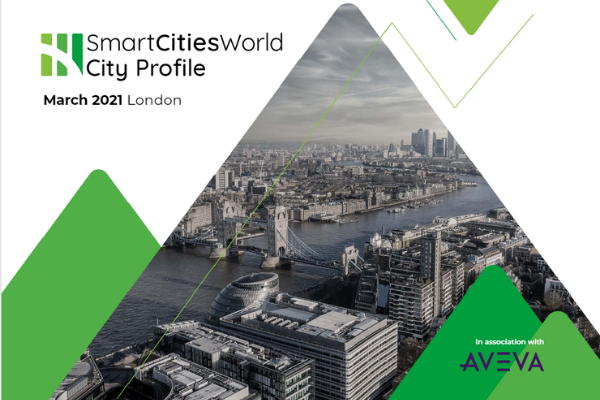
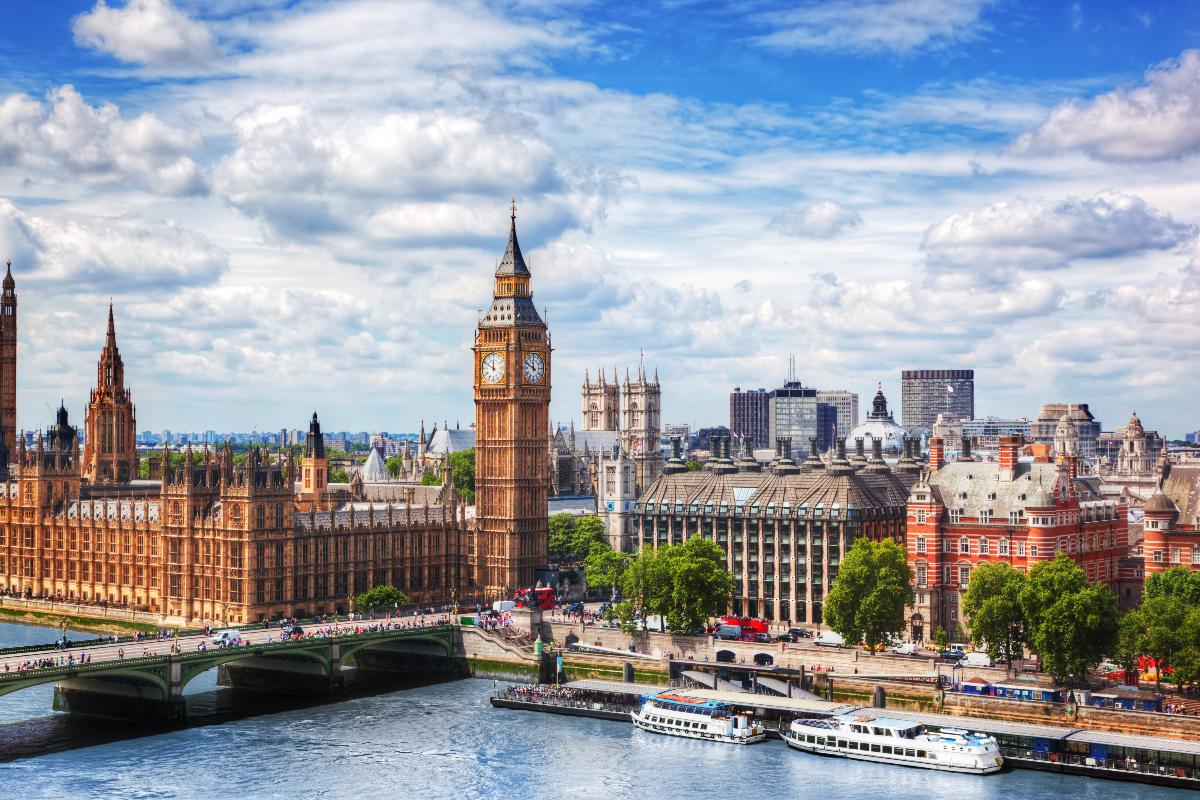
The long term-impact of the UK’s decision to leave the European Union and the country’s poor performance in the Covid-19 pandemic, are among the complex set of challenges it faces if London is to remain one of the world’s most influential and enviable cities.
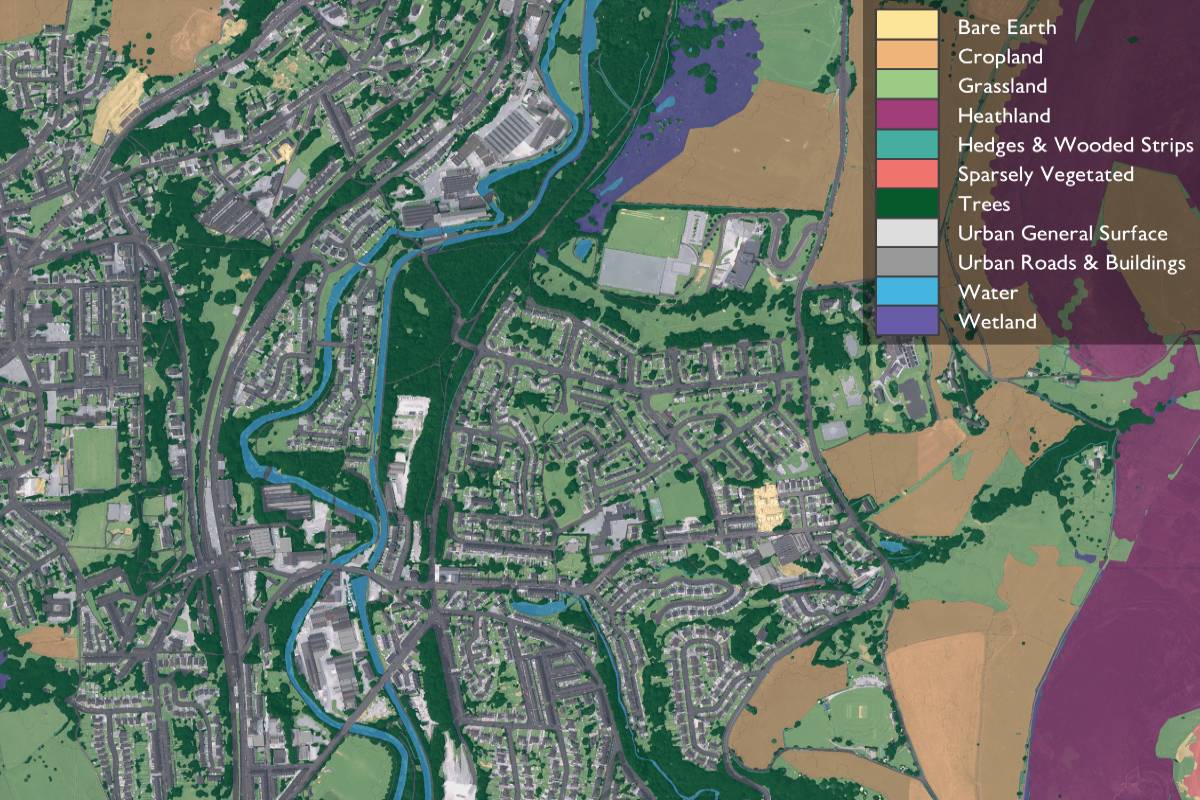
The foundational dataset is designed to help rural and urban developers in England to support the target of providing a 10 per cent Biodiversity Net Gain.
Discover how AI-powered digital twins are transforming urban infrastructure and how these innovations can improve efficiency, resilience, and sustainability.
Students will work in teams to redesign public spaces using the Minecraft Education platform to support a climate-resilient, inclusive, and food-secure future.
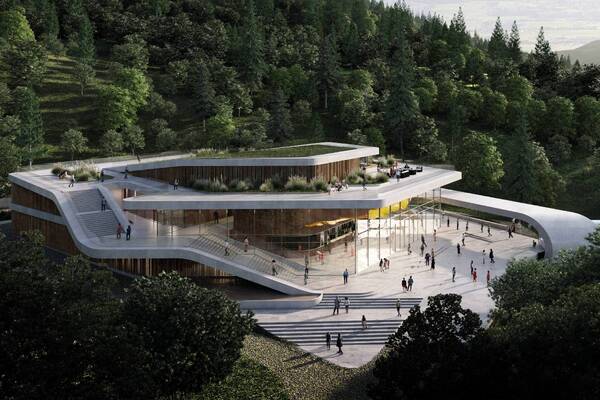
Katerina Danekina, CEO of Green Rock, explains the operating model and delivery logic behind the structured growth of the mountain town of Dilijan in Armenia.
First cohort of cities and states will receive support from C40 Cities and the Global Covenant of Mayors to deliver implementation-ready climate initiatives by 2027.
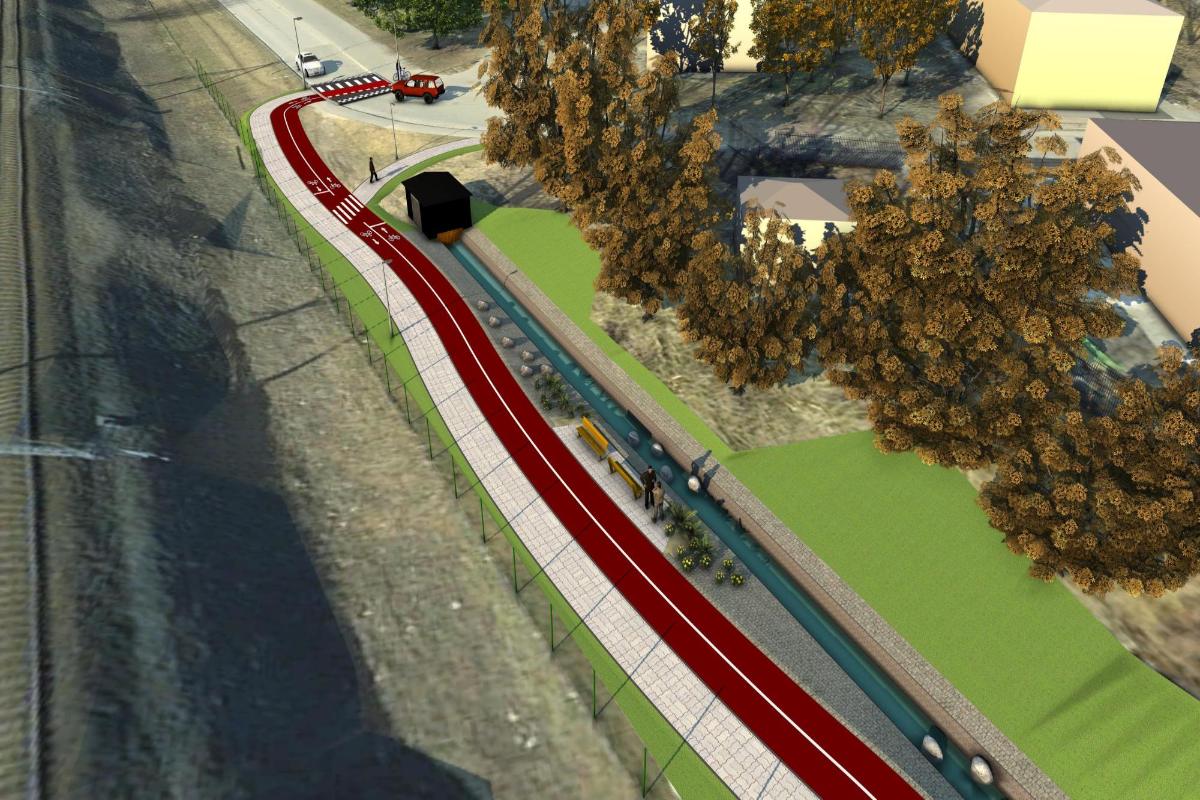
Renovation of the Marta ditch will help solve the problems of rainwater drainage in the area as well as create a better and safer space for local residents.
Ambassadori Island Batumi in the Black Sea region is working with Arup to implement a smart city framework that integrates advanced digital infrastructure.
As cities confront the combined pressures of climate change, infrastructure resilience and digital transformation, the SmartCitiesWorld Summit 2026 will bring together urban leaders and partners during London Climate Action Week to explore how these agendas intersect – and how cities can translate strategy into practical action.
Vision for Royal Victoria Dock West would see a 12-hectare stretch of water within London’s Royal Docks become the capital’s first large-scale floating park.
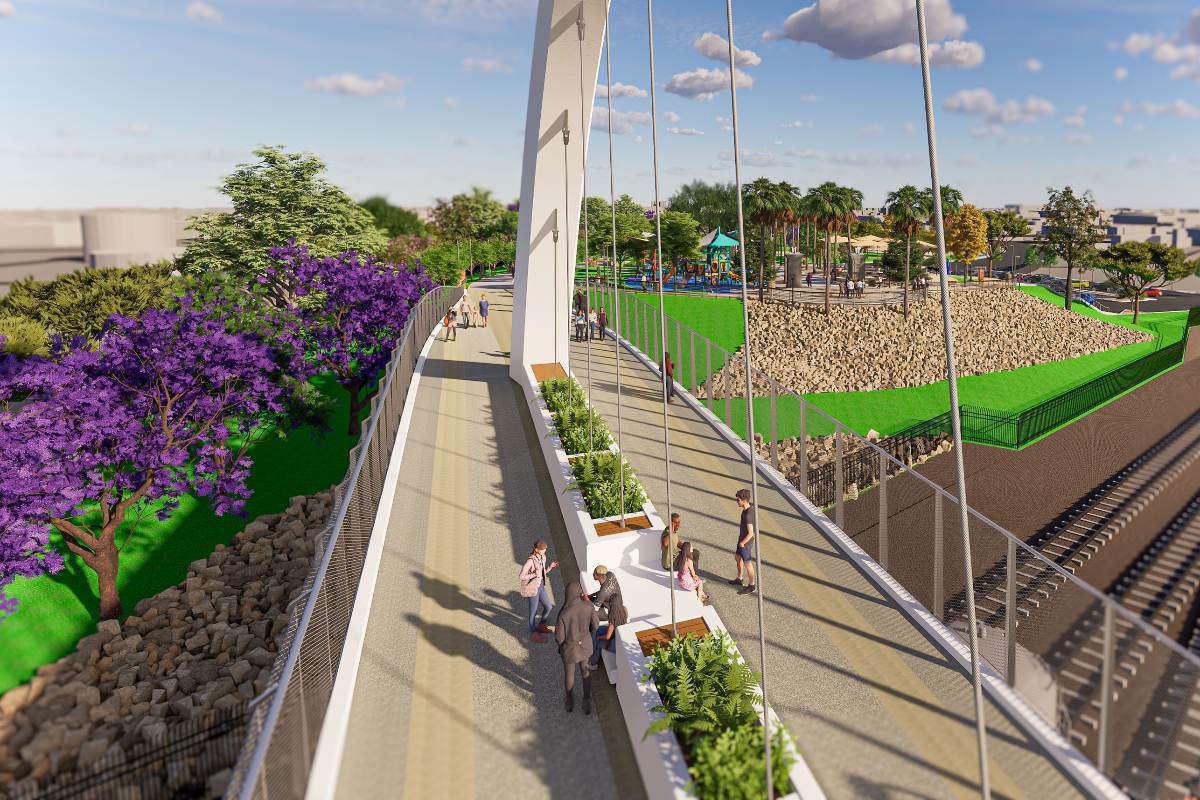
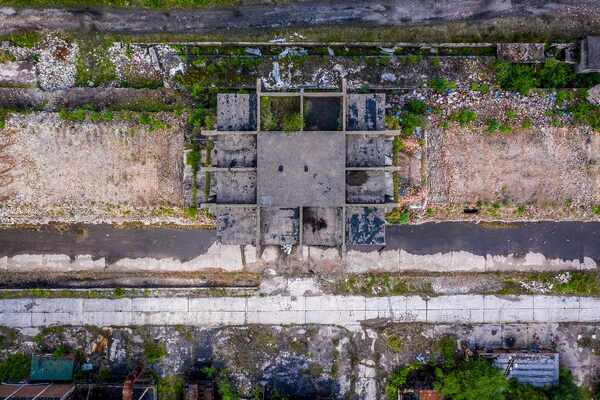
The $152m Avalon Pedestrian Bridge and Promenade Gateway project will transform 12 acres of former industrial land into community-centred spaces for residents.
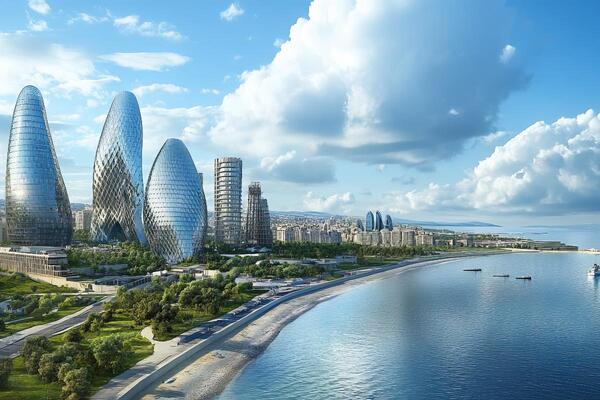
The agreement sets out a commitment by Abu Dhabi and the Baku City Executive Power to enhance quality of life and advance sustainability-led urban development.
The lab’s open innovation programme aims to enable government institutions to work directly with startups to design and test digital solutions before scaling.
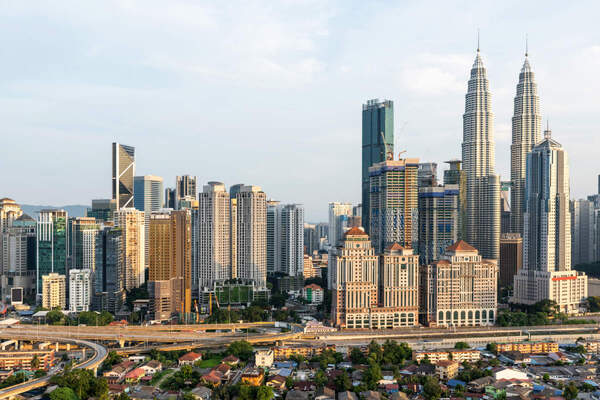
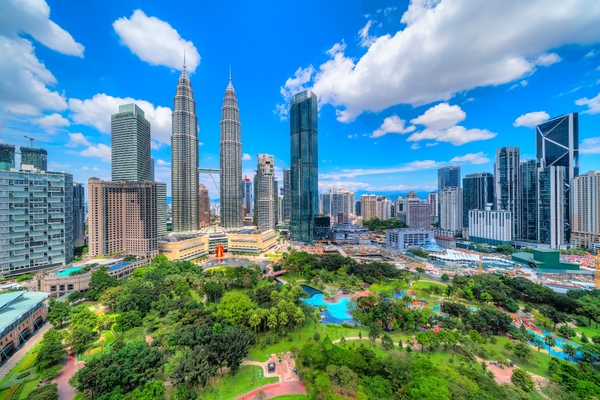
Malaysian capital worked with C40 Cities and the UK on a four-year initiative to integrate inclusive, practical climate action into planning and operations.
The standardised Local Authority Common Ask builds on previous cross-sector collaboration and enables local authorities to share granular spatial forecasts.
Renewed framework will guide the City’s work in embedding health and social sustainability across planning, programmes, services and infrastructure delivery.
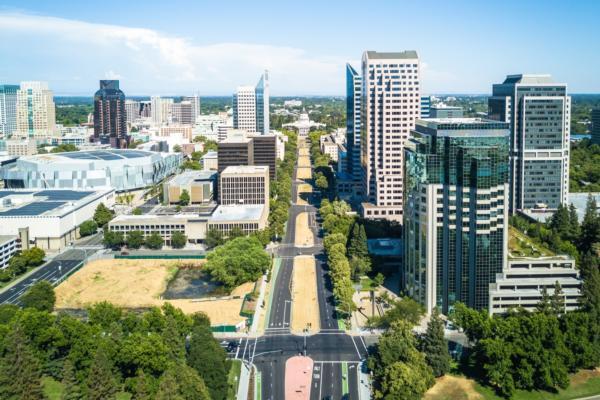
SacAdapt is a joint effort between the City and SRTD to prepare roads, bicycle facilities, sidewalks, bus stops and light rail infrastructure for climate impacts.
Europe must take advantage of brownfield development’s potential to address affordable housing needs and reduce carbon emissions, a new report reveals.
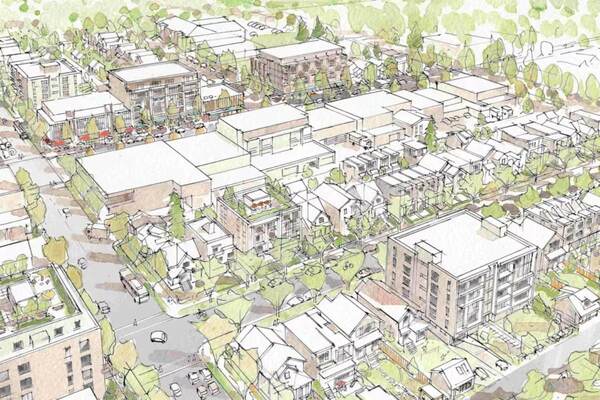
Villages form part of the Rupert and Renfrew Station Area Plan and are centred on existing retail clusters that will transform into vibrant neighbourhoods.
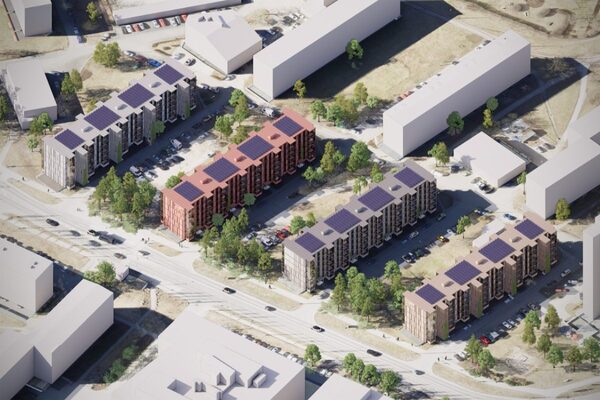
One of five projects to be approved under the initiative, the building will improve the public realm with landscaping, street trees and pedestrian connections.
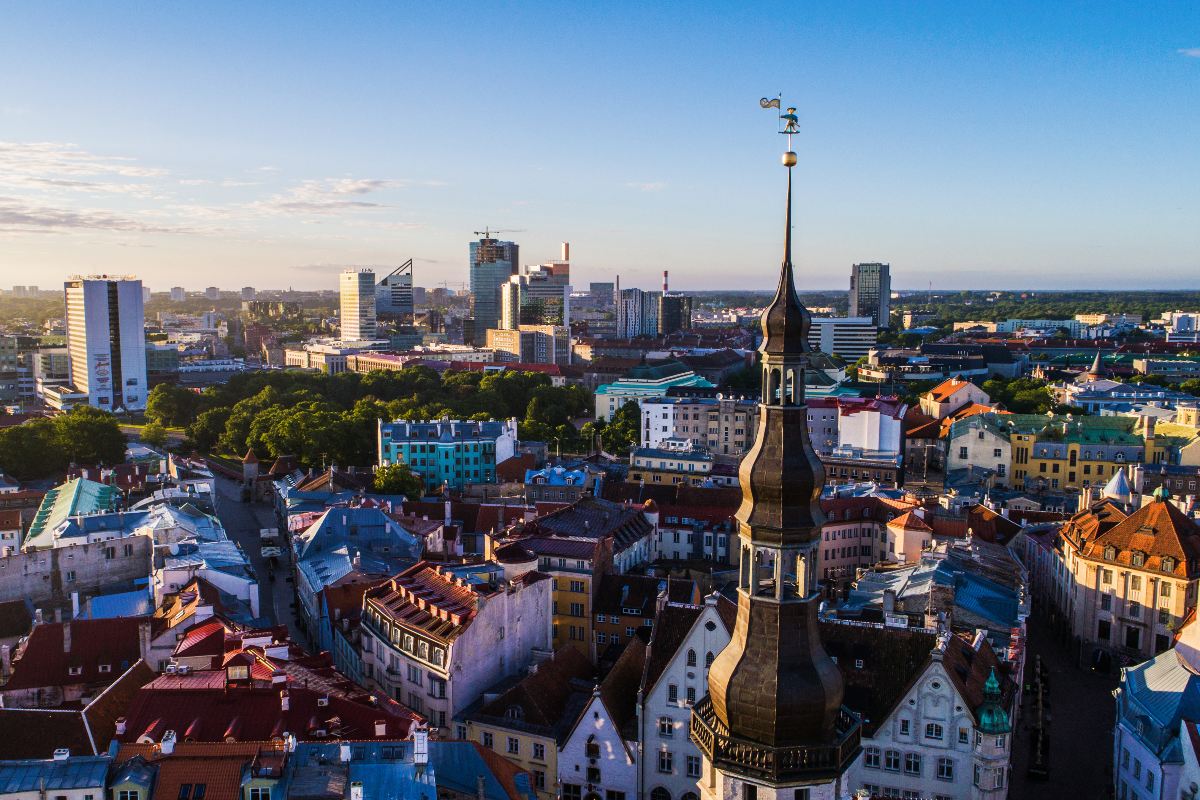
Estonian capital’s 2026 budget and master plan aims to create a high-quality living environment with everyday services conveniently accessible to residents.
The two sides are building on their existing strategic partnership with a new agreement to focus on areas such as entrepreneurship, innovation and vitality.
It requires developers to explore all reasonable options for retrofitting and adapting buildings before seeking permission for demolition and redevelopment.
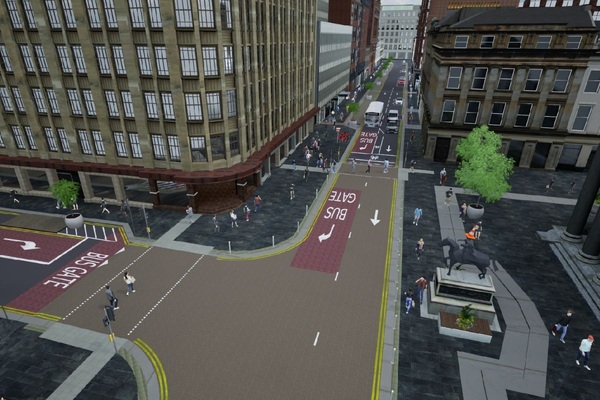
Work begins in February on a redesigned, fully accessible, step‑free junction where Queen Street meets Ingram Street with priority given to pedestrians.
A three-year programme will modernise inspection planning, optimise maintenance workflows and enhance environmental monitoring across Madrid’s urban green infrastructure.
Fuad Alsagoff, Senior Manager, Mobility Payment Systems, Urban Solutions at ST Engineering, explains how mobility payments are evolving with a new wave of technology – and how openness and inclusive services are driving adoption.
Initiative aims to increase territorial resilience and adaptive capacity, while reducing territorial inequalities and ensuring the right to the city for all.
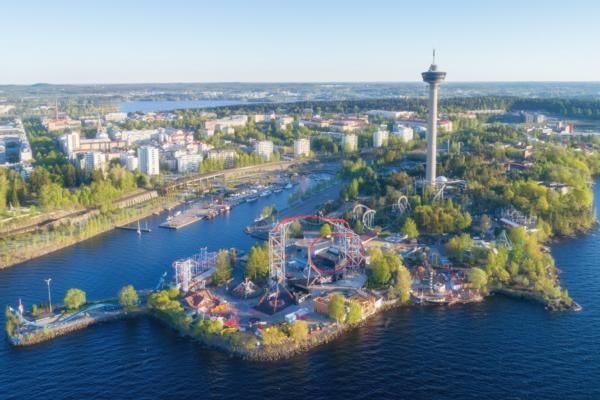
Survey represents an opportunity to share what kinds of digital tools and services residents would like, and help shape the future of Tampere as a smart city.
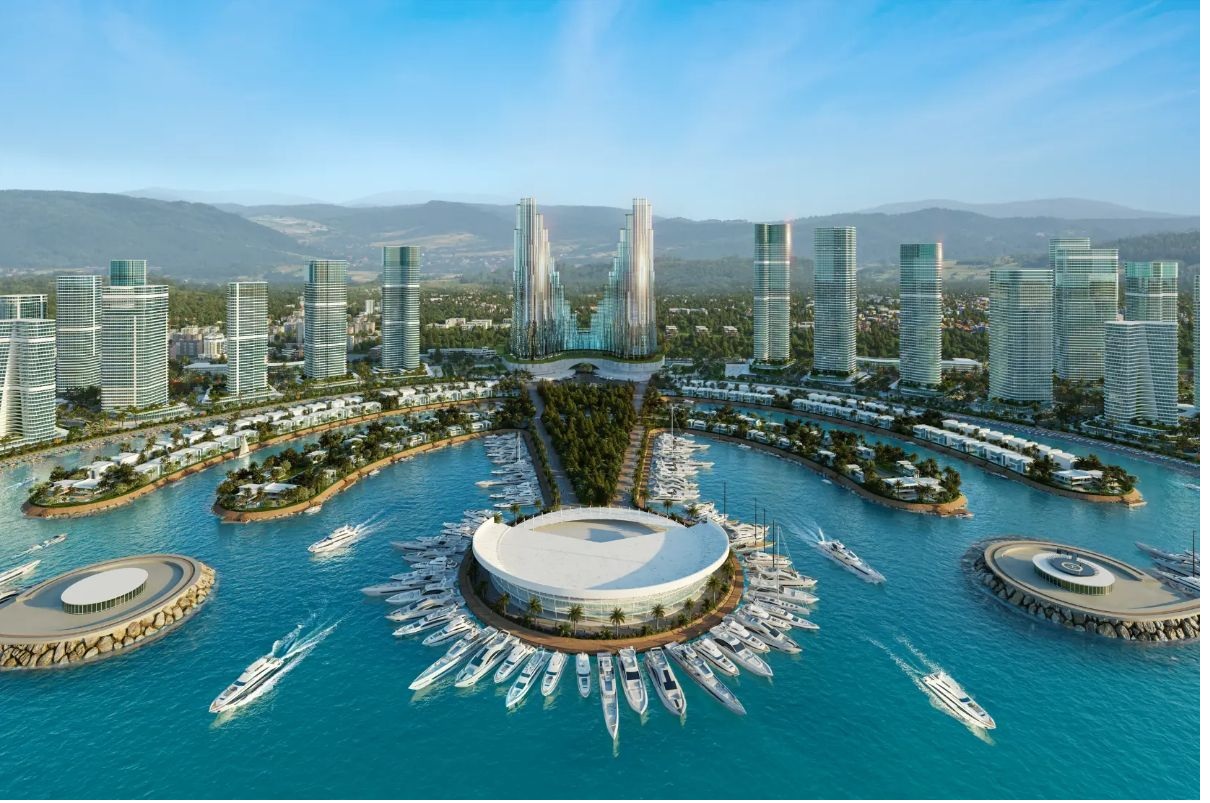
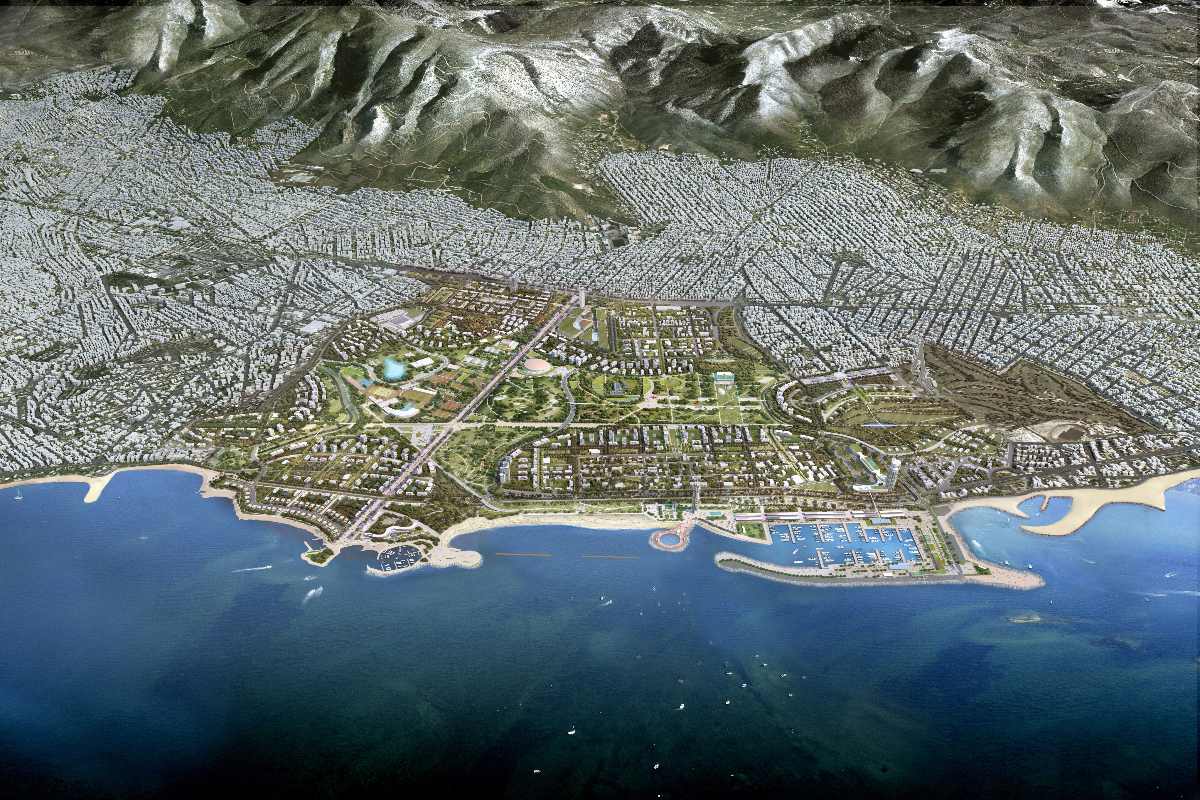
The Ellinikon, which is being developed on former site of Athens’ international airport, is expected to contribute approximately 2.5 per cent of Greece’s GDP.
iCapital prize is awarded to cities that act as front-runners in leveraging innovation to shape more sustainable, inclusive, and resilient urban environments.
Fourteenth edition of the event will bring together more than 600 global experts to share strategies, tech and projects that are driving urban transformation.
Central to Woven City are two profiles of participants: Inventors who will develop and test products and services, and Weavers who will provide feedback.
Dr Chong Chee Chung, Vice President, ITS Architecting, Mobility Road, Urban Solutions at ST Engineering, explains how a combination of deep learning, computer vision and artificial neural networks are transforming urban traffic management.
Watch this SmartCitiesWorld and BizzTech panel discussion where industry leaders and experts will delve into the transformative potential of metaverse and digital twin technologies for urban development.
The Australian government’s long-anticipated climate risk assessment has arrived, but what’s the outlook and what does it mean for city governments and communities?
Oxford start-up Mistify AI has unveiled an AI-driven, solar-powered system that can significantly reduces harmful particulates on urban construction sites.
As part of the Rammaus project, the City and companies will employ young people to build infrastructure and provide services in their own neighbourhoods.
ST Engineering’s Richard Ng explains how integrated smart city platforms can support cities in becoming more sustainable and efficient at the scale that is right for them.
Report details past development of Greenways and identifies potential locations for future expansion as well as opportunities for integrating Greenway projects.
Residents can share stories and ideas through a memory box installation to help guide early design decisions of a prominent section of the flagship civic block.
The awards celebrate the achievements of engineers and project teams in advancing infrastructure for better quality of life through digital innovation.
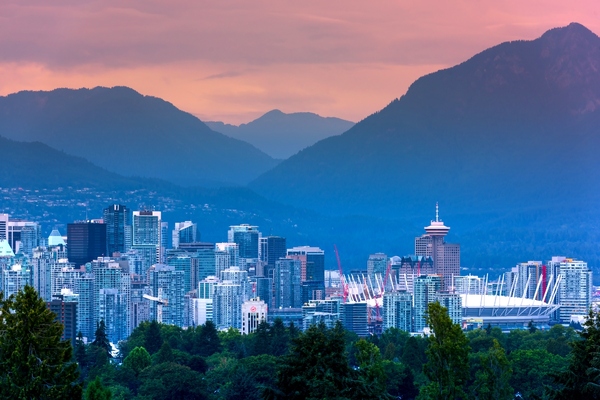
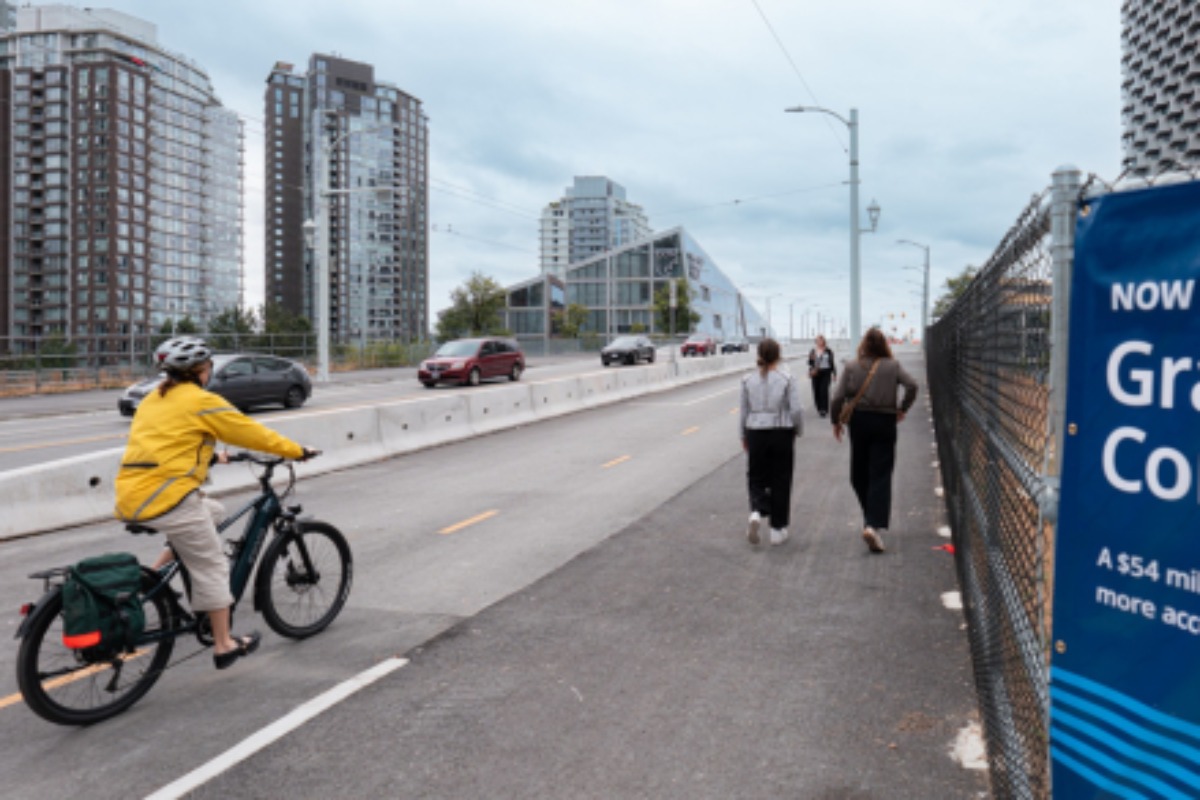
Physically separated from vehicle traffic, the Granville Connector is a protected walking and cycling path across the west side of the Granville Bridge.
Downtown SF Partnership has launched Downtown Gateway, part of the Public Realm Action Plan, reimagining the underutilised cable car stop at Robert Frost Plaza.
It includes $1.8m towards smart city tech and climate resilience as part of its Future Perth plan that supports growth, wellbeing and sustainable development.
This alliance brings together immersive digital twin technology and real-time traffic analytics for next-generation traffic and smart city applications.
Watch this SmartCitiesWorld and BizzTech panel discussion where industry leaders and experts will delve into the transformative potential of metaverse and digital twin technologies for urban development.
Project in the Mustamäe district of the Estonian capital focuses on neighbourhood involvement and aligns with the principles of the New Bauhaus in Europe.
Capital planning solution aimed at data centre development is purpose-built to support high-impact, upstream decision-making that drives long-term investment.
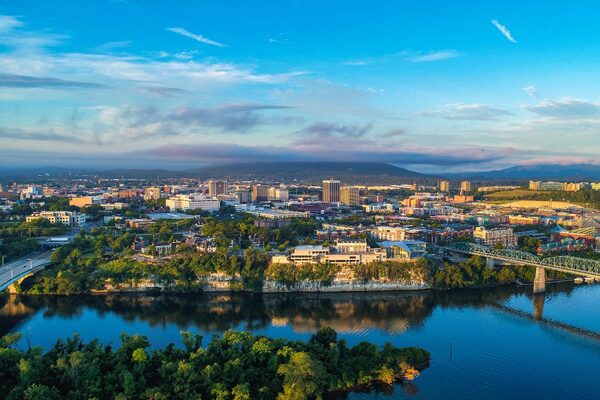
City of Chattanooga’s Brian Smith explains how the city has changed its reputation from America’s dirtiest city to the first designated as a National Park City.
City’s Zoning Ordinance has added data centres as a permitted use that must address health and safety concerns when applying for a special construction permit.